Understanding the Pill Version of Ozempic: Availability, Mechanism, and Clinical Context
The pill version of Ozempic refers to oral semaglutide, marketed under the brand name Rybelsus, which utilizes the exact same active pharmaceutical ingredient as the injectable diabetes medication Ozempic. Both medications are manufact...
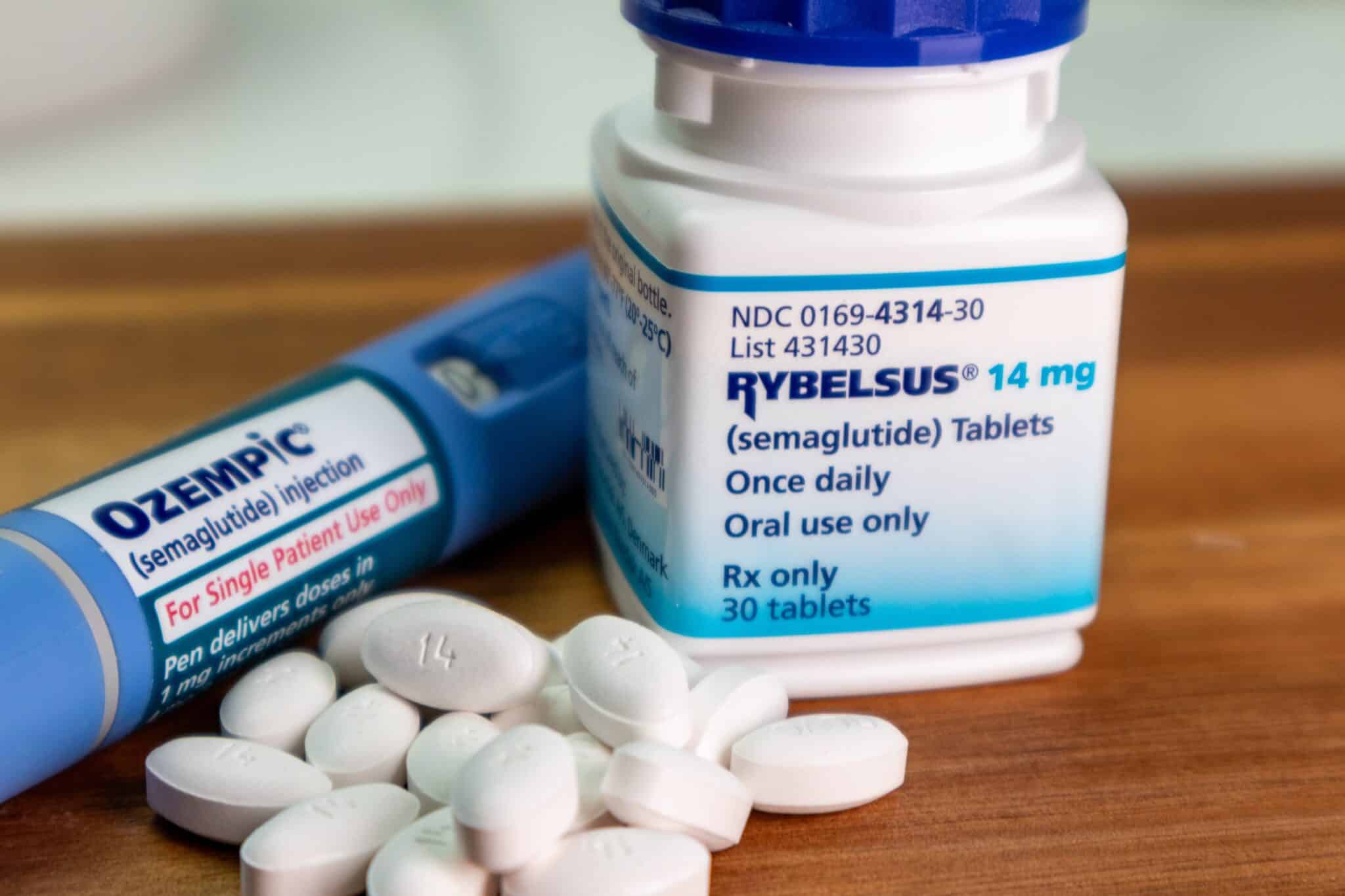
The pill version of Ozempic refers to oral semaglutide, marketed under the brand name Rybelsus, which utilizes the exact same active pharmaceutical ingredient as the injectable diabetes medication Ozempic. Both medications are manufactured by Novo Nordisk and belong to the glucagon-like peptide-1 (GLP-1) receptor agonist class, designed primarily to improve blood sugar control in adults with type 2 diabetes.
Contents
Introduction to Oral Semaglutide and the GLP-1 Class
The therapeutic management of type 2 diabetes underwent a significant paradigm shift with the introduction of glucagon-like peptide-1 (GLP-1) receptor agonists. For many years, these medications were exclusively administered via subcutaneous injections, which presented a barrier for patients with needle phobias or those managing complex multi-drug regimens. The development of oral semaglutide—commercially available as Rybelsus—brought the first oral GLP-1 receptor agonist to clinical practice.
Because semaglutide is a peptide, it is naturally susceptible to degradation by digestive enzymes in the stomach and small intestine. To overcome this physiological obstacle, pharmaceutical engineers combined semaglutide with an absorption enhancer known as SNAC (sodium N-(8-[2-hydroxybenzoyl] amino) caprylate). The SNAC technology temporarily raises local pH in the stomach, creating a protective microenvironment that allows semaglutide to be absorbed across the gastric mucosa into the bloodstream. This technical innovation bridged the gap between injectable biologics and oral pharmacotherapy, offering patients an alternative delivery mechanism without altering the underlying molecular target.
Clinical Indications and Regulatory Status
Understanding the precise regulatory approvals and clinical indications of oral semaglutide helps clarify its role in modern medicine. While Ozempic and Rybelsus share the identical active molecule, their approved indications and dosing structures reflect distinct regulatory pathways overseen by agencies such as the U.S. Food and Drug Administration (FDA) and the European Medicines Agency (EMA).
Rybelsus is officially approved as an adjunct to diet and exercise to improve glycemic control in adults with type 2 diabetes mellitus. Unlike its injectable counterpart, which has received specific label expansions for cardiovascular risk reduction in adults with type 2 diabetes and established cardiovascular disease, oral semaglutide's primary regulatory indication remains centered on glycemic management. However, clinical trials have extensively documented weight loss as a secondary effect for patients taking the medication, mirroring the metabolic profile observed with injectable GLP-1 therapies. It is critical to note that Rybelsus is not formally approved by regulatory authorities as a chronic weight management medication; products such as Wegovy (higher-dose injectable semaglutide) and Zepbound (tirzepatide) occupy that specific clinical space.
Regulatory Comparison of Semaglutide Formulations
| Product Name | Delivery Method | Primary FDA/EMA Indication | Approved Dosing Strengths | Clinical Administration Rules |
|---|---|---|---|---|
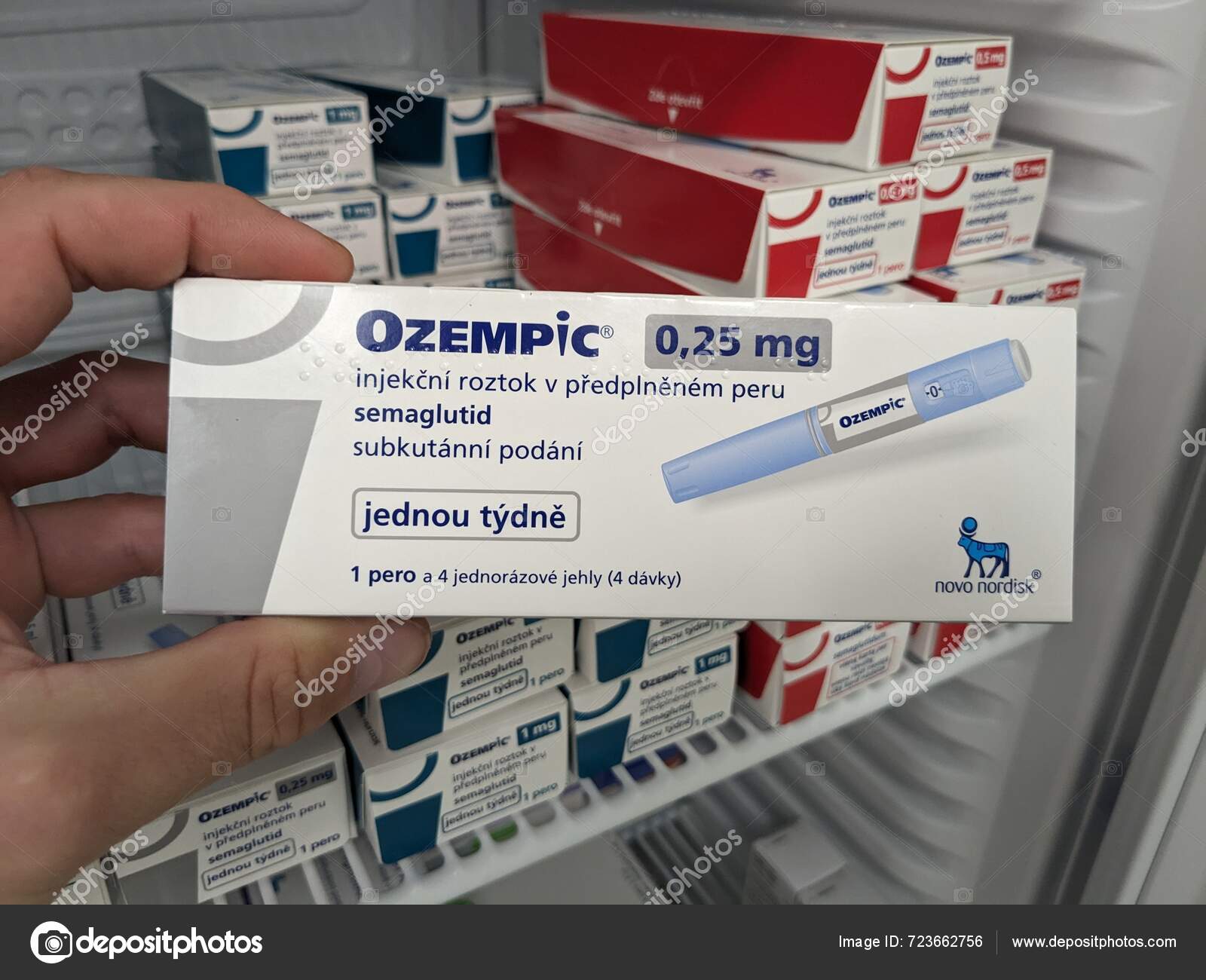
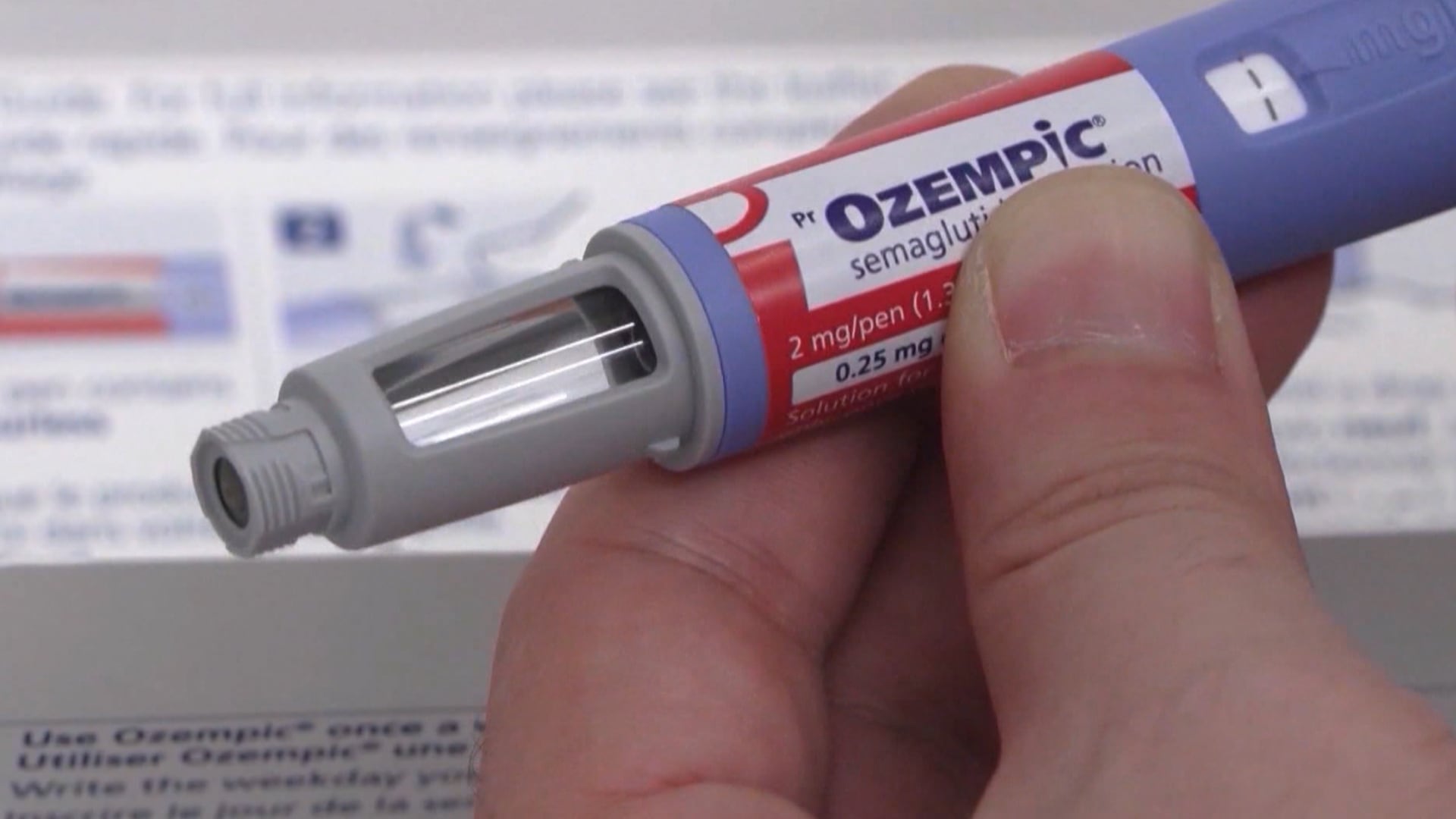
| Ozempic | Subcutaneous Injection | Type 2 Diabetes; Cardiovascular Risk Reduction | 0.25 mg, 0.5 mg, 1 mg, 2 mg pens | Once weekly, any time of day, with or without food |
| Rybelsus | Oral Tablet | Type 2 Diabetes Mellitus | 3 mg, 7 mg, 14 mg tablets | Once daily, first thing in the morning, strict fasting rules |
| Wegovy | Subcutaneous Injection | Chronic Weight Management; Cardiovascular Risk Reduction | 0.25 mg to 2.4 mg pens | Once weekly, any time of day, with or without food |
Pharmacokinetics and Administration Requirements
The oral bioavailability of peptide drugs is inherently low, and oral semaglutide is no exception. To achieve therapeutic plasma concentrations, patients must follow a rigorous, highly specific daily administration protocol. Deviating from these instructions can drastically reduce the absorption of the active ingredient, rendering the dose clinically ineffective.
Patients must take Rybelsus first thing in the morning upon waking, swallowed whole with a sip of plain water (no more than 4 ounces or 120 milliliters). Following ingestion, patients must wait at least 30 minutes before eating, drinking anything else, or taking other oral medications. Consuming food, beverages, or other drugs too soon after administration binds or blocks the SNAC absorption mechanism, preventing the semaglutide from entering systemic circulation efficiently.
The titration schedule typically begins with an initiation dose of 3 mg once daily for 30 days. This low starting dose is not intended for glycemic control but rather to allow the gastrointestinal tract to adjust to the medication, minimizing adverse effects like nausea and vomiting. After 30 days, the dose is increased to 7 mg daily. If additional glycemic control is required and the 7 mg dose is well tolerated, the physician may increase the maintenance dose to 14 mg daily.
Comparative Efficacy: Oral Versus Injectable Semaglutide
When evaluating the pill version of Ozempic against weekly injections, clinicians look closely at glycemic reduction (measured via HbA1c) and weight loss outcomes. Clinical trial programs, known as the PIONEER trials for oral semaglutide and the SUSTAIN trials for injectable semaglutide, provide robust comparative data.
In general, clinical studies demonstrate that both formulations deliver substantial reductions in blood glucose and body weight compared to placebo and many active comparators, such as sitagliptin or empagliflozin. However, direct head-to-head trials and indirect comparisons indicate that higher doses of injectable semaglutide (such as 1 mg or 2 mg weekly) often achieve greater reductions in HbA1c and superior total body weight loss compared to the maximum oral dose of 14 mg daily.
| Parameter | Oral Semaglutide (Rybelsus 14 mg Daily) | Injectable Semaglutide (Ozempic 1 mg Weekly) |
|---|---|---|
| Average HbA1c Reduction | Approximately 1.2% to 1.4% | Approximately 1.5% to 1.6% |
| Average Weight Loss | Approximately 3.0 to 4.5 kg | Approximately 4.0 to 5.5 kg |
| Administration Frequency | Once daily (with strict fasting rules) | Once weekly (flexible timing) |
| Gastrointestinal Side Effect Profile | Comparable (nausea, diarrhea, vomiting, constipation) | Comparable (nausea, diarrhea, vomiting, constipation) |
Safety Profile, Adverse Effects, and Contraindications
All GLP-1 receptor agonists share a remarkably consistent adverse event profile, driven primarily by delayed gastric emptying and central nervous system signaling pathways that regulate appetite and satiety. Gastrointestinal side effects are the most frequently reported complaints during clinical trials and post-marketing surveillance.
Common adverse reactions include:
- Nausea, which tends to peak during dose escalation and subside over time
- Vomiting and episodic diarrhea
- Constipation or abdominal distention
- Decreased appetite and early satiety
More serious, though less common, risks associated with the class include acute pancreatitis, gallbladder disease (such as cholelithiasis and cholecystitis), acute kidney injury secondary to severe dehydration from vomiting or diarrhea, and diabetic retinopathy complications in susceptible individuals. Furthermore, animal studies have demonstrated that GLP-1 receptor agonists cause thyroid C-cell tumors in rodents. Consequently, both oral and injectable semaglutide carry a boxed warning stating that they are contraindicated in patients with a personal or family history of medullary thyroid carcinoma (MTC) or in patients with Multiple Endocrine Neoplasia syndrome type 2 (MEN 2).
Access, Insurance Coverage, and Cost Considerations
Navigating the healthcare and insurance landscape for GLP-1 therapies requires careful coordination between prescribing physicians, patients, and pharmacy benefit managers. Because demand for medications containing semaglutide has surged globally, manufacturing supply chains have experienced intermittent constraints.
Insurance formularies often maintain strict prior authorization criteria for both Ozempic and Rybelsus. Typically, insurers require documented proof of a type 2 diabetes diagnosis, a specific baseline HbA1c level, and trial-and-failure documentation showing that older, less expensive therapies such as metformin have proven insufficient or produced intolerable side effects. Because Rybelsus is classified as a brand-name specialty medication without a generic equivalent, out-of-pocket costs can be substantial for patients whose commercial insurance plans, Medicare Part D, or Medicaid programs do not grant formulary preferred status. Patients should consult their specific insurance providers and explore manufacturer savings cards or patient assistance programs to offset out-of-pocket expenses.
Frequently Asked Questions
Is the pill version of Ozempic chemically identical to the injection?
Yes. Both Rybelsus (the oral tablet) and Ozempic (the injection) contain semaglutide as the active pharmaceutical ingredient. The primary difference lies in the excipients, specifically the inclusion of the absorption enhancer SNAC in the pill to protect the peptide from stomach acid, and the route of administration.
Can I take Rybelsus for weight loss if I do not have diabetes?
Rybelsus is FDA-approved exclusively for the treatment of type 2 diabetes mellitus. While weight loss is a recognized side effect, prescribing or taking it strictly for chronic weight management constitutes an off-label use. Patients seeking pharmacotherapy specifically for weight loss are typically evaluated for medications carrying explicit weight management indications.
What happens if I eat immediately after taking my morning Rybelsus pill?
Eating, drinking beverages other than plain water, or taking other oral medications within 30 minutes of taking Rybelsus can significantly impair the absorption of the drug. If the absorption window is compromised, the systemic concentration of semaglutide drops, which may reduce the therapeutic efficacy of that day's dose.
Why is the starting dose of oral semaglutide so low?
The initial 3 mg daily dose is designed to help the gastrointestinal tract acclimate to the medication. Because GLP-1 receptor agonists slow gastric emptying and alter gut motility, initiating therapy at a higher dose frequently causes severe nausea, vomiting, and abdominal discomfort. Gradual titration improves long-term tolerability and adherence.
Are there generic versions of oral semaglutide available?
As of 2026, there are no generic equivalents of oral semaglutide on the market. Novo Nordisk holds the patent protections for the active molecule and the specific SNAC absorption technology, meaning patients must rely on brand-name Rybelsus prescriptions.
Practical Next Steps for Patients
Patients interested in exploring oral semaglutide should schedule an appointment with their primary care physician or endocrinologist to discuss their complete glycemic history, metabolic goals, and cardiovascular risk factors. Because complex prior authorization rules govern insurance approval for GLP-1 medications, gathering records of prior diabetes medications, lab results, and formulary guidelines before the appointment can streamline the prescribing process. Always consult a qualified healthcare professional before altering any medication regimen.
Image Gallery