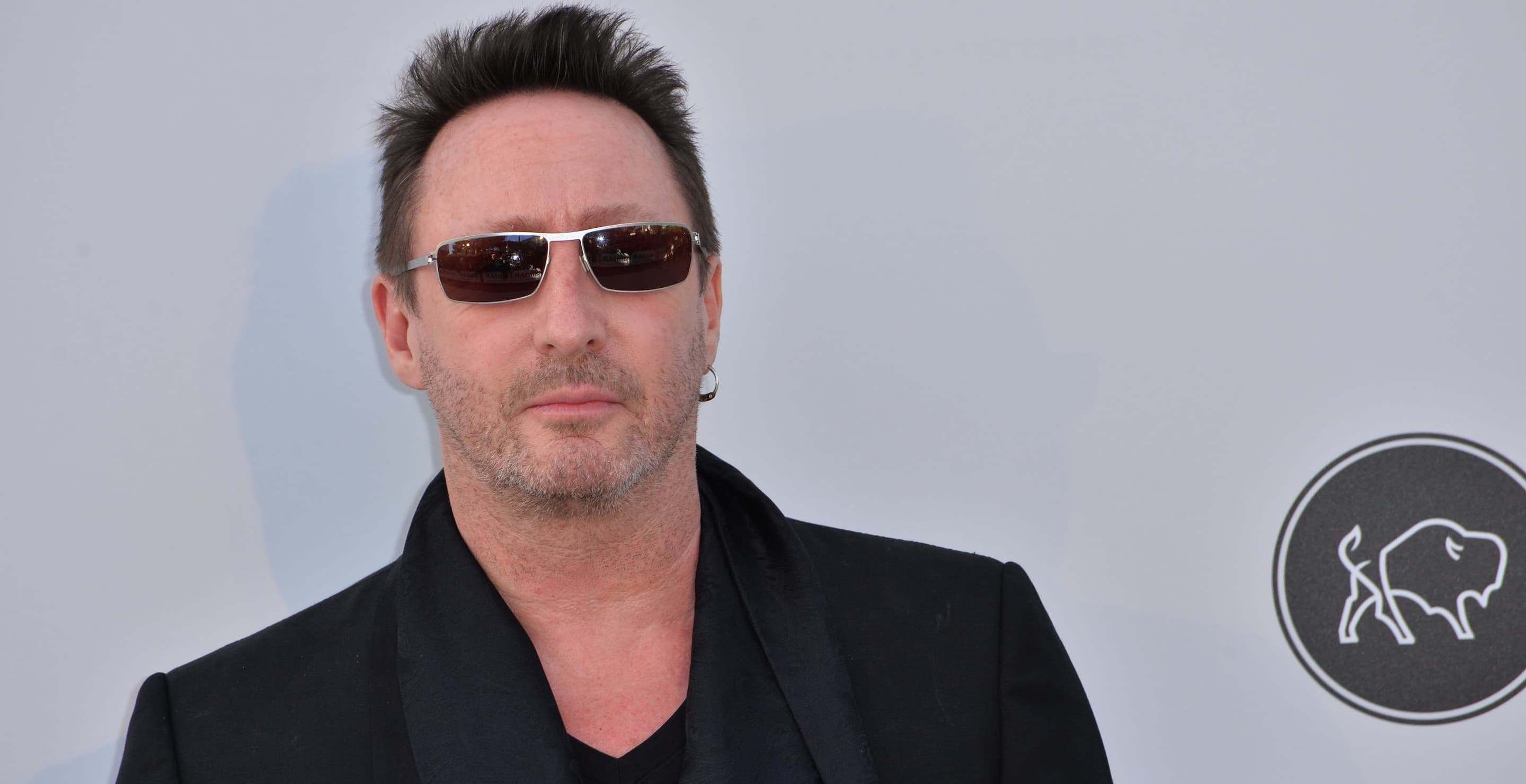
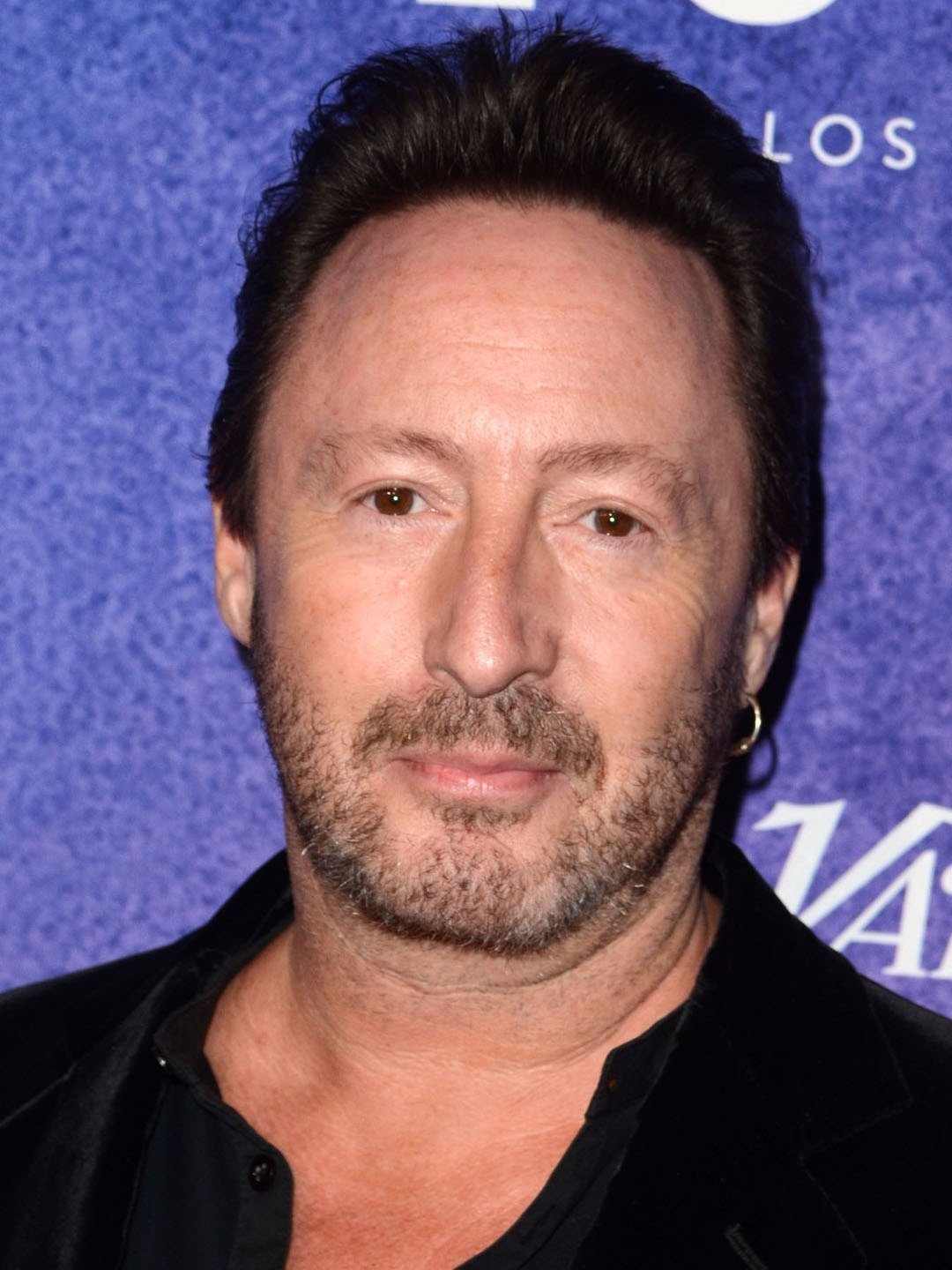
Julian Lennon at 63: His Life, Career, Legacy, and Artistic Evolution
Julian Lennon reaches 63 years old in 2026, marking over four decades of creative contributions as a Grammy-nominated musician, fine art photographer, bestselling author, and global philanthropist. As the eldest son of John Lennon, Jul...
Julian Lennon reaches 63 years old in 2026, marking over four decades of creative contributions as a Grammy-nominated musician, fine art photographer, bestselling author, and global philanthropist. As the eldest son of John Lennon, Julian has successfully navigated the complexities of music royalty to forge an independent artistic identity grounded in humanitarian advocacy and visual storytelling.
Contents
Early Life and the Beatles Connection
Julian Lennon was born John Charles Julian Lennon on April 8, 1963, in Liverpool, England, to Beatles co-founder John Lennon and his first wife, Cynthia Powell Lennon. Named after his paternal grandmother, Julia Lennon, his birth occurred just as Beatlemania was transforming his father’s group into a global cultural phenomenon. Because of the intense media scrutiny surrounding the band, Julian’s birth was initially kept quiet from the public to protect the group’s image as teenage heartthrobs.
Growing up in the shadow of legendary musicianship deeply influenced Julian’s early childhood. His presence directly inspired several of the Beatles’ most enduring songs. In 1967, four-year-old Julian brought home a nursery school drawing of his classmate Lucy O'Donnell surrounded by stars, which inspired John Lennon to write the psychedelic masterpiece "Lucy in the Sky with Diamonds." Later, John composed the soothing lullaby "Good Night," which closed the 1968 double album The Beatles (commonly known as the White Album), specifically for Julian.
Perhaps the most poignant musical connection occurred during the painful dissolution of his parents' marriage in 1968. Paul McCartney composed the song "Hey Jules" to comfort five-year-old Julian as he drove out to visit Cynthia and Julian. McCartney later changed the title to "Hey Jude" because he felt it sounded better phonetically. The track became one of the biggest hit singles in rock history, serving as a permanent historical bridge between Julian and the band's legacy.
Musical Career: From Valotte to Jude
Julian Lennon launched his professional music career in 1984 with the release of his debut studio album, Valotte. Produced by Phil Ramone, the album was a critical and commercial success, yielding hit singles including the title track "Valotte" and the upbeat top-ten hit "Too Late for Goodbyes." Listeners were struck by the natural similarity between Julian’s vocal tone and that of his late father, yet critics praised the album's polished production and distinct melodic sensibilities. The success of Valotte earned Julian a nomination for the Grammy Award for Best New Artist in 1985.
Julian Lennon Studio Albums Overview: - Valotte (1984) - The Secret Value of Daydreaming (1986) - Mr. Jordan (1989) - Help Yourself (1991) - Photograph Smile (1998) - Everything Changes (2011) - Jude (2022)
Despite the strong debut, maintaining momentum under relentless comparison to John Lennon presented major artistic and personal challenges. His follow-up effort, The Secret Value of Daydreaming (1986), achieved commercial success but received mixed reviews. Over the subsequent decade, Julian experimented with different musical genres and sonic textures, releasing Mr. Jordan (1989) and Help Yourself (1991). The single "Saltwater" from Help Yourself achieved international success, particularly in Australia and Europe, showcasing his growing commitment to environmental issues.
After taking extended sabbaticals from the music industry to focus on visual arts and personal healing, Julian returned with Photograph Smile (1998) and Everything Changes (2011). In September 2022, he released his seventh studio album, titled Jude. The album was a personal milestone in which Julian embraced the title of the song written for him decades earlier. Featuring tracks such as "Every Little Moment" and "Freedom," Jude reflected emotional maturity, self-acceptance, and vocal warmth. In 2022, Julian also performed his father's peace anthem "Imagine" publicly for the first time as part of a global fundraising effort for Ukrainian refugees, breaking a lifelong vow to only perform it if requested for a monumental global humanitarian need.
Fine Art Photography and Literary Success
While music established Julian Lennon’s place in public life, fine art photography provided him with a personal medium free from direct familial comparisons. Julian began taking photography seriously while on tour in 2007, capturing candid moments behind the scenes. His work quickly evolved into serious documentary, landscape, and portrait photography.
Julian’s photographic collections—including Timeless, Horizon, and Cycle—have been exhibited in major galleries globally, including show venues in New York, London, Miami, and Los Angeles. His fine art photography often explores the contrast between vast, untouched natural environments and intimate human portraits. Through his lens, he emphasizes themes of empathy, environmental conservation, and cultural preservation, documenting indigenous communities in Kenya, Ethiopia, and the Amazon basin.
Beyond visual art, Julian achieved commercial success as an author. He co-authored a New York Times bestselling trilogy of children's picture books designed to educate young readers about environmental responsibility:
- Touch the Earth (2017) – Introduces children to global ecosystems using an interactive "White Feather Flyer" concept.
- Heal the Earth (2018) – Focuses on environmental conservation and medical aid initiatives around the globe.
- Change the World (2019) – Empowers children to take action in their local communities to promote sustainability.
In addition to children's literature, Julian has authored graphic novels, including the 7 Decades series, and contributed photography to numerous high-profile art and music publications.
Philanthropy: The White Feather Foundation
In 2007, Julian Lennon established The White Feather Foundation, a non-profit organization dedicated to environmental and humanitarian issues. The foundation’s origin stems from a conversation Julian had with his father during childhood. John Lennon told Julian that if he ever passed away, a way to show he was alright—or that everything would be fine—would be in the form of a white feather.
Years later, while touring in Australia, Julian was presented with a white feather by elders of the Mirning Tribe, an indigenous Australian group. The elders asked Julian to help them give their people a voice. Deeply moved by the encounter, Julian established the foundation to address four primary focus areas:
- Clean Water: Funding clean water projects, borehole installations, and filtration systems in remote villages across Africa and Latin America.
- Environmental Conservation: Supporting rainforest preservation projects, wildlife protection initiatives, and marine ecology efforts.
- Education & Health: Providing scholarships, educational facilities, and mobile healthcare units to underprivileged communities.
- Indigenous Culture: Preserving the lands, sacred sites, languages, and traditional knowledge of indigenous populations worldwide.
Through the White Feather Foundation, Julian has channeled millions of dollars into direct-impact community projects, earning him recognition as a UNESCO Center for Peace UNESCO Peace Builder in 2020.
Career Summary & Key Milestones
The following table summarizes the major career phases, key creative projects, and primary achievements across Julian Lennon's multi-faceted career:
| Era / Period | Primary Creative Focus | Major Projects & Releases | Key Achievements & Recognition |
|---|---|---|---|
| 1984–1989 | Breakthrough Pop/Rock Music | Valotte (1984), The Secret Value of Daydreaming (1986), Mr. Jordan (1989) | Grammy nomination for Best New Artist (1985); Top-10 Billboard Hot 100 hit singles |
| 1990–1999 | Musical Evolution & Independent Works | Help Yourself (1991), Photograph Smile (1998) | Global hit single "Saltwater"; launching independent label Music from Another Room |
| 2000–2010 | Fine Art Photography & Philanthropy | Debut exhibition Timeless (2010); Establishment of The White Feather Foundation (2007) | International gallery exhibitions; launch of clean water and conservation initiatives worldwide |
| 2011–2019 | Literature, Fine Art & Eco-Advocacy | Everything Changes (2011), Touch the Earth book trilogy (2017–2019) | New York Times Bestselling Author status; global environmental awareness campaigns |
| 2020–Present | Fine Art, Literary & Musical Reconciliation | Jude (2022), "Imagine" benefit performance (2022), legal name update | UNESCO Peace Builder recognition; critical acclaim for Jude album release |
Family Legacy, Personal Identity, and Personal Life
Navigating life as the eldest child of one of history's most famous cultural figures required conscious effort toward personal boundary setting and self-definition. For decades, Julian faced constant questioning regarding his relationship with his late father, his half-brother Sean Taro Ono Lennon, and Yoko Ono.
Over time, Julian has cultivated a warm, supportive relationship with Sean Lennon, often referring to Sean as his closest brother and celebrating their shared creative passions. The two brothers have frequently appeared together at art openings, family gatherings, and Beatles-related historical commemorations, presenting a united front that honors their father's legacy while maintaining mutual respect.
Julian has also addressed his relationship with Paul McCartney, expressing deep gratitude for McCartney’s lifelong support and for writing "Hey Jude." In 2020, Julian made a meaningful personal decision to legally adjust his name. Previously named John Charles Julian Lennon, he officially changed his legal name to Julian Charles John Lennon. He explained that after decades of being called "John" by airport security officers and administrative personnel, swapping the name order allowed him to respect his heritage while officially embracing the identity the world has known him by since childhood.
Julian remains unmarried and has no children, frequently noting in interviews that his intense globe-trotting artistic projects, photographic expeditions, and philanthropic endeavors fulfill his sense of purpose and legacy.
Frequently Asked Questions
How old is Julian Lennon?
Julian Lennon is 63 years old in 2026. He was born on April 8, 1963, at Liverpool Maternity Hospital in Liverpool, England.
What is Julian Lennon’s most famous song?
Julian Lennon’s debut 1984 single "Valotte" and the hit "Too Late for Goodbyes" were major chart successes in North America and Europe. Internationally, his 1991 eco-conscious single "Saltwater" remains one of his most celebrated compositions, topping charts in Australia and reaching the top ten in the United Kingdom.
Was "Hey Jude" really written for Julian Lennon?
Yes. Paul McCartney wrote the original song, titled "Hey Jules," in 1968 to comfort five-year-old Julian during the stressful period when his parents, John Lennon and Cynthia Powell, were divorcing. McCartney later changed the lyric to "Jude" to make it sound better musically.
Why did Julian Lennon found The White Feather Foundation?
Julian founded the foundation in 2007 following a promise his father made that a white feather would symbolize peace and presence. After being presented with a white feather by indigenous elders in Australia who asked for help protecting their culture, Julian established the organization to fund clean water, education, indigenous rights, and environmental protection projects worldwide.
What was the inspiration behind Julian Lennon's album Jude?
Released in 2022, the album Jude was named directly after Beatles song "Hey Jude." Julian used the project to embrace his personal history, come to terms with his past, and celebrate his identity after decades of working to build a distinct artistic career outside his father's shadow.
Practical Recommendations for Fans and Art Collectors
For music enthusiasts, art collectors, and readers interested in exploring Julian Lennon's work, consider the following actions:
- Explore the Discography: Listen to Valotte (1984) for his breakout 1980s pop sound, Help Yourself (1991) for environmental themes, and Jude (2022) for his mature, modern songwriting.
- Review the Photography Collections: Visit official art galleries and fine art exhibits showcasing Julian's Timeless and Horizon photography series to view high-resolution landscape and portrait work.
- Support Philanthropic Efforts: Learn more about global conservation, education, and clean water projects by visiting the official website of The White Feather Foundation.
- Children's Educational Literature: Introduce young readers to environmental stewardship through the Touch the Earth book series co-authored by Julian Lennon.
Image Gallery