Comprehensive Strategies to Reduce Nasal Polyps and Restore Respiratory Health
Reducing nasal polyps effectively requires a multi-tiered approach combining topical corticosteroids, advanced biologic therapies, and consistent nasal hygiene. While surgical intervention remains an option for severe obstructions, mod...
Reducing nasal polyps effectively requires a multi-tiered approach combining topical corticosteroids, advanced biologic therapies, and consistent nasal hygiene. While surgical intervention remains an option for severe obstructions, modern management in 2026 focuses on controlling the underlying chronic inflammation through targeted medications and allergen avoidance to shrink existing growths and prevent recurrence.
Contents
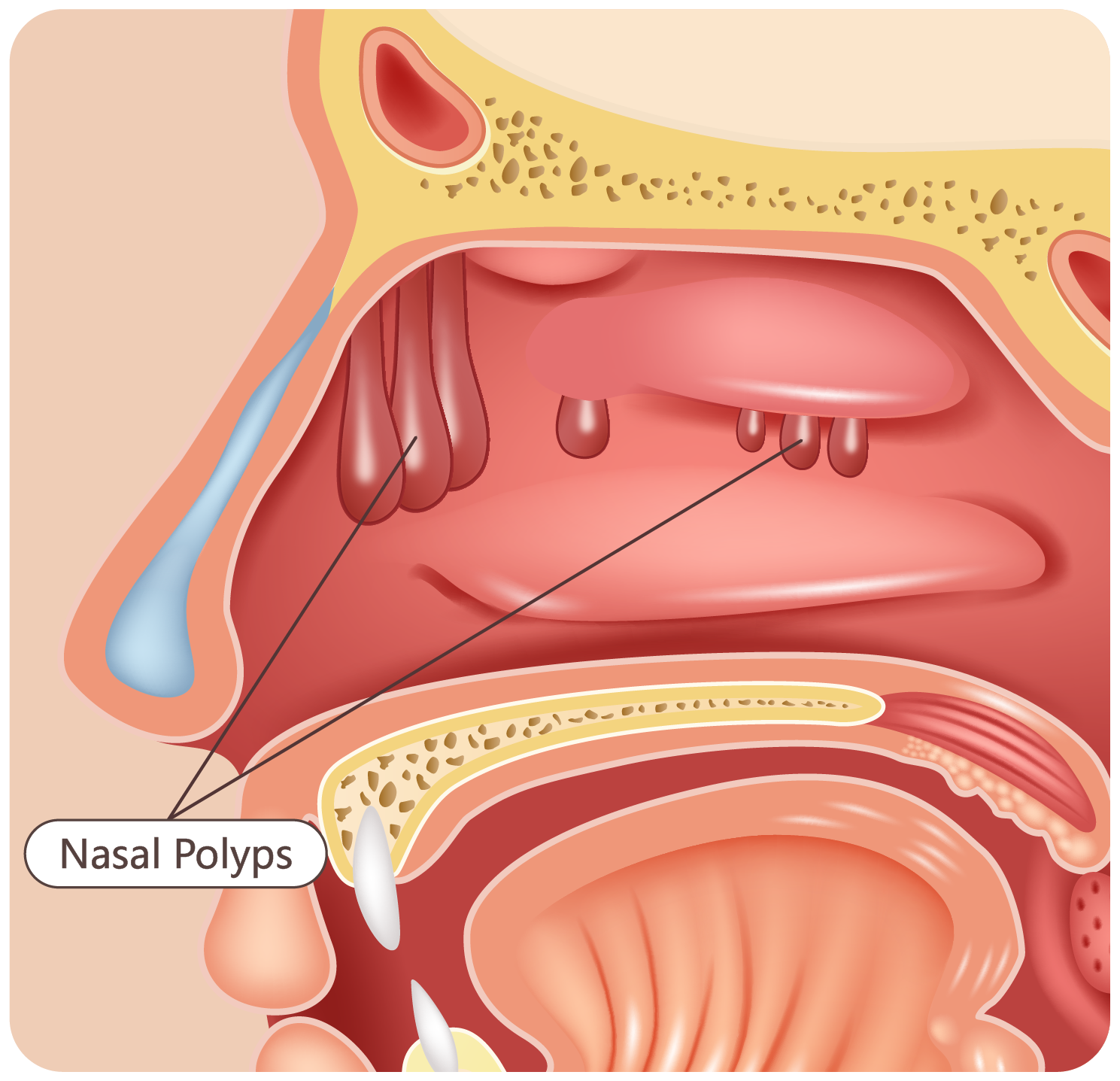
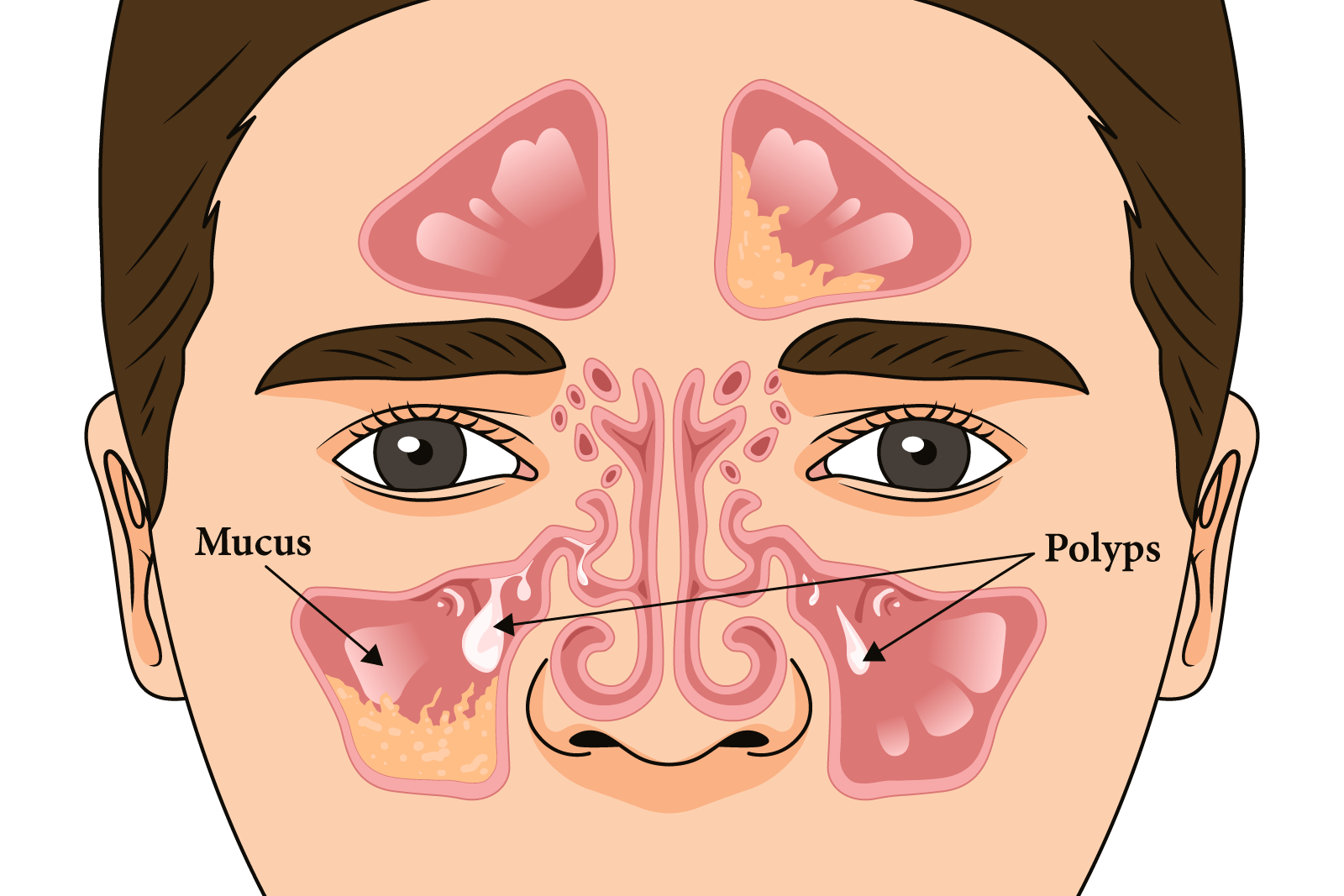
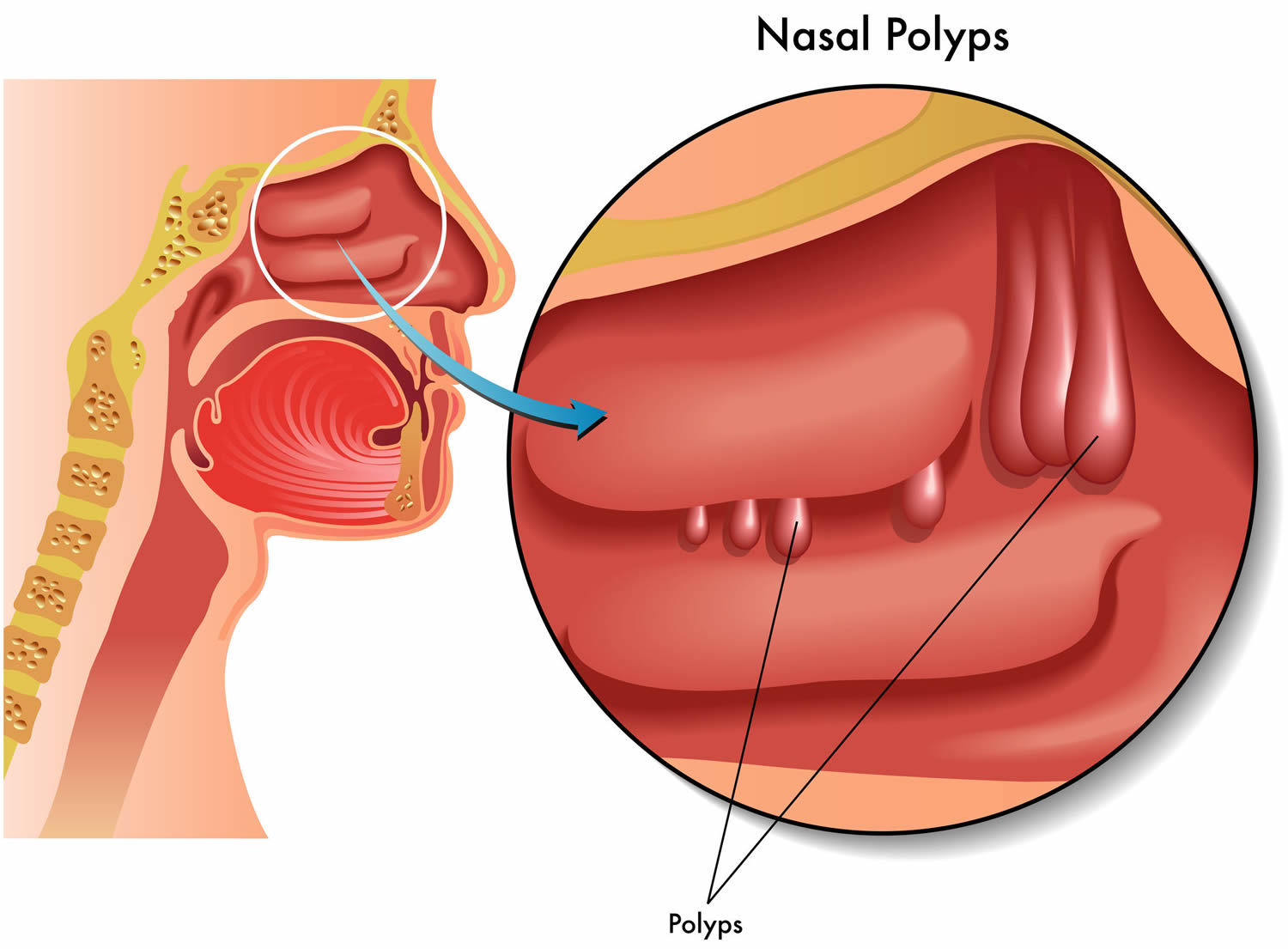
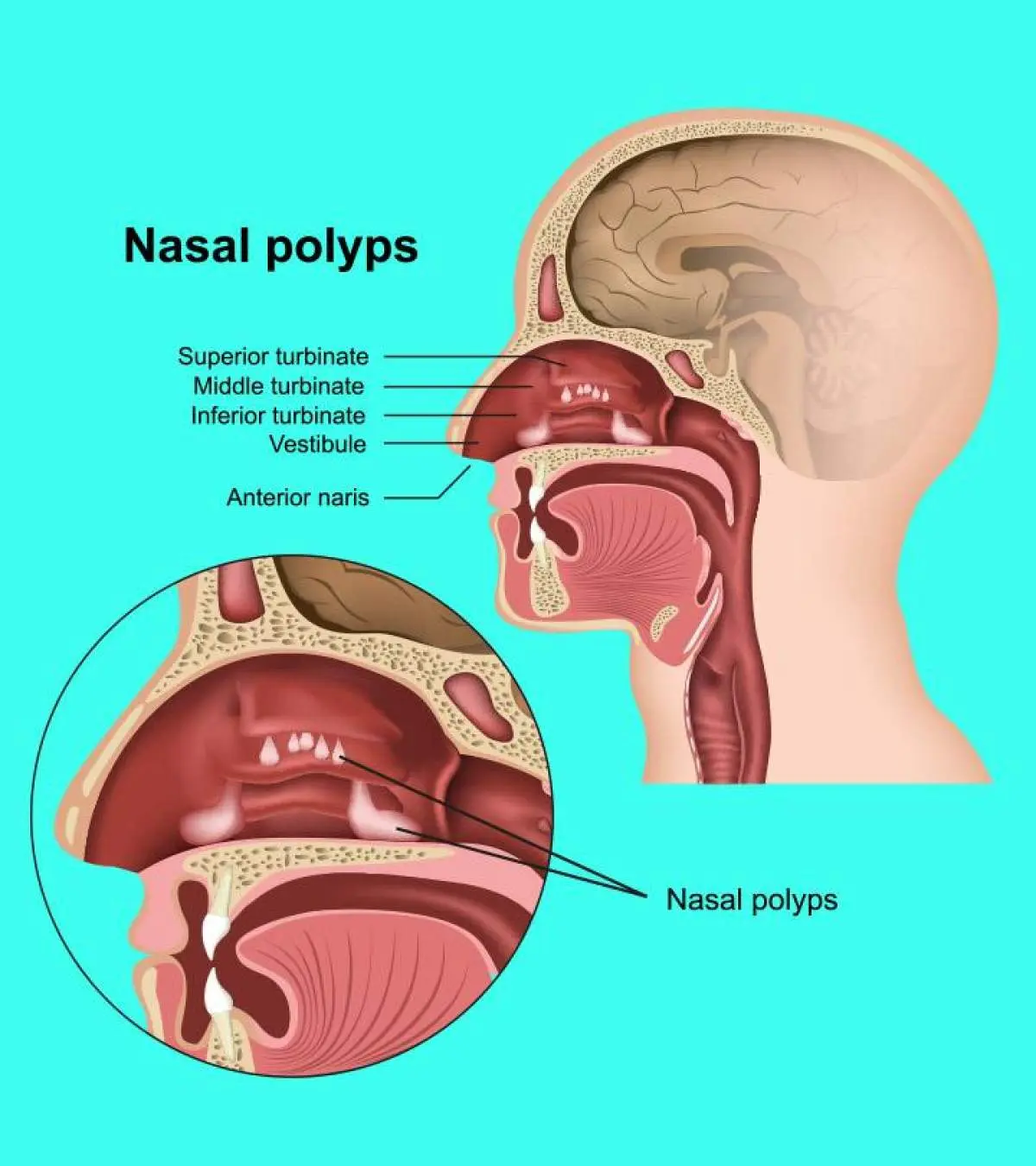
Nasal polyps are soft, painless, noncancerous growths that develop on the lining of the nasal passages or sinuses. They often result from chronic inflammation associated with asthma, recurring infection, allergies, drug sensitivity, or certain immune disorders. For many individuals, these growths lead to a significant decrease in quality of life, manifesting as a persistent runny nose, nasal congestion, and a diminished sense of taste or smell. Understanding how to reduce these polyps involves looking at both immediate medical interventions and long-term lifestyle modifications.
Pharmacological Treatments for Polyp Reduction
The primary goal of medical treatment is to reduce the size of the polyps or eliminate them entirely while also treating the inflammation that caused them. Medications are typically the first line of defense before any surgical options are considered.
Topical and Systemic Corticosteroids
Corticosteroids are the cornerstone of nasal polyp management. They work by reducing the inflammatory response in the nasal mucosa, which in turn leads to the shrinking of the polyps.
- Nasal Sprays: Daily use of corticosteroid nasal sprays, such as fluticasone (Flonase), mometasone (Nasonex), or budesonide, can significantly reduce polyp size. In 2026, many patients utilize breath-powered delivery systems or exhalation delivery systems (EDS) like Xhance, which help the medication reach the higher, deeper recesses of the nasal cavity where polyps frequently originate.
- Oral Steroids: If nasal sprays are ineffective, a short course of oral corticosteroids (like prednisone) may be prescribed. These are highly effective at shrinking large polyps quickly but are restricted to short-term use due to potential side effects, including weight gain, increased blood pressure, and bone density loss.
- Injectable Steroids: In specific clinical scenarios, a physician might inject a steroid directly into a large polyp to induce rapid shrinkage, though this is less common than systemic or spray delivery.
The Rise of Biologic Therapies
For patients with chronic rhinosinusitis with nasal polyps (CRSwNP) that does not respond to standard steroids, biologic medications have become a standard of care. These are monoclonal antibodies that target specific proteins in the immune system responsible for Type 2 inflammation.
- Dupilumab (Dupixent): This was the first biologic approved specifically for nasal polyps. It blocks IL-4 and IL-13 signaling, which are key drivers of the eosinophilic inflammation that causes polyps to grow.
- Omalizumab (Xolair): This targets IgE, making it particularly useful for patients whose polyps are closely linked to severe allergic asthma.
- Mepolizumab (Nucala): By targeting IL-5, this biologic reduces the number of eosinophils in the blood and nasal tissue, effectively reducing polyp mass over time.
Biologics are often administered via subcutaneous injection every two to four weeks. While expensive, they have revolutionized treatment by significantly reducing the need for repeat surgeries.
Mechanical and Surgical Interventions
When medication fails to provide sufficient relief or when polyps completely obstruct the airway, mechanical intervention becomes necessary.
Functional Endoscopic Sinus Surgery (FESS)
FESS is the standard surgical procedure for removing nasal polyps. A surgeon uses an endoscope—a thin tube with a light and camera—to visualize the sinus passages. Small instruments are used to remove the polyps and any bone fragments that may be obstructing the sinus openings.
In 2026, surgical techniques have become even more refined, often utilizing image-guided navigation systems that provide a real-time 3D map of the patient's anatomy. This increases precision and reduces the risk of complications near the eyes or brain. However, surgery is not a "cure." Without ongoing medical management, polyps have a high rate of recurrence because the underlying inflammatory tendency remains.
Steroid-Eluting Stents
Following surgery or as a standalone treatment for smaller recurrences, doctors may use steroid-eluting implants like Sinuva. These are small, expandable stents placed in the sinus cavity that slowly release mometasone furoate over several months. This localized, sustained delivery of medication helps keep the sinus passages open and prevents polyps from regrowing during the critical post-operative healing phase.
Lifestyle and Home Management Strategies
While medical and surgical interventions address existing polyps, lifestyle changes focus on maintaining a clear nasal environment and preventing the triggers that lead to inflammation.
Nasal Irrigation and Hygiene
One of the most effective ways to manage nasal health is through saline irrigation. Using a Neti pot or a squeeze bottle with a distilled saline solution helps physically wash away allergens, irritants, and thick mucus.
- The Science of Rinsing: Saline rinses help improve the function of the cilia (tiny hairs) in the nose, which are responsible for moving mucus and debris out of the sinuses.
- Safety Warning: It is critical to use only distilled, sterile, or previously boiled water. Using untreated tap water can lead to rare but fatal parasitic infections, such as Naegleria fowleri.
Environmental Control
Reducing exposure to airborne irritants can significantly lower the inflammatory load on your nasal passages.
- Humidification: Dry air can irritate the nasal lining. Using a humidifier, especially in the winter months, keeps the mucosa hydrated.
- Allergen Management: For those with allergic triggers, using HEPA air filters and encasing pillows/mattresses in dust-mite-proof covers is essential.
- Aspirin Sensitivity: A subset of patients suffers from Aspirin-Exacerbated Respiratory Disease (AERD), also known as Samter’s Triad (asthma, polyps, and aspirin sensitivity). These individuals must avoid aspirin and NSAIDs (like ibuprofen), as ingestion can trigger massive polyp growth and severe asthma attacks.
Comparing Nasal Polyp Treatment Options
The following table summarizes the primary methods used to reduce or eliminate nasal polyps as of 2026.
| Treatment Type | Mechanism of Action | Typical Duration | Primary Benefit |
|---|---|---|---|
| Nasal Steroid Sprays | Reduces localized inflammation | Long-term (Daily) | Cost-effective; minimal side effects |
| Oral Corticosteroids | Systemic anti-inflammatory | 1–2 weeks | Rapidly shrinks large polyps |
| Biologics (Injections) | Targets specific immune proteins | Ongoing (Monthly) | High efficacy for refractory cases |
| FESS (Surgery) | Physical removal of tissue | Single procedure | Immediate clearance of obstruction |
| Saline Irrigation | Mechanical cleansing | Daily | Flushes allergens; thins mucus |
| Steroid Stents | Sustained local drug delivery | 3–6 months | Prevents post-surgical recurrence |
Addressing the Underlying Causes
To permanently reduce the impact of nasal polyps, one must address the comorbidities. Asthma management is paramount; poorly controlled asthma often correlates with more aggressive polyp growth. Similarly, treating chronic fungal or bacterial infections is necessary, as the presence of biofilms or "superantigens" can drive the persistent immune response that fuels polyposis.
Recent research into the nasal microbiome has also suggested that a lack of microbial diversity in the sinuses may contribute to inflammation. While probiotic nasal sprays are still in the clinical trial phase in 2026, maintaining general immune health through a balanced, anti-inflammatory diet rich in antioxidants (like those found in leafy greens and berries) is a recommended supportive measure.
Frequently Asked Questions
Can nasal polyps be reduced naturally without surgery?
Yes, many patients successfully reduce the size of nasal polyps using a combination of high-volume saline rinses and consistent use of corticosteroid nasal sprays. However, "natural" remedies alone, such as essential oils or herbal supplements, lack robust clinical evidence for significant polyp reduction. Managing environmental triggers like dust, mold, and pet dander is the most effective "non-drug" way to support polyp shrinkage.
Do nasal polyps always grow back after removal?
Unfortunately, recurrence is common. Studies indicate that without post-operative medical management (like steroid sprays or biologics), polyps may return in up to 50% of patients within a few years. The surgery removes the growth, but it does not change the genetic or immunological predisposition to inflammation. This is why "medical therapy for life" is often the recommendation for those prone to polyposis.
Will my sense of smell return once the polyps are reduced?
In many cases, yes. Anosmia (loss of smell) occurs because polyps physically block odor molecules from reaching the olfactory nerves at the top of the nasal cavity. As polyps shrink through steroids or biologics, airflow is restored to these nerves. However, if the inflammation has been chronic for many years, there may be some permanent damage to the olfactory sensors, leading to only a partial recovery of smell.
Are there specific foods I should avoid to help reduce polyps?
For most people, there is no specific "nasal polyp diet." However, for those with Aspirin-Exacerbated Respiratory Disease (AERD), avoiding foods high in salicylates—such as certain berries, spices, and tea—may provide relief, though this is usually done under the guidance of a specialist. More broadly, an anti-inflammatory diet that limits processed sugars and trans fats can help lower overall systemic inflammation.
When should I see a doctor about my nasal polyps?
You should consult an Ear, Nose, and Throat (ENT) specialist if you experience persistent nasal congestion for more than two weeks, a total loss of smell, frequent sinus infections, or "double vision" or swelling around the eyes. A specialist can perform a nasal endoscopy to confirm the presence of polyps and rule out more serious conditions, such as inverted papillomas or tumors.
Practical Recommendation for Action
If you suspect you have nasal polyps, the most effective first step is to schedule an appointment with an Otolaryngologist (ENT) for a nasal endoscopy. In the meantime, start a daily regimen of high-volume saline irrigation using distilled water to clear the nasal passages. If your symptoms are severe, ask your doctor about biologic therapies, as these have become significantly more accessible in 2026 and offer a non-surgical alternative for those with chronic, recurring polyposis. Consistent adherence to topical medication is the single most important factor in preventing the need for future surgery.
Image Gallery