Ultimate Guide to Judiciary Case Search in 2026
Navigating the American legal system requires timely and accurate access to public court records. A judiciary case search allows citizens, journalists, legal professionals, and researchers to locate active and archived litigation acros...
Navigating the American legal system requires timely and accurate access to public court records. A judiciary case search allows citizens, journalists, legal professionals, and researchers to locate active and archived litigation across municipal, state, and federal jurisdictions. In 2026, court transparency has reached new milestones through the expansion of centralized digital portals, advanced natural language search capabilities, and standardized electronic filing platforms. Understanding how to execute an efficient case search saves time, minimizes procedural errors, and ensures that you retrieve verified public data directly from official court repositories.
Contents
Modernizing Public Access to Court Dockets
The landscape of judicial record retrieval has evolved significantly from the days of physical paper archives stored in county basement vaults. Today, state unified judicial systems and federal courts utilize integrated case management systems to publish dockets online. However, the transition to digital records has also introduced a fragmented ecosystem where federal, state, and local courts maintain separate databases.
Federal matters are universally tracked through the Public Access to Court Electronic Records system, commonly known as PACER, which provides comprehensive coverage of U.S. District Courts, Bankruptcy Courts, and Courts of Appeals. Conversely, state-level judiciary case searches are governed by individual state administrative offices of the courts. This means a search in Texas relies on the Office of Court Administration infrastructure, while California relies on specific county superior court portals or statewide unified case index tools.
Core Components of a Judicial Record
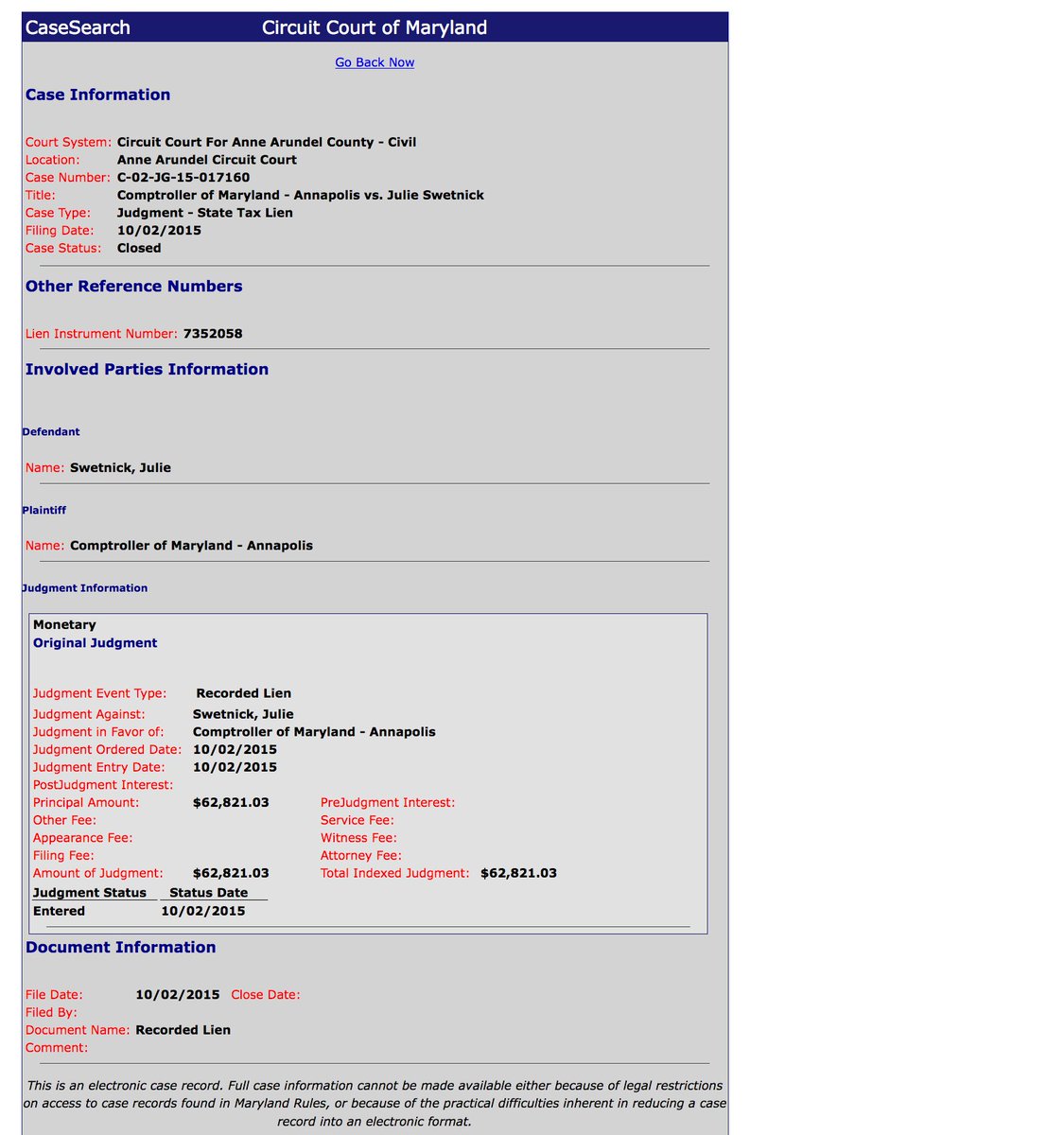
When initiating a judiciary case search, knowing what specific data points comprise a complete court file helps streamline the query process. A standard public case record generally contains:
- Case Number: The unique alphanumeric identifier assigned by the court clerk upon filing.
- Docket Sheet: A chronological, itemized ledger listing every motion, order, hearing, and filing submitted throughout the lifecycle of the litigation.
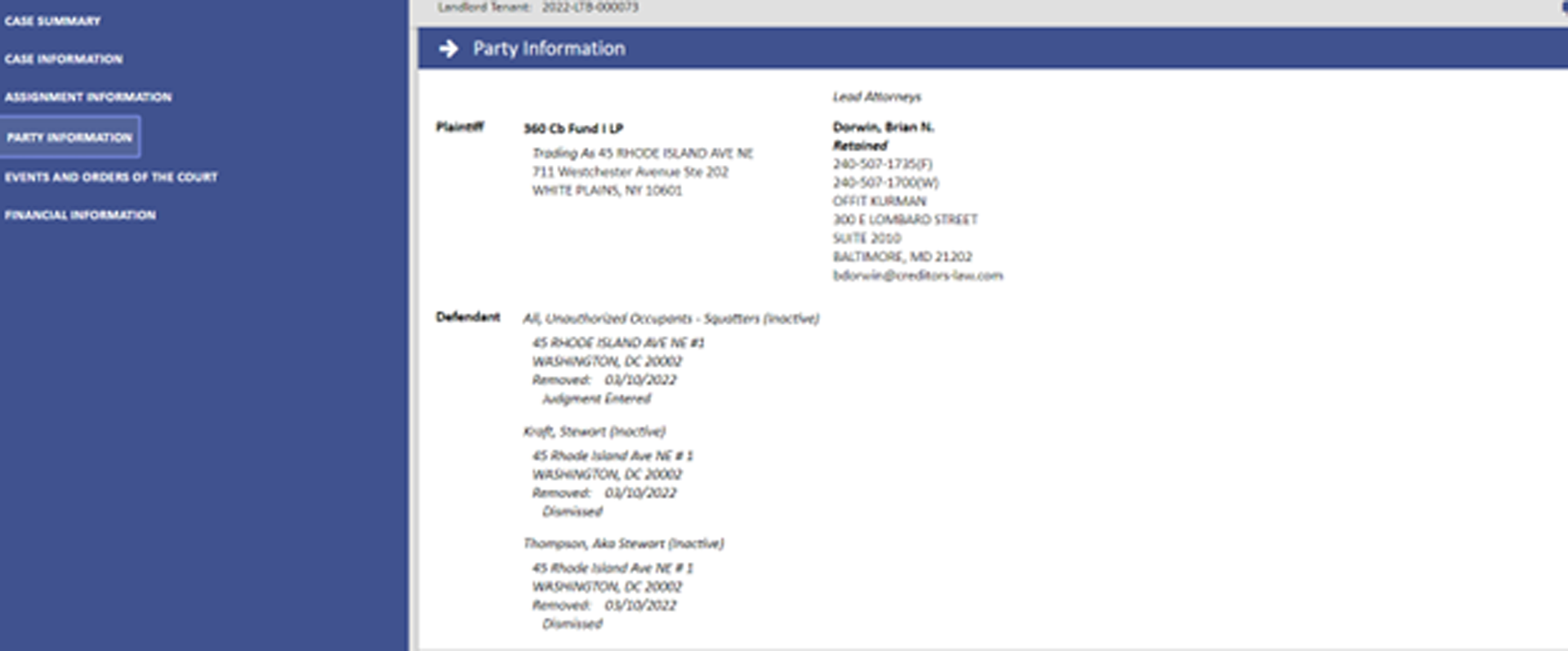
- Parties of Interest: The formal identification of plaintiffs, defendants, petitioners, respondents, and their respective legal counsel.
- Minute Entries: Brief, official summaries prepared by the court clerk or courtroom deputy documenting what occurred during a hearing or trial.
- Judicial Orders and Opinions: Written rulings issued by the presiding judge or magistrate, detailing the legal reasoning and final disposition of motions or the entire case.
Step-by-Step Methodology for Conducting a Judiciary Case Search
Executing a successful search demands a structured, methodical approach. Vague queries often yield hundreds of irrelevant results, particularly in high-volume metropolitan courts. Follow this sequential workflow to isolate the exact case file you require.
- Determine the Proper Jurisdiction: Identify whether the matter falls under federal, state, county, or municipal authority. Federal questions and bankruptcy filings belong in federal portals, whereas family law, traffic violations, and civil torts typically reside in county or state municipal courts.
- Select the Authorized Portal: Avoid third-party data broker sites that charge exorbitant fees for outdated public information. Navigate directly to official .gov domains, state judicial branch websites, or authorized federal systems.
- Gather Search Parameters: Compile as many known identifiers as possible before initiating the search. Essential criteria include the full legal name of the plaintiff or defendant, the exact case number if known, the filing year range, and the presiding judge or court division.
- Execute Advanced Query Operators: Utilize quotation marks for exact name matches (e.g., "Johnathan Michael Doe") and apply date filters to narrow down large pools of homonyms.
- Review Docket Entries and Download Source Documents: Once you locate the correct file, examine the docket sheet to identify active filings, and download verified PDF copies of the necessary motions or final judgements.
Federal Versus State Judiciary Search Infrastructure
A critical hurdle for researchers is distinguishing between federal and state judicial frameworks. The rules governing public access, privacy redactions, and fee structures differ markedly between these jurisdictions.
| Feature / Metric | Federal Courts (PACER / NextGen) | State & County Courts (Varies by State) |
|---|---|---|
| Primary Scope | Bankruptcy, federal crimes, civil rights violations, maritime law, interstate disputes. | Family law, probate, local ordinances, state criminal trials, civil torts under state law. |
| Fee Structure | Per-page fee for document viewing (with quarterly fee waivers for low-volume users). | Varies widely; many state portals offer free basic docket searches with nominal fees for certified copies. |
| Identifier Format | Standardized federal format (e.g., 1:24-cv-01234). | Varies by state and county (e.g., CV-2026-98765 or CR-26-0012). |
| Privacy Redactions | Strict federal rules requiring the redaction of Social Security numbers and minor names. | Governed by individual state sunshine laws and judicial administrative rules. |
Evaluating Public Search Portals: Advantages and Limitations
Relying on digital court portals offers unmatched convenience, but users must remain aware of systemic limitations and data latency issues.
Advantages of Digital Court Searches
- Accessibility: 24/7 access to court dockets from any internet-connected device without traveling to a physical courthouse.
- Transparency: Real-time visibility into judicial proceedings, promoting public accountability and open governance.
- Efficiency: Ability to track multiple cases simultaneously through automated alerts and RSS or email docket update subscriptions.
Limitations and Common Pitfalls
- Data Lag: Newly filed documents or freshly entered minutes may take anywhere from a few hours to several business days to appear in the online index.
- Paywalls and Fees: While basic case searches are frequently free at the state level, federal PACER and certain state systems assess per-page retrieval charges.
- Name Ambiguity: Common names frequently generate extensive search results, requiring manual cross-referencing with birth dates, addresses, or attorney of record details.
Expert Strategies for Complex Case Research
When standard name and number searches fail, professional legal researchers deploy advanced investigative techniques to uncover elusive judiciary files.
Utilize Alternative Identifiers: If a party's name yields too many results, search instead by the attorney's state bar number or the law firm of record. Most court databases allow searches indexed by legal counsel, instantly pulling up every active litigation associated with a specific advocate.
Monitor Appeal and Transfer Dockets: If a trial court case was appealed or transferred to a higher appellate court, the original case number often changes. Always check the appellate court tracking system using the lower court's docket number as a cross-reference.
Understand Local Rule Redactions: Remember that certain sensitive filings—such as juvenile records, sealed adoption files, or grand jury indictments—are legally restricted from public view. If a judiciary case search returns an error or indicates restricted access, a formal motion to unseal or a physical trip to the courthouse clerk's office may be required under specific statutory guidelines.
Frequently Asked Questions About Judiciary Case Searches
What is a judiciary case search?
A judiciary case search is the process of querying official court databases to locate public records, dockets, filings, and judgments associated with legal proceedings. It allows interested parties to track the progress and history of civil, criminal, and administrative litigation.
Are all court records available online for free?
No, public availability and cost vary significantly by jurisdiction. While many state and county courts provide basic docket searches at no charge, federal systems and certain state platforms charge nominal per-page fees for viewing complete document PDFs.
How do I find a case if I do not know the case number?
You can search court databases using the full legal name of the plaintiff or defendant, the approximate filing date range, or the name of the presiding judge. Entering additional details like the attorney of record helps filter out common names.
Why is a specific court case missing from the online search portal?
Cases may be absent due to standard processing delays, data entry lags by court clerks, or statutory sealing orders. Sensitive matters involving juveniles, trade secrets, or ongoing criminal investigations are frequently restricted from public online databases.
Can I access federal and state court records using the same website?
No, federal courts and state court systems operate entirely separate administrative networks. Federal cases require systems like PACER, whereas state and local matters require searches through the specific state's unified judicial portal or county clerk website.
Image Gallery