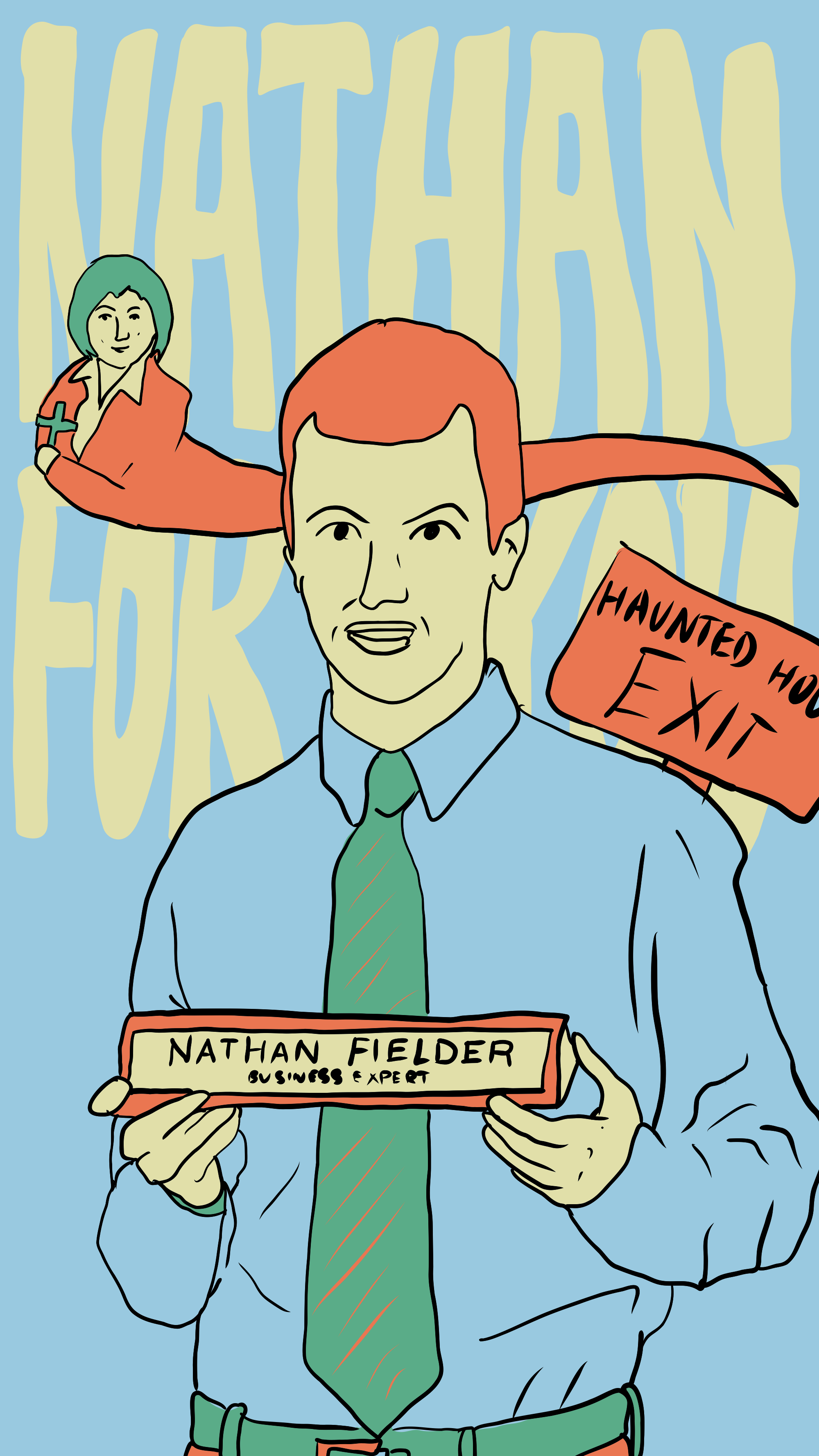
What Happened to Maci from Nathan for You: Exploring the Life of a Reality TV Participant
Maci, the participant featured in the "Nathan for You" episode titled "The Claw of Shame," became a memorable figure in the cult-classic comedy series due to her interactions with Nathan Fielder. Following her brief, highly publicized...
Maci, the participant featured in the "Nathan for You" episode titled "The Claw of Shame," became a memorable figure in the cult-classic comedy series due to her interactions with Nathan Fielder. Following her brief, highly publicized appearance on the show in 2014, Maci has largely retreated from the public eye, maintaining a private life removed from the scrutiny of television fame.
Contents
Contextualizing the Appearance on Nathan for You
Nathan for You, which ran on Comedy Central from 2013 to 2017, was a docu-reality series where Nathan Fielder—playing an exaggerated, socially awkward version of himself—would propose unconventional and often absurd business strategies to struggling small-business owners. In the Season 2 episode "The Claw of Shame," Fielder attempted to use a crane game to generate publicity for a local business, eventually involving a public spectacle that required a participant to escape a cage.
Maci was brought into the fold as a participant in a segment designed to create a sense of urgency and emotional stakes for the audience. The show’s methodology often involved placing real people in surreal scenarios. In this specific instance, Maci was tasked with being part of the elaborate stunt, providing a grounded human reaction to Fielder’s increasingly bizarre logistical demands. Because Nathan for You intentionally blurred the lines between documentary reality and scripted comedy, viewers were often left wondering how much of the performance was genuine and how much was guided by production.
The Aftermath of the Episode
Following the airing of "The Claw of Shame," the internet culture of the mid-2010s latched onto the personalities featured in the show. Fans often sought out the social media profiles of "Nathan for You" participants to see how their lives progressed after the cameras stopped rolling.
Unlike some other individuals featured on the show who embraced the newfound notoriety or attempted to leverage their fifteen minutes of fame into further media projects, Maci chose a trajectory of privacy. There is no evidence in the public record of her pursuing a career in acting, influencer marketing, or reality television. Her experience serves as an example of a common occurrence in docu-reality television: a participant appears for a singular, intense moment of cultural relevance and subsequently returns to their pre-existing personal and professional life.
For many viewers, the question "What happened to Maci?" stems from a curiosity about the ethics of reality TV. The show’s impact on its participants remains a subject of ongoing debate among critics and fans. However, in the case of Maci, the silence surrounding her post-show life suggests a clear boundary established between her personal identity and the caricature presented on screen.
Reality Television Participant Dynamics
To understand why viewers frequently ask about the status of participants like Maci, it is necessary to examine the nature of the "everyman" in reality comedy.
| Aspect | Reality Comedy Participants | Documentary Subjects |
|---|---|---|
| Primary Goal | Entertainment and comedy | Information and record |
| Screen Time | Often brief, highly edited | Sustained focus |
| Follow-up | Rare, usually left to fan inquiry | Common in investigative pieces |
| Publicity | Usually an unintended side effect | Often the intended objective |
When a show like Nathan for You relies on the participation of non-actors, it operates within a legal and ethical framework that requires participant consent. While the finished product may portray these individuals in ways that seem exploitative or absurd for comedic effect, the legal reality is that these individuals were participating in a professional production. Once the contract is fulfilled and the episode is broadcast, the production company has no further obligation to follow up on the individual's life, and the individual is under no obligation to engage with the public.
Why Information Remains Scarce
The lack of public information regarding Maci is not necessarily indicative of a negative outcome, but rather a testament to the preservation of her privacy. In the era of widespread social media documentation, the choice to remain offline or to keep personal accounts private is a significant, conscious decision.
- Desire for Normalcy: Many participants in reality shows find the level of public interest overwhelming and choose to deactivate or restrict their public profiles to regain control over their personal narratives.
- Professional Discretion: Individuals may avoid associating their online presence with their reality television appearance to prevent potential employers or clients from making judgments based on a scripted comedic performance.
- The Transient Nature of Internet Fame: The "Nathan for You" audience, while dedicated, represents a specific niche. As the show moved into its later seasons and eventually concluded, the cultural demand for updates on minor figures faded, allowing participants to move forward without the "reality star" label.
Common Questions Regarding Participants in Nathan for You
Were the participants in Nathan for You aware of the show's premise? Yes, all participants signed releases and were informed that they were participating in a television production. However, the exact nature of the segment’s comedic "punchline" was often withheld to ensure authentic, unscripted reactions.
Did Maci receive compensation for her appearance? While exact compensation details for Nathan for You participants are rarely disclosed, industry standard for reality segments typically involves a flat fee or honorarium for the participant’s time, regardless of the ultimate tone of the edit.
Are there updates on other participants from the show? Most participants from the series have not sought public updates. Some, like the "Ghost Realtor" or the subjects of the "Dumb Starbucks" stunt, achieved temporary viral status, but the vast majority of non-professional subjects have returned to their private lives.
How does the show's style impact the participants' legacies? The show’s specific style—using editing to frame participants as the butt of a joke—often leads to a lasting digital footprint that the participant did not necessarily consent to in terms of tone. This is why many choose to avoid the public eye post-broadcast.
Is there any way to contact these participants? There is no official channel for contacting participants of Nathan for You. Attempting to locate individuals from years-old reality television episodes can often lead to harassment, and privacy guidelines discourage the publication of private contact information.
Navigating the Legacy of Reality TV Appearances
If you are a fan of Nathan for You seeking closure on the show’s participants, it is helpful to shift the perspective from "what happened to them" to an appreciation of their role in the show's artistic output. The show was a sociological experiment disguised as a business consultancy. The participants, whether they were the "hero" of a segment or the source of the comedy, provided the essential human element that made the show’s satire work.
Respecting the privacy of those who appeared in these segments is the most responsible way to engage with the legacy of the show. By moving away from seeking personal updates on former participants, audiences allow these individuals to define their own lives outside the context of the series. The lack of information is not a missing piece of a narrative; it is the natural conclusion to an experience that was never intended to dictate the rest of a participant's life.
For those interested in the craft behind the show, focus instead on the analytical breakdowns of the production techniques, the legal history of the series, and the critical reception of Nathan Fielder’s later works. These avenues provide a deeper, more constructive look at the series without intruding on the privacy of individuals who are not public figures.
Image Gallery