West Village Housing: A 2026 Guide to Rentals, Sales, and Market Dynamics
West Village housing remains the most coveted and supply-constrained residential market in New York City in 2026. Securing a home here requires navigating a landscape dominated by historic townhouses, strict co-op boards, and limited n...
West Village housing remains the most coveted and supply-constrained residential market in New York City in 2026. Securing a home here requires navigating a landscape dominated by historic townhouses, strict co-op boards, and limited new development, with average one-bedroom rentals starting at $5,200 and sales prices often exceeding $2,800 per square foot.
Contents
The West Village is not merely a neighborhood; it is a protected architectural sanctuary. Bound roughly by 14th Street to the north, Houston Street to the south, the Hudson River to the west, and Seventh Avenue (or sometimes Sixth Avenue, depending on the broker) to the east, its housing stock is defined by its refusal to follow the Manhattan grid. This geographic eccentricity, combined with some of the most stringent landmarking protections in the United States, creates a housing market where demand perpetually outstrips supply, maintaining property values even during broader economic fluctuations.
The Architecture of West Village Housing
Understanding the housing options in the West Village requires a grasp of the neighborhood's structural history. Unlike the high-rise corridors of Midtown or the Financial District, the West Village is characterized by low-rise scales and historical integrity.
Historic Townhouses and Brownstones
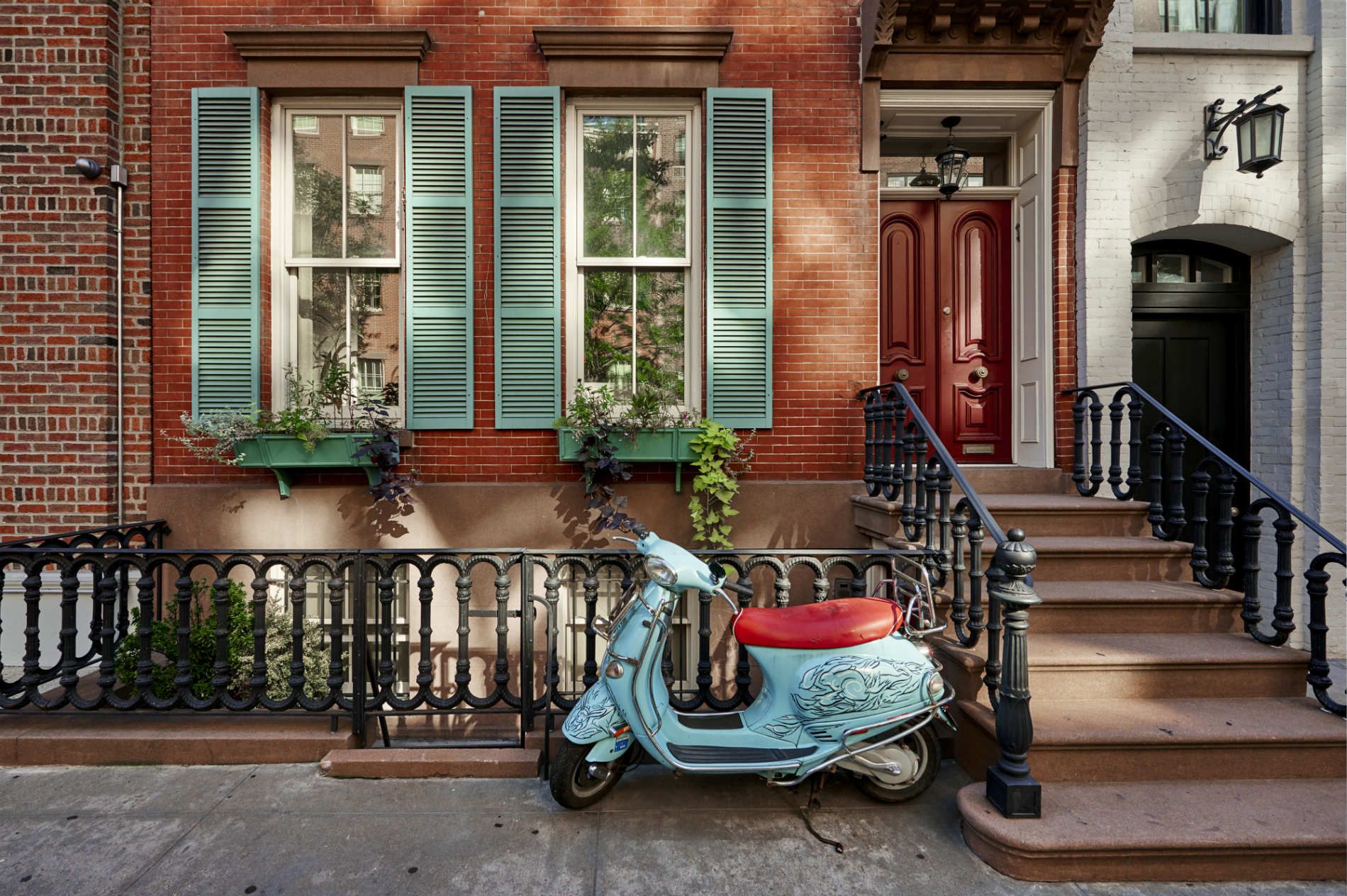
The pinnacle of West Village housing is the single-family townhouse. Most of these structures date back to the mid-to-late 19th century, featuring Greek Revival or Italianate federal styles. In 2026, these properties are rarely on the open market; when they are, they command prices ranging from $10 million to over $40 million. Many have been converted from multi-unit rentals back into grand single-family residences, a trend that has actually reduced the total "unit count" in the neighborhood over the last decade, further tightening the rental market.
Pre-War Co-ops
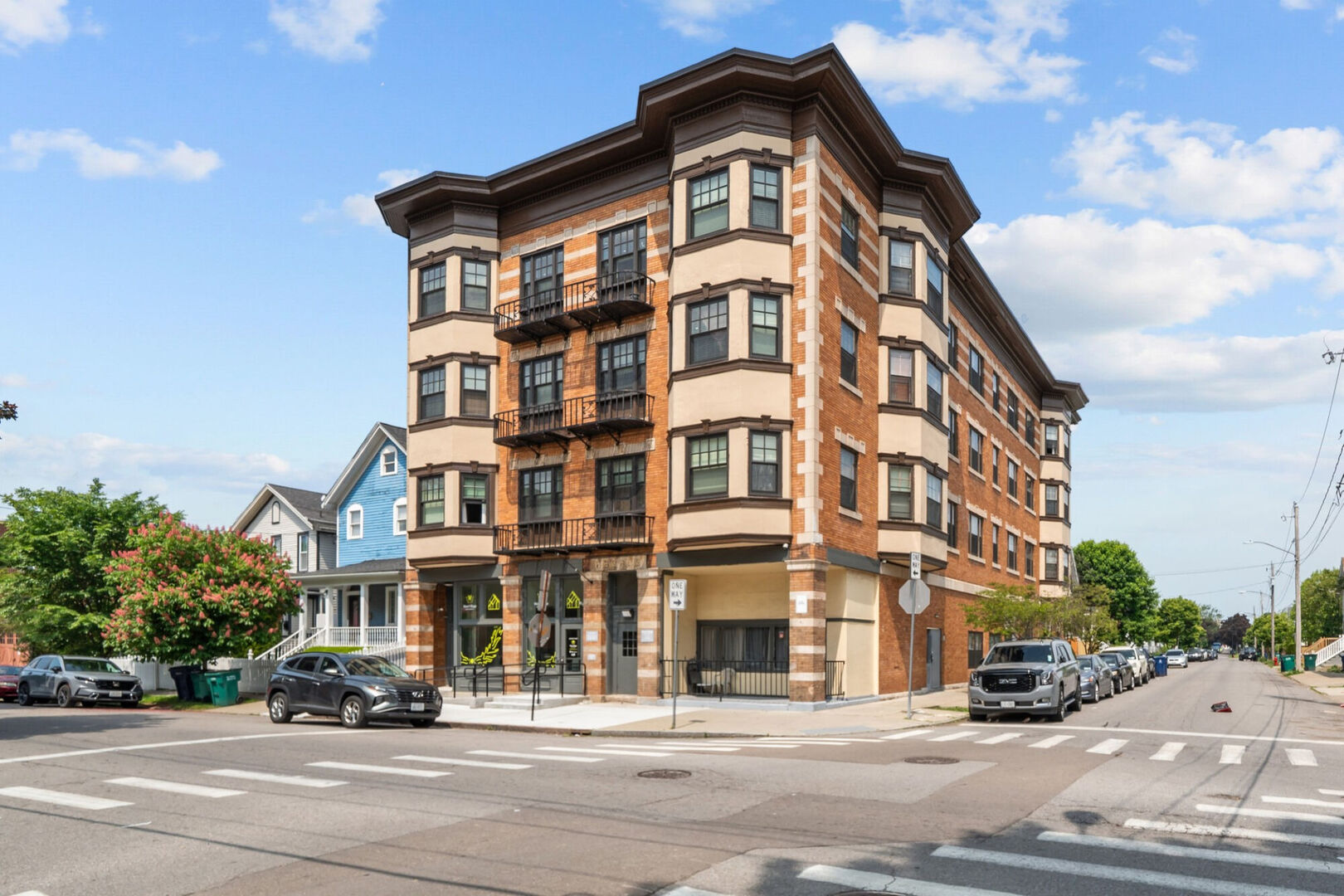
Cooperative apartments (co-ops) make up the largest share of the West Village’s "affordable" luxury inventory. These buildings, often former tenements or industrial lofts, require buyers to be vetted by a board of directors. The West Village co-op market is notoriously rigorous. Boards often demand a debt-to-income ratio below 25% and significant post-closing liquidity—sometimes enough to cover two to three years of maintenance and mortgage payments.
Luxury Condominiums
Because the Greenwich Village Historic District covers most of the neighborhood, new "ground-up" condominium construction is rare. However, the edges of the neighborhood—specifically the Far West Village along the Hudson River and the border of the Meatpacking District—have seen the rise of ultra-luxury glass towers. These buildings offer amenities that historic brownstones cannot, such as 24-hour doormen, fitness centers, and automated parking systems.
Market Trends and Pricing in 2026
As of 2026, the West Village continues to set benchmarks for Manhattan real estate. While the broader New York market has seen a stabilization of interest rates, the "scarcity premium" of the West Village remains high.
Rental Market Overview
The rental market in the West Village is characterized by its speed. In 2026, a well-priced apartment typically stays on the market for fewer than 10 days.
- Studios: Expect to pay between $3,800 and $4,800. These are often in walk-up buildings with minimal amenities.
- One-Bedrooms: Prices range from $5,200 for a walk-up to $8,500+ for a doorman elevator building.
- Two-Bedrooms: Rarely found for under $7,500, with luxury units easily reaching $15,000 per month.
Sales Market Overview
The sales market remains a "seller's market" due to the lack of inventory. The influx of international wealth and tech-sector executives has kept the price per square foot (PPSF) at record levels.
- Co-ops: Average PPSF sits around $1,800–$2,200.
- Condos: Average PPSF often exceeds $3,000, particularly for units with river views or outdoor space.
| Housing Type | Median Monthly Rent (2026) | Median Sales Price (2026) | Primary Benefit |
|---|---|---|---|
| Walk-up Studio | $4,200 | $650,000 (Co-op) | Historical charm, lower entry cost |
| Doorman 1BR | $6,800 | $1,400,000 (Co-op) | Security, package handling |
| Luxury Condo (2BR) | $14,000 | $4,500,000 | Modern amenities, easier approval |
| Townhouse | $25,000+ | $15,000,000+ | Total privacy, outdoor space |
The Impact of Local Regulations
Housing in the West Village is heavily influenced by the Landmarks Preservation Commission (LPC). Because the neighborhood is largely landmarked, any exterior modification—including window replacements or the installation of central air conditioning units—requires approval. This preserves the aesthetic value but increases the cost of renovation and maintenance for owners.
Furthermore, in 2026, buildings must comply with the strict emissions limits set by Local Law 97. For the older housing stock of the West Village, this has led to significant capital assessments as co-op boards update ancient heating systems to avoid steep fines. Prospective buyers must scrutinize a building’s "Energy Grade" and financial reserves to ensure they aren't stepping into a massive upcoming assessment.
Navigating the Application Process
Securing a home in the West Village requires more than just high income; it requires meticulous preparation.
The "40x Rule"
Most landlords and management companies in the West Village strictly enforce the 40x rule: your annual gross income must be at least 40 times the monthly rent. For a $5,500 one-bedroom, this means a minimum salary of $220,000. If you do not meet this, a guarantor (who usually must earn 80x the rent) or a third-party institutional guarantor service may be required.
Co-op Board Packages
If you are buying a co-op, the "Board Package" is your greatest hurdle. It typically includes:
- Full Financial Disclosure: Two years of tax returns, bank statements, and investment portfolios.
- Professional and Personal References: Letters from employers and long-term associates.
- The Interview: A formal meeting with the board where your lifestyle and "neighborly" qualities are assessed.
The Brokerage Landscape
Unlike other cities where you might search on your own, the West Village rental market is heavily broker-driven. "No-fee" apartments exist but are often priced higher to compensate for the landlord paying the commission. A standard broker fee in 2026 remains 15% of the annual rent.
Micro-Neighborhoods within the West Village
The housing experience varies significantly depending on which "pocket" of the West Village you choose:
- The Gold Coast: The area between Fifth Avenue and University Place (technically Greenwich Village but often lumped in) features the grandest pre-war apartment buildings.
- The Far West Village: West of Hudson Street. This area is quieter, closer to the Hudson River Park, and contains a mix of ultra-modern condos and older "artist lofts."
- The Meatpacking Border: Near Gansevoort Street. This is the loudest area, characterized by high foot traffic, nightlife, and modern industrial-style apartments.
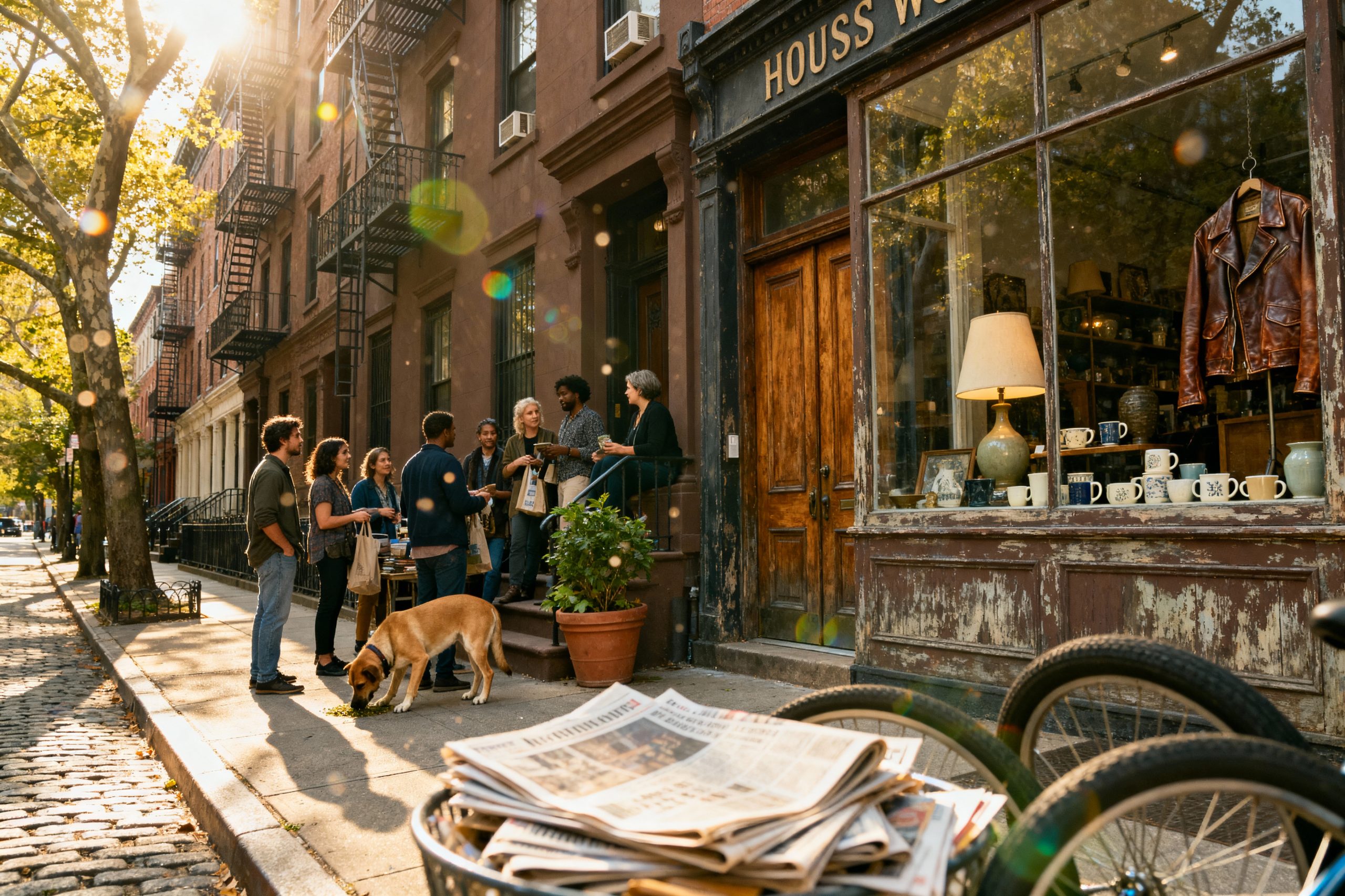
- The "Heart": Streets like Perry, Charles, and West 10th. These are the classic, tree-lined, cobblestone streets seen in films. Housing here is almost exclusively small-scale walk-ups and townhouses.
Challenges of West Village Living
Prospective residents should be aware of the practical limitations of housing in this district.
- Space Constraints: Most apartments are smaller than their equivalents in the Upper West Side or Brooklyn. Closets are often a luxury.
- Infrastructure: Older buildings may have lower water pressure, limited electrical capacity for modern appliances, and no elevators.
- Noise: While some streets are quiet, the proximity to popular restaurants and bars means that street noise is a constant factor, especially on lower floors.
- Flooding Risk: Since the West Village is adjacent to the Hudson River, buildings in the Far West (Zone 1) must be vetted for flood insurance and post-Hurricane Sandy resiliency upgrades.
Frequently Asked Questions
Is it possible to find rent-stabilized housing in the West Village?
While extremely rare, rent-stabilized units do exist in older walk-up buildings. These are usually passed down or occupied by long-term residents. In 2026, most new listings are "fair market" units. You can check the NYC Rent Guidelines Board for more on current status and rights.
Are pets generally allowed in West Village housing?
It depends on the building type. Most condominiums and rental buildings are pet-friendly. However, many smaller co-op buildings have strict "no-dog" policies or weight limits. Always verify the building's specific bylaws before starting a board application.
What is the average square footage of a 1BR in the West Village?
A typical West Village one-bedroom is roughly 550 to 700 square feet. "Luxury" 1BRs in newer developments may reach 800-900 square feet but come with a significant price premium.
How has the "Good Cause Eviction" law affected West Village rentals in 2026?
The legislation has provided more lease renewal security for tenants in non-owner-occupied buildings. However, since the West Village has many small buildings (under 10 units) where the landlord lives on-site, a significant portion of the inventory is exempt from these protections, allowing for more flexible market-rate adjustments.
Final Recommendations for Prospective Residents
If you are looking for West Village housing in 2026, your first step should be to secure a pre-approval letter (for buyers) or have your "renter's folder" (PDFs of tax returns, pay stubs, and photo ID) ready to send the moment you finish a viewing. In this neighborhood, hesitation usually results in a lost opportunity. For those prioritizing space and amenities, focus your search on the Far West Village. For those seeking the "quintessential" NYC experience, prioritize the landmarked core between 7th Avenue and Hudson Street, but be prepared for the logistical challenges of older building infrastructure.
Image Gallery