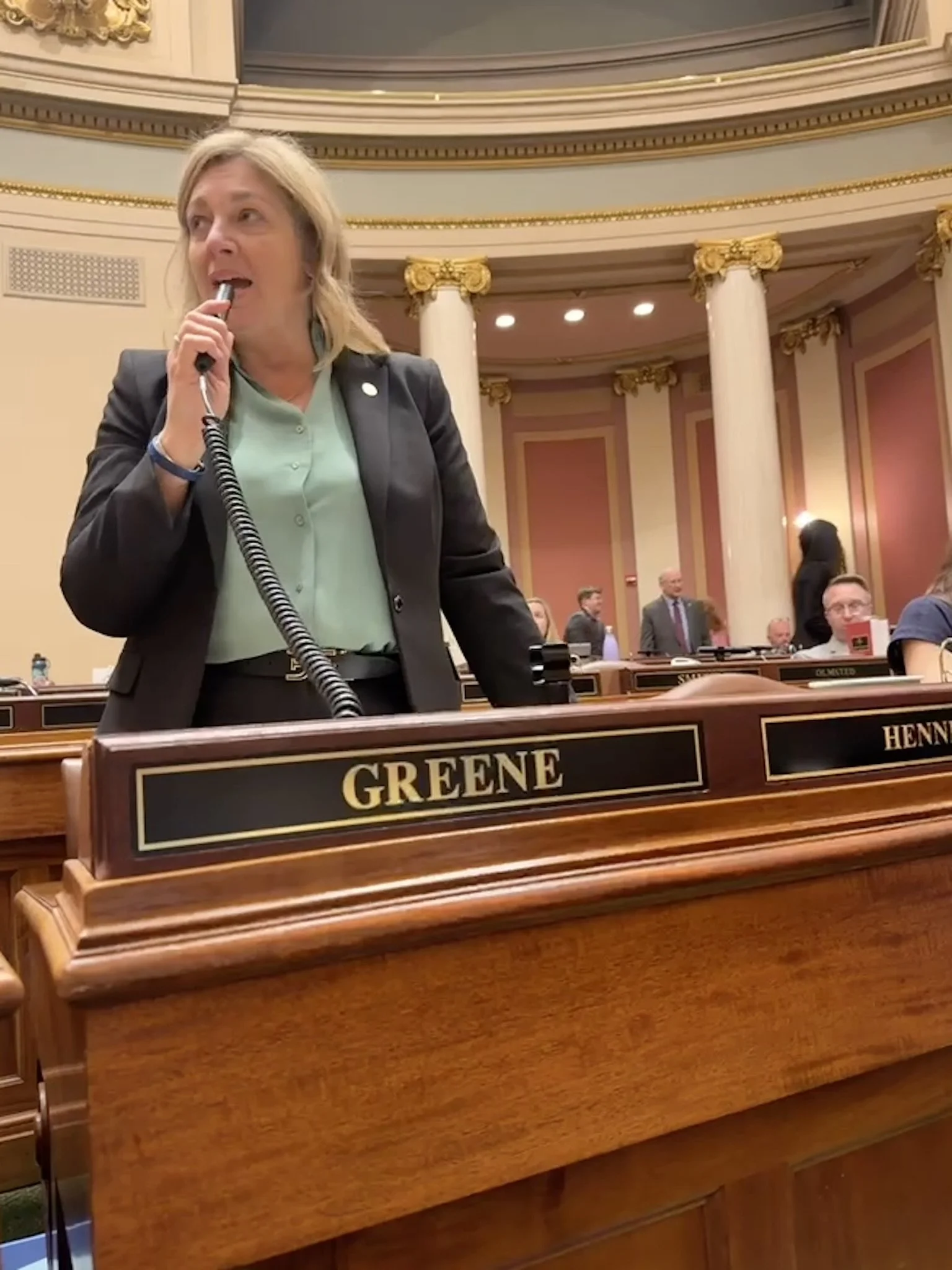
Julie Green Rumble Channel 2026: Content Analysis, Platform Mechanics, and Audience Reach
(Note: This article focuses on the digital media presence of independent commentator Julie Green and her broadcasting distribution via the Rumble video platform in 2026.) The digital media landscape of 2026 relies heavily on decentrali...
(Note: This article focuses on the digital media presence of independent commentator Julie Green and her broadcasting distribution via the Rumble video platform in 2026.)
Contents
The digital media landscape of 2026 relies heavily on decentralized video hosting platforms that prioritize alternative creator autonomy and minimal content moderation. Within this ecosystem, independent broadcasters have carved out substantial audiences by leveraging platforms designed to resist corporate de-platforming. The convergence of independent commentary channels and alternative video networks has transformed how specific demographics consume news, opinion, and community commentary. Understanding this phenomenon requires an examination of platform mechanics, content strategies, audience demographics, and the broader technical architecture supporting these broadcasts in 2026.
Evolution of Alternative Broadcasting Networks in 2026
The migration of independent media creators from mainstream video platforms to specialized alternatives has accelerated over recent years. Platforms like Rumble have established themselves as essential infrastructure for commentators who face monetization restrictions or visibility suppression on legacy networks. By 2026, these networks have matured from rudimentary video hosts into robust streaming ecosystems featuring live-chat integration, subscription models, and decentralized content delivery networks (CDNs).
For commentators operating within this space, the choice of platform is driven by technical and philosophical considerations. Mainstream platforms implement algorithmic curation that frequently downgrades political or polarizing discourse. Conversely, alternative networks utilize discovery algorithms that favor chronological feeds, subscription-based notifications, and community-driven curation. This shift ensures that creators maintain a direct connection with their subscriber base without intermediary interference.
- Decentralized Hosting: Minimizes single points of failure and protects against abrupt channel terminations.
- Monetization Diversity: Incorporates direct tipping, subscription tiers, and crypto-adjacent funding options alongside traditional ad-rev share.
- Bandwidth Optimization: Employs advanced adaptive bitrate streaming to deliver high-definition live broadcasts to users with varying internet speeds.
- Community Governance: Utilizes chat moderation tools managed directly by creator-appointed teams rather than centralized corporate trust and safety boards.
Content Strategy and Production Framework for Independent Media
Producing daily or weekly broadcasts on alternative streaming platforms demands a structured technical and logistical workflow. Creators must balance rapid response times to current events with high-production audio and video standards. The technological barrier to entry has lowered significantly by 2026, allowing independent studios to broadcast in 4K resolution with multi-camera setups and real-time graphic overlays.
The programming structure typically involves long-form discussions, live viewer Q&A sessions, and guest interviews. Unlike traditional broadcast television constrained by rigid time slots, independent streaming permits flexible runtimes that accommodate deep-dive analyses. Creators utilize specialized streaming software encoders, redundant internet connections, and professional audio processors to eliminate latency and broadcast interruptions during peak traffic hours.
Operational Standard for Live Streaming: Maintaining broadcast continuity requires dual-redundant fiber-optic or 5G bonded internet connections, hardware-based video encoding units, and cloud-based backup recording systems to protect against local hardware failure.
Audience Demographics and Behavioral Analytics on Rumble
The audience consuming content on alternative video networks exhibits distinct behavioral patterns compared to mainstream platform users. Viewers in this segment actively seek out alternative perspectives, demonstrating high loyalty to specific creators and sustained daily platform engagement. Analytics indicate that the average session duration on these networks exceeds that of legacy social media sites, primarily due to the long-form nature of the content.
Geographically, the user base is predominantly concentrated in regions with high broadband penetration and a strong cultural preference for independent media. Audience retention metrics show that viewers value authenticity, raw unedited dialogue, and transparent interaction between the creator and the community.
| Metric Category | Mainstream Video Platforms | Alternative Video Networks (Rumble) |
|---|---|---|
| Average Session Duration | 15 - 25 Minutes | 45 - 90 Minutes |
| Primary Monetization | Algorithmic Ad Insertion | Direct Subscription & Tipping |
| Content Moderation | Automated AI & Corporate Policy | Minimal / Community-Driven |
| Discovery Mechanism | Engagement-Driven Algorithm | Subscription & Chronological Feeds |
| Streaming Latency | Low (2-5 Seconds) | Moderate (5-15 Seconds) |
Technical Comparison of Video Distribution Platforms
Choosing the optimal video hosting and streaming platform involves evaluating multiple technical, financial, and regulatory criteria. Creators often adopt a multi-platform distribution strategy, utilizing mainstream networks for top-of-funnel discovery while directing core communities toward alternative platforms for uncensored archives and live broadcasts.
[Mainstream Discovery] ---> [Funnel Optimization] ---> [Core Community Platform (Rumble)]
- Infrastructure Scalability: Alternative networks utilize distributed cloud architectures to handle sudden spikes in concurrent viewers during major global news events.
- Data Privacy Protocols: Enhanced privacy measures appeal to users who are skeptical of aggressive data harvesting practices common on legacy tech platforms.
- API Integration: Creators utilize third-party automation tools to syndicate chat messages, manage subscriptions, and analyze cross-platform viewership data.
Step-by-Step Guide to Navigating and Utilizing Alternative Video Platforms
For viewers and aspiring creators entering the alternative streaming ecosystem in 2026, navigating platform tools efficiently maximizes the user experience. The following operational workflow outlines how to optimize discovery, subscription management, and live interaction.
- Account Creation and Security: Register with a verified email address and enable multi-factor authentication (MFA) to secure creator or viewer accounts against unauthorized access.
- Subscription and Notification Setup: Follow specific channels and configure push or email notifications to receive instant alerts when live broadcasts commence.
- Chat Participation and Community Guidelines: Review individual channel rules regarding chat decorum, and utilize platform-wide reporting tools only for severe terms of service violations.
- Playback Optimization: Adjust video resolution settings manually or select auto-bitrate to ensure smooth playback based on current local network bandwidth conditions.
- Archival and Offline Access: Utilize bookmarking features and playlist management to save long-form broadcasts for offline viewing or later reference.
Frequently Asked Questions
What is the primary purpose of independent channels broadcasting on Rumble?
Independent channels utilize Rumble to distribute unfiltered commentary, live streams, and archived video content without the risk of algorithmic suppression or arbitrary de-platforming. This setup ensures direct audience reach and diversified monetization opportunities.
How do alternative video networks handle content moderation compared to legacy platforms?
Alternative networks generally enforce a decentralized moderation model where platform-level restrictions are limited to illegal content, leaving day-to-day community standards and chat moderation largely in the hands of individual creators.
Can viewers access these broadcasts on mobile devices and smart TVs?
Yes, modern alternative video platforms offer native applications for major mobile operating systems (iOS and Android) as well as smart TV integrations (Roku, Amazon Fire TV, Apple TV) for living-room viewing.
What technical requirements are necessary to stream in high definition on these platforms?
Broadcasters require a stable upload speed of at least 15 to 25 Mbps for 1080p60 or 4K streaming, along with a dedicated hardware encoder or modern streaming software configured to standard bitrate protocols.
Are monetization options secure for independent creators on alternative networks?
Monetization relies on secure, encrypted payment gateways that process direct user tips, subscriptions, and ad revenue shares, often supporting both traditional fiat currency and digital assets.
Strategic Outlook and Conclusion
The landscape of independent digital broadcasting in 2026 demonstrates the enduring demand for decentralized media consumption. Creators who master platform mechanics, maintain rigorous technical production standards, and foster genuine community engagement continue to thrive outside traditional media gatekeepers. By leveraging robust alternative video infrastructures, commentators ensure their message reaches dedicated audiences reliably and securely.
Image Gallery