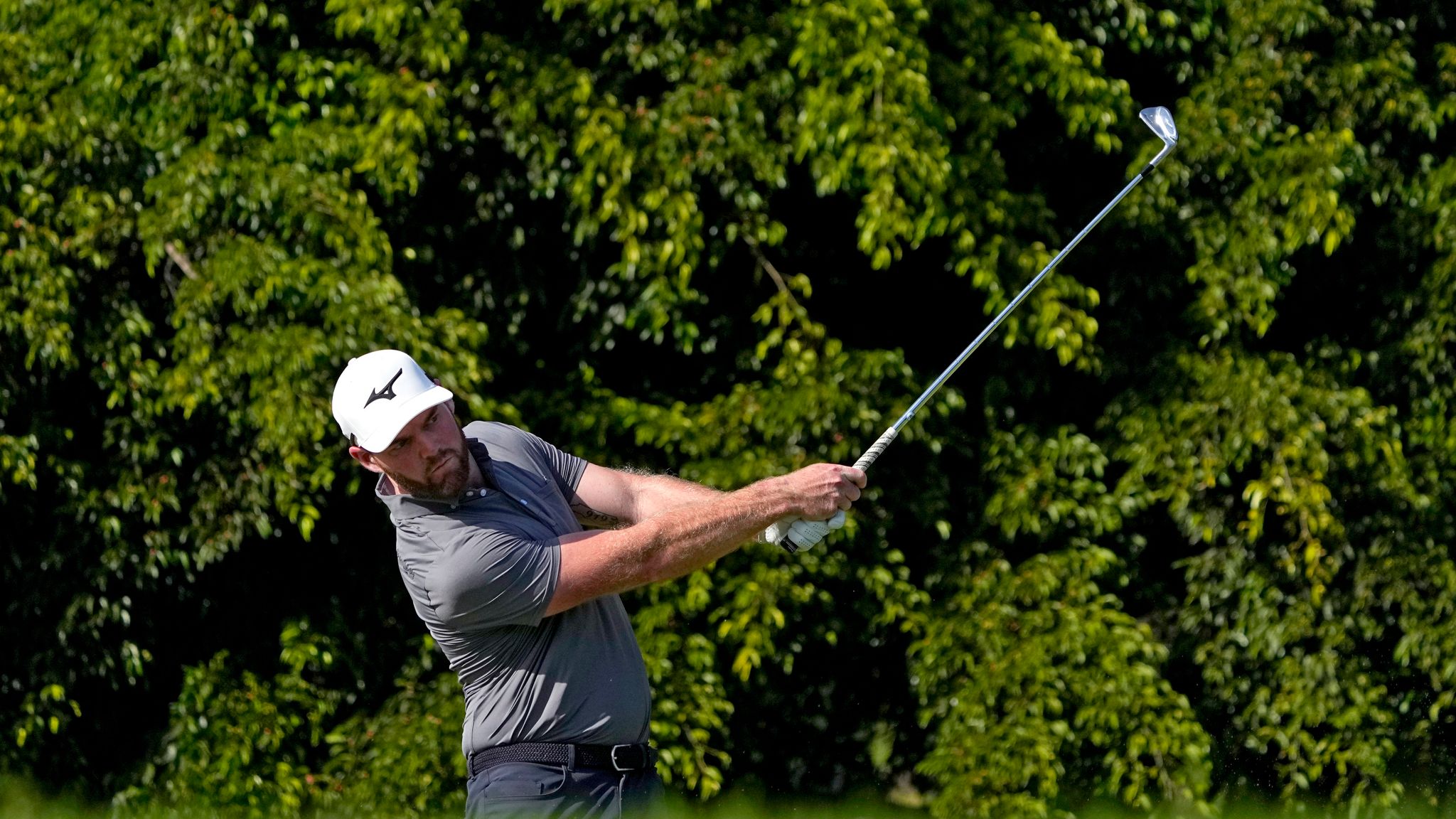
Grayson Murray and the Shifts in Modern Golf: A Perspective on Industry Evolution
The sudden passing of Grayson Murray in May 2024 served as a profound inflection point for the professional golf community, casting a harsh, necessary light on the psychological demands of the sport. His career, characterized by both h...
The sudden passing of Grayson Murray in May 2024 served as a profound inflection point for the professional golf community, casting a harsh, necessary light on the psychological demands of the sport. His career, characterized by both high-level athletic success and candid discussions regarding personal struggle, highlighted the growing disconnect between the polished public image of professional athletes and the reality of their existence in a hyper-competitive, modern sports ecosystem.
Contents
The Trajectory of Grayson Murray’s Career
Grayson Murray’s path through professional golf was marked by remarkable early promise followed by a turbulent middle period, before reaching a crescendo with his win at the 2024 Sony Open in Hawaii. A prodigious amateur talent, Murray turned professional in 2015 and earned his PGA Tour card shortly thereafter, winning the 2017 Barbasol Championship at the age of 23. This victory cemented his status as one of the tour’s most promising young talents.
However, the professional circuit is rarely a linear progression. In the years that followed, Murray struggled with consistency, injury, and off-course challenges. His career trajectory mirrored the volatility often seen in elite golf, where the difference between success and relative obscurity is measured in razor-thin margins. His resurgence in 2024, culminating in his second PGA Tour title, served as a testament to personal resilience. It also emphasized a shifting reality in the sport: the increasing importance of mental health infrastructure in a game that historically prioritized stoicism and silence.
Pressure Cookers and Modern Performance Expectations
Modern professional golf has undergone a seismic shift in the last decade. The financial stakes have escalated significantly with the introduction of "Signature Events," elevated purses, and the emergence of competing leagues. For a player like Murray, this environment created a unique set of pressures. The barrier to entry for maintaining status on the PGA Tour has never been higher, leading to a "grind culture" that permeates every level of the professional pyramid.
The modern golfer is expected to be a brand, an athlete, and a public figure simultaneously. This evolution places immense strain on younger players who enter the spotlight before they have developed the mature coping mechanisms required to handle global scrutiny. Grayson Murray’s openness about his past battles with anxiety and alcohol abuse was a deviation from the traditional "stiff upper lip" expectation of the sport. His willingness to speak candidly forced a conversation about whether the current structure of the PGA Tour—which demands constant travel, performance, and public availability—is conducive to long-term psychological well-being.
Comparative Analysis of Structural Shifts in Golf
The following table highlights the contrast between the traditional era of professional golf and the current landscape, illustrating the factors that impact player welfare today.
| Feature | Traditional Era (pre-2015) | Modern Era (2026) |
|---|---|---|
| Schedule Density | Seasonal, tiered participation | Year-round, high-intensity calendar |
| Financial Stakes | Moderate, performance-based | Massive, via Signature Events |
| Public Scrutiny | Print and broadcast media | Real-time social media saturation |
| Mental Health Support | Informal, discouraged | Formally integrated resources |
| Player Mobility | Limited pathway options | Highly competitive multi-tour ecosystem |
Integrating Mental Health into the Professional Framework
In the wake of incidents involving players like Murray, the governing bodies of professional golf have accelerated their efforts to provide comprehensive mental health resources. As of 2026, the PGA Tour’s "Wellness Program" includes dedicated sports psychologists, 24/7 tele-health support, and educational initiatives aimed at de-stigmatizing mental health struggles.
However, a question remains: is support alone sufficient when the underlying structure encourages burnout? The professional golf calendar is designed to maximize revenue and fan engagement, but it often operates at the expense of player recovery time. For emerging athletes, the pressure to "peak" at specific, high-reward tournaments creates a biological and psychological deficit that cannot be fully mitigated by counseling. The industry is currently caught in a cycle of needing to monetize the sport to compete with global entertainment options while simultaneously managing the human cost of that monetization.
The Role of Social Media and Public Perception
One of the most significant shifts in the modern era is the omnipresence of social media. Grayson Murray was an active participant in digital discourse, often engaging directly with fans and critics. This level of proximity between the athlete and the audience creates a feedback loop that can be deeply damaging. When every poor performance or personal mistake is amplified by thousands of voices in real-time, the mental load increases exponentially.
Modern golf organizations have had to adapt to this by training players in digital literacy and reputation management. Yet, these trainings often focus on preventing PR crises rather than protecting the individual from the corrosive effects of online harassment. The industry is still learning how to balance the commercial need for player "accessibility" with the basic human need for psychological boundaries.
Long-term Impacts on Player Development and Retention
The loss of a player of Murray’s caliber forces a critical examination of the "pipeline" to the professional level. If the current model creates an environment where only those with specific types of psychological fortitude—or those who can afford personal performance coaches and support staff—thrive, the sport risks losing diverse talents who may be struggling beneath the surface.
Developmental tours and college golf programs are increasingly incorporating mental health awareness into their curricula. By addressing these needs early, the hope is that players will be better equipped to navigate the intense transition from amateur stardom to the professional grind. Success in modern golf is no longer merely a matter of swing mechanics and putting statistics; it is equally a function of sustainable lifestyle management.
Frequently Asked Questions
1. How did Grayson Murray’s 2024 Sony Open victory change the conversation around mental health in golf? His win provided a public platform for him to discuss his previous struggles with sobriety and mental health. By winning after a long period of uncertainty, he proved that professional setbacks are not permanent, which shifted the narrative from "failure" to "process" in the eyes of the media and fans.
2. What specific resources are now available to PGA Tour players? The PGA Tour provides access to clinical psychologists, performance coaches, and educational seminars on stress management. These are integrated into the player benefits package, intended to treat mental well-being with the same importance as physical injury prevention.
3. Does the increased financial prize money in golf correlate with higher stress levels? There is evidence to suggest that as the financial gap between the top players and the rest of the field grows, the "fear of missing out" on elevated events increases anxiety among mid-tier players, who feel they cannot afford a single bad season.
4. How can younger golfers prepare for the pressures of professional status? Experts recommend early involvement in sports psychology, the development of a support network outside of golf, and proactive setting of digital boundaries to minimize the impact of social media scrutiny.
5. Is the professional golf schedule being reconsidered for player health? While the calendar remains packed, there are ongoing discussions among player advisory councils about "rest periods" and the feasibility of condensed scheduling, though these are often balanced against the commercial demands of broadcast partners.
Moving Forward: A More Sustainable Future
The professional golf industry stands at a crossroads. While the sport has enjoyed unprecedented financial growth, the preservation of its most valuable asset—the athletes themselves—requires a commitment that goes beyond standard medical insurance. The lessons learned from the life and career of Grayson Murray emphasize the necessity of fostering an environment where professional excellence does not demand the total consumption of the individual. As golf continues to evolve in the coming years, the true mark of success will likely be measured not just in trophy counts, but in the longevity and sustained well-being of the professionals who play the game.
Image Gallery