Dickey Betts Discography Overview: A Journey Through Southern Rock
Forrest Richard "Dickey" Betts left an indelible mark on American music as a foundational architect of Southern rock, a virtuosic dual-lead guitarist, and a gifted songwriter for The Allman Brothers Band and his subsequent solo project...
Forrest Richard "Dickey" Betts left an indelible mark on American music as a foundational architect of Southern rock, a virtuosic dual-lead guitarist, and a gifted songwriter for The Allman Brothers Band and his subsequent solo projects. A comprehensive dickey betts discography overview encompasses his seminal work with the Allman Brothers through multi-platinum eras, his chart-topping solo releases, and rare collaborative efforts that highlight his distinct melodic style and fusion of blues, country, and jazz.
Contents
The Genesis: Early Works and The Allman Brothers Band Breakthrough
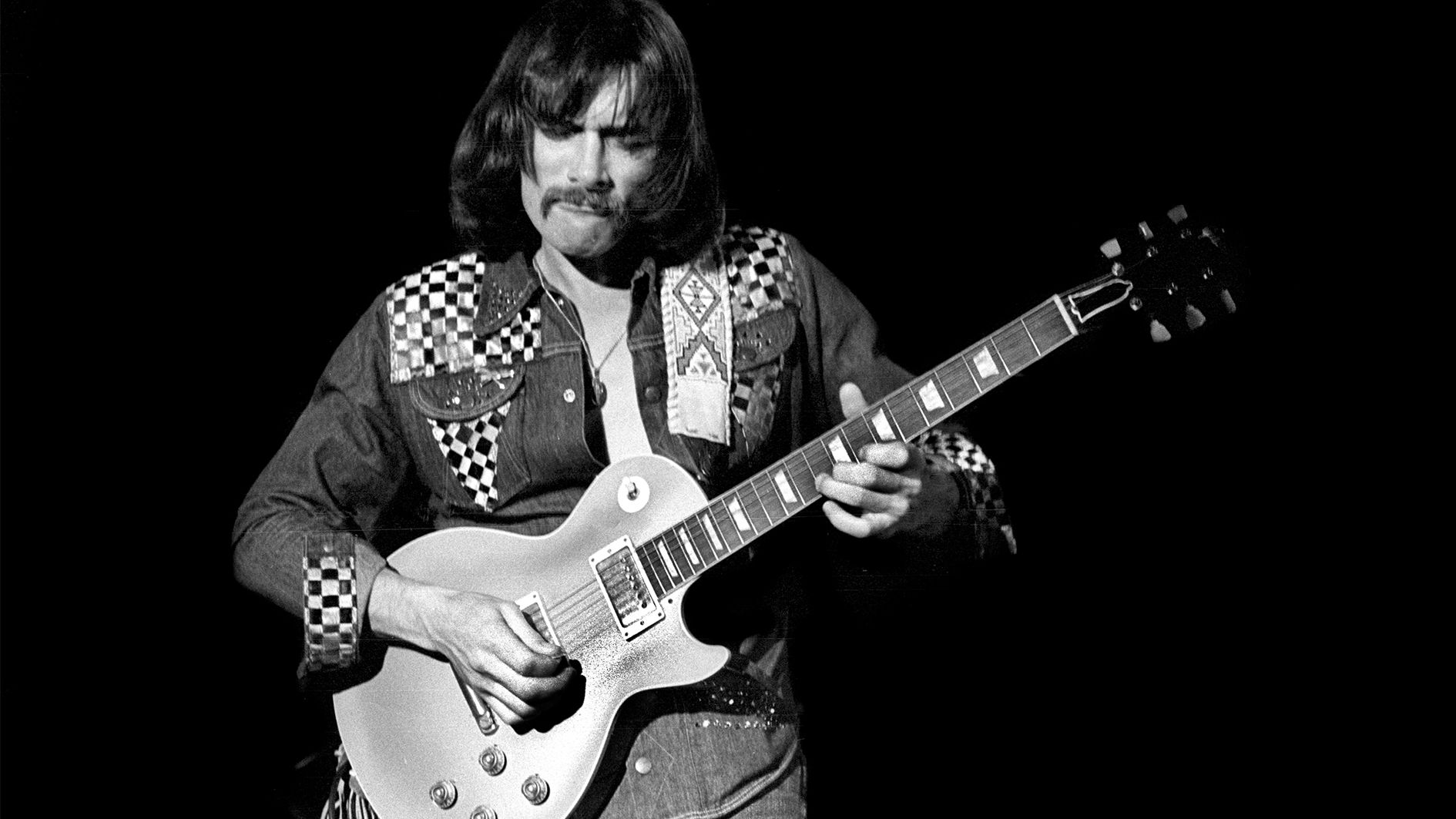
To understand the recorded legacy of Dickey Betts, one must begin with his pre-Allman days in bands like The Second Coming, where he jammed with bassist Berry Oakley, ultimately laying the structural groundwork for what would become The Allman Brothers Band in 1969. Betts was not merely a side player; alongside Duane Allman, he created the legendary twin-lead guitar harmonies that defined the group's early sound.
Following Duane Allman’s tragic death in 1971, Betts stepped into the primary songwriting and co-lead guitar roles, proving his immense creative capacity. His first major songwriting contribution to the band's catalog was "Revival" on the 1970 album Idlewild South, but his crowning achievement during this era was penning "Ramblin' Man" for the 1973 album Brothers and Sisters. "Ramblin' Man" became the band's highest-charting single, reaching number two on the Billboard Hot 100 and firmly embedding Betts's signature country-inflected vocal and guitar stylings into mainstream American consciousness.
Beyond "Ramblin' Man," Betts authored instrumental masterworks that challenged the boundaries of rock music by introducing extended modal jams and complex time signatures. Compositions such as "In Memory of Elizabeth Reed" (from 1970's At Fillmore East) and "Jessica" (from Brothers and Sisters) demonstrated his compositional sophistication, blending jazz improvisation with driving southern rhythms. "Jessica," written as a tribute to his daughter, remains one of the most recognizable instrumental rock tracks in history and earned Betts a lasting legacy as a premier guitar craftsman.
Solo Ventures and Great Southern (1970s–1980s)
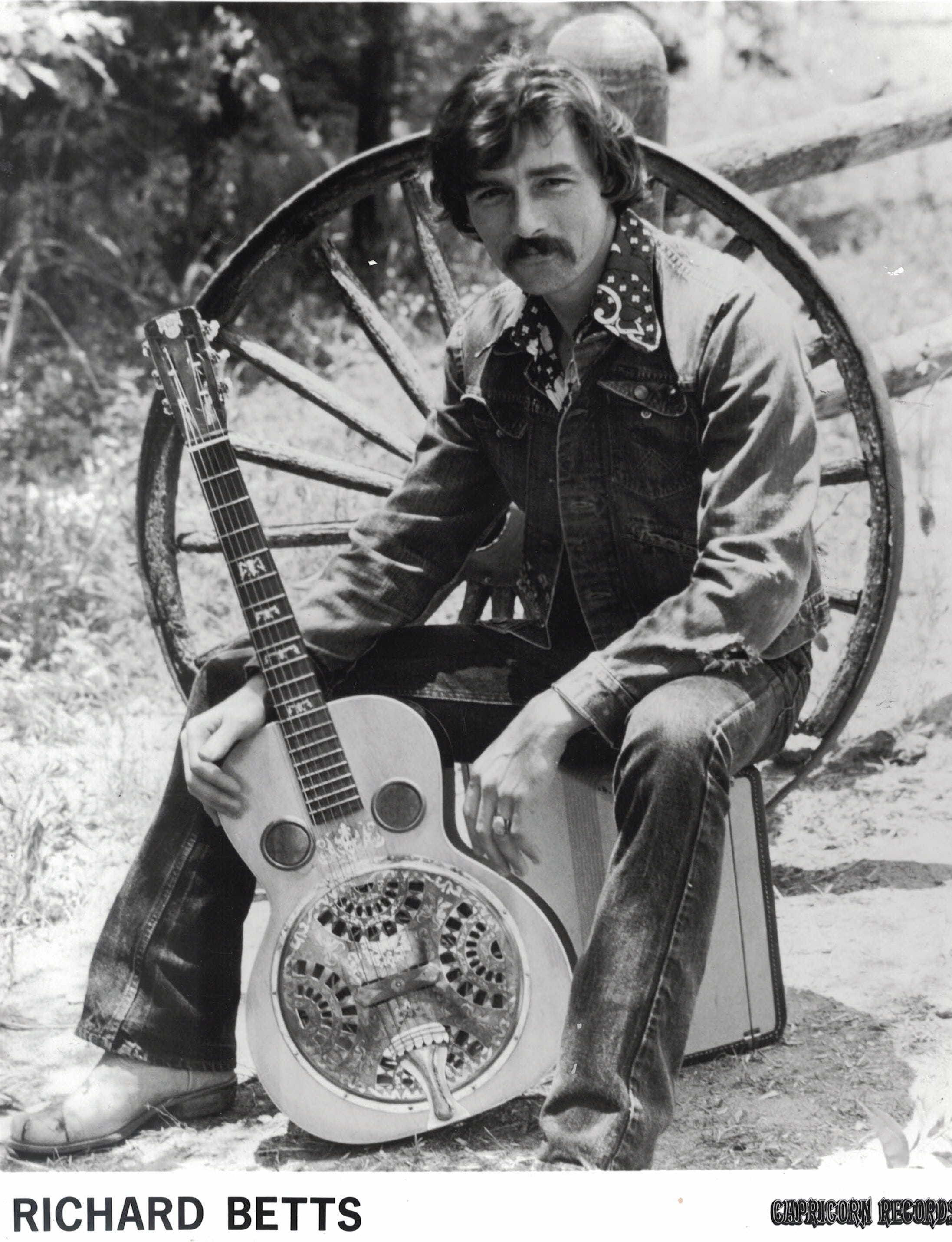
Throughout periods of turbulence and shifting membership within The Allman Brothers Band, Betts pursued outside projects to exercise complete creative control. In 1974, while the Allmans experienced a brief hiatus, he released his debut solo album, Highway Call, via Capricorn Records. This record leaned heavily into his country and bluegrass roots, featuring stellar acoustic picking, pedal steel contributions, and traditional song structures while retaining his distinct electric sensibilities.
By 1977, Betts formed Dickey Betts & Great Southern, recruiting guitarist Dan Toler, keyboardist Michael Lawler, bassist David Toler, and drummer David Goldflies. This lineup released a self-titled debut album in 1977, which featured hard-driving southern rock anthems like "Born Under a Bad Sign" and melodic ballads such as "Crazyland." A follow-up album, Atlanta's Burning Down, arrived in 1978, showcasing tighter arrangements and extended live-in-the-studio jamming.
While Great Southern did not achieve the massive commercial scale of The Allman Brothers Band, these records are prized by collectors and enthusiasts for their raw energy and tight interplay between Betts and Dan Toler. These recordings bridged the gap between the original 1970s Allman peak and the band's subsequent 1989 reunion.
The 1980s Transition and Epic Records Era
The 1980s proved to be a challenging commercial decade for many legacy southern rock acts, and Dickey Betts was no exception. Following the permanent dissolution of The Allman Brothers Band in 1976 and a brief, short-lived reunion attempt as Allman-Betts Band in the late 1970s, Betts signed a solo deal with Epic Records.
In 1988, he released Pattern Disruptive under the moniker The Dickey Betts Band. Produced by Rick Chertoff, the album represented a more polished, late-1980s commercial rock production style. Despite featuring strong guitar work and guest appearances, the record struggled to capture the spontaneous improvisational magic of his earlier work, though it yielded tracks like "Rock Bottom" that enjoyed modest radio airplay. This era proved that while Betts could adapt to modern production frameworks, his truest artistic vehicle remained expansive, live-oriented blues-rock formats.
The 1989 Allman Brothers Reunion and Final Studio Era
The late 1980s and 1990s brought a triumphant commercial resurgence for The Allman Brothers Band, sparked by a successful 20th-anniversary tour in 1989 and a subsequent multi-album deal with Epic Records. Betts played a central role in this renaissance, both as a touring force and as a primary songwriter.
The band released three studio albums during this era:
- Seven Turns (1990): Featured the Grammy-winning instrumental track "Jessica" (awarded Best Rock Instrumental Performance) and the radio hit "Good Clean Fun."
- An Evening with The Allman Brothers Band: First Set (1992): A live release capturing the renewed vigor of the stage performances.
- Where It All Begins (1994): Certified Gold, highlighting Betts's mature songwriting on tracks like "All Night Long" and "Sailin' Across the Devil's Sea."
- Hittin' the Note (2003): Released after Betts's final departure from the group in 2000, representing the definitive studio capstone of the post-reunion era.
During the 1990s, Betts balanced his commitments to the Allman Brothers with occasional solo appearances. However, creative friction between Betts and the rest of the band led to his permanent separation from the group in 2000. Following this split, he formed a new iteration of Dickey Betts & Great Southern, returning to the road and releasing a live album, The Official Bootleg (2001), capturing his uncompromising guitar delivery.
Essential Discography Summary
To assist collectors and music enthusiasts in navigating his expansive career, the following table outlines the essential studio and live releases across Dickey Betts's primary recording vehicles.
| Year | Title | Artist / Primary Entity | Key Tracks & Significance |
|---|---|---|---|
| 1970 | Idlewild South | The Allman Brothers Band | Features Betts's early composition "Revival" and twin-guitar milestones. |
| 1973 | Brothers and Sisters | The Allman Brothers Band | Contains the massive commercial hits "Ramblin' Man" and "Jessica." |
| 1974 | Highway Call | Dickey Betts | Solo debut exploring acoustic country-rock, bluegrass, and pedal steel. |
| 1977 | Dickey Betts & Great Southern | Dickey Betts & Great Southern | Establishes his touring band with Dan Toler; features "Born Under a Bad Sign." |
| 1990 | Seven Turns | The Allman Brothers Band | Marks the major 1990s studio reunion; includes "Good Clean Fun." |
| 1994 | Where It All Begins | The Allman Brothers Band | Certified Gold record showcasing classic dual-lead arrangements. |
| 2001 | The Official Bootleg | Dickey Betts & Great Southern | Captures his fiery live performances following his final Allman Brothers exit. |
Frequently Asked Questions
What was Dickey Betts's biggest hit song?
Dickey Betts's biggest commercial hit was "Ramblin' Man," which he wrote and sang for The Allman Brothers Band's 1973 album Brothers and Sisters. The track reached number two on the Billboard Hot 100 chart and remains a defining anthem of the southern rock genre.
Did Dickey Betts release solo albums outside of The Allman Brothers Band?
Yes. Betts released several solo and side-project albums, beginning with Highway Call in 1974. He also recorded and toured extensively under the name Dickey Betts & Great Southern, releasing albums in 1977, 1978, and later issuing live performance recordings in the 2000s.
Which Allman Brothers instrumental songs were written by Dickey Betts?
Betts composed some of the most famous instrumental tracks in rock history, most notably "In Memory of Elizabeth Reed" (co-written for Idlewild South) and "Jessica" (from Brothers and Sisters), the latter of which won a Grammy Award for Best Rock Instrumental Performance.
Why did Dickey Betts leave The Allman Brothers Band?
Betts parted ways with The Allman Brothers Band permanently in 2000 following creative, personal, and professional tensions with other founding members. Following his departure, he continued to tour and record with his own band, Great Southern, until his retirement from touring.
What tuning did Dickey Betts typically use on his guitar?
Dickey Betts primarily played in standard guitar tuning (E-A-D-G-B-E). Unlike some slide guitarists who utilized open tunings, Betts achieved his distinctive melodic phrasing and fast blues-scale runs through mastery of standard tuning on his signature Gibson Goldtop and SG guitars.
Conclusion and Next Listening Steps
Exploring the discography of Dickey Betts reveals an artist who shaped the contours of American guitar rock for over five decades. From the soaring counterpoint harmonies of early Allman Brothers anthems to the country-infused excursions of Highway Call and the energetic live shows of Great Southern, his legacy remains unmatched.
To take the next step in appreciating his work, start by listening to the original Capricorn Records vinyl pressings or high-resolution digital remasters of Brothers and Sisters and Highway Call. Pay close attention to the interplay between rhythm and lead, and you will uncover the foundational blueprint of modern southern rock guitar playing.
Image Gallery