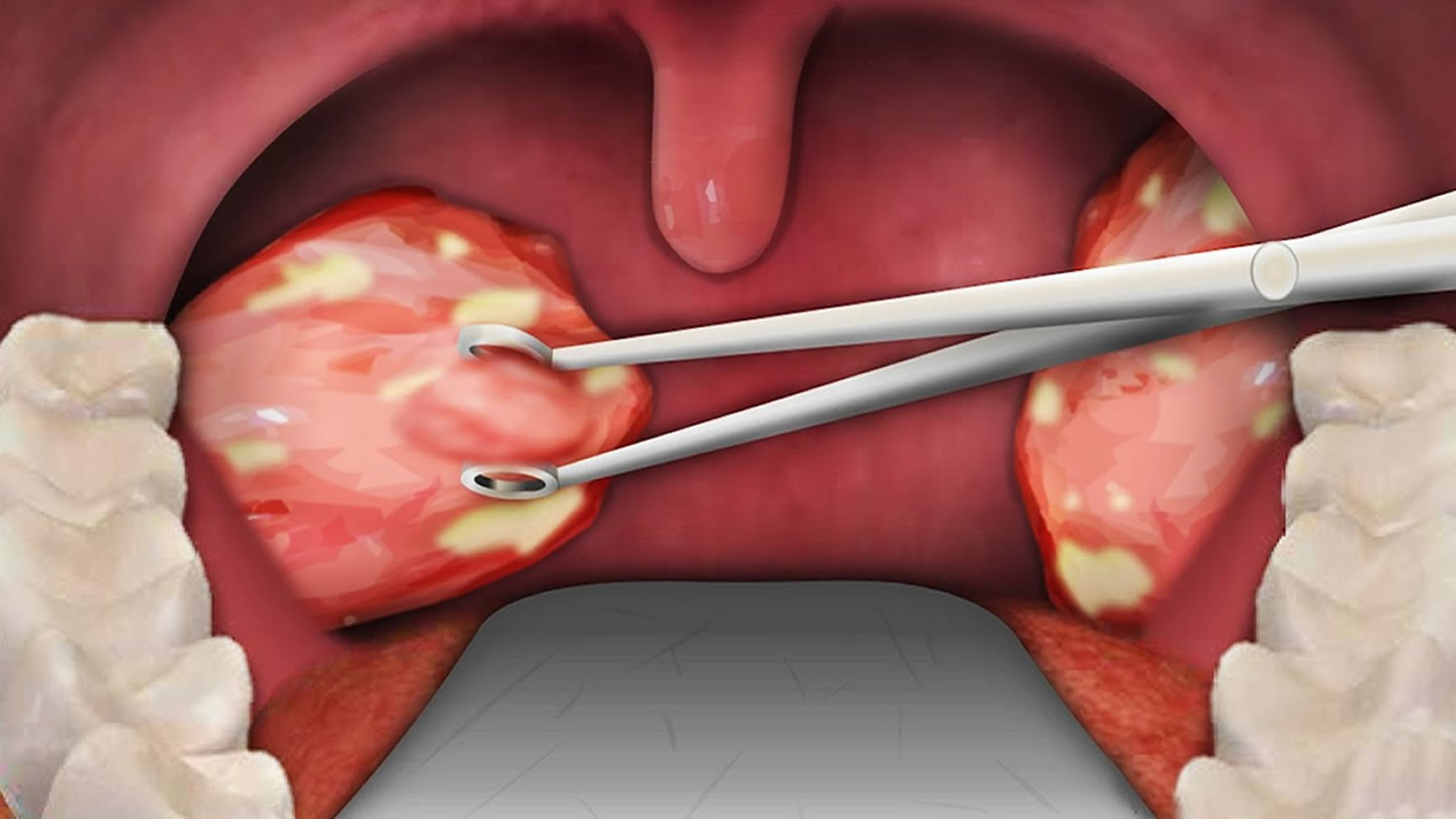
Tonsil Removal Recovery Time: Day-by-Day Timeline, Stages, and Care Guide
Tonsil removal recovery time generally takes 10 to 14 days for adults and 7 to 10 days for children. Pain often peaks between days 4 and 8 as surgical scabs form and begin to slough off. Complete mucosal healing and safe return to inte...
Tonsil removal recovery time generally takes 10 to 14 days for adults and 7 to 10 days for children. Pain often peaks between days 4 and 8 as surgical scabs form and begin to slough off. Complete mucosal healing and safe return to intense physical activity typically require up to three full weeks.
Contents
Medical Disclaimer: This article is for informational purposes only and does not constitute formal medical advice. Always consult a board-certified otolaryngologist (ENT specialist) or qualified healthcare provider for individual surgical aftercare guidance.
Understanding Tonsillectomy Recovery: Adults vs. Children
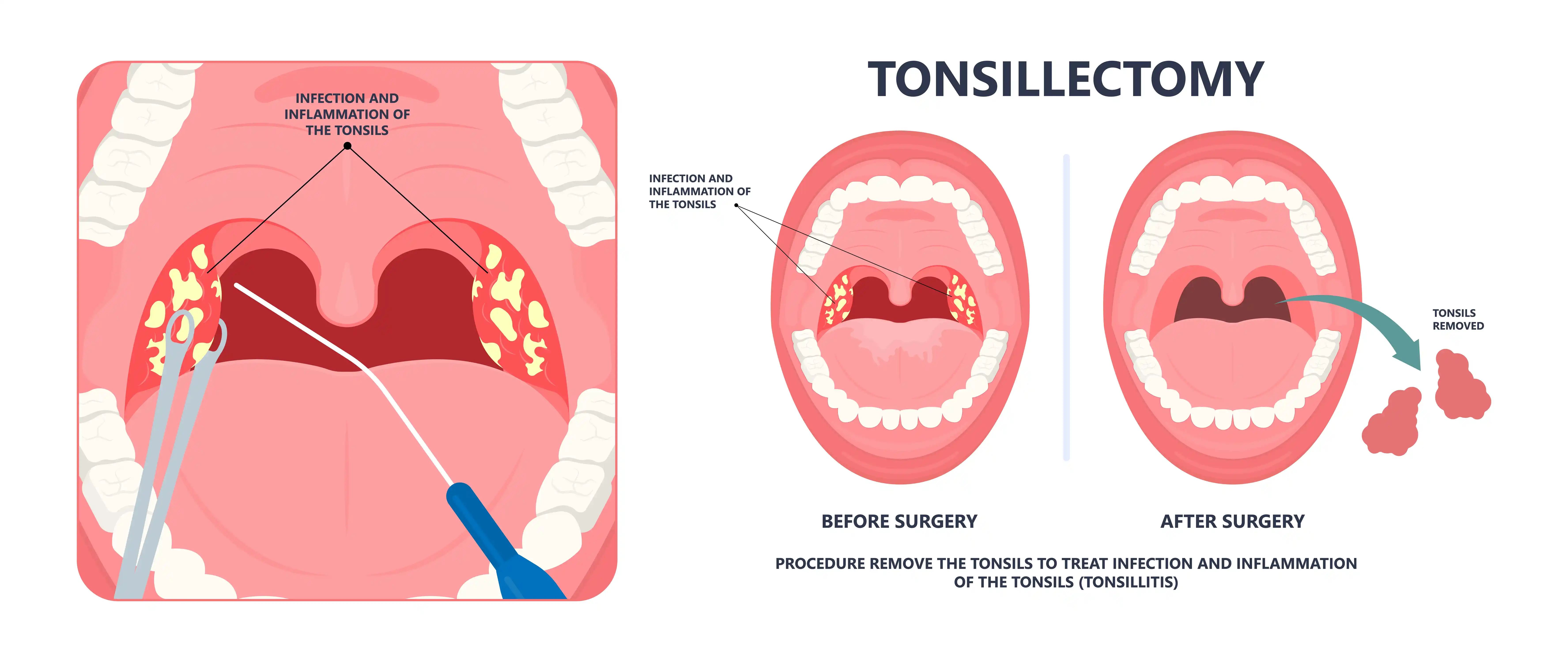
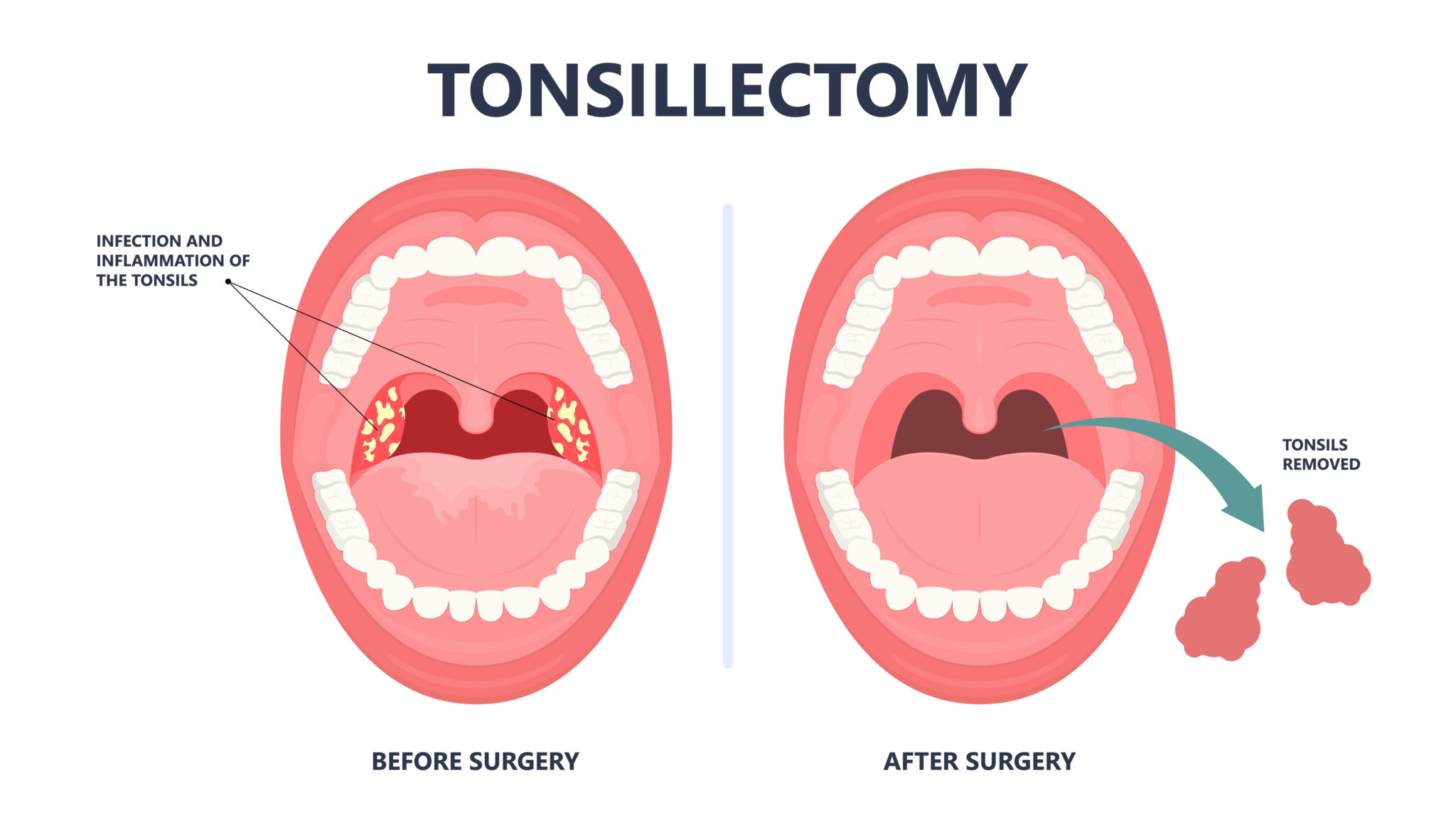
A tonsillectomy—the surgical removal of the palatine tonsils located at the back of the throat—is one of the most common otolaryngologic procedures performed worldwide. However, the post-operative experience varies significantly depending on the patient's age and overall health prior to surgery.
- Tonsillectomy Recovery Overview
- Pediatric Patients
- Recovery: 7–10 days
- Faster tissue repair
- Lower pain duration
- Adult Patients
- Recovery: 10–14+ days
- Dense scar tissue / vascularity
- Severe throat & ear pain
- Pediatric Patients
Pediatric Recovery Profile
Children under the age of 12 generally recover much faster than teenagers and adults. Pediatric tonsil tissue is less fibrotic, and the surrounding lymphatic beds typically exhibit less chronic scarring than those of adults who have endured years of recurrent tonsillitis. Most children experience moderate discomfort for 5 to 7 days, rapidly regain their appetite, and can return to school or daycare within 7 to 10 days.
Adult Recovery Profile
Adults undergoing tonsillectomy face a noticeably more demanding recovery process. Decades of chronic infection, inflammation, or deep-seated tonsillar crypt damage often result in dense scar tissue that adheres closely to the underlying pharyngeal constrictor muscles. Removing these tonsils requires more extensive dissection, leaving a larger open surgical wound. Consequently, adult patients frequently experience intense throat pain, significant swelling, severe referred ear pain, and an extended recovery timeline lasting 14 days or longer. Adults should plan for a full two weeks off work and routine daily responsibilities.
Comprehensive Day-by-Day Recovery Timeline
Understanding the phase-by-phase progression of healing helps patients prepare mentally and physically for the post-operative journey. The wound healing process follows a predictable physiological pattern, though day-to-day symptom intensity can vary.
- Days 1–3: Immediate Post-Op
- Days 4–7: Peak Pain & Scabs
- Days 8–11: Scab Sloughing
- Days 12–14+: Final Tissue Remodeling
Days 1 to 3: Immediate Post-Operative Phase
The initial 72 hours post-surgery are characterized by initial recovery from general anesthesia, tissue edema (swelling), and moderate to severe sore throat.
- Symptoms: Drowsiness, mild confusion from anesthesia, sore throat, mild tongue swelling from surgical retractors, low-grade fever (under 101°F or 38.3°C), and thick oral secretions.
- Pathology: The surgical beds in the posterior pharynx are open, raw surfaces coated with an initial fibrin exudate. Swelling of the uvula and soft palate is common.
- Key Care Focus: Adequate pain control and hydration. Patients should rest with their head elevated at a 30- to 45-degree angle to minimize tissue edema. Small, frequent sips of ice water, electrolyte solutions, or clear liquids are critical.
Days 4 to 7: Peak Pain and Scab Formation
Contrary to expectations, discomfort usually worsens rather than improves during the middle of the first week. This stage represents the most challenging stretch of the recovery window.
- Symptoms: Sharp increase in throat pain, severe referred ear pain (otalgia), jaw stiffness (trismus), bad breath (halitosis), and persistent neck tenderness. Pain medication often feels less effective during this stage.
- Pathology: White or yellowish-gray scabs (eschars) fully form over the tonsillar fossae. These scabs protect the underlying vascular bed and nerve endings. Inflammation of the glossopharyngeal nerve (Cranial Nerve IX), which supplies sensory innervation to both the pharynx and the middle ear cavity, causes intense referred ear pain.
- Key Care Focus: Consistent, round-the-clock administration of pain medications as prescribed by your surgeon. Dehydration must be fiercely avoided, as dry throat mucosa significantly intensifies muscle spasms and local pain.
Days 8 to 11: Scab Sloughing and Turning the Corner
During the second week, the thick scabs protecting the surgical sites begin to mature, contract, and break down.
- Symptoms: Fluctuating pain levels, tickling or scratching sensations in the back of the throat, frequent coughing or swallowing impulses, and slight spotting of blood in saliva.
- Pathology: Fibrinous scabs begin sloughing (peeling off) in pieces, exposing delicate young granulation tissue underneath. This period presents the highest statistical risk for secondary post-tonsillectomy hemorrhage.
- Key Care Focus: Vigilant observation for active bleeding. Soft food intake can be gradually expanded as tolerated, but sharp, crunchy, or heavily seasoned foods must remain strictly off-limits.
Days 12 to 14 and Beyond: Final Healing Phase
By the end of the second week, the majority of the raw wound area has re-epithelialized with new mucous membrane cover.
- Symptoms: Mild lingering tightness, occasional throat irritation when swallowing large bites, gradual return of normal taste sensations, and improving physical energy.
- Pathology: The tonsillar fossae show healthy, pink mucosal lining. Submucosal remodeling continues quietly for several weeks.
- Key Care Focus: Gradual reintroduction of normal solid foods and light daily routines. High-impact exercise and heavy lifting should still be cleared by the attending otolaryngologist before resumption.
Summary of Recovery Milestones by Age Group
The following table compares typical timelines, expected symptoms, and key management strategies across different patient demographics.
| Recovery Phase / Indicator | Children (Ages 1–12) | Teens & Adults (Ages 13+) | Primary Clinical Focus |
|---|---|---|---|
| Typical Total Recovery Time | 7 to 10 days | 10 to 14+ days | Safe wound closure and hydration maintenance |
| Peak Pain Window | Days 3 to 5 | Days 4 to 8 | Scheduled pain medication delivery |
| Return to School / Work | Days 7 to 10 | Days 10 to 14 | Rest, symptom resolution, avoiding physical exertion |
| Resumption of Exercise | Day 14 | Days 14 to 21 | Preventing blood pressure spikes and secondary bleeding |
| Referred Ear Pain | Mild to moderate | Moderate to severe | Cold compresses, prescribed analgesics |
| Primary Bleeding Risk | Low (< 2%) | Moderate (3%–5%) | Immediate emergency medical evaluation if active |
Essential Post-Surgical Care and Pain Management
Optimizing recovery after tonsil removal requires a systematic approach to pain control, hydration, nutrition, and environment.
- 4 Pillars of Tonsillectomy Recovery Care
- Medication Control
- Hydration Management
- Dietary Strategy
- Physical Rest & Environment
Medication Management
Managing pain effectively requires maintaining steady tissue levels of analgesics rather than waiting for pain to become severe before taking medication.
- Scheduled Dosing: Surgeons frequently recommend alternating non-opioid analgesics (such as acetaminophen and ibuprofen, where clinically appropriate and approved by the doctor) every 3 to 4 hours.
- Opioid Use: If short-acting prescription opioids are provided for severe breakthrough pain, take them strictly as directed. Opioids can cause constipation and nausea; pairing them with adequate fluids and stool softeners is recommended.
- Medications to Avoid: Never consume aspirin, plain acetylsalicylic acid products, or unapproved nonsteroidal anti-inflammatory drugs (NSAIDs) without explicit instructions from your surgeon, as certain agents can impair platelet aggregation and increase bleeding risks.
Hydration Strategies
Hydration is the single most important factor in limiting post-tonsillectomy pain and accelerating healing. Moist pharyngeal tissues experience fewer painful muscular spasms than desiccated mucosa.
- Target Fluid Intake: Adults should aim for at least 2 to 3 liters of liquid daily; children should meet age-adjusted fluid targets provided by their pediatrician.
- Optimal Fluids: Ice water, diluted apple juice, electrolyte replacement solutions, cool clear broths, and non-acidic sports drinks.
- Technique: Take small sips every 10 to 15 minutes while awake. Set alarms during the night for the first 5 to 7 days to take sips of water along with scheduled medication doses to prevent the throat from drying out overnight.
Dietary Guidelines
Nutritional intake must progress systematically to protect the fragile surgical bed from trauma while providing essential nutrients for collagen synthesis.
Days 1–3: Cold Liquids & Popsicles (Ice water, apple juice)
Days 4–8: Soft, Cool Foods (Yogurt, eggs, mashed)
Days 9–14+: Soft Solids & Gradual Diet (Pancakes, soft pasta)
Phase 1 (Days 1–3: Cold Liquids & Popsicles): Ice chips, fruit popsicles (non-citrus), ice cream, smooth smoothies (without seeds), and cool water.
Phase 2 (Days 4–8: Soft, Cool Foods): Plain Greek yogurt, lukewarm applesauce, pudding, lukewarm mashed potatoes, scrambled eggs, and well-blended cool soups.
Phase 3 (Days 9–14+: Soft Solids & Gradual Transition): Soft pasta, pancakes, cooked vegetables, tender poultry, and well-chewed soft bread.
Foods to Strictly Avoid: Hard chips, pretzels, toast, spicy seasonings, hot sauces, citrus fruits (oranges, lemons, tomatoes), acidic juices, and alcoholic beverages until the surgeon confirms full healing.
Physical Rest and Environmental Factors
- Cool-Mist Humidifier: Running a clean, cool-mist humidifier directly beside the bed keeps ambient humidity high, preventing nocturnal drying of wound scabs.
- Head Elevation: Sleeping on two or three pillows reduces venous pressure in the head and neck, decreasing soft tissue swelling and night-time throat fullness.
- Activity Restriction: Avoid heavy lifting (anything over 10 pounds), strenuous exercise, running, or bending over at the waist for 14 full days after surgery.
Potential Complications and Emergency Red Flags
While tonsillectomy is a routine outpatient procedure, complications can arise. Patients and caregivers must recognize normal post-operative symptoms versus signs requiring urgent medical evaluation.
Post-Tonsillectomy Hemorrhage (Bleeding)
Post-tonsillectomy hemorrhage is the primary potential complication following surgery. It is clinically categorized into two types:
Primary Hemorrhage: Occurs within the first 24 hours of surgery, usually related to surgical technique, high blood pressure during emergence from anesthesia, or clot displacement.
Secondary Hemorrhage: Occurs between days 5 and 10 post-op, corresponding to the natural sloughing of surgical scabs.
Types of Bleeding
- Primary Bleeding
- First 24 hours
- Due to blood pressure/clots
- Secondary Bleeding
- Days 5 to 10 post-op
- Due to scab sloughing
- Primary Bleeding
What to do if bleeding occurs:
- Minor Flecks or Dark Blood: Small flecks of blood in mucus can sometimes occur as scabs break down. Gargling gently with ice-cold water may induce local vasoconstriction.
- Active Red Blood or Clots: Spitting out bright red blood, continuously swallowing blood, or coughing up large blood clots is a medical emergency. Sit upright, spit blood into a bowl (do not swallow it, as blood irritates the stomach and causes severe vomiting), apply an ice pack to the neck, and seek emergency medical care immediately.
Dehydration and Electrolyte Imbalance
Dehydration occurs rapidly when severe pain prevents adequate oral intake, especially in young children.
- Warning Signs: Absence of tears when crying, fewer than three wet diapers per day (in toddlers), dark urine, dry or cracked lips, sunken eyes, extreme lethargy, or dizziness upon standing.
Infections
Primary bacterial infections of the surgical bed are uncommon due to the oral cavity's natural flora, but secondary infections can develop.
- Warning Signs: Persistent high fever exceeding 102°F (38.9°C) that does not respond to fever-reducing medication, worsening neck stiffness, foul-smelling nasal discharge, or progressive difficulty breathing.
Frequently Asked Questions (FAQ)
Why does pain often worsen around day 5 after tonsil removal?
Around days 4 to 6, the thick protective scabs over the tonsillar beds begin to contract, dry out, and slough off. This process exposes raw, highly sensitive nerve endings and fresh underlying muscle tissue to air, liquids, and swallowed food. Additionally, swelling from the initial surgical trauma begins to decrease, allowing underlying inflamed tissue and nerves (including the glossopharyngeal nerve) to fire more intense sensory signals.
How long after a tonsillectomy can an adult return to work?
Most adults require 14 full days off work. Even if throat pain improves by day 10, the risk of secondary bleeding remains elevated until the scabs completely dissolve around days 10 to 12. Returning to work too early—especially jobs requiring physical labor, heavy speaking, or high stress—can elevate systemic blood pressure and increase the risk of delayed bleeding.
Is severe ear pain normal after tonsillectomy?
Yes. Referred ear pain (otalgia) is a common side effect of tonsil removal. The glossopharyngeal nerve (Cranial Nerve IX) provides sensory nerve fibers to both the back of the throat and the middle ear space. The brain interprets surgical irritation of the pharyngeal nerve branches as deep pain originating inside the ear. Applying cold compresses to the neck and jaw and maintaining regular pain medication schedules helps manage this discomfort.
What should I do if a scab comes off and bleeds slightly?
If you notice small, faint specks of dark blood in your saliva as scabs dissolve, sit upright and gently rinse your mouth with ice-cold water. Cold water helps constrict local mucosal blood vessels. Rest quietly with your head elevated. However, if you observe continuous trickling of bright red blood, swallow repeatedly, or spit out dark blood clots, contact your ENT surgeon or visit the nearest emergency room immediately.
Can I use straws to drink liquids during my recovery?
No, using straws is generally discouraged for the first 10 to 14 days after a tonsillectomy. The negative suction pressure generated in the oral cavity when drinking through a straw can disturb delicate surgical scabs, dislodge blood clots, and provoke acute post-operative bleeding. Drink directly from an open glass or cup instead.
When is it safe to resume heavy exercise and weightlifting?
Strenuous physical activity, including heavy weightlifting, high-intensity cardio, sprinting, and contact sports, should be avoided for at least 14 to 21 days following surgery. Spikes in heart rate and arterial blood pressure can dilate fragile micro-vessels in the healing pharyngeal tissue, triggering significant delayed hemorrhages. Always obtain formal clearance from your otolaryngologist before resuming intense exercise.
Practical Recommendations for a Smooth Recovery
To ensure a safe recovery from tonsil removal, follow this practical checklist:
Pre-Op Setup: Stock supplies & humidifier
Daily Care: Set medication timers round-the-clock
Surgeon Contact: Track fluid intake & blood spotting
ER Readiness: Know location of nearest emergency facility
Prepare Supplies Beforehand: Purchase a cool-mist humidifier, ice packs for neck support, non-acidic liquids, ice popsicles, soft foods, and prescribed medications prior to the date of surgery.
Establish a Medication Schedule: Create a written chart or set smartphone alarms to track pain medication timing day and night. Maintaining steady pain control prevents severe pain spikes that make swallowing fluids impossible.
Prioritize Hydration Over Food: Solid food intake can wait, but fluid intake cannot. Focus first on drinking sufficient fluids throughout the day.
Keep Surgical Team Contacts Accessible: Keep your otolaryngologist's office phone number and after-hours emergency call service information posted in an easily accessible location.
Know Emergency Procedures: Identify the location of the nearest emergency department equipped for otolaryngologic emergencies in the event of continuous active bleeding.
Image Gallery