The 2026 Guide to Shoulder Length Bobs with Layers: Precision Cutting and Styling Trends
The shoulder-length bob with layers remains the most requested silhouette in high-end salons throughout 2026, serving as the definitive "Goldilocks" length for those seeking a balance between the ease of short hair and the versatility...
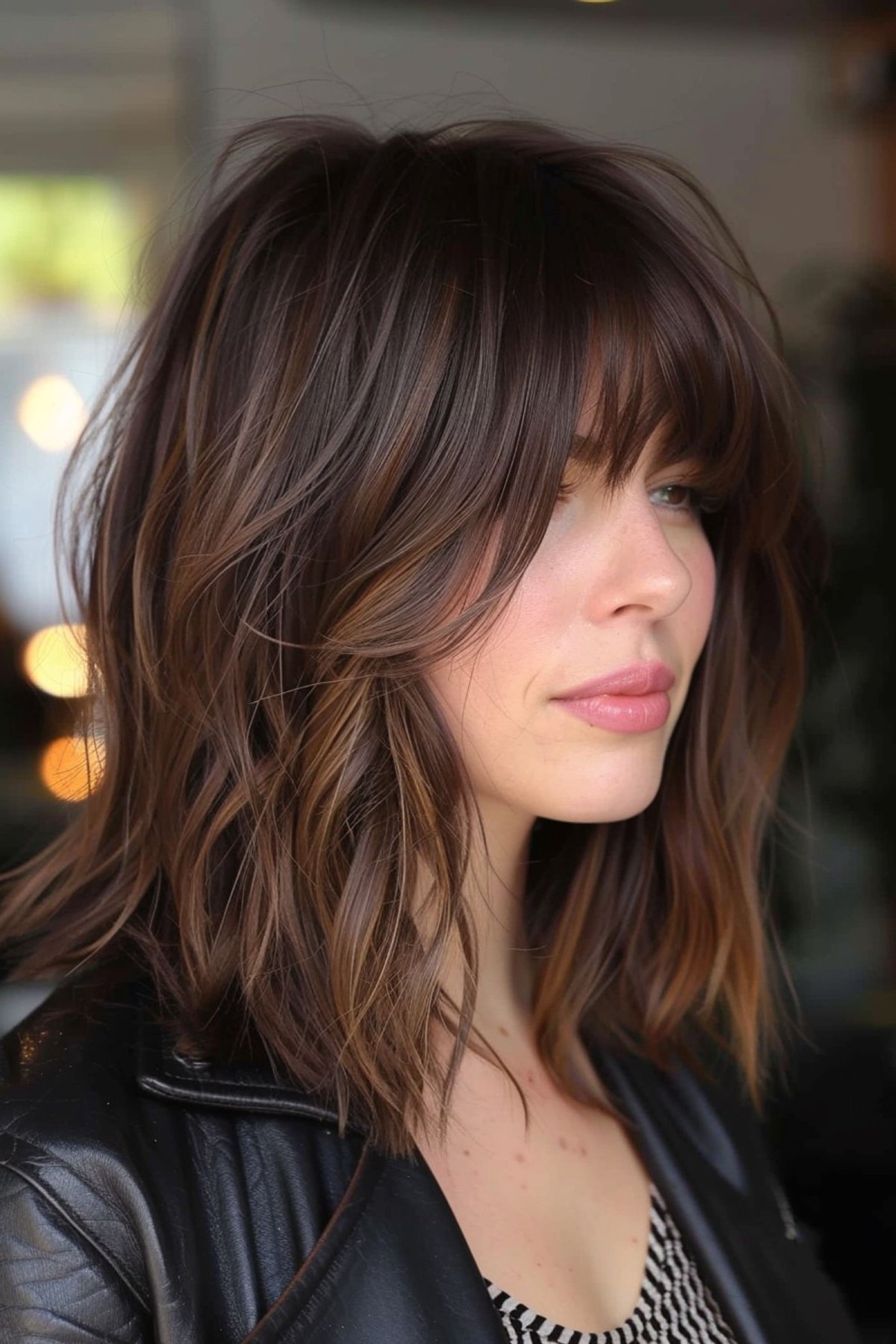
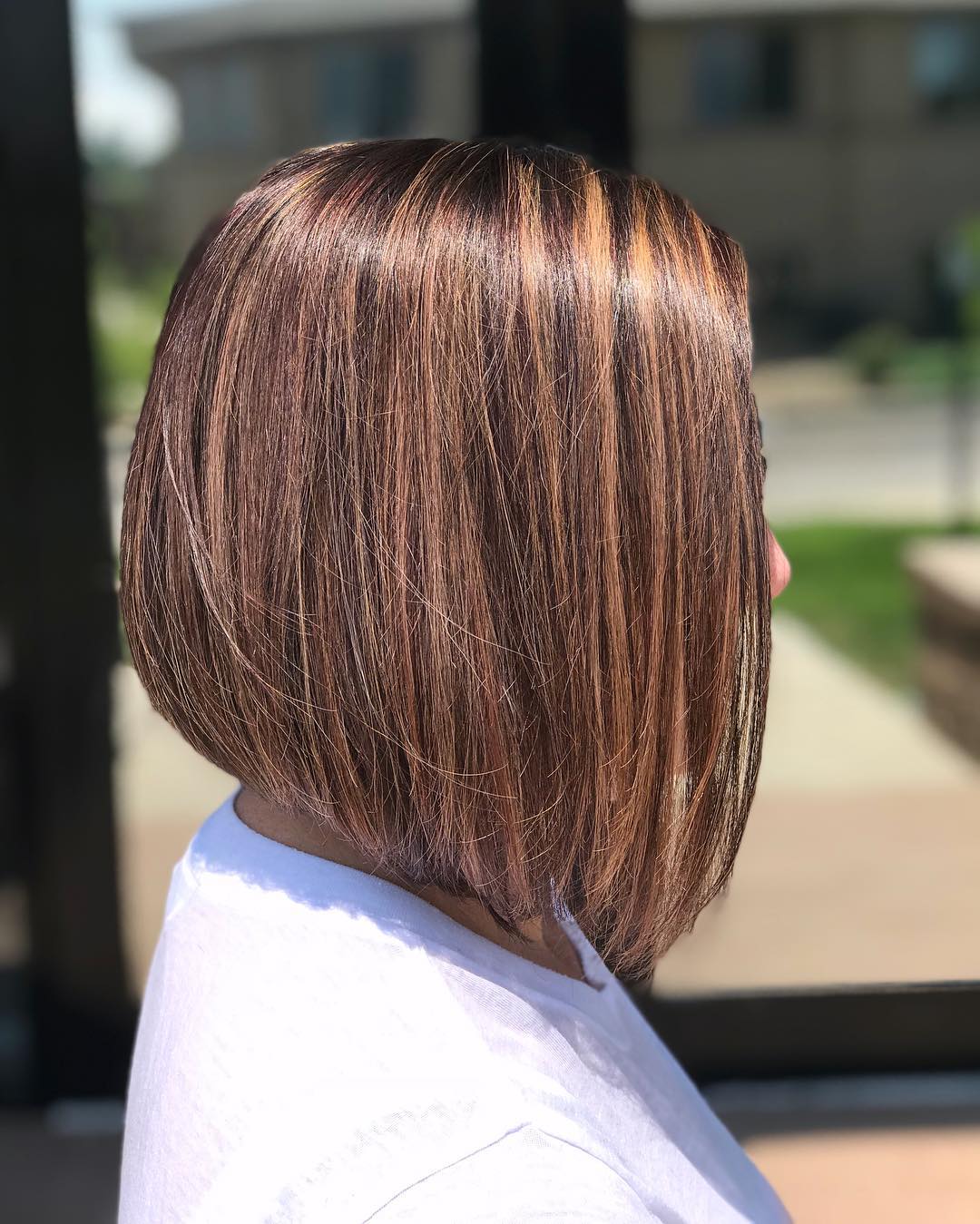
The shoulder-length bob with layers remains the most requested silhouette in high-end salons throughout 2026, serving as the definitive "Goldilocks" length for those seeking a balance between the ease of short hair and the versatility of long locks. This specific cut, often referred to by industry professionals as the "Midi-Layered Bob," has evolved this year to prioritize natural movement, "invisible" internal weight removal, and face-framing architecture that complements the 2026 aesthetic of effortless sophistication.
Contents
Unlike the blunt, heavy bobs of previous seasons, the 2026 iteration focuses on "Dimensional Fluidity." By integrating strategic layering into a shoulder-skimming perimeter, stylists can customize the volume to suit various hair densities and facial structures. This guide provides an authoritative analysis of technical cutting methods, face-shape compatibility, and the advanced maintenance protocols required to sustain this look in the current year.
Technical Architecture of the Modern Layered Bob
In 2026, the technical execution of a shoulder-length bob with layers has moved away from standard "stacked" or "shaggy" methods toward a more refined "Internal Graduation" technique. This involves removing weight from the interior of the hair without compromising the integrity of the perimeter line.
Expert Insight: The 2026 Invisible Layer Technique
Professional stylists are now utilizing the "channel-cutting" method to create layers that are felt but not seen. By slicing into the mid-shaft of the hair with professional-grade shears, we create pockets of air that allow the hair to breathe and move. This prevents the "triangular" shape often associated with shoulder-length cuts on thick hair and provides a built-in lift for finer textures.
Vertical vs. Horizontal Layering
The choice between vertical and horizontal layering determines the final silhouette. Vertical layering, the dominant trend in 2026, reduces bulk and is ideal for clients with high-density hair who want a sleek, manageable look. Horizontal layering, conversely, is used to build weight and is the primary recommendation for clients with fine or thinning hair seeking the illusion of maximum thickness at the shoulder line.
Matching Layered Bobs to Facial Morphology
A successful shoulder-length bob is never a "one size fits all" service. In 2026, facial mapping is a standard part of the consultation process to ensure the layers hit at the most flattering anatomical points.
- Round Face Shapes: Layers should start below the chin to elongate the neck and face. Avoid heavy volume at the sides, focusing instead on height at the crown and a crisp, slightly forward-leaning perimeter.
- Square and Rectangular Shapes: Soft, wispy layers starting at the cheekbone help to neutralize a strong jawline. The "Scandi-Flick" styling—where the ends are lightly curved outward—is particularly effective for softening these angles.
- Heart Face Shapes: Focus layers around the jawline to add width to the bottom half of the face. This balances a wider forehead and creates a more symmetrical appearance.
- Oval Face Shapes: This shape remains the most versatile for the 2026 layered bob. Stylists often recommend "Curtain Layers" that blend seamlessly into the shoulder length to highlight the eyes and cheekbones.
2026 Comparative Analysis: Layered Bob Variations
The following table outlines the technical differences between the most popular variations of the shoulder-length layered bob as of the 2026 season.
| Bob Style | Primary Layering Technique | Best Hair Type | Maintenance Level | 2026 Trend Rating |
|---|---|---|---|---|
| The Italian Bob | Internal Graduation & Blunt Perimeter | Thick, Wavy | Low (Air-dry friendly) | High |
| The Butterfly Bob | Extreme Face-Framing & Short Crown Layers | Fine to Medium | High (Requires blowout) | Moderate |
| The Silent Bob | Seamless "Ghost" Layers | All Types | Very Low | Maximum |
| The Power Bob | Structured Horizontal Layers | Straight, Fine | Medium | High |
| The Shullet (Bob-Mullet) | Disconnected Internal Layers | Textured, Curly | Moderate | Emerging |
Strategic Pros and Cons of the Shoulder-Length Layered Bob
Deciding on a mid-length layered cut requires a balanced understanding of its operational realities. While it is widely considered a "safe" transition cut, it carries specific requirements for upkeep.
Advantages
- Versatility in Styling: The shoulder length is long enough to be tied back into a "nobby" (the 2026 mini-bun) for workouts or professional settings, yet short enough to maintain a distinct "style."
- Anti-Aging Benefits: Strategic layers can provide a non-surgical "lift" to the face by drawing the eye upward toward the cheekbones rather than downward toward the jawline.
- Weight Management: For those with thick hair, the 2026 layering techniques remove the "heavy" feeling, significantly reducing drying and styling time.
Disadvantages
- The "Flip" Factor: Since the hair hits the shoulders, the ends have a natural tendency to flip outward. This requires either intentional styling (the "Scandi-Flick") or regular use of smoothing treatments.
- Frequent Trims Required: To maintain the "precision" of a 2026 bob, a salon visit every 6–8 weeks is mandatory. Once the layers grow past the collarbone, the structural integrity of the bob silhouette is lost.
- Growth Plateaus: Transitioning from a layered bob to longer lengths can be frustrating, as the layers often require "evening out" during the growth process.
Step-by-Step Styling Guide: The 2026 "Liquid Layer" Look
The "Liquid Layer" look is the hallmark of 2026 hair—sleek, high-shine, and full of movement. Follow this professional protocol to achieve the result at home.
- Prep with Bio-Mimetic Primers: Start with clean, damp hair. Apply a heat-protective primer that uses bio-mimetic keratin to fill in the hair cuticle. This ensures the layers remain crisp and don't look "fuzzy."
- Directional Rough-Dry: Use a high-velocity dryer to remove 80% of the moisture. Flip the head upside down to encourage volume at the roots of your layers.
- Sectional Smoothing: Divide the hair into three horizontal tiers. Using a large ceramic round brush, pull each section upward and outward. This "over-direction" is what gives the 2026 bob its signature bounce.
- The "Cool Shot" Finish: Once each section is dry, use the cool-shot button on your dryer for 10 seconds. This sets the internal layers in place and locks in a mirror-like shine.
- Micro-Dose Finishing Oil: Apply a single drop of a lightweight, silicone-free finishing oil to the palms. Lightly "scrunch" the ends of the layers to define the texture without weighing down the perimeter.
Maintenance and Scalp Health in 2026
The longevity of a layered bob is directly tied to the health of the hair fiber. In 2026, the industry has shifted toward "Skinification" of hair care.
Expert Recommendation: The 6-Week Reset
We advise all clients with shoulder-length bobs to undergo a scalp detoxification treatment every six weeks. Because this length sits close to the face and neck, it is more prone to absorbing facial oils and environmental pollutants. A clean scalp ensures that the hair follicle remains unobstructed, allowing for the natural volume and lift that layered bobs require to look their best.
Additionally, use sulfate-free, pH-balanced cleansers. In 2026, many leading salons are recommending "Hard Water Filters" for showerheads, as mineral buildup can make layers appear stiff and straw-like, ruining the "fluid" movement of the cut.
Frequently Asked Questions
Will a shoulder-length layered bob make my hair look thinner?
No, when executed correctly, layers actually create the illusion of thickness. By adding shorter lengths within the cut, the hair "stacks" upon itself, creating volume that a blunt, one-length cut lacks. However, if layers are cut too aggressively or "shredded" with a razor, it can thin out the ends, so it is vital to request "structured internal layers."
How often should I get my layers trimmed in 2026?
The 2026 standard for maintaining the midi-bob silhouette is every 6 to 7 weeks. Because the length is anchored at the shoulder, even half an inch of growth can change how the layers interact with your bone structure and how the hair rests on your trapeze muscles.
Can I achieve a layered bob with curly hair without the "pyramid" effect?
Absolutely. For curly textures (Types 3A through 4C), we utilize the "Decon-Layering" method. This involves cutting the hair while dry and in its natural state to see exactly where each curl falls. This prevents the bottom-heavy "pyramid" look and ensures the layers provide a rounded, balanced silhouette.
Is the 2026 layered bob compatible with bangs?
Yes, and "Micro-Curtain Bangs" are the preferred pairing this year. These are shorter, brow-skimming bangs that taper into the side layers of the bob. This combination creates a cohesive frame for the face and is particularly effective for those with larger foreheads or long face shapes.
What are the best products for styling a layered bob in 2026?
The 2026 market is dominated by "Hybrid Stylers." Look for products that combine a light-hold mousse with a heat-protectant serum. These provide the "grip" needed to hold the layers' shape while maintaining the "slip" required for a high-shine finish.
Achieving Your 2026 Style Goal
The shoulder-length bob with layers is more than just a haircut; it is a technical architectural feat that offers unparalleled versatility. Whether you are seeking a professional "Power Bob" for the boardroom or a soft, "Italian Bob" for a weekend in Tuscany, the key lies in the precision of the layering and the health of the hair. Consult with a senior stylist who specializes in 2026 precision cutting techniques to ensure your layers are customized to your unique facial geometry and hair density.
Image Gallery