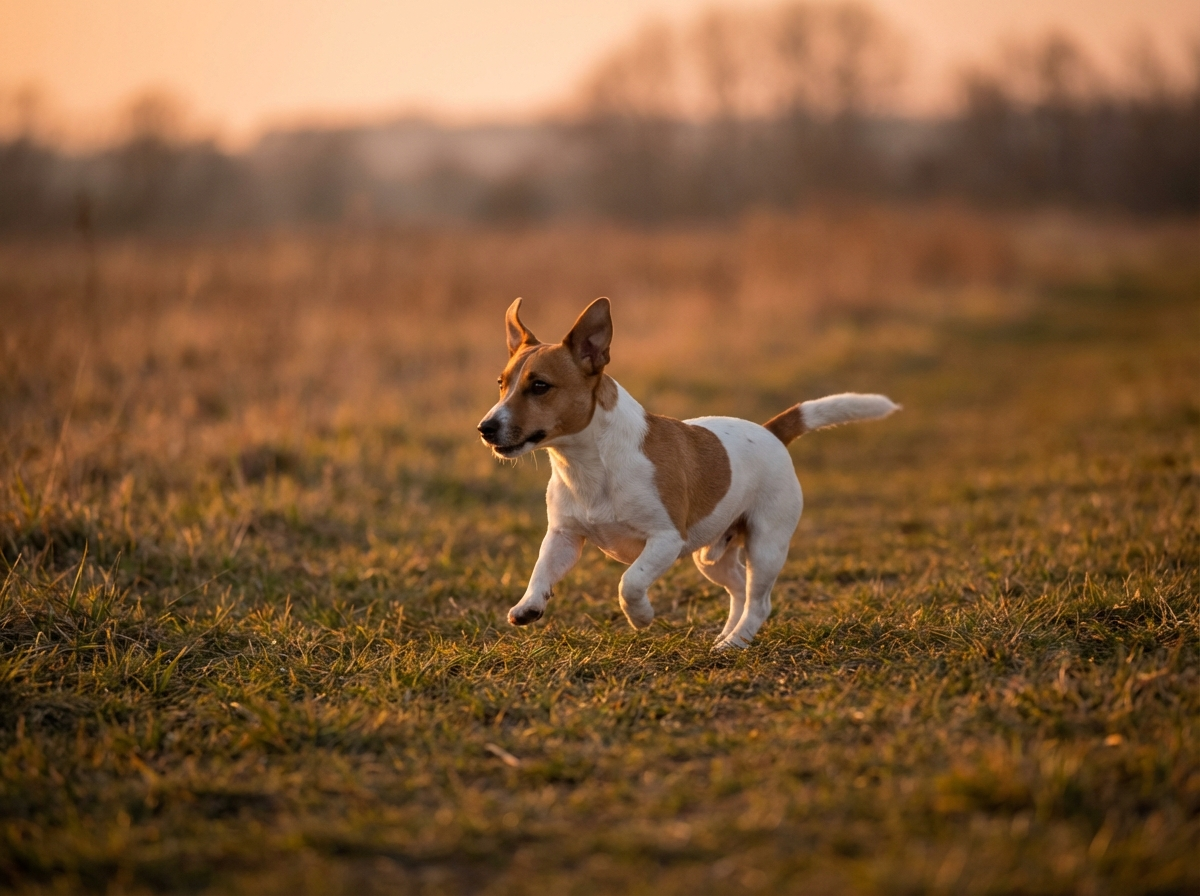
Understanding the Jack Russell Terrier Character
The Jack Russell Terrier is defined by a high-octane blend of intelligence, tenacity, and an indefatigable work ethic. Originally bred for fox hunting in the 19th century by the Reverend John Russell, these dogs possess a complex perso...
The Jack Russell Terrier is defined by a high-octane blend of intelligence, tenacity, and an indefatigable work ethic. Originally bred for fox hunting in the 19th century by the Reverend John Russell, these dogs possess a complex personality characterized by bold self-confidence, an insatiable curiosity, and a level of energy that requires consistent, structured outlets to prevent behavioral issues.
Contents
The Evolutionary Roots of the Jack Russell Character
To truly understand the modern Jack Russell Terrier, one must look at its origins. Developed in England during the early 1800s, the breed was engineered for a specific function: working alongside hunters to bolt foxes from their dens. This historical context explains why the breed is not a "cuddly" lap dog in the traditional sense. They were bred to be independent thinkers, capable of making split-second decisions while underground, away from the direct commands of their masters.
This ancestral drive manifests today as a stubborn, albeit highly intelligent, streak. A Jack Russell does not simply follow orders; it evaluates them. If a command does not align with its internal motivation or current level of stimulation, the dog may choose to ignore it. Understanding this autonomy is the first step in successful training and cohabitation.
Core Personality Traits
The personality of a Jack Russell is not for the passive owner. They are governed by a "go-getter" mentality that remains active from puppyhood well into their senior years.
- Boundless Energy: A Jack Russell does not possess an "off" switch in the way many other breeds do. They require significant physical exertion and, perhaps more importantly, mental stimulation. Without this, their energy often manifests as destructive behaviors, such as digging, chewing, or excessive vocalization.
- Fearless Tenacity: Despite their relatively small stature—usually ranging from 10 to 15 inches at the shoulder—these dogs possess the ego of a much larger canine. They rarely back down from a challenge, a trait that necessitates careful supervision when interacting with larger, potentially aggressive animals.
- Keen Intelligence: These dogs are rapid learners. They excel at agility, flyball, and scent work because these activities mimic their natural instincts. However, this same intelligence means they are prone to boredom. A bored Jack Russell is an inventive one, often finding ways to escape yards or dismantle household objects.
- Affectionate Independence: While they are loyal to their primary caregivers, they are not typically "clingy." They are known to enjoy being in the same room as their owners but often prefer to occupy their own space or engage in a task rather than sitting quietly for hours on end.
Behavioral Expectations and Challenges
Living with a Jack Russell Terrier requires an acknowledgment of their prey drive. Because they were bred to hunt small game, they are often not compatible with households containing small pets like hamsters, guinea pigs, or even sometimes cats, unless they have been raised with them from a very young age and even then, caution is warranted.
| Trait | Typical Intensity | Management Strategy |
|---|---|---|
| Activity Level | Very High | Daily vigorous exercise and puzzle toys |
| Prey Drive | High | Leash training and secure fencing |
| Trainability | High (Selective) | Short, reward-based, high-frequency sessions |
| Independence | High | Early socialization and boundary setting |
| Social Needs | Moderate | Focused interaction rather than constant handling |
Training for a High-Drive Breed
Training a Jack Russell Terrier is an exercise in negotiation. Traditional, repetitive obedience drills often lead to the dog "shutting down" or checking out due to boredom. Instead, training must be integrated into their play.
Using positive reinforcement is the gold standard for this breed. They respond exceptionally well to high-value treats and play-based rewards. When teaching a command, keep sessions to under ten minutes. By keeping the sessions short, you ensure the dog remains engaged and eager for the next interaction.
Consistency is non-negotiable. If you allow a Jack Russell to jump on the couch one day but not the next, they will instinctively test the boundary until the rule is abandoned. Establishing clear, firm, and predictable expectations allows the dog to understand their role within the family unit, which paradoxically leads to a more relaxed and content pet.
Socialization and Environmental Management
Socialization for a Jack Russell should focus on exposure to a variety of environments, noises, and people, rather than just other dogs. Because of their tendency to dominate, they may struggle in chaotic off-leash dog park environments. Instead, prioritize controlled social encounters where the dog can learn to focus on the owner rather than other canines.
Environmental management is also critical. Because they are natural jumpers and climbers, standard fencing may be insufficient. A Jack Russell can clear obstacles that seem impossible for a dog of their size. Owners must ensure their outdoor spaces are "Jack-proofed," meaning high, secure fences that extend into the ground to prevent digging.
Frequently Asked Questions
Are Jack Russell Terriers good for first-time dog owners? Generally, they are recommended for owners with previous experience. Their high energy and independent nature can be overwhelming for those not prepared for the significant time commitment required for training and exercise.
Do Jack Russell Terriers bark a lot? Yes, they are prone to vocalizing, especially if they are bored or frustrated. They are natural watchdogs and will alert their owners to anything they perceive as out of the ordinary, which is a trait that requires management to prevent excessive nuisance barking.
Can Jack Russell Terriers live in apartments? They can live in smaller spaces, provided their exercise needs are met. If you live in an apartment, you must be committed to taking the dog out for several long walks or runs per day. A Jack Russell in a small space without adequate outlets will quickly become destructive.
How do I stop my Jack Russell from digging? Digging is a hard-wired behavior. Rather than trying to eliminate it entirely, provide a "legal" digging spot, such as a designated sandbox in the yard. This allows them to express their natural urges in a way that preserves your garden.
How much exercise does a Jack Russell actually need? At minimum, a healthy adult Jack Russell requires at least 45 to 60 minutes of vigorous activity every day. This does not mean walking on a leash; it means active play, running, or scent work that engages their brain as much as their muscles.
Next Steps for Owners
If you are considering bringing a Jack Russell into your home, start by assessing your daily schedule. If you cannot provide at least an hour of dedicated, active time every day, this breed may not be a suitable match for your current lifestyle. For those already living with one, the best path forward is to invest in advanced training—such as canine scent work or rally obedience—to satisfy the dog's intellectual needs. By transforming their natural drive into a job, you will find a loyal, fascinating, and incredibly rewarding companion.
Image Gallery