Why a Max Auto Insurance Near Me Is Worth a Look
Exploring a local Max Auto Insurance agency offers distinct advantages, including face-to-face policy customization, tailored local rate discounts, and specialized coverage solutions for high-risk drivers or SR-22 filings. Working with...
Exploring a local Max Auto Insurance agency offers distinct advantages, including face-to-face policy customization, tailored local rate discounts, and specialized coverage solutions for high-risk drivers or SR-22 filings. Working with a nearby agent allows drivers to balance mandatory state liability requirements with practical budget constraints through flexible local payment plans.
Contents
Disclaimer: Insurance laws, mandatory coverage minimums, and policy availability vary by state and individual driving record. The information presented below is for educational purposes and does not constitute formal legal, financial, or insurance advice.
Understanding Max Auto Insurance and Local Agency Operations
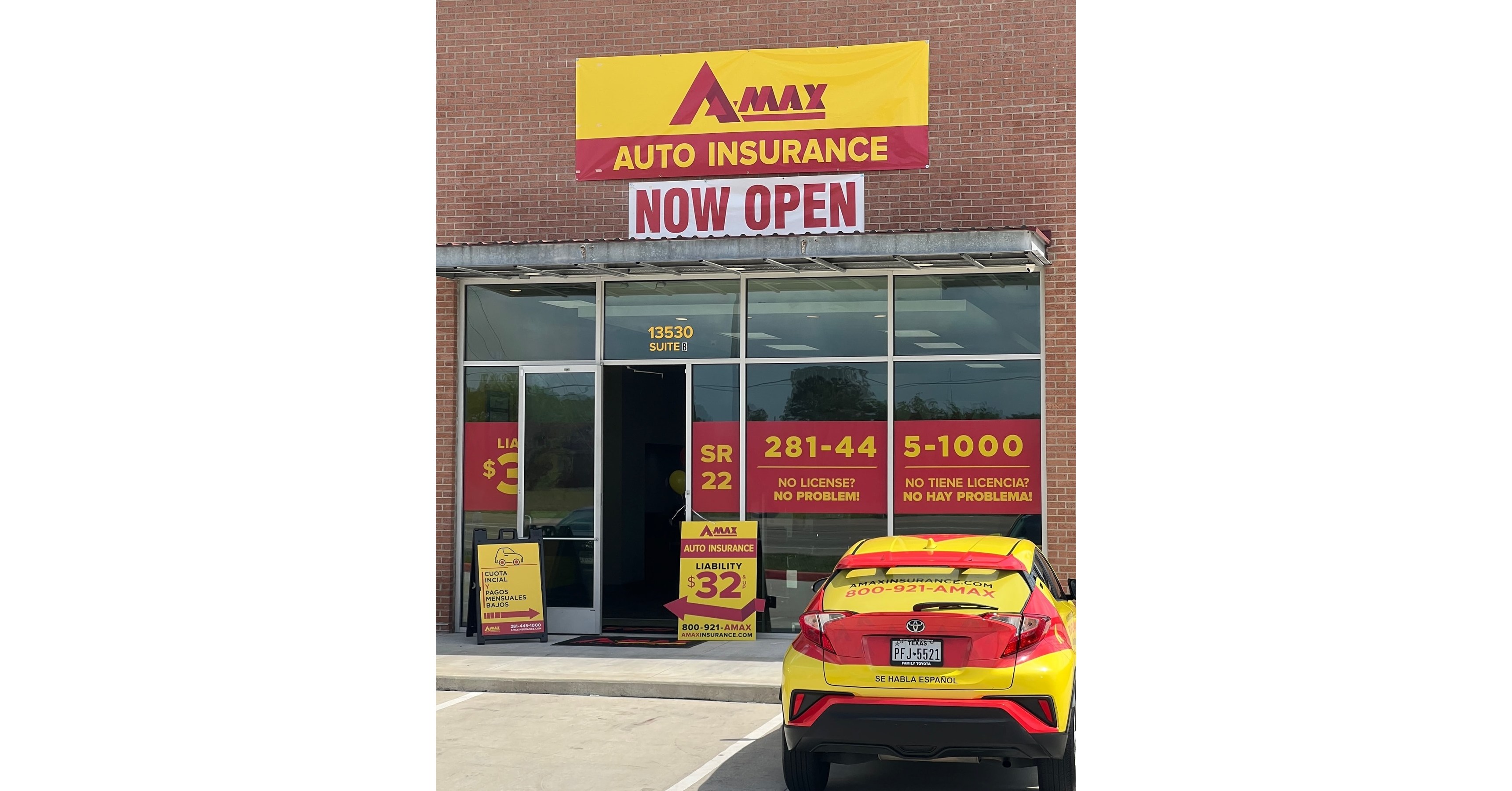
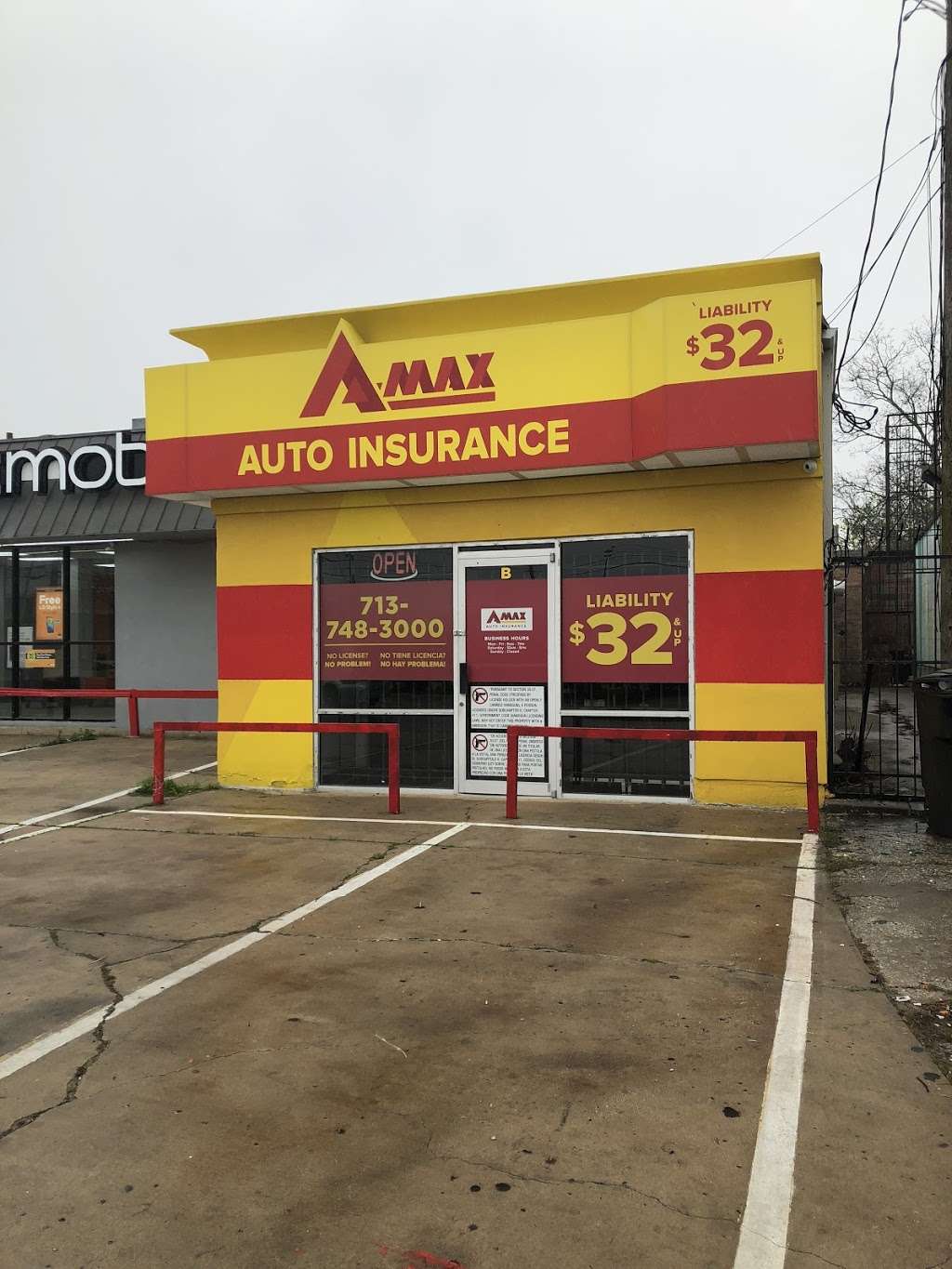
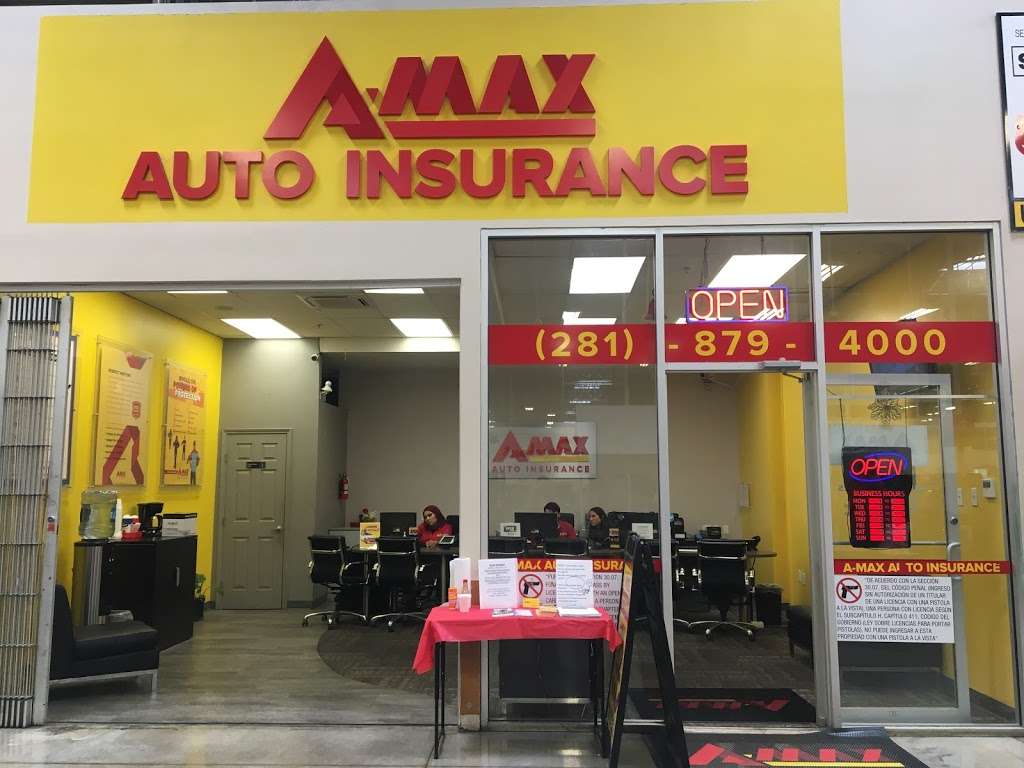
When searching for a "Max Auto Insurance near me," policyholders often encounter regional insurance brokerages, specialized non-standard auto agencies, or local offices operating under the Max Auto Insurance trade brand. Unlike large direct-to-consumer carriers that handle customer service primarily through call centers or algorithms, local auto insurance agencies maintain physical offices staffed by agents who understand regional driving conditions, municipal requirements, and state-specific legal standards.
Local insurance offices generally operate under one of two structures: captive agencies or independent brokerages. Captive agents represent a single underwriting carrier, whereas independent brokers partner with multiple regional and national underwriters—including specialized non-standard carriers—to shop for competitive quotes on your behalf. A local Max Auto Insurance office typically specializes in matching drivers with flexible policies, catering both to standard policyholders seeking affordable rates and to non-standard drivers who need specialized coverage solutions, such as SR-22 financial responsibility filings or immediate insurance reinstatements.
Establishing a relationship with a nearby physical office bridges the gap between digital convenience and personal accountability. While national insurance portals rely on standardized risk algorithms, local agents can evaluate nuanced factors, such as daily municipal commute routes, local parking environments, and state-specific liability trends, ensuring your vehicle receives adequate protection without unnecessary policy bloat.
Key Advantages of Choosing a Local Max Auto Insurance Office
Selecting an insurance provider is not solely a matter of finding the lowest advertised rate; it requires evaluating service accessibility, claims assistance, and policy customization. Local agency branches offer several tangible benefits that distinguish them from purely online insurance aggregators.
- Personalized Local Rate Customization & Regional Discounts
- Expert Assistance with SR-22 Filings & High-Risk Profiles
- In-Person Paperwork Processing & Instant Proof of Insurance
- Flexible Cash & In-Office Payment Options
- Dedicated Local Claims Support & State Compliance Guidance
1. Tailored Local Coverage and Regional Risk Insights
Local agents operate within your community and understand regional hazards, such as localized weather patterns, congested commuter corridors, or specific uninsured motorist statistics. This localized knowledge allows an agent to recommend balanced policy limits rather than generic minimums that might leave your personal assets exposed in an accident.
2. Specialized Solutions for Non-Standard and High-Risk Drivers
Drivers with past coverage lapses, minor traffic violations, or serious infractions like DUIs often face automated rejections or prohibitive pricing on national direct-to-consumer websites. Local Max Auto Insurance locations frequently specialize in non-standard auto insurance. Agents can manually review your file, submit mandatory state filings such as SR-22 forms directly to your state department of motor vehicles, and identify underwriters willing to offer reasonable terms.
3. Immediate Paperwork Processing and Same-Day Coverage
When purchasing a new vehicle or transferring a title, waiting days for policy updates or digital verification can cause unnecessary delays. Visiting a nearby physical office enables same-day policy binding, immediate physical issuance of insurance ID cards, and real-time electronic reporting to state registration authorities.
4. Flexible Payment Plans and In-Person Billing Options
Online portals usually require automatic clearing house (ACH) bank withdrawals or credit card payments on strict schedules. Local Max Auto Insurance branches often accommodate diverse payment arrangements, including localized cash payments, money orders, split monthly schedules, and low down-payment options tailored to individual income cycles.
Comprehensive Coverage Options Available Through Max Auto Insurance
Auto insurance policies consist of several standard and optional coverages mandated or regulated by state law. Understanding how these policy building blocks function allows you to structure a policy that meets legal mandates while preserving financial security.
- Liability Coverage (Bodily Injury/Property)
- First-Party Medical (PIP / Medical Payments)
- Physical Damage Protection (Collision & Comprehensive)
- Add-on / Endorsements (Roadside, Towing, Rental)
Mandatory Liability Protection
Liability insurance pays for bodily injury and property damage you cause to other drivers, passengers, or property owners in an at-fault accident. It is expressed in split limits, such as 25/50/25 ($25,000 bodily injury per person, $50,000 total bodily injury per accident, and $25,000 property damage limit). While state-minimum liability fulfills legal requirements to keep a vehicle registered, selecting higher limits protects personal savings from third-party lawsuits.
Comprehensive and Collision Coverages
If your vehicle is financed or leased, your lender will mandate physical damage coverage:
- Collision Coverage: Pays to repair or replace your vehicle following an impact with another automobile, object, or rollover event, regardless of fault.
- Comprehensive Coverage: Covers non-collision incidents, including theft, vandalism, windshield damage, contact with animals, hail, fire, or severe storm damage.
Both coverages require choosing a deductible—typically ranging from $250 to $1,000—which represents the out-of-pocket amount you pay before insurance coverage applies.
Uninsured and Underinsured Motorist Protection (UM/UIM)
Uninsured Motorist (UM) coverage protects you and your passengers if you are struck by a driver who lacks valid auto insurance or leaves the scene of an accident. Underinsured Motorist (UIM) coverage fills the gap when an at-fault driver carries state-minimum limits that fall short of total medical bills or repair expenses.
Personal Injury Protection (PIP) and Medical Payments
Depending on whether you live in a "no-fault" or "fault-based" insurance state, Personal Injury Protection (PIP) or Medical Payments (MedPay) pays for immediate medical expenses, hospital bills, lost wages, or essential rehabilitation services for you and your passengers, regardless of who caused the collision.
Comparing Local Max Auto Insurance to Direct Online Insurers
To determine whether a local Max Auto Insurance office suits your needs, compare how local physical agencies operate relative to online national carriers:
| Feature / Metric | Local Max Auto Insurance Agency | Direct Online Carrier |
|---|---|---|
| Service Model | Face-to-face local agents & dedicated phone support | Call centers, online chatbots, & mobile apps |
| High-Risk / Non-Standard Handling | High (specialized in SR-22, lapses, clean slate) | Moderate to Low (automated algorithm declines) |
| Payment Options | Cash, money order, flexible monthly schedules | Automatic ACH, credit card, standard monthly auto-pay |
| Quote Customization | Agent-guided review of local factors | Self-guided online input |
| State DMV Integration | Immediate local processing & hard-copy issuance | Electronic submission (may take 24–72 hours) |
| Deductible Flexibility | Tailored to immediate out-of-pocket budget | Standardized tier brackets ($500 / $1,000 default) |
| Claims Handling Assistance | Agent acts as local liaison with adjusters | Direct digital claim portal submission |
Essential Steps to Evaluate a Local Max Auto Insurance Agent
Before committing to a policy, follow these structured steps to evaluate a nearby office and ensure you receive transparent pricing and complete policy protection.
Step 1: Verify Licensing and State Standing
Check your state’s Department of Insurance or Financial Regulation online database to verify that the agent and agency hold valid, active producer licenses. Ensure there are no unresolved administrative enforcement actions or legal disputes logged against the office.
Step 2: Prepare Mandatory Documents
When visiting or calling a local office, bring all relevant records to obtain an accurate quote:
- Valid driver’s license numbers for all household members.
- Vehicle Identification Numbers (VINs) for all vehicles requiring coverage.
- Current vehicle registration papers or title documents.
- History of recent insurance coverage or prior declaration pages.
- Driving record history, including dates of any past tickets or accidents.
Step 3: Review Exclusions and Endorsements Carefully
Ask your agent to clearly explain any policy exclusions. For example, check whether permissive use is included (whether occasional drivers are covered) or if named-driver exclusions apply. If you use your vehicle for rideshare, delivery, or commercial errands, verify whether a business endorsement is required.
Step 4: Examine Deductibles and Payment Schedules
Evaluate how changes to your comprehensive and collision deductibles alter your monthly premium. Ask the agent for a full itemized breakdown of down payments, installment processing fees, late charges, and policy reinstatement terms.
Common Mistakes to Avoid When Buying Local Auto Insurance
Selecting vehicle coverage under tight deadlines or strict budget constraints can lead to oversight. Avoid these common mistakes when setting up your policy:
- Selecting Minimum Liability Without Assessing Asset Risk: Opting for state minimum limits lowers monthly payments but leaves personal bank accounts and future earnings vulnerable if damages in a major accident exceed those policy limits.
- Failing to Disclose Household Drivers: Omitting family members or resident drivers from your application can result in claim denials or retroactive policy cancellation following an accident.
- Ignoring Gap Insurance on Financed Vehicles: If your vehicle is financed or leased, primary auto insurance only pays its current actual cash value (ACV). If you owe more on your auto loan than the vehicle's market value, you remain responsible for the financial difference unless you add gap insurance.
- Allowing Coverage Lapses: Driving even a single day without active insurance can lead to state fines, license suspension, mandatory SR-22 requirements, and significantly higher insurance premiums across future renewal periods.
Frequently Asked Questions
What makes a local Max Auto Insurance office different from buying coverage directly online?
Local offices provide direct access to human agents who can assist with complex driving records, explain complicated policy terms, process cash payments, and handle immediate state paperwork. Direct online carriers rely primarily on automated self-service systems and algorithm-driven rate calculation.
Can a local Max Auto Insurance agency assist with SR-22 filings?
Yes. Many local Max Auto agencies specialize in non-standard insurance and routinely process SR-22 certificates of financial responsibility required by state regulatory agencies after license suspensions, major traffic violations, or uninsured driving offenses.
What should I bring when requesting a quote at a physical office?
Bring your driver's license, vehicle registration or title documents, VIN numbers, details of any past accidents or violations, and copies of your current or recent auto insurance declaration pages.
Do local auto insurance agencies accept cash payments?
Many local agencies offer in-person cash, money order, or debit card payment processing. This makes them accessible for policyholders who prefer not to use automatic bank account debits or direct credit card billing.
Will purchasing insurance through a local agency cost more than buying online?
Not necessarily. While direct online platforms emphasize low overhead, local agents often have access to specialized regional carriers, low-mileage discounts, and localized rating structures that result in equal or lower overall premiums for eligible drivers.
Practical Next Steps for Securing Your Policy
If you are evaluating auto insurance options in your area, follow this final action plan to secure reliable coverage:
- Audit Your Current Needs: List mandatory state minimums, vehicle loan requirements, and personal budget limits.
- Contact the Local Office: Call or visit your nearby Max Auto Insurance branch to request a personalized rate review.
- Compare Multi-Policy Discounts: Inquire if bundling auto insurance with renters, motorcycle, or commercial coverage reduces overall costs.
- Review Declarations Before Signing: Verify driver lists, vehicle VINs, policy start dates, and chosen liability limits prior to paying your initial deposit.
- Keep Proof of Insurance Accessible: Store digital and printed copies of your active insurance cards in your vehicle and mobile device immediately after policy binding.
Image Gallery