Inside Mick Jagger’s Global Estates: A Deep Dive into the Interior Design of a Rock Legend
Mick Jagger’s interior design aesthetic is a sophisticated blend of Bohemian Aristocracy and high-end Eclecticism, characterized by the preservation of historic architecture paired with bold, global influences. His residences—spanning...
Mick Jagger’s interior design aesthetic is a sophisticated blend of Bohemian Aristocracy and high-end Eclecticism, characterized by the preservation of historic architecture paired with bold, global influences. His residences—spanning from 16th-century French chateaus to Japanese-inspired Caribbean pavilions—feature a meticulous curation of fine antiques, vibrant textiles, and professional-grade creative spaces.
Contents
As of 2026, Sir Mick Jagger remains one of the most prolific property owners in the music industry. His portfolio is not merely a collection of luxury real estate; it is a visual history of his evolution from a counter-culture icon to a knighted pillar of the British establishment. To understand "Mick Jagger's house interior" is to look at a design philosophy that values heritage, privacy, and an unapologetic love for texture and color.
The Philosophy of "Bohemian Aristocracy"
The interior style of Mick Jagger is often described by designers as "Bohemian Aristocracy." This style avoids the sterile minimalism often found in modern celebrity homes, opting instead for a "lived-in" grandeur. It is a look that suggests a collection gathered over decades of world travel rather than a single showroom purchase.
Layering and Texture
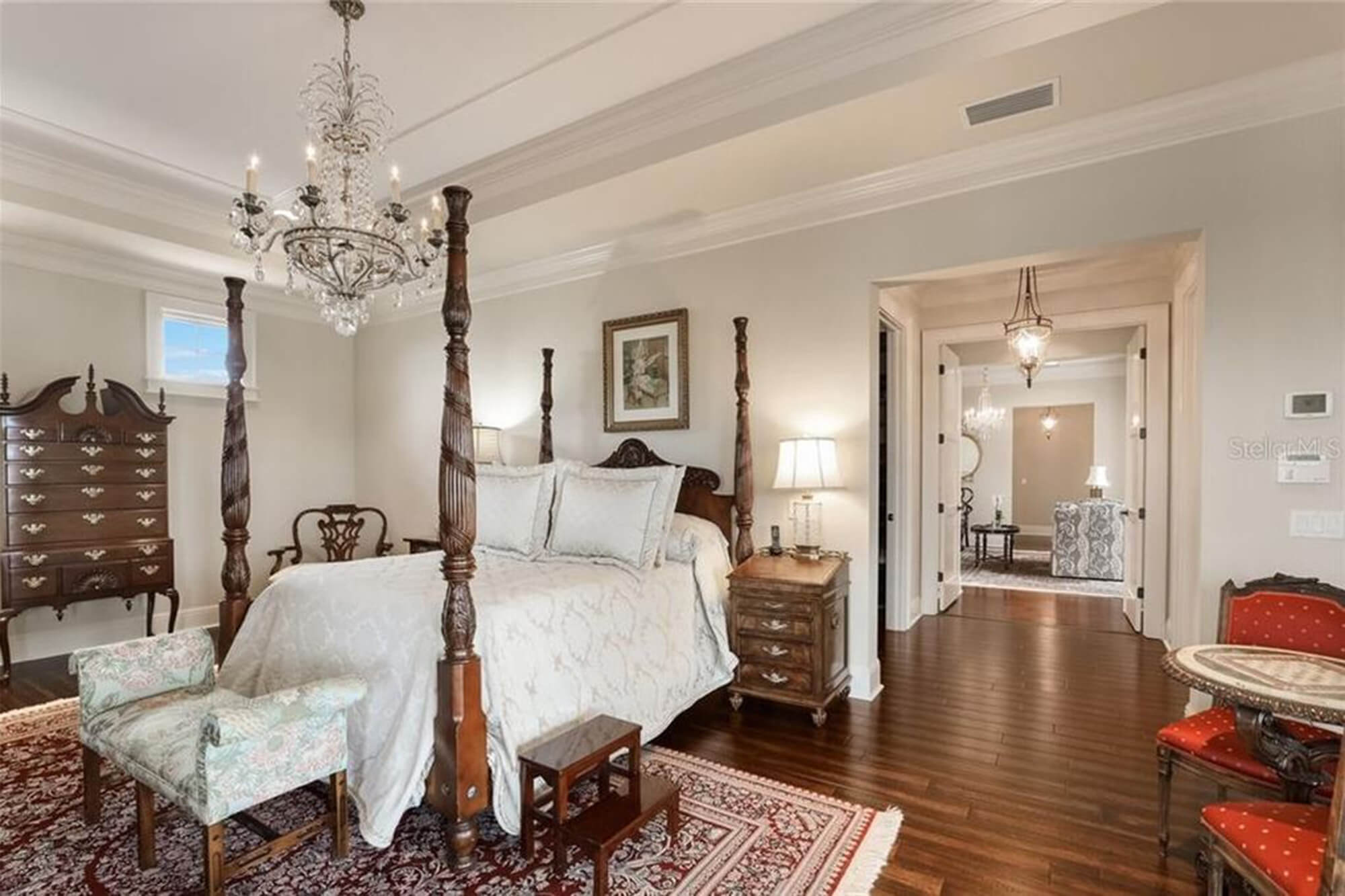
In Jagger’s homes, surfaces are rarely left bare. There is a heavy emphasis on layering. You will find Persian rugs layered over sisal matting, and velvet throw pillows resting on silk-upholstered antique settees. This layering creates a sense of warmth and acoustic dampening, which is essential for a musician’s residence.
Color Palettes
While many billionaires lean toward neutrals to maintain resale value, Jagger’s interiors embrace a "rock-and-roll" palette. Expect to see deep jewel tones—emerald green, sapphire blue, and ruby red—often contrasted with the muted ochres and creams of historic lime-wash or plaster walls. These colors serve as a backdrop for an extensive art collection that reportedly includes works by Andy Warhol and other contemporary masters.
La Fourchette: The 16th-Century French Sanctuary
Located in the Loire Valley, Jagger’s French retreat, La Fourchette, offers the best insight into his appreciation for classical European interiors. Purchased in the early 1980s, this chateau has been meticulously restored to balance its 16th-century bones with modern comforts.
Architectural Preservation
The interior of La Fourchette is defined by its original features:
- Exposed Oak Beams: These have been preserved and treated to maintain their dark, rustic character, providing a structural rhythm to the upper-floor rooms.
- Stone Fireplaces: Massive, walk-in limestone hearths serve as the focal points of the primary living areas, often decorated with 18th-century French candelabras.
- Tomettes Flooring: The traditional terracotta floor tiles (tomettes) have been polished to a soft patina, grounding the rooms in local French history.
The Music Room and Creative Spaces
Unlike a commercial studio, the music room at La Fourchette is designed to feel residential. It features heavy drapes for sound management, but the equipment is integrated into the room's decor. This space reflects Jagger's need for a functional workspace that does not compromise the aesthetic integrity of a historic chateau.
Stargroves, Mustique: Japanese-Inspired Minimalism
In stark contrast to his European holdings is his villa on the private island of Mustique. Named Stargroves, this property consists of six separate pavilions connected by raised wooden walkways. The interior design here shifts toward a "Zen-Tropical" aesthetic.
Use of Natural Materials
The interior of the Mustique villa relies heavily on:
- Teak and Bamboo: The structural elements and much of the custom furniture are crafted from sustainable hardwoods, designed to withstand the Caribbean humidity.
- Open-Air Living: The "interiors" often lack traditional walls, using folding shutters and screens to blur the line between the indoor living space and the surrounding tropical gardens.
- Chinoiserie and Japonisme: Jagger incorporated Japanese architectural themes, including shoji-style screens and minimalist low-profile seating, which provide a calm, meditative atmosphere far removed from the chaos of touring life.
Lighting and Ambiance
Lighting in Stargroves is designed to be soft and indirect. Instead of harsh overhead fixtures, the pavilions use paper lanterns and recessed floor lighting to highlight the textures of the wood and stone, creating a sanctuary-like environment.
The London Residences: Chelsea and Richmond
Jagger has long maintained a presence in London, specifically in the affluent areas of Chelsea and Richmond. His Richmond home, Downe House, is a Grade II listed Georgian villa that exemplifies the peak of British interior refinement.
The Georgian Influence
The interiors of his London homes often feature:
- Ornate Cornicing and Plasterwork: High ceilings are accented with intricate dental molding and ceiling roses, typical of the 18th century.
- Sash Windows: Large, floor-to-ceiling windows are dressed in heavy silk or brocade curtains, which provide both privacy and a sense of theatricality.
- Library and Study: Jagger is known as a voracious reader. His London interiors invariably include floor-to-ceiling bookshelves, often made of mahogany or walnut, housing vast collections of history and literature.
The Integration of Art and Memorabilia
While most of his homes are sophisticated, they are not museums. Jagger integrates his history into the decor through subtle touches—a vintage concert poster framed as fine art, or a collection of rare vinyl housed in bespoke cabinetry. The London homes are where his "City Gentleman" persona meets his "Rock Icon" reality.
The Florida Residence: Mediterranean Modernity
Purchased more recently for his partner Melanie Hamrick, the Sarasota residence in The Lake Club represents a more contemporary side of Jagger’s real estate tastes. While still luxurious, the interior leans toward the Mediterranean Revival style popular in Florida.
Modern Luxury Features
- Open Floor Plans: Unlike the cellular rooms of his French chateau, the Florida home features a "Great Room" concept where the kitchen, dining, and living areas flow into one another.
- Neutral Stone Surfaces: Large-format marble and travertine floors keep the interior cool in the Florida heat.
- Smart Home Integration: As of 2026, this property is the most technologically advanced in his portfolio, featuring invisible integrated audio systems and climate-controlled art storage.
Comparing the Key Interior Styles of Mick Jagger’s Homes
The following table highlights the distinct differences between Jagger’s primary residences, showing how he adapts his style to the local environment and the home's history.
| Property Name | Location | Primary Interior Style | Standout Feature |
|---|---|---|---|
| La Fourchette | Loire Valley, France | 16th-Century Rustic | Original limestone hearths and tomettes flooring. |
| Stargroves | Mustique, West Indies | Japanese Pavilion | Open-air pavilions with teak and bamboo joinery. |
| Downe House | Richmond, London | Georgian Elegance | Ornate 18th-century plasterwork and mahogany libraries. |
| Sarasota Villa | Florida, USA | Mediterranean Revival | Open-concept living with modern smart-home tech. |
| Cheyne Walk | Chelsea, London | Bohemian Townhouse | Eclectic art collections and vibrant silk wall coverings. |
How to Emulate the Jagger Aesthetic
Achieving the "Mick Jagger look" in your own home doesn't require a rock star's budget, but it does require a specific approach to curation and quality.
1. Prioritize "The Hunt"
Jagger’s interiors are successful because they look collected, not bought. To emulate this, avoid "sets" of furniture. Instead, look for individual pieces at estate sales, antique markets, and independent galleries. A 1970s Italian lamp can sit perfectly next to a Victorian side table if the scale is correct.
2. Invest in Textiles
The most accessible way to replicate this style is through fabrics. Look for high-quality velvets, heavy linens, and intricate silks. Use these for cushions, throws, and curtains. Don't be afraid to mix patterns—combine a floral print with a geometric weave, provided they share a common color thread.
3. Focus on "Soft Architecture"
If you don't live in a 16th-century chateau, you can create architectural interest through "soft" changes. Add crown molding, install a ceiling rose, or use wall-framing kits to give flat walls the appearance of period paneling. This provides the "Aristocratic" base for your "Bohemian" decor.
4. Personalize with Art
Jagger’s homes reflect his interests. Display your books, your music collection, and art that moves you. The key is in the framing; even a simple sketch or a vintage map looks "high-end" when placed in a custom frame with a generous mount.
Frequently Asked Questions
Does Mick Jagger design his own interiors?
While Mick Jagger is heavily involved in the creative direction of his homes, he has historically collaborated with world-renowned designers and architects. Names like Nicky Haslam and Victoria Wyman have been associated with his properties. Jagger is known to have a "very keen eye" and a deep knowledge of art history, making him a very active client in the design process.
What is the most common material found in Mick Jagger’s houses?
Natural wood and stone are the most prevalent. Jagger prefers authentic materials over synthetic ones. You will find a great deal of solid oak, mahogany, and teak, along with natural limestone and marble. These materials age gracefully, which aligns with his preference for homes that look established and timeless.
How does he balance privacy with the "Rock Star" lifestyle in his homes?
Privacy is built into the interior design through the use of "buffer zones"—long hallways, libraries that act as transition spaces, and heavy acoustic insulation. In Mustique, privacy is achieved through the pavilion layout, where bedrooms are often in separate buildings from the main social areas.
Can you rent or visit any of Mick Jagger’s homes?
Stargroves in Mustique was historically available for rent through the Mustique Company, allowing fans and luxury travelers to experience the interior firsthand. However, his primary residences in France and London remain strictly private.
Are there recording studios in all of his houses?
Not all, but most of his major residences include a dedicated space for music. These aren't always full-scale commercial studios; often, they are high-end "writing rooms" equipped with premium microphones, soundproofing, and space for his guitars and keyboards, allowing him to record demos or finish tracks in a comfortable, inspiring environment.
Final Recommendation for Design Enthusiasts
If you are looking to draw inspiration from Mick Jagger’s interior design, start by embracing maximalism with restraint. Focus on one room at a time, building layers of history through antiques and high-quality textiles. The goal is to create a space that feels like a personal sanctuary—one that respects the history of the building while reflecting the bold, creative spirit of its inhabitant.
Image Gallery