Navigating Envios Auto Insurance: Coverage Options, Remittance Policies, and Cross-Border Considerations
Envios auto insurance generally refers to specialized vehicle coverage and cross-border remittance mechanisms associated with sending or insuring vehicles across international boundaries, particularly between the United States and Lati...
Envios auto insurance generally refers to specialized vehicle coverage and cross-border remittance mechanisms associated with sending or insuring vehicles across international boundaries, particularly between the United States and Latin American countries or domestic remittance networks that facilitate financial services for immigrant communities. Securing the appropriate policy requires careful alignment with local regulatory mandates, vehicle transport logistics, and specific cross-border stipulations.
Contents
Understanding the Scope of Cross-Border and Specialty Auto Coverage
The term "envios auto insurance" typically bridges two critical consumer needs: the logistical process of sending (envíos) money or assets across borders, and the specialized insurance products required when vehicles are driven internationally or purchased through remittance-backed financial services. When transporting a vehicle across borders—such as from the United States into Mexico or Central America—standard domestic auto insurance policies usually provide limited or zero liability coverage beyond national borders.
Drivers must navigate a complex landscape of foreign liability laws, mandatory local permits, and specialized temporary import bonds. Failing to secure the correct tier of cross-border protection can result in severe legal penalties, vehicle impoundment, or catastrophic financial exposure in the event of an accident. Consequently, understanding the intersection of international logistics and insurance mandates is paramount for vehicle owners seeking compliant travel or safe transport.
Regulatory Frameworks and Mandatory Legal Requirements
Operating or transporting a motor vehicle across international boundaries demands strict adherence to foreign jurisdictions. Most sovereign nations require foreign-plated vehicles to carry locally issued third-party liability insurance, as domestic policies from the origin country are rarely recognized by local traffic authorities or courts.
International Insurance Mandates
- Third-Party Liability: Foreign drivers must purchase statutory liability coverage from an authorized insurer in the destination country to cover bodily injury and property damage inflicted on third parties.
- Mexican Federal Highways: Under Mexican law, federal regulations mandate proof of financial responsibility or valid Mexican liability insurance for all vehicles operating on federal highways and bridges.
- Proof of Ownership: Customs authorities require clear titles, registration documents, and verifiable proof of insurance before granting temporary vehicle importation permits (TIPs).
Without these verified documents, border control agencies routinely deny entry, stranding travelers and commercial operators alike. It is essential to verify that the chosen insurance provider is legally admitted to write policies within the specific destination jurisdiction.
Coverage Types Available for International and Remittance-Backed Policies
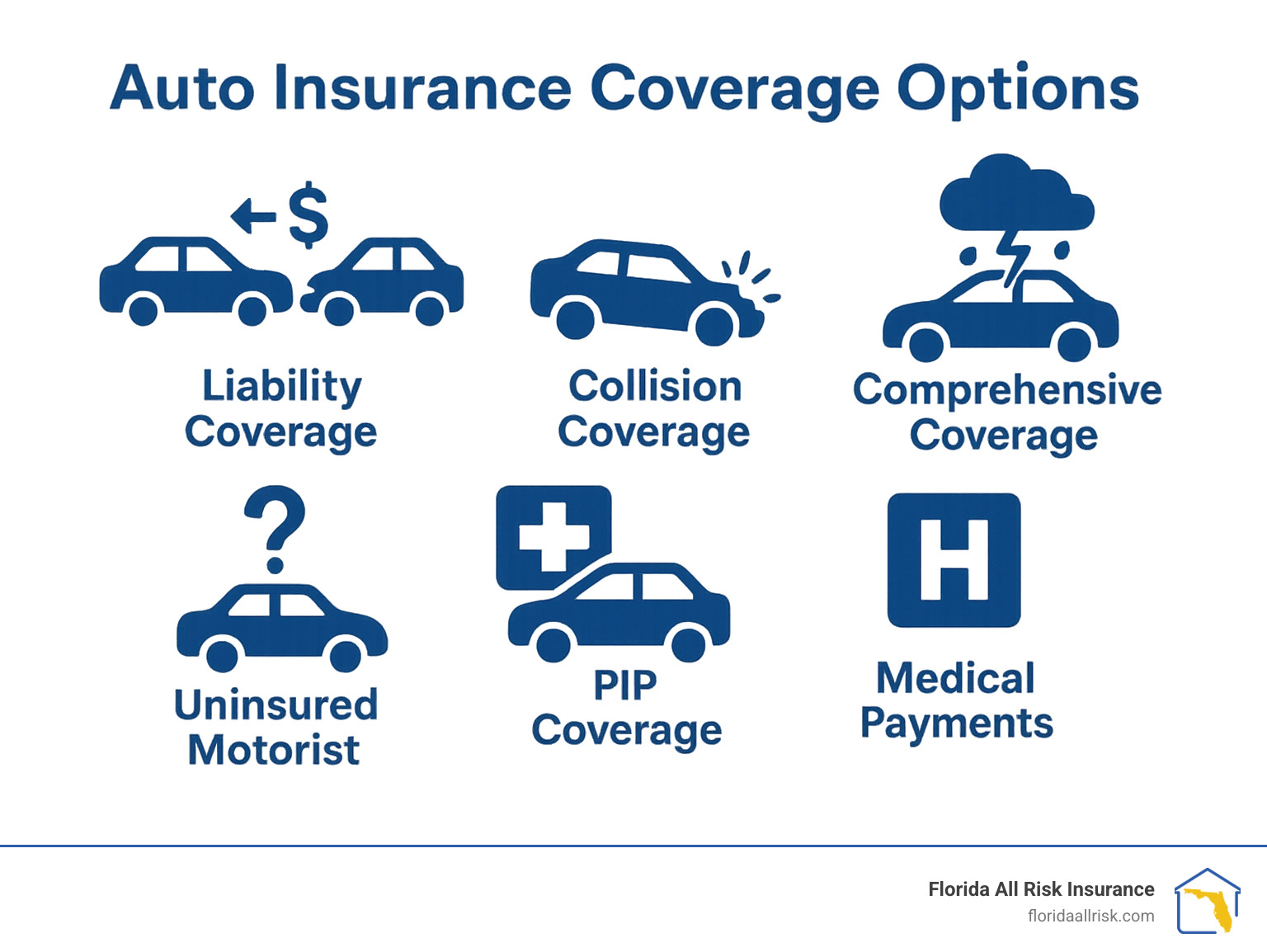
Securing adequate protection involves selecting a combination of comprehensive, collision, and specialized liability riders designed for cross-border transit. The following table outlines the primary coverage tiers typically associated with international vehicle operations and specialty remittance-linked programs.
| Coverage Type | Primary Purpose | Jurisdiction Scope | Typical Inclusion |
|---|---|---|---|
| Mexican/Foreign Liability | Fulfills local legal mandates for third-party injury and damage. | Destination Country (e.g., Mexico, Canada) | Bodily injury, property damage, legal assistance, and bail bond relief. |
| Physical Damage & Theft | Protects the owner's vehicle against collisions, natural disasters, and total theft. | Origin and Destination (depending on endorsement) | Actual cash value payout, vandalism, fire, and collision repairs. |
| Medical Payments | Covers medical expenses for the driver and passengers regardless of fault. | Specified Policy Territory | Emergency room care, hospitalization, and ambulance services. |
| Roadside Assistance | Provides emergency towing, flat tire changes, and fuel delivery abroad. | Cross-Border Transit Corridors | 24/7 dispatch services, mechanical first aid, and repatriation of vehicle. |
Financial Services and Remittance Integration
Many consumers encounter "envios auto insurance" within the context of family remittance networks—where individuals living abroad send financial support home to cover vehicle financing, maintenance, or local insurance premiums. Financial technology platforms and specialized remittance agencies now allow customers to pay foreign insurance bills directly from domestic bank accounts.
When utilizing remittance channels for auto insurance, consumers must pay close attention to exchange rates, transaction fees, and processing times. A policy lapse caused by a delayed international wire transfer can leave a vehicle uninsured during transit or daily operation. Opting for automated recurring payments through established international banking partnerships mitigates the risk of unintended coverage cancellation.
Step-by-Step Guide to Securing Cross-Border Auto Protection
Navigating the procurement process requires a structured approach to ensure full compliance and adequate financial shielding. Vehicle owners should complete the following sequence before embarking on international travel or finalizing cross-border asset transfers:
- Verify Domestic Policy Limitations: Contact your current auto insurance provider to determine the exact geographical boundaries of your existing policy and request a written binder or endorsement if limited international coverage is available.
- Select an Authorized Foreign Insurer: Research licensed insurers that specialize in cross-border protection for your specific destination, ensuring they maintain valid regulatory standing and reliable claims-adjusting networks abroad.
- Gather Essential Documentation: Compile your vehicle title, current registration, valid driver's licenses for all intended operators, and official identification documents.
- Choose Comprehensive Tiers: Balance mandatory third-party liability with optional physical damage, theft, and legal assistance riders based on the vehicle's market value and travel itinerary.
- Finalize Temporary Import and Permit Requirements: Coordinate insurance validation with customs brokers or government agencies required to issue temporary vehicle importation permits.
Common Mistakes and Risk Mitigation
Navigating international vehicle insurance is fraught with potential pitfalls that can invalidate coverage or lead to unexpected out-of-pocket expenses.
- Assuming Domestic Coverage Applies: Many motorists mistakenly assume comprehensive and collision coverage extends indefinitely across international borders. Always verify territorial limits in writing.
- Purchasing Non-Admitted Policies: Buying insurance from unauthorized, unlicensed brokers operating informally across borders can render the policy legally void in the event of an accident or police inspection.
- Overlooking Legal Assistance Riders: Operating in a foreign legal system can be intimidating. Policies that include legal defense and bail bond assistance are vital for resolving roadside disputes or minor traffic accidents swiftly.
- Ignoring Currency Fluctuations: When paying foreign premiums via remittance, fluctuations in exchange rates can result in underfunded policy payments, leading to retroactive cancellations.
Frequently Asked Questions
Does my domestic auto insurance cover my car while driving in another country?
Most standard domestic auto insurance policies limit coverage to the United States and Canada. Driving into Mexico or other international destinations typically requires purchasing a separate, specialized temporary or resident auto insurance policy from a licensed carrier in that country.
What is a Temporary Vehicle Importation Permit (TIP), and do I need insurance to get it?
A Temporary Vehicle Importation Permit is an official document issued by customs authorities allowing a foreign-plated vehicle to enter a country temporarily. Most customs agencies require proof of valid local third-party liability insurance before they will issue the permit.
How do remittance services factor into foreign auto insurance?
Remittance platforms enable individuals to transfer funds internationally to pay for foreign insurance premiums, vehicle loans, or maintenance. This allows expatriates and transnational workers to maintain active policies for family members residing abroad.
What should I do immediately if I get into an accident abroad?
Contact local law enforcement immediately to file an official report, notify your cross-border insurance provider's emergency claims hotline, and refrain from admitting fault or signing unverified documents until authorized legal assistance arrives.
Are legal assistance and bail bonds included in cross-border auto policies?
Many reputable cross-border insurance policies include optional or embedded legal assistance and bail bond coverage, which are crucial for navigating foreign legal procedures and releasing impounded vehicles following an accident.
Practical Next Actions
Review your current auto insurance declarations page and verify the exact geographic territory where your policy remains active. If your travel plans or financial commitments involve cross-border vehicle operations, consult with an independent insurance broker specializing in international transit to obtain customized quotes, verify regulatory compliance, and secure appropriate liability and physical damage riders well in advance of departure.
Image Gallery