The De’Von Achane 40-Minute Speed and Explosiveness Routine Revealed
De’Von Achane’s elite performance is built on a specific 40-minute high-intensity routine that prioritizes neural activation, track-refined sprint mechanics, and eccentric muscle loading. By combining plyometric "shocks" with maximum v...
De’Von Achane’s elite performance is built on a specific 40-minute high-intensity routine that prioritizes neural activation, track-refined sprint mechanics, and eccentric muscle loading. By combining plyometric "shocks" with maximum velocity drills, this routine allows the Miami Dolphins running back to maintain world-class acceleration and "one-cut" explosiveness throughout a standard NFL game cycle.
Contents
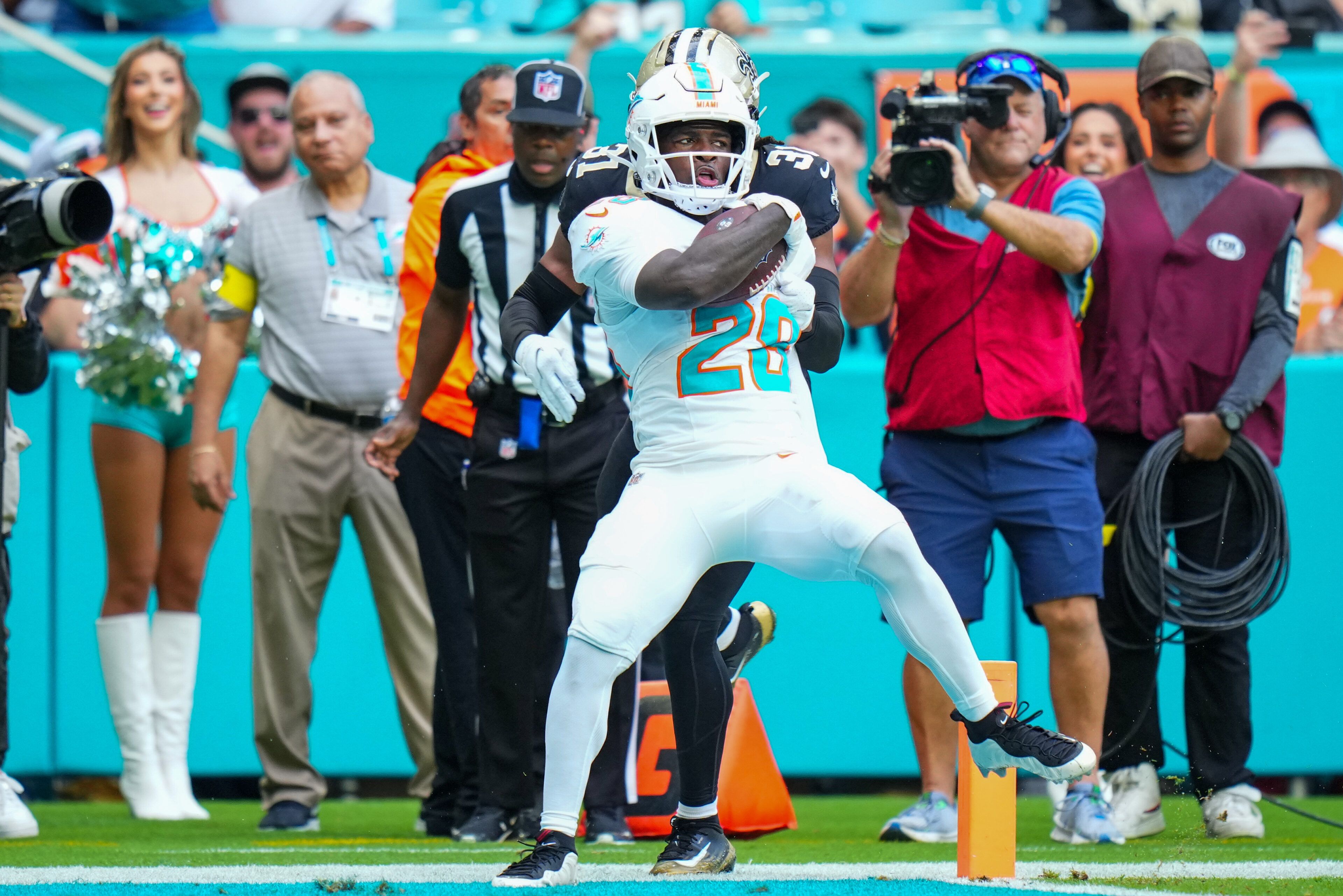
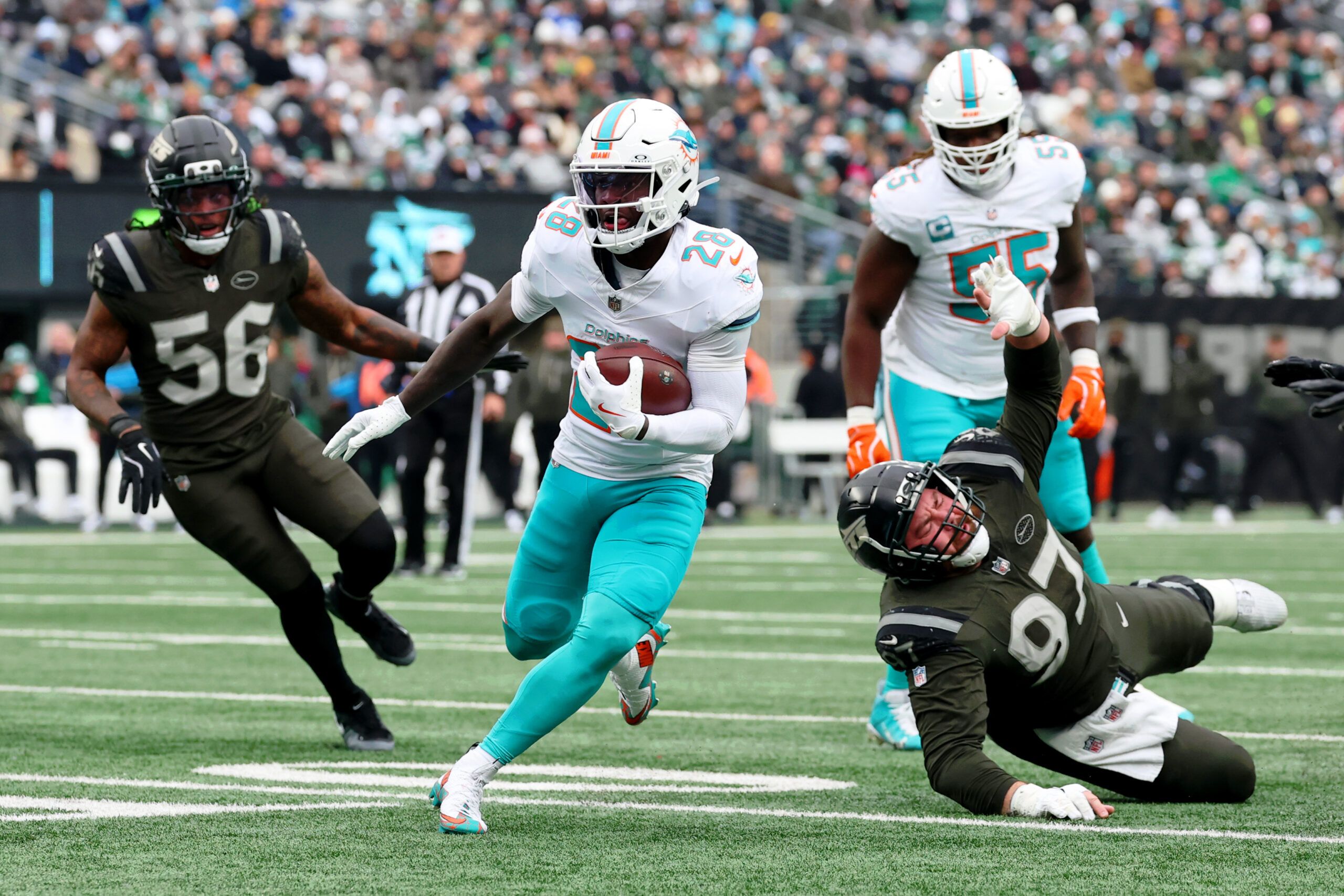
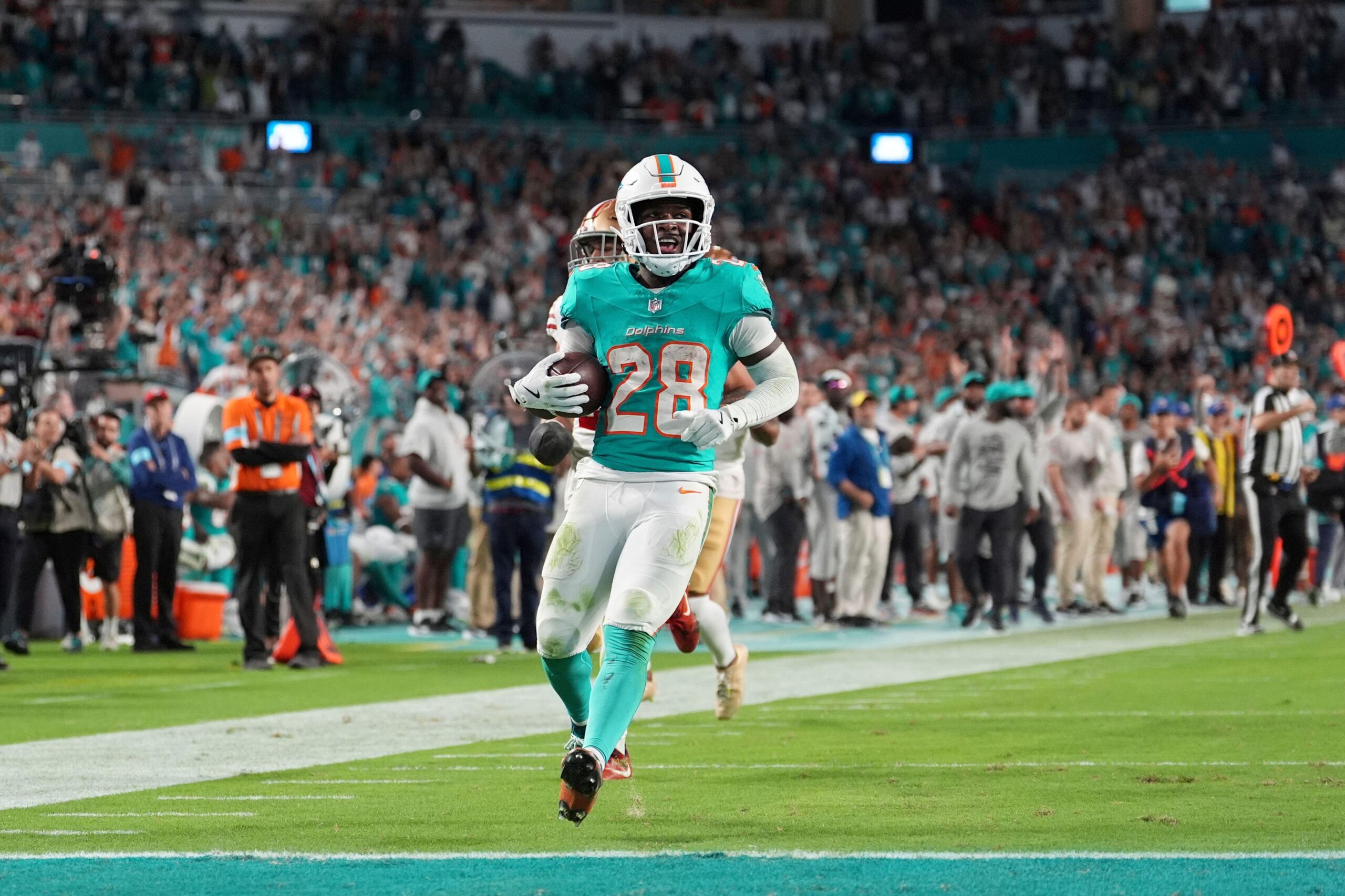
As we move through the 2026 NFL season, De’Von Achane remains a case study in how track-and-field fundamentals can be synthesized into elite football production. While many athletes focus on sheer bulk, Achane’s 40-minute routine focuses on "force production per pound." This approach minimizes unnecessary mass while maximizing the rate of force development (RFD), which is the scientific metric for how quickly an athlete can reach peak power.
The Philosophy of "Track Speed" in the NFL
To understand the 40-minute routine, one must first understand Achane’s background at Texas A&M, where he excelled as a dual-sport athlete. Track speed is often misunderstood in a football context. On the track, speed is linear and predictable; on the football field, speed must be reactive and multi-directional. Achane’s routine bridges this gap by focusing on the "piston" movement of the lower extremities.
The routine is designed to be performed three times a week during the off-season and scaled to twice a week during the competitive season. It is not a traditional weightlifting session. Instead, it is a metabolic and neurological "tune-up" that ensures the fast-twitch Fibers (Type IIx) are firing at maximum efficiency.
Prerequisites for the 40-Minute Routine
Before attempting this high-velocity protocol, athletes must have a baseline of posterior chain strength. Because the routine involves significant eccentric loading—the phase where muscles lengthen under tension—the risk of hamstring strains is high for those without proper conditioning.
- Baseline Strength: A squat-to-bodyweight ratio of at least 1.5x is recommended to handle the plyometric forces.
- Surface Selection: This routine should be performed on turf or natural grass. Hard surfaces like concrete or standard gym flooring do not provide the necessary shock absorption for maximum velocity drills.
- Footwear: Speed-specific cleats or high-performance trainers with lateral support are required to prevent ankle roll during the agility phases.
- Hydration and Electrolytes: High-twitch movements deplete glycogen and neural transmitters rapidly; ensure a state of hyper-hydration before beginning.
Phase 1: Neural Activation and Dynamic Mobility (0–10 Minutes)
The first ten minutes are not a "warm-up" in the traditional sense of light jogging. Instead, this phase focuses on waking up the Central Nervous System (CNS). Achane utilizes "iso-max" holds and dynamic stretches that mimic the sprinting gait.
Key Movements:
- A-Skips and B-Skips: These are classic track drills that emphasize knee drive and "clawing" the ground. The focus is on the ball of the foot hitting the ground directly beneath the center of mass.
- Wall Marches: Leaning against a wall at a 45-degree angle, the athlete performs rapid knee drives. This reinforces the "drive phase" body position needed for the first 10 yards of a sprint.
- Pogo Jumps: Small, reactive jumps focusing entirely on ankle stiffness. High ankle stiffness is a hallmark of elite sprinters, allowing for minimal ground contact time.
By the end of the 10th minute, the athlete’s internal temperature should be elevated, and more importantly, the connection between the brain and the fast-twitch muscle groups should be fully "online."
Phase 2: Maximum Velocity and Acceleration Drills (10–25 Minutes)
This is the core of the routine and requires the highest level of concentration. In the NFL, Achane is known for his "top-end" gear. To maintain this, he uses a method called "Fly-Ins."
The "Fly-In" Technique
Rather than starting from a dead stop (which is taxing on the CNS), Achane builds speed over 15 yards and then hits "Max Velocity" for a 20-yard window. This teaches the body to operate at its absolute limit without the fatigue of the initial acceleration phase.
Resisted vs. Assisted Sprinting
Achane often incorporates light resistance (using a speed sled or parachute) for the first 5 minutes of this phase to build "drive power." This is immediately followed by unresisted sprints to take advantage of "post-activation potentiation" (PAP)—a physiological phenomenon where the muscles are primed to fire more forcefully after moving against resistance.
Phase 3: Football-Specific Lateral Agility (25–35 Minutes)
Linear speed is useless in the backfield if an athlete cannot "cut" without losing momentum. The third phase of the routine translates track speed into football utility.
The focus here is the 45-degree cut. Unlike a 90-degree stop-and-start, the 45-degree cut allows a runner to maintain roughly 80-90% of their forward velocity. Achane practices "shuttle bursts" where he sprints 10 yards, makes a violent 45-degree plant, and bursts for another 5 yards.
Crucially, the routine emphasizes "eye-level stability." Most athletes drop their heads when they cut; Achane keeps his eyes up to scan the "second level" of the defense (linebackers and safeties). This phase of the routine involves reaction balls or a partner giving visual cues to ensure the speed is reactive rather than robotic.
Phase 4: Cool-down and Metabolic Recovery (35–40 Minutes)
The final five minutes are dedicated to "flushing" the system and protecting the hamstrings. High-velocity sprinting creates micro-tears in the muscle fibers. Achane utilizes "low-tension eccentric" movements to signal the beginning of the repair process.
This usually involves slow, controlled Romanian Deadlifts (RDLs) with very light weight or bodyweight "Nordic Curls." The goal is to lengthen the hamstring under a light load, which has been shown in various sports science studies to reduce the incidence of high-speed running injuries.
| Phase | Duration | Focus Area | Primary Exercise |
|---|---|---|---|
| 1: Activation | 10 Min | CNS & Ankle Stiffness | Pogo Jumps & Wall Marches |
| 2: Max Velocity | 15 Min | Top-End Speed | 20-Yard "Fly-Ins" |
| 3: Agility | 10 Min | Lateral Force | 45-Degree Reaction Cuts |
| 4: Recovery | 5 Min | Injury Prevention | Eccentric Hamstring Loads |
Nutrition and Recovery Support
As of 2026, the integration of wearable technology and real-time biometric feedback has become standard for players like Achane. Following the 40-minute routine, the "anabolic window" is prioritized. Achane’s protocol typically includes a high-leucine protein source to trigger muscle protein synthesis (MPS) and tart cherry juice to combat oxidative stress.
Recovery isn't just about what happens in the 40 minutes; it’s about the 23 hours surrounding it. Achane’s use of compression therapy and contrast baths (switching between hot and cold water) helps manage the systemic inflammation that comes with being a high-volume NFL ball carrier.
Comparing Achane’s Routine to Standard NFL Backfield Training
Most NFL running backs focus on "power-back" aesthetics—heavy squats, heavy cleans, and significant upper-body mass to withstand hits. While Achane does lift weights, his 40-minute speed routine is what sets him apart.
Standard routines often over-emphasize the "squat" (pushing off the ground) but under-emphasize the "recovery" (pulling the leg back through the air). Achane’s routine is 50/50. By training the hip flexors and hamstrings to recover the leg faster, he achieves a higher stride frequency. In the 2026 NFL landscape, where defensive ends are faster than ever, this stride frequency is the difference between a 2-yard gain and a 60-yard touchdown.
Common Mistakes When Replicating the Routine
Athletes attempting to follow the "Achane Method" often fail due to a lack of intensity. This is not a "cardio" workout. If an athlete feels "winded" like they just ran a 5K, they are performing the routine incorrectly. Each sprint should be followed by a full recovery period (usually 1–2 minutes).
- Mistake 1: Shorting the Rest. If the ATP-CP (adenosine triphosphate-creatine phosphate) system isn't replenished, the next sprint won't be at maximum velocity, and the training effect is lost.
- Mistake 2: Poor Mechanics under Fatigue. In the 25–35 minute mark, athletes often let their form break down. In the Achane routine, if form breaks, the session ends. Perfect practice creates perfect speed.
- Mistake 3: Ignoring the "Shin Angle." During the acceleration phase, many athletes stand up too quickly. Achane maintains a low shin angle for as long as possible to maximize horizontal force.
Frequently Asked Questions
How often should an amateur athlete perform this routine?
Amateur athletes should start with once a week. The intensity of "Max Velocity" work is significantly higher than standard gym workouts. Over-training the CNS can lead to burnout and a decrease in actual field speed. Once the body adapts to the eccentric load, it can be increased to twice a week.
Does this routine require specialized equipment?
While elite facilities use laser timers and 1080 Sprint machines, the core of the routine can be done with a stopwatch, a set of cones, and a patch of grass. The most important "equipment" is a dedicated space where you can run at 100% effort without having to slow down for obstacles or boundaries.
Is this routine suitable for larger players like tight ends or linebackers?
Yes, but with modifications. Larger players (240 lbs+) should focus more on Phase 1 and Phase 3. The "Max Velocity" phase should be shorter (10 yards instead of 20) to protect the joints from the massive force of decelerating a larger frame.
Can this routine help with "game endurance"?
While it isn't a "cardio" session, it improves "speed endurance." This means that in the 4th quarter, when other players' fast-twitch muscles are fatigued and firing slowly, an athlete who has trained this protocol will still have their "top gear" available.
Why is the routine only 40 minutes?
Scientific research into high-performance training suggests that the "quality" of neural output drops significantly after 45 minutes of maximum effort. By capping the session at 40 minutes, Achane ensures that every single rep is performed at 95-100% of his capability, which is the only way to actually increase top-end speed.
Final Recommendations for Athletes
To see results from the De’Von Achane 40-minute routine, consistency must be paired with data. Athletes should record their "Fly-In" times once every two weeks to ensure they are making progress. If times begin to slow down, it is a sign of CNS fatigue, and the athlete should take a "deload" week.
For those looking to transition from "gym strong" to "field fast," this protocol is the gold standard. It moves away from the outdated "more is better" philosophy and focuses on the precise physiological requirements of the modern NFL running back.
Image Gallery