Understanding the World’s Most Disliked Foods: Perception, Science, and Cultural Context
The question of which item qualifies as the "most disliked food in the world" lacks a single objective scientific answer because taste is fundamentally subjective, influenced by genetics, upbringing, and cultural exposure. However, glo...
The question of which item qualifies as the "most disliked food in the world" lacks a single objective scientific answer because taste is fundamentally subjective, influenced by genetics, upbringing, and cultural exposure. However, globally, foods characterized by extreme pungency, volatile sulfur compounds, or unconventional textures—such as Surströmming, lutefisk, and certain fermented soy products—consistently top international lists of polarizing or widely avoided culinary items.
Contents
The Science of Disgust and Food Preference
To understand why certain foods are universally labeled as "most disliked," one must first examine the biological and psychological mechanisms of disgust. Evolutionarily, the human aversion to certain smells and tastes acts as a protective mechanism against potential toxins or pathogens.
Disgust is a primary emotion triggered by substances perceived as "contaminating." In the context of food, this is often associated with odors that resemble decay. Many of the most disliked foods—particularly fermented items—produce volatile compounds that mimic the scent of decomposition. When a person is not raised in a culture where these fermentation processes are culinary staples, their brain may misidentify the safe, aged product as a dangerous, rotting one.
The Role of Genetics and Biology
Beyond psychology, genetics play a significant role. For instance, the TAS2R38 gene influences how individuals perceive bitterness. People categorized as "supertasters" may find cruciferous vegetables like Brussels sprouts or kale significantly more offensive than the average population because they detect high levels of bitter compounds that others do not taste at all. When such biological hypersensitivity intersects with a lack of cultural familiarity, the result is an intense, visceral dislike of the food.
Evaluating Polarizing Foods: A Comparative Overview
Certain foods are frequently cited in global surveys and culinary studies as the most difficult for the uninitiated to consume. These foods are often defined by a high "barrier to entry"—meaning they require specific cultural conditioning to enjoy.
| Food Item | Primary Characteristic | Cultural Origin | Source of Aversion |
|---|---|---|---|
| Surströmming | Fermented Baltic herring | Sweden | High levels of hydrogen sulfide |
| Lutefisk | Dried whitefish treated with lye | Scandinavia | Jelly-like texture and caustic smell |
| Natto | Fermented soybeans | Japan | Strong ammonia-like odor and slime |
| Durian | Tropical fruit | Southeast Asia | Intense sulfurous aroma |
| Marmite/Vegemite | Yeast extract spread | UK/Australia | Extreme saltiness and bitter umami |
Detailed Analysis of High-Aversion Foods
Surströmming: The Fermentation Extreme
Surströmming is a Swedish fermented herring often cited as the most pungent food on the planet. The fish is salted and fermented in barrels for months before being canned. The process continues inside the can, which often bulges due to the production of gases like carbon dioxide and hydrogen sulfide. Because of its explosive potential and intense odor, it is typically consumed outdoors. The dislike here is primarily olfactory; the scent is so potent that it can induce a gag reflex in those unaccustomed to the sharp, acidic profile of lactic acid fermentation.
Natto: Texture and Aroma
Natto, a traditional Japanese dish made from fermented soybeans, is noted for its sticky, stringy texture and pungent, cheese-like aroma. The bacteria Bacillus subtilis is responsible for the unique fermentation process that gives the beans their distinct slime. While highly nutritious—providing significant amounts of Vitamin K2 and probiotics—the texture and the strong, ammonia-dominant smell act as a significant barrier for those outside of Japan who are not accustomed to the dish’s specific sensory profile.
The Durian Paradox
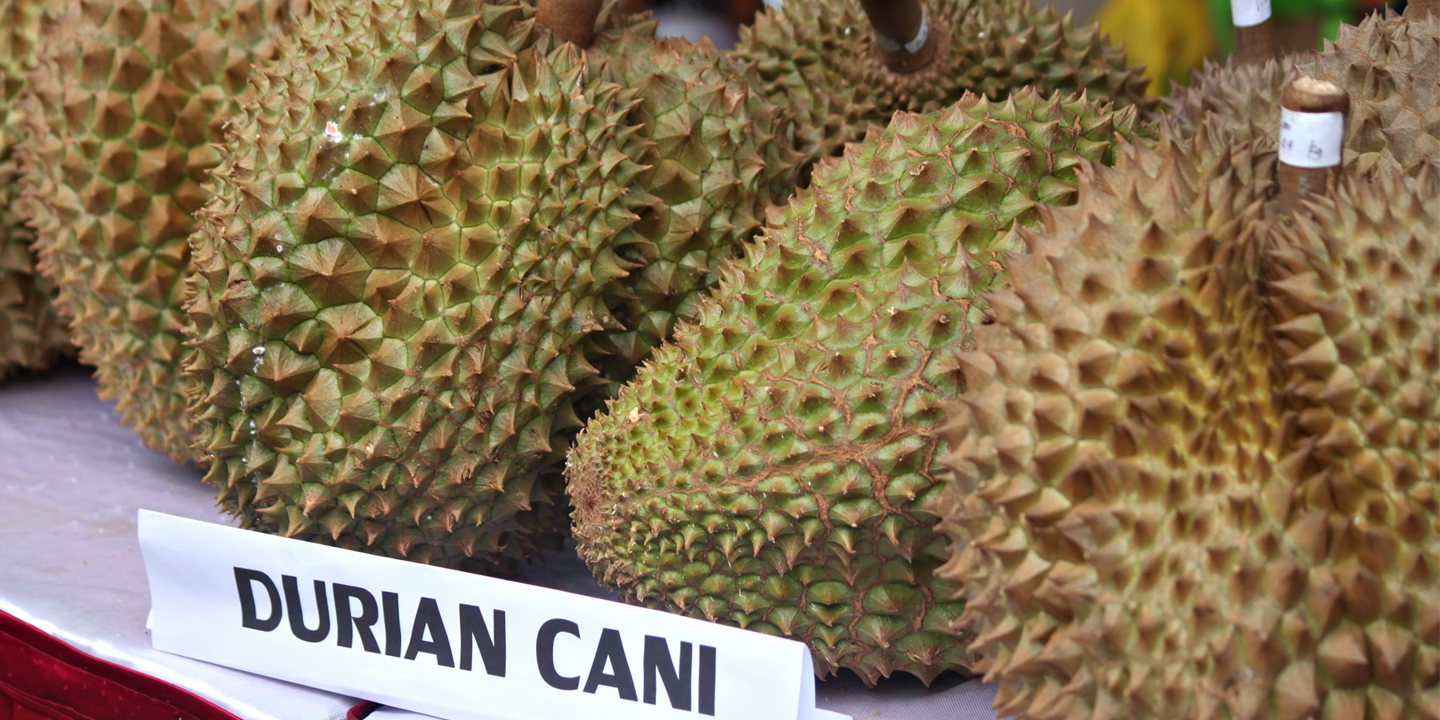
Often called the "King of Fruits" in Southeast Asia, the durian is legally banned in many public transport systems and hotels across Singapore and Thailand due to its overwhelming smell. The odor has been described as a mixture of rotting onions, turpentine, and raw sewage, yet the flesh itself has a custard-like sweetness. This dichotomy creates a sensory conflict: the brain registers the smell as a threat, while the palate experiences a dessert-like, creamy flavor.
Why Cultural Context Dictates "Dislike"
"Dislike" is rarely an inherent quality of the food itself but rather a failure of the culture-tasting interface. The concept of "acquired taste" highlights that our preferences are malleable.
In many Western cultures, the presence of mold or bacterial growth on food is a primary indicator of spoilage and danger. Conversely, in cultures where fermentation is a foundational food preservation technique, those same odors are associated with umami, complexity, and safety. The dislike of foods like natto or Surströmming is, in many cases, a manifestation of "food neophobia"—the fear of trying new or unfamiliar foods. As global travel and culinary exposure increase, many of these items have moved from the category of "most disliked" to "niche delicacies."
Common Mistakes When Approaching Unfamiliar Foods
When an individual decides to test their limits against these infamous foods, they often make mistakes that solidify their dislike:
- Improper Serving Temperature: Many fermented foods have their aroma significantly enhanced by heat. Consuming them at room temperature can make the odor unbearable, whereas chilling them can dull the intensity of the scent.
- Lack of Proper Accompaniments: These foods were rarely designed to be eaten in isolation. Surströmming is traditionally served on tunnbröd (thin bread) with potatoes, sour cream, and onions to balance the salt and acidity. Eating them "neat" results in a sensory overload that discourages future attempts.
- Psychological Priming: The reputation of a food can create a self-fulfilling prophecy. If a person expects a food to be disgusting, the brain is more likely to interpret ambiguous flavor signals as negative, reinforcing the feeling of dislike.
FAQ: Understanding Culinary Aversions
1. Is there a food that is universally disliked by everyone? No. Taste is subjective. Even foods like Surströmming have dedicated fan bases who enjoy the complexity of the flavor. There is no food item that is objectively rejected by 100% of the human population.
2. Why do some people love foods that others find disgusting? Repeated exposure is key. The more a person consumes a specific flavor profile, the more their brain learns to associate those flavors with nutrients rather than toxins. This is the physiological basis of an "acquired taste."
3. Does pregnancy affect food dislike? Yes. Evolutionary biology suggests that pregnant women often experience heightened senses of smell and increased disgust sensitivity, particularly toward strong-smelling or potentially high-bacteria foods, as a protective mechanism for the developing fetus.
4. Are "most disliked" lists accurate? Most lists regarding the world's most disliked foods are based on anecdotal evidence, tourist reactions, and social media trends rather than rigorous scientific polling. They reflect cultural shock rather than universal culinary consensus.
5. How can I safely try a polarizing food? Start with small portions, ideally in a setting where the food is prepared properly by someone knowledgeable about its cultural context. Using proper pairing ingredients can significantly mitigate the strong flavors that cause initial aversion.
Next Actions for the Adventurous Eater
If you are looking to challenge your palate, do not start with the most extreme items. Begin by exploring fermented foods that are already common in your local diet, such as aged cheeses, sauerkraut, or kimchi. Gradually transition to stronger fermented products.
When you decide to try a notoriously "disliked" food, always research the traditional serving method. Consuming a dish the way it was intended to be eaten is the single most effective way to appreciate its intended balance and move beyond the initial reaction of disgust. If a food item causes you genuine distress, there is no culinary requirement to continue consumption; listening to your biological cues is a valid part of the eating experience.
Image Gallery