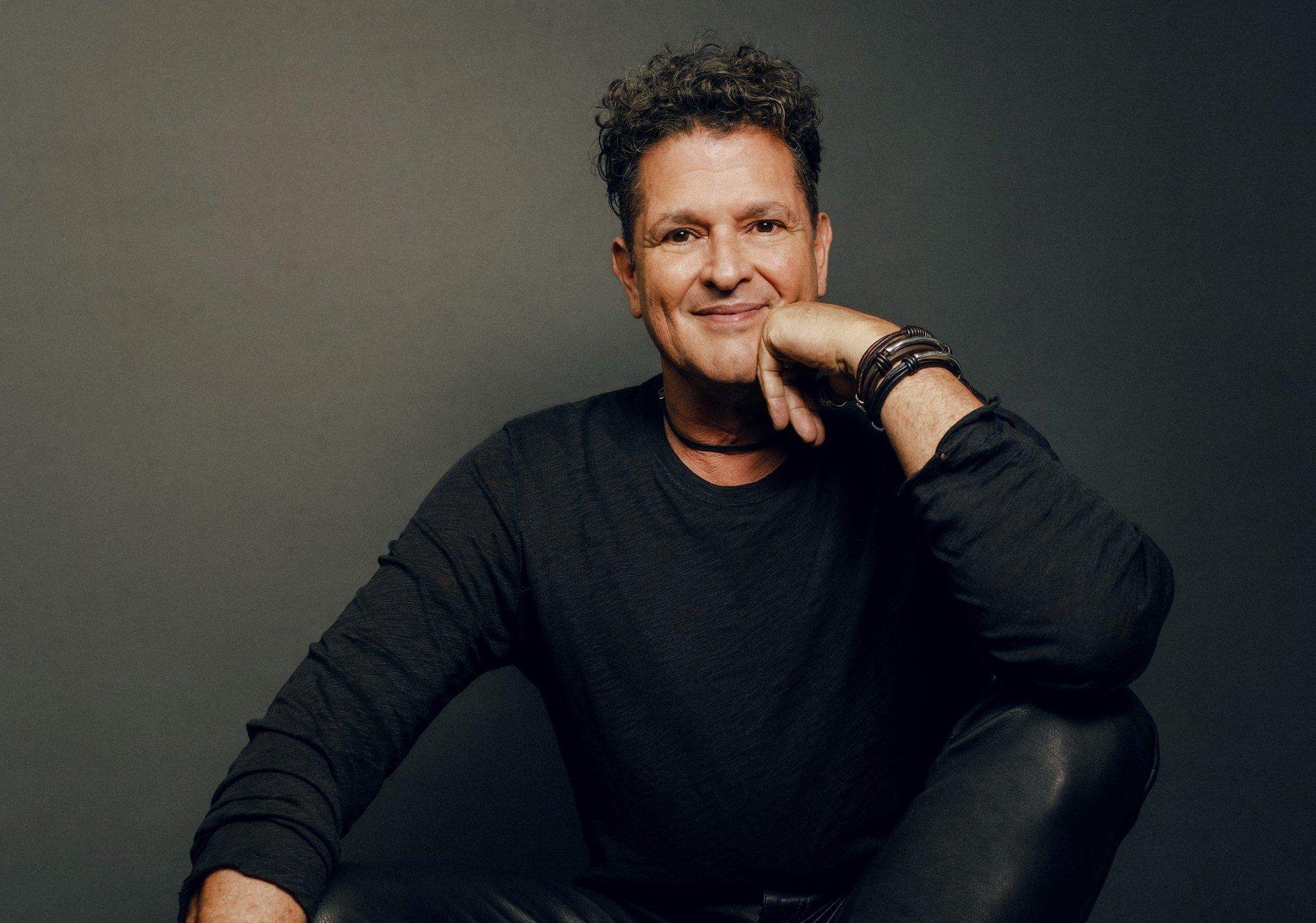
Carlos Vives: The Architect of Modern Vallenato and Colombian Pop
Carlos Vives is a multi-Grammy-winning Colombian singer, songwriter, and actor who revolutionized Latin music by fusing traditional vallenato and cumbia rhythms with contemporary rock and pop. Known as the king of "Tropipop," he transf...
Carlos Vives is a multi-Grammy-winning Colombian singer, songwriter, and actor who revolutionized Latin music by fusing traditional vallenato and cumbia rhythms with contemporary rock and pop. Known as the king of "Tropipop," he transformed Colombian folklore into a global phenomenon, bridging the gap between ancestral heritage and modern commercial success.
Contents
For more than three decades, Carlos Vives has served as an unofficial cultural ambassador for Colombia. His career is not merely a collection of chart-topping hits; it represents a systematic effort to preserve the musical identity of the Colombian Caribbean while making it accessible to a worldwide audience. From his early days as a soap opera star to his status in 2026 as a legendary elder statesman of Latin music, Vives has remained committed to the concept of "identity through sound."
The Early Years: From Santa Marta to Bogotá
Born Carlos Alberto Vives Restrepo on August 7, 1961, in the coastal city of Santa Marta, his upbringing was steeped in the sounds of the Caribbean. Santa Marta, one of the oldest cities in the Americas, provided a backdrop of colonial history and diverse musical influences. However, his path to musical stardom was not direct.
Vives moved to Bogotá as a young man to pursue his education and eventually found himself drawn to the performing arts. In the 1980s, he became a household name across Latin America, not for his music, but for his acting. He starred in several popular telenovelas (soap operas), most notably Gallito Ramírez and La Otra Raya del Tigre. These roles established his public persona as a charismatic, relatable figure—the "boy next door" with a rugged Caribbean charm.
His acting career reached a pivotal crossroads in 1991 when he was cast as the lead in the television series Escalona. The show was a dramatized biography of Rafael Escalona, one of the most prolific and beloved vallenato composers in history. To prepare for the role, Vives had to immerse himself in the traditional vallenato repertoire. This experience did more than just provide him with a successful acting credit; it reconnected him with his roots and fundamentally changed the trajectory of his career.
The Vallenato Revolution: Clásicos de la Provincia
Before Carlos Vives, vallenato was largely considered "peasant music" or a regional folk genre limited to the rural areas of northeastern Colombia. It was played with three core instruments: the accordion (representing European influence), the caja drum (African influence), and the guacharaca (Indigenous influence). While respected, it lacked the production polish and crossover appeal required for international radio play.
In 1993, Vives released the landmark album Clásicos de la Provincia. Backed by his band, La Provincia, he did the unthinkable: he added electric guitars, bass, and drums to traditional vallenato songs. The lead single, "La Gota Fría," became an overnight sensation.
Why "Clásicos de la Provincia" Changed Everything
The success of this album was a watershed moment for Latin music for several reasons:
- Sonority: By introducing the backbeat of rock and pop, Vives made the accordion—once seen as old-fashioned—sound "cool" to a younger generation.
- Cultural Pride: It sparked a renewed sense of national identity in Colombia during a period often overshadowed by political and social conflict.
- Marketability: It proved that regional folk genres could be commercially viable on a global scale if produced with high technical standards.
Following this success, Vives released La Tierra del Olvido (1995), which moved beyond covers of classics and featured original compositions. This album is often cited by musicologists as the definitive blueprint for modern Colombian pop, blending indigenous gaita flutes with heavy percussion and rock sensibilities.
Technical Aspects of the "Vives Sound"
To understand who Carlos Vives is as an artist, one must understand the technical marriage of instruments in his music. He does not simply "play pop with an accordion." Instead, he utilizes a specific ensemble designed to represent the ethnic "tri-ethnic" makeup of Colombia.
| Instrument | Origin/Influence | Role in the Vives Sound |
|---|---|---|
| Diatonic Accordion | European | The melodic heart; provides the signature "Vallenato" trills. |
| Gaita (Kué) | Indigenous | Traditional flute that adds a mystical, earthy texture to intros. |
| Caja Vallenata | African | A small drum held between the knees; provides the syncopated drive. |
| Electric Bass | Modern/Western | Anchors the rhythm section, making the folk songs "danceable" in clubs. |
| Guacharaca | Indigenous | A percussion scraper that provides the constant, rhythmic "shimmer." |
By balancing these elements, Vives created a sound that was technically complex yet incredibly catchy. This formula paved the way for future Colombian superstars like Shakira, Juanes, and Sebastián Yatra, all of whom have acknowledged Vives as a pioneer.
Global Recognition and Awards
The music industry eventually caught up with Vives' innovation. Over his career, he has accumulated an impressive collection of accolades. As of 2026, his trophy room includes multiple Grammy Awards and over a dozen Latin Grammy Awards.
Beyond the trophies, Vives' impact is seen in his collaborations. He has worked with a diverse array of artists, including Shakira on the global smash "La Bicicleta," which highlighted the beauty of the Colombian coast. He has also collaborated with Marc Anthony, Daddy Yankee, and Alejandro Sanz, proving his versatility across genres ranging from salsa to reggaeton.
In 2020, he was inducted into the Billboard Latin Music Hall of Fame, a testament to his longevity and influence. His "Vives Tour" cycles have consistently ranked among the highest-grossing for Latin artists, particularly in the United States and Spain.
Activism and "Tras la Perla"
Carlos Vives’ identity is inseparable from his philanthropy. He is not a celebrity who merely lends his name to causes; he creates them. His flagship initiative, Tras la Perla de la América, is a foundation dedicated to the sustainable development of his hometown, Santa Marta.
The foundation focuses on several key pillars:
- Environmental Conservation: Protecting the Sierra Nevada de Santa Marta and the local coastline.
- Urban Renewal: Improving infrastructure in neglected neighborhoods like Pescaíto.
- Cultural Education: Promoting local arts and sports to provide opportunities for youth.
His work with Tras la Perla has garnered international attention from urban planners and environmentalists, demonstrating that a musical platform can be leveraged for tangible social change. Vives often speaks at international forums about the importance of "territory" and how music is the most effective tool for territorial preservation.
Carlos Vives in 2026: A Living Legend
In 2026, Carlos Vives continues to perform and record, maintaining a bridge between the "old guard" of Latin music and the new generation. He has recently focused on "Masters in Vallenato" projects, mentoring younger artists to ensure the traditional techniques of the accordion are not lost to digital synthesis.
His career now spans over 40 years if one includes his early acting days. He remains a symbol of joy and resilience. For many, Carlos Vives is the sound of Colombia—a blend of the rural and the urban, the ancient and the modern, the local and the universal.
Frequently Asked Questions
Is Carlos Vives still performing in 2026?
Yes, Carlos Vives remains active in 2026. He continues to tour globally and release new music, often focusing on projects that celebrate the 30th anniversary milestones of his most influential albums like Clásicos de la Provincia. He is also heavily involved in producing for younger artists under his label, Gaira Música Local.
How many Grammys does Carlos Vives have?
Carlos Vives has won 2 Grammy Awards and 18 Latin Grammy Awards. His wins span categories such as Best Traditional Tropical Album, Best Tropical Song, and Record of the Year. His most recent accolades have often recognized his efforts in cultural preservation and children's music.
What is the relationship between Carlos Vives and Shakira?
Carlos Vives and Shakira are close friends and long-time collaborators. Both are from the Caribbean coast of Colombia (Santa Marta and Barranquilla, respectively). Their most famous collaboration, "La Bicicleta" (2016), won multiple Latin Grammys and is credited with bringing the sights and sounds of the Colombian coast to a massive international audience.
What is "Tropipop" and did Carlos Vives start it?
"Tropipop" is a musical genre that blends tropical Latin rhythms (vallenato, cumbia, merengue) with pop and rock. While the term became popular in the early 2000s, Carlos Vives is widely considered the "Father of Tropipop" because his 1993 album Clásicos de la Provincia provided the blueprint for the genre's sound and commercial structure.
Does Carlos Vives own a restaurant?
Yes, Carlos Vives is the founder of Gaira Café in Bogotá. It is more than just a restaurant; it is a cultural venue and musical temple where live performances are central to the experience. It serves as a hub for Colombian Caribbean cuisine and a stage for both established and emerging artists.
Next Action for Readers: To truly understand the impact of Carlos Vives, listen to the album Clásicos de la Provincia followed by La Tierra del Olvido. These two records provide the historical context and the creative spark that redefined Latin music in the late 20th century. For those interested in his social impact, visiting the official Grammy website provides a detailed breakdown of his industry milestones and contributions.
Image Gallery