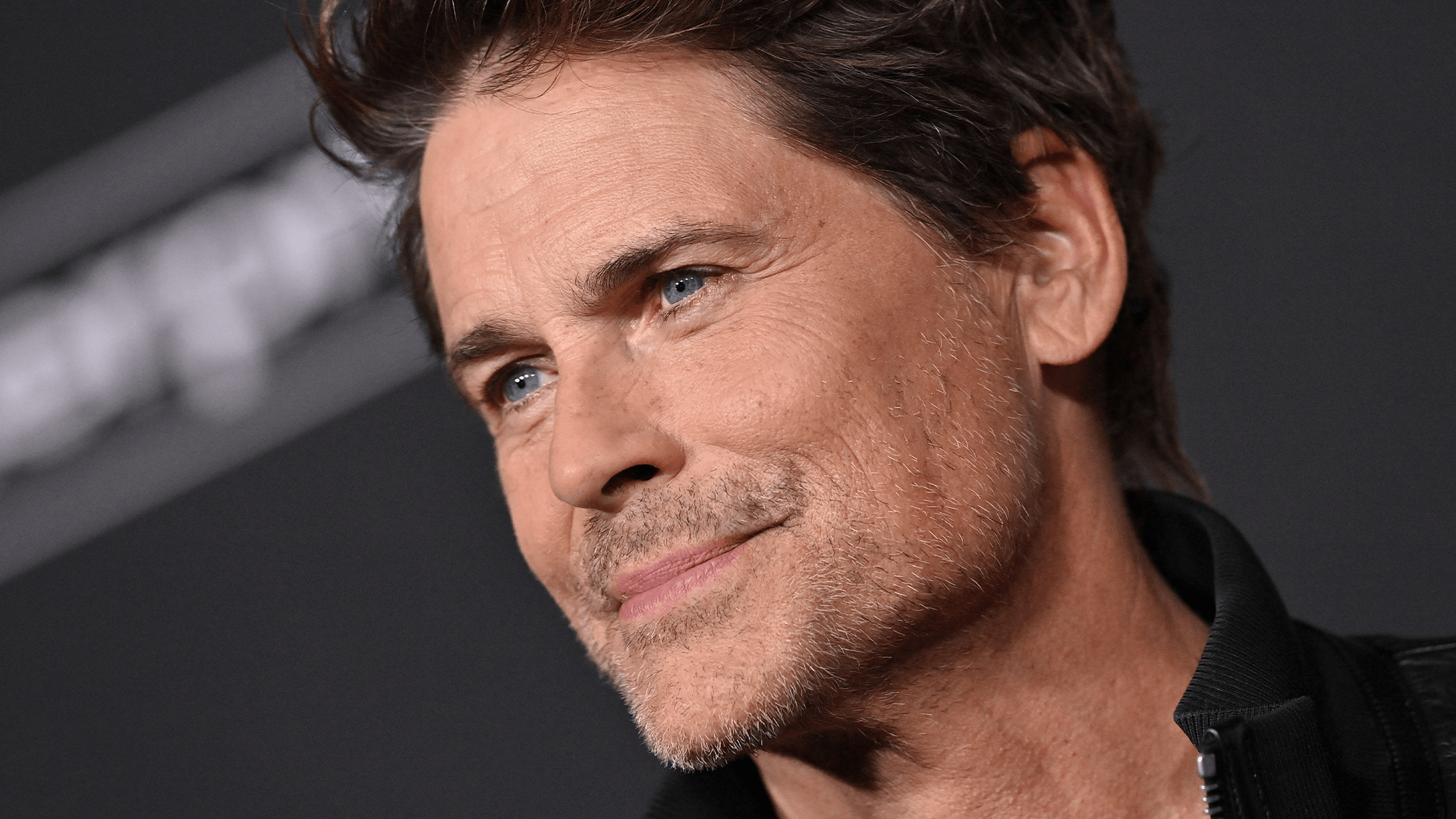
Why Rob Lowe’s Quote About Sobriety Matters
Rob Lowe’s famous assertion that "Nothing of value in my life—not my family, not my career, not my health—would exist without my recovery" matters because it reframes sobriety from a state of deprivation to a foundational requirement f...
Rob Lowe’s famous assertion that "Nothing of value in my life—not my family, not my career, not my health—would exist without my recovery" matters because it reframes sobriety from a state of deprivation to a foundational requirement for success. By positioning recovery as the primary catalyst for his longevity in Hollywood, Lowe provides a powerful, stigma-breaking roadmap for long-term personal and professional achievement.
Contents
As we look at the landscape of mental health and addiction recovery in 2026, Lowe’s perspective remains a cornerstone of the public discourse on wellness. His journey, which began with a commitment to sobriety on May 10, 1990, serves as a longitudinal study in the benefits of a sober lifestyle. In a culture that often glamorizes "the grind" or "the party," his consistent message highlights the practical, tangible rewards of choosing a life free from substances.
The Philosophical Shift: Sobriety as a Foundation, Not a Limitation
For many years, the prevailing narrative surrounding sobriety was one of loss—the loss of social status, the loss of "fun," or the loss of a coping mechanism. Rob Lowe’s advocacy flipped this script. When he speaks about his recovery, he doesn’t focus on what he gave up; he focuses on what he gained. This distinction is crucial for anyone navigating the early stages of recovery or considering a "sober curious" lifestyle.
Lowe’s quote matters because it establishes sobriety as a prerequisite for excellence. He doesn't credit his talent or his looks alone for his second act in Hollywood; he credits the clarity and discipline found in recovery. This perspective is particularly relevant for high-achieving individuals who fear that sobriety might dull their creative edge or social standing. Lowe proves that the opposite is true: sobriety provides the cognitive and emotional stability necessary to sustain a high-level career for decades.
Reclaiming the Second Act
Rob Lowe’s career is a testament to the "second act" possible through recovery. After a period of public scandals and substance abuse in the late 1980s, his 1990 sobriety date marked the beginning of a massive professional resurgence. From The West Wing and Parks and Recreation to his recent success in 9-1-1: Lone Star, his trajectory demonstrates that the stability of recovery allows for consistent, high-quality output. His quote serves as a reminder that personal crises do not have to be terminal for one’s career if they are met with a commitment to change.
Breaking the Stigma in High-Stakes Environments
In 2026, while the stigma surrounding addiction has decreased, it has not disappeared. Lowe’s willingness to be the "face of recovery" matters because it humanizes a condition that many still view through a lens of shame. When a person of his stature—someone associated with health, vitality, and success—speaks openly about being in a "12-step program" or celebrating 36 years of sobriety, it validates the experience of millions of others.
The quote emphasizes that addiction is a manageable condition rather than a moral failing. By linking his family and health directly to his recovery, Lowe helps shift the conversation from "why did you have a problem?" to "how did you build this solution?" This proactive stance encourages others to seek help earlier, recognizing that the "rock bottom" often cited in recovery lore is not a requirement for change; the desire for a better life is.
The Power of Visibility
Visibility in recovery is a double-edged sword. While the tradition of many recovery groups emphasizes anonymity, Lowe’s public stance provides a necessary counter-narrative to the sensationalized stories of celebrity relapse. By consistently marking his "sober birthday," he provides a "proof of concept" for long-term sobriety. This visibility is vital for young people who may feel that a life without substances is impossible or boring.
The Practical Benefits of the Lowe Approach
Beyond the philosophical implications, Lowe’s message carries practical weight. He often discusses the "logistics" of his sobriety—the meetings, the support systems, and the daily choices. This grounded approach demystifies the process of staying clean.
The following table illustrates the comparison between common myths about sobriety and the reality presented by Rob Lowe’s 36-year journey:
| Myth about Sobriety | Reality of the "Lowe Approach" | Impact on Personal/Professional Life |
|---|---|---|
| Sobriety ends social relevance. | Sobriety creates a "timeless" quality and reliability. | Leads to longer-lasting careers and brand trust. |
| Recovery is a "boring" life. | Recovery enables high-octane performance and fitness. | Allows for physical stamina in demanding roles. |
| Talent is fueled by chaos. | Discipline is the true engine of creativity. | Facilitates consistent, high-quality professional output. |
| Addiction is a permanent stain. | Recovery is a foundational strength. | Rebuilds family trust and creates a legacy of resilience. |
The Role of Sobriety in Physical and Mental Longevity
In 2026, the intersection of longevity science and sobriety is more prominent than ever. Rob Lowe has become a poster child for "aging well," often attributing his physical health and mental acuity to his long-term recovery. When he says nothing of value would exist without it, he is also speaking about the physiological benefits.
Chronic substance use accelerates cellular aging and compromises the immune system. By removing these toxins for over three decades, Lowe has maintained a level of vitality that is rare in his industry. This aspect of his message matters because it connects sobriety to the broader "wellness" movement. It isn't just about avoiding a "bad" thing; it's about optimizing the "good" things—sleep quality, skin health, cognitive function, and emotional regulation.
Emotional Intelligence and Recovery
A major component of Lowe's quote involves his "family." Recovery is rarely a solo journey; it involves the restoration of relationships. Through his public reflections, Lowe highlights that sobriety allowed him to be present as a father and a husband. The emotional intelligence (EQ) developed through the self-reflection required in recovery programs often leads to deeper, more stable personal connections. For many, this "relational wealth" is the most significant "thing of value" mentioned in his quote.
Why the Timing of His Message Continues to Resonate
As we navigate the complexities of 2026, Lowe's message provides a sense of continuity. In an era of rapid technological change and increasing social isolation, the core tenets of his recovery—community, honesty, and daily commitment—remain evergreen. His quote matters because it reminds us that some truths are foundational.
The actor’s transparency about his recovery also serves as a check against the "filter culture" of social media. While his life looks curated and perfect, his insistence that it is all built on the "un-glamorous" work of recovery provides a necessary dose of reality. It tells his audience that the "good life" isn't a gift; it's a construction that requires a solid, sober base.
FAQ: Understanding the Impact of Rob Lowe’s Sobriety Quotes
When did Rob Lowe get sober?
Rob Lowe’s sobriety date is May 10, 1990. He decided to seek help after his substance use began to interfere significantly with his personal life and professional potential, marking a definitive turning point that led to over three decades of continuous recovery.
What is the exact "Rob Lowe sobriety quote"?
While he has phrased it differently over the years, the most impactful version is: "Nothing of value in my life—not my family, not my career, not my health—would exist without my recovery." This statement is often used to emphasize that sobriety is the foundation for all other successes.
How does Rob Lowe celebrate his sobriety milestones?
Lowe typically celebrates by sharing a "recovery medal" or a personal reflection on social media. These posts serve to encourage others in the recovery community and to normalize the process of counting years, showing that long-term sobriety is both achievable and worth celebrating.
Why does he call recovery his "greatest achievement"?
Despite his numerous awards and hit television shows, Lowe considers recovery his greatest achievement because it is the one that required the most consistent daily effort and made all his other accomplishments possible. He views it as the "engine" that drives his entire life.
Does Rob Lowe's message help people who aren't in Hollywood?
Yes. His message is universal because it deals with the human themes of resilience, accountability, and the possibility of change. By speaking about the universal value of family and health, he makes his specific Hollywood experience relatable to anyone struggling with addiction or looking to improve their life.
A Practical Path Forward
Rob Lowe’s quote is not just a piece of celebrity trivia; it is an invitation to evaluate one's own foundations. Whether you are struggling with addiction or simply looking to optimize your life, the "Lowe Approach" suggests that your greatest assets—your health, your relationships, and your work—are best supported by a clear mind and a stable lifestyle.
For those inspired by his journey, the next step is often to seek out a community of support. Whether through traditional 12-step programs, modern recovery coaching, or medical interventions, the goal is to build a life where sobriety is not the goal itself, but the foundation upon which everything else is built. As Lowe demonstrates, once that foundation is secure, the possibilities for a "second act" are virtually limitless.
Image Gallery