Who Is the Most Famous Artist in the World? A Global Analysis
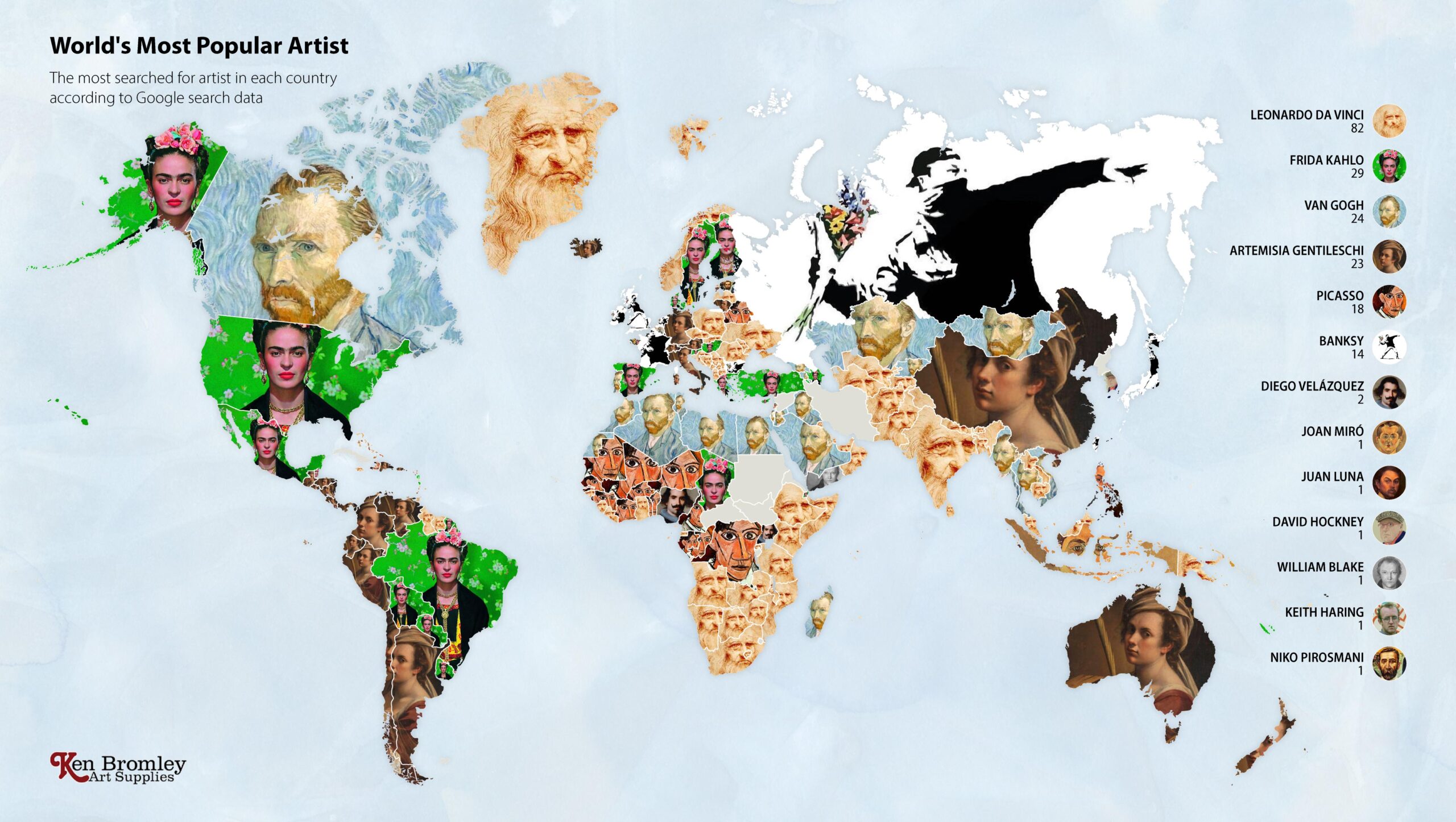
Leonardo da Vinci remains the most famous artist in the world in 2026. His name is synonymous with the Renaissance, and his masterpiece, the Mona Lisa, is arguably the most recognized image in human history. Da Vinci’s fame stems from...
Leonardo da Vinci remains the most famous artist in the world in 2026. His name is synonymous with the Renaissance, and his masterpiece, the Mona Lisa, is arguably the most recognized image in human history. Da Vinci’s fame stems from his unique status as a "universal genius," combining peerless artistic skill with scientific and engineering foresight.
Contents
Determining the "most famous" artist requires looking beyond personal preference. It involves analyzing historical longevity, global recognition of specific works, museum attendance figures, auction records, and cultural saturation. While art is subjective, the impact of a handful of figures has remained so consistent that they form a global canon. In 2026, even with the rise of digital and AI-generated art, these historical titans continue to define our understanding of human creativity.
Why Leonardo da Vinci Retains the Top Spot
Leonardo da Vinci (1452–1519) is not just a painter; he is the archetype of the "Renaissance Man." His fame is multi-layered, built on a foundation of technical mastery and an aura of mystery that has only intensified over five centuries.
The Power of the Mona Lisa
The primary engine of Leonardo’s fame is the Mona Lisa (La Gioconda). Housed in the Louvre Museum in Paris, it remains the most visited, written about, and parodied work of art. Its fame was boosted significantly in 1911 when it was stolen from the museum, an event that created a media sensation and cemented the painting in the public consciousness.
Technically, the painting is famous for Leonardo’s use of sfumato—a technique where colors and tones are blended so subtly that there is no perceptible transition between them. This creates the "enigmatic smile" that has fascinated viewers for generations. In 2026, the Louvre continues to report that the Mona Lisa is the primary reason for over 80% of its annual visitor traffic.
The Last Supper and Scientific Journals
Beyond the Mona Lisa, Leonardo’s The Last Supper is the most reproduced religious painting in history. Located in the Convent of Santa Maria delle Grazie in Milan, its use of perspective and psychological depth changed the course of Western art. Furthermore, Leonardo’s notebooks, filled with anatomical drawings, flying machine designs, and botanical studies, elevate him from a mere decorator to a visionary. This intersection of art and science ensures his relevance in a modern world that increasingly values interdisciplinary thinking.
Vincent van Gogh: The World’s Most Beloved Artist
If Leonardo is the most respected, Vincent van Gogh (1853–1890) is arguably the most beloved. His fame is rooted in the deep emotional resonance of his work and the tragic narrative of his life.
The Legend of the Tortured Genius
Van Gogh’s life story—marked by mental illness, poverty, and the infamous incident where he cut off his own ear—has become a foundational myth in art history. This narrative makes his work highly accessible; viewers feel they can "know" the artist through his expressive brushwork. His posthumous rise to fame is a cautionary tale of the art market; while he only sold one painting during his lifetime, his works now fetch hundreds of millions of dollars.
Visual Impact and Color Theory
Van Gogh’s style is instantly recognizable. His use of impasto—applying paint thickly so that it stands out from the surface—gives works like The Starry Night and Sunflowers a tactile, vibrant energy. The Van Gogh Museum in Amsterdam remains a pilgrimage site, and in 2026, immersive digital exhibitions of his work continue to be the most successful "art-tainment" ventures globally, proving that his visual language transcends cultural barriers.
Pablo Picasso: The Prolific Architect of Modernism
Pablo Picasso (1881–1973) dominates the 20th century in a way no other artist does. He was a revolutionary who fundamentally changed the way we perceive reality through visual art.
The Invention of Cubism
Alongside Georges Braque, Picasso pioneered Cubism, a movement that abandoned traditional perspective in favor of fragmented, geometric shapes. This was the most radical shift in art since the Renaissance. Picasso's ability to constantly reinvent himself—moving from his Blue and Rose periods to Cubism, Surrealism, and Neoclassicism—demonstrated an unparalleled creative stamina.
Guernica and Political Art
Picasso’s fame is also tied to his political engagement. Guernica, his massive monochromatic mural depicting the bombing of a Basque town during the Spanish Civil War, is the world’s most powerful anti-war statement. It remains a fixture in history textbooks and political protests. Picasso was also incredibly prolific, producing an estimated 50,000 works of art, including paintings, sculptures, and ceramics, ensuring that his influence is felt in almost every major museum worldwide.
Michelangelo: The Standard of Human Perfection
Michelangelo Buonarroti (1475–1564) was Leonardo’s contemporary and rival. While Leonardo was a polymath, Michelangelo was the "divine" master of the human form.
The Sistine Chapel and David
Michelangelo’s fame rests on the sheer scale and physical impossibility of his greatest achievements. The ceiling of the Sistine Chapel in the Vatican, painted while he lay on his back on scaffolding, is a testament to human endurance and skill. His statue of David in Florence is the gold standard for male anatomical beauty.
Unlike many artists who achieve fame centuries later, Michelangelo was the most famous artist of his own time. He was the first Western artist whose biography was published while he was still alive. His influence on the development of Mannerism and the Baroque style cannot be overstated.
Comparative Analysis of Global Art Icons
The following table summarizes the primary metrics that contribute to the global fame of these legendary figures.
| Artist | Most Famous Work | Primary Movement | Why They Are Famous |
|---|---|---|---|
| Leonardo da Vinci | Mona Lisa | High Renaissance | Universal genius; mystery; technical perfection (Sfumato). |
| Vincent van Gogh | The Starry Night | Post-Impressionism | Emotional brushwork; tragic biography; vibrant color. |
| Pablo Picasso | Guernica | Cubism / Modernism | Constant innovation; political impact; massive output. |
| Michelangelo | David | High Renaissance | Mastery of human anatomy; scale of fresco works. |
| Claude Monet | Water Lilies | Impressionism | Capture of light and atmosphere; foundational to modern art. |
| Rembrandt | The Night Watch | Dutch Golden Age | Mastery of light and shadow (Chiaroscuro); psychological portraits. |
| Andy Warhol | Campbell's Soup Cans | Pop Art | Commercialization of art; celebrity culture; mass production. |
| Frida Kahlo | The Two Fridas | Surrealism / Folk | Exploration of identity, pain, and gender; cultural icon. |
Measuring Fame: Auction Prices vs. Cultural Saturation
In the current landscape of 2026, we measure fame through two distinct lenses: institutional prestige and market value.
The Market Metric
Auction prices often serve as a proxy for fame. In 2017, Leonardo da Vinci’s Salvator Mundi sold for over $450 million at Christie's, the highest price ever paid for a work of art. While price does not always equate to quality, it does reflect the rarity and "brand power" of the artist. The names that consistently break the $100 million barrier at Sotheby's or Christie's—Picasso, Basquiat, Bacon, and Pollock—are those whose "fame" has been institutionalized by the wealthiest collectors.
The Cultural Metric
True global fame, however, is found in cultural saturation. This is when an artist's work is recognized by people who have never stepped foot in a museum.
- Salvador Dalí: Known for his eccentric persona and melting clocks.
- Andy Warhol: His images of Marilyn Monroe and soup cans are staples of graphic design and advertising.
- Claude Monet: His Water Lilies series is the pinnacle of the "approachable" art that decorates homes and public spaces globally.
The Evolution of Recognition: Diversity in Fame
Historically, the "most famous" list has been dominated by European men. However, in 2026, the global perspective has shifted to include artists who were previously marginalized but have now achieved superstar status.
Frida Kahlo
Frida Kahlo has arguably become as famous as any of the "Old Masters." Her image—characterized by her unibrow and traditional Mexican dress—is a global symbol of feminist and LGBTQ+ strength. Her self-portraits, which deal with physical pain and identity, resonate deeply with modern audiences.
Yayoi Kusama
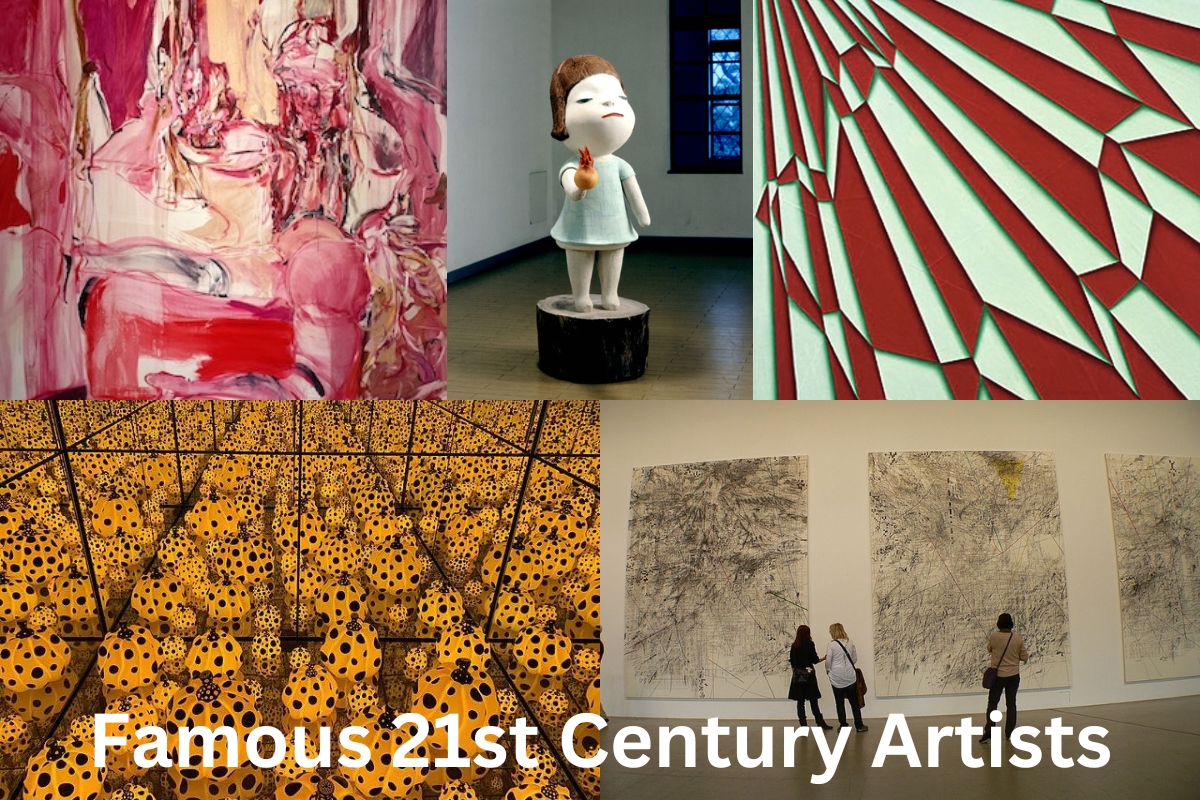
Among living or recently active artists, Yayoi Kusama has reached a level of fame comparable to the greats. Her "Infinity Mirror Rooms" are the most photographed art installations in the world, making her a household name in the age of social media.
Common Obstacles in Identifying "Greatness"
When discussing the most famous artist, several misconceptions often arise:
- Fame vs. Talent: An artist can be technically superior but remain unknown due to a lack of historical documentation or marketing.
- The "Death" Factor: Posthumous fame is common. Many of the artists we consider titans today died in obscurity.
- Regional Bias: A Chinese artist like Qi Baishi or a Japanese master like Hokusai (creator of The Great Wave) may be more famous in Asia than some European masters, but Western-centric education often overlooks this.
FAQs About the World’s Most Famous Artists
Who is the most famous living artist in 2026? While fame fluctuates, figures like Banksy, Yayoi Kusama, and David Hockney are among the most recognized. Banksy, in particular, maintains global fame through anonymity and provocative street art that directly engages with current events.
Is there an artist more famous than Leonardo da Vinci? Statistically, no. In terms of name recognition, "Leonardo da Vinci" consistently ranks first in global surveys. The Mona Lisa receives more annual visitors than any other single work of art, with the Louvre recording over 9 million visitors in peak years.
What makes a painting become "famous"? Fame is often a combination of three factors: technical innovation (doing something first), historical context (being involved in a major movement), and a compelling "story" (theft, mystery, or the artist's personal life).
How has the internet changed who is the most famous artist? The internet has "democratized" fame to some extent, allowing artists like KAWS or Beeple to achieve massive followings. However, it has also reinforced the fame of the "Old Masters" by making their images ubiquitous through digital archives and social media sharing.
Who is the most famous female artist? Frida Kahlo is widely considered the most famous female artist globally. Her life story and distinct visual style have made her a massive cultural icon beyond the traditional art world.
Practical Steps for Engaging with Famous Art
If you wish to explore the works of the world's most famous artists, follow these recommended actions:
- Visit Major Institutions: The "Big Four" museums for seeing these masters are the Louvre (Paris), the Metropolitan Museum of Art (New York), the British Museum (London), and the Uffizi Gallery (Florence).
- Utilize Digital Archives: If travel is not an option, the Google Arts & Culture platform provides high-resolution zooms of almost every major masterpiece mentioned in this article.
- Read Primary Sources: To understand why Leonardo or Michelangelo were so revered, read their contemporary biographies, such as Giorgio Vasari’s Lives of the Artists.
- Attend Immersive Exhibitions: In 2026, "Immersive Van Gogh" and "Digital Monet" experiences are available in most major cities, offering a large-scale entry point into their visual worlds.
Ultimately, while Leonardo da Vinci holds the title of the most famous artist in the world, the "best" artist is always the one whose work speaks most directly to you.
Image Gallery