What Happened to Bill Nye the Science Guy? His Evolution From TV Educator to Global Advocate
Bill Nye, the iconic "Science Guy" of the 1990s, transitioned from a children’s television star to a prominent global advocate for science policy, climate action, and space exploration. In 2026, he continues to serve as the CEO of The...
Bill Nye, the iconic "Science Guy" of the 1990s, transitioned from a children’s television star to a prominent global advocate for science policy, climate action, and space exploration. In 2026, he continues to serve as the CEO of The Planetary Society, utilizing modern streaming platforms and social media to champion scientific literacy for a new generation.
Contents
The trajectory of Bill Nye’s career is a rare example of a public figure successfully pivoting from a niche educational role into a high-stakes cultural commentator. While many remember him as the high-energy personality in a blue lab coat and bow tie, his post-1990s career has been defined by a move toward adult-oriented science communication and rigorous political advocacy. Understanding what happened to Bill Nye requires looking beyond the nostalgia of his PBS years to his current influence on global science policy and his role in the fight against climate change denial.
The End of the "Science Guy" Era and the Search for a New Voice
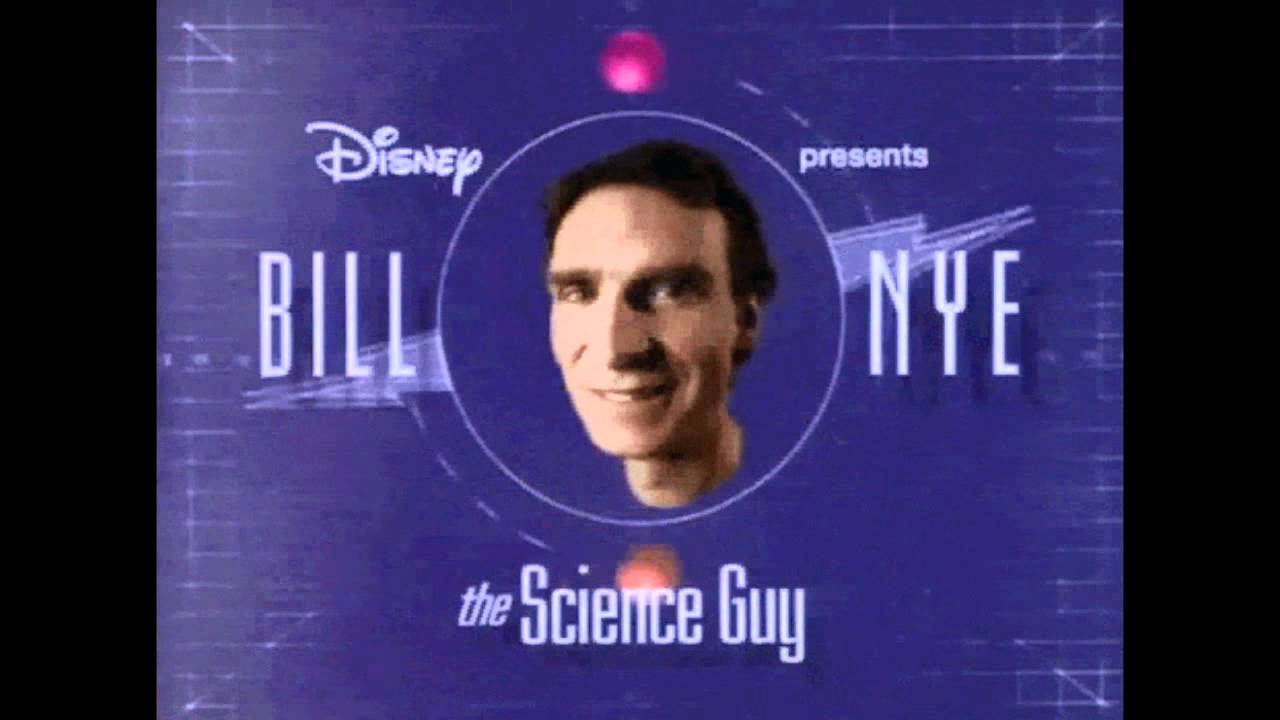
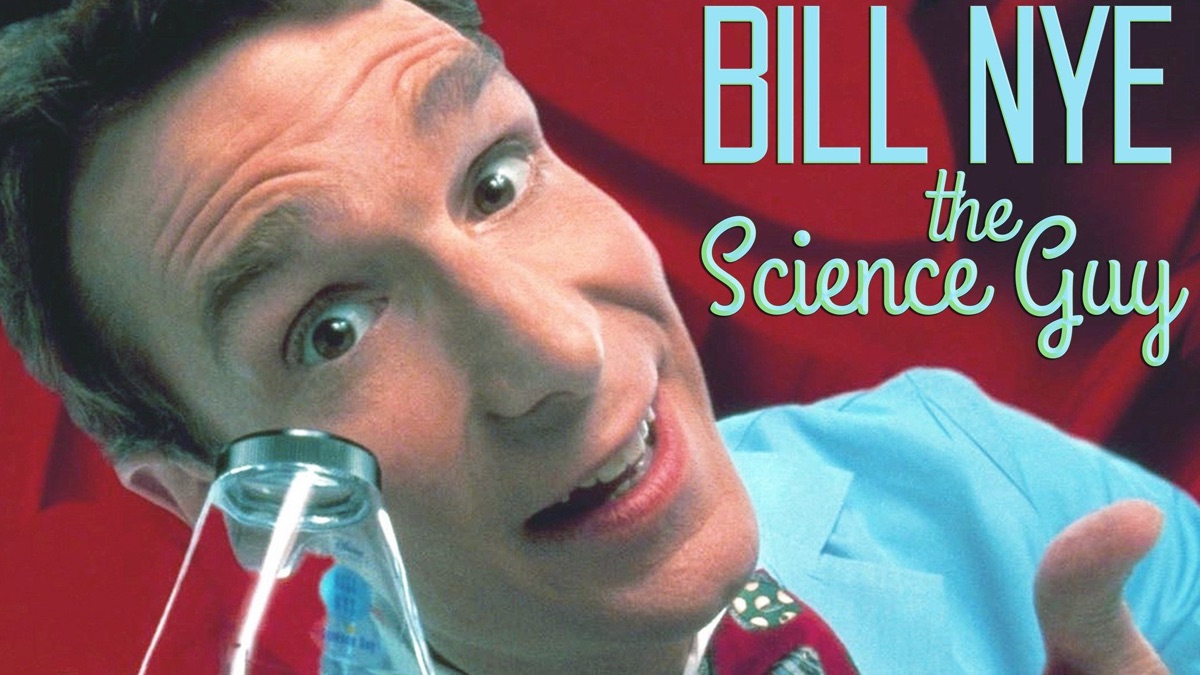
The original run of Bill Nye the Science Guy concluded in 1998 after 100 episodes. Produced by KCTS and Disney, the show was a massive success, winning 19 Emmy Awards and becoming a staple of science classrooms across North America. When the show ended, Nye did not disappear; rather, he faced the challenge of "typecasting." To the public, he was the quirky educator for children, but Nye himself was a Cornell-trained mechanical engineer with a background at Boeing.
In the early 2000s, Nye attempted to transition to adult-focused television with The Eyes of Nye. This series, which aired on PBS in 2005, took a more sophisticated look at controversial topics like genetically modified organisms (GMOs), nuclear energy, and climate change. While it didn't achieve the same cultural saturation as his original program, it marked the beginning of his shift toward addressing "grown-up" science problems. He began to realize that the children he had educated in the 90s were now voters and policymakers, and he shifted his focus to engage them in their adult lives.
Leading The Planetary Society and Space Advocacy
One of the most significant developments in Bill Nye’s career occurred in 2010 when he became the Executive Director (and later CEO) of The Planetary Society. This organization, co-founded by his former professor Carl Sagan, is the world's largest non-profit space advocacy group.
Under Nye’s leadership, The Planetary Society has moved from a traditional membership model to a modern powerhouse of space policy influence. A major milestone during his tenure was the LightSail project. In 2019, the LightSail 2 spacecraft successfully demonstrated flight by light—using solar photons to propel a small satellite. This project was funded entirely by private citizens, proving that public interest in space remained high despite shifts in government funding. By 2026, Nye’s work with the Society continues to focus on "Planetary Defense" (protecting Earth from asteroids) and the ongoing search for life on Mars and Europa.
The Transition to "Combatant" Science Advocacy
As the political landscape in the United States became more polarized regarding scientific facts, Bill Nye’s public persona underwent a visible transformation. He moved away from the "zany" persona of the 90s toward a more urgent, and at times combative, tone.
The Ken Ham Debate
In 2014, Nye participated in a highly publicized debate with young-earth creationist Ken Ham at the Creation Museum in Kentucky. The event was watched by millions online. Critics argued that Nye was giving a platform to fringe views, but Nye countered that it was necessary to highlight the importance of science literacy in the American education system. This debate solidified his role as a public intellectual willing to step into "hostile" environments to defend the scientific method.
Climate Change Activism
Perhaps the most notable change in Nye's public image is his fierce advocacy for climate change mitigation. He became a frequent guest on news networks, often clashing with pundits who questioned the reality of global warming. His frustration famously boiled over in a 2019 segment on Last Week Tonight with John Oliver, where he used profanity and a blowtorch to emphasize that "the globe is on f***ing fire." This viral moment signaled that the "Science Guy" was no longer playing nice; he was treating the climate crisis as the existential emergency he believed it to be.
Modern Media and the Streaming Era
Recognizing that the media landscape had shifted, Nye embraced streaming services to reach a broader audience. In 2017, he launched Bill Nye Saves the World on Netflix. The show ran for three seasons and adopted a talk-show format that explored the intersection of science, society, and politics.
Following the Netflix series, he partnered with Seth MacFarlane for the 2022 series The End is Nye on Peacock. This show used high-budget visual effects to simulate global disasters—such as supervolcanoes and asteroid impacts—while explaining how science could prevent or mitigate these catastrophes. By 2026, these series have become essential viewing in his digital catalog, bridging the gap between entertainment and disaster preparedness education.
Comparing the Two Eras of Bill Nye
To understand how Nye has changed, it is helpful to compare his original 1990s persona with his modern identity.
| Feature | Bill Nye the Science Guy (1993–1998) | Modern Bill Nye (2010–2026) |
|---|---|---|
| Primary Audience | Children and K-12 students | Adults, voters, and policymakers |
| Key Medium | Broadcast Television (PBS/Disney) | Streaming (Netflix/Peacock), TikTok, YouTube |
| Primary Goal | Explaining basic scientific principles | Advocating for science policy and climate action |
| Tone | Zany, energetic, and whimsical | Urgent, serious, and occasionally combative |
| Professional Role | TV Personality / Educator | CEO of The Planetary Society / Activist |
| Core Fashion | Blue lab coat and bow tie | Business suit and bow tie |
Financial Standing and Net Worth in 2026
Bill Nye’s success as a writer, speaker, and executive has led to a significant personal fortune. While estimates vary, his net worth in 2026 is estimated to be approximately $8 million to $10 million. This wealth has been accumulated through decades of television royalties, book deals (including his bestsellers Undeniable and Unstoppable), and a consistent schedule of high-paying public speaking engagements at universities and corporate events.
However, much of his professional life remains dedicated to the non-profit sector. His salary at The Planetary Society, while commensurate with other non-profit CEOs, is a fraction of what he could earn as a pure commercial entertainer. This reinforces the perception that his primary motivation is the mission of science communication rather than personal profit.
Legacy and Impact on Science Communication
Bill Nye’s greatest legacy is arguably the generation of scientists he inspired. The "Bill Nye Generation"—those who grew up watching his show in the 90s—now makes up a significant portion of the workforce in STEM (Science, Technology, Engineering, and Mathematics) fields.
In 2026, his impact is seen in the way science is communicated on platforms like TikTok and Instagram. He was an early adopter of these platforms, using short-form video to debunk myths and explain complex topics like mRNA vaccines or carbon capture technology. He paved the way for modern "science influencers" by proving that technical information could be entertaining without losing its accuracy.
Frequently Asked Questions
Is Bill Nye a real scientist?
Bill Nye is a trained mechanical engineer. He earned a Bachelor of Science degree in Mechanical Engineering from Cornell University. While he is primarily a science communicator and educator rather than a research scientist in a laboratory, his engineering background and work with The Planetary Society qualify him as a technical expert in his field.
Why did Bill Nye change his tone to be more aggressive?
Nye has stated in multiple interviews that the urgency of the climate crisis and the rise of anti-science sentiment necessitated a shift in tone. He believes that the time for "gentle persuasion" has passed regarding issues that threaten global stability, leading him to adopt a more direct and sometimes confrontational approach in debates and media appearances.
What is Bill Nye’s role at The Planetary Society?
As of 2026, Bill Nye serves as the Chief Executive Officer (CEO). His role involves overseeing the organization’s strategic vision, leading fundraising efforts, and advocating in Washington D.C. for space exploration missions, such as those focused on Mars and the outer planets.
Does Bill Nye still wear a bow tie?
Yes, the bow tie remains his signature style. Nye originally began wearing bow ties because long neckties were a safety hazard in engineering labs (they could get caught in machinery). Over time, the bow tie became an inseparable part of his brand.
What happened to the lawsuit between Bill Nye and Disney?
In 2017, Nye filed a lawsuit against Disney and its subsidiaries, alleging that he was owed tens of millions of dollars in profits from Bill Nye the Science Guy. The legal battle was lengthy and complex, involving disputes over accounting practices. While portions of the case were settled, the litigation highlighted the tensions that can arise between creators and large media conglomerates regarding digital distribution rights.
Conclusion and Current Outlook
Bill Nye has successfully navigated the difficult transition from a beloved childhood icon to a respected—and sometimes polarizing—adult advocate. In 2026, he remains one of the most recognizable faces in the world of science. For those wondering "what happened" to him, the answer is that he grew up alongside his audience. He traded the lab coat for a suit jacket but kept the bow tie, continuing his mission to make science not just something we learn in school, but a lens through which we view the most pressing challenges of the 21st century.
For those interested in following his current work, the best path is to engage with The Planetary Society's missions or follow his advocacy on global climate policy. His evolution serves as a blueprint for how educational figures can maintain relevance by adapting to new media formats and staying committed to their core principles, even when those principles become the subject of intense public debate.
Image Gallery