Understanding the Hormel Beef Stew Recall Landscape: What Consumers Need to Know
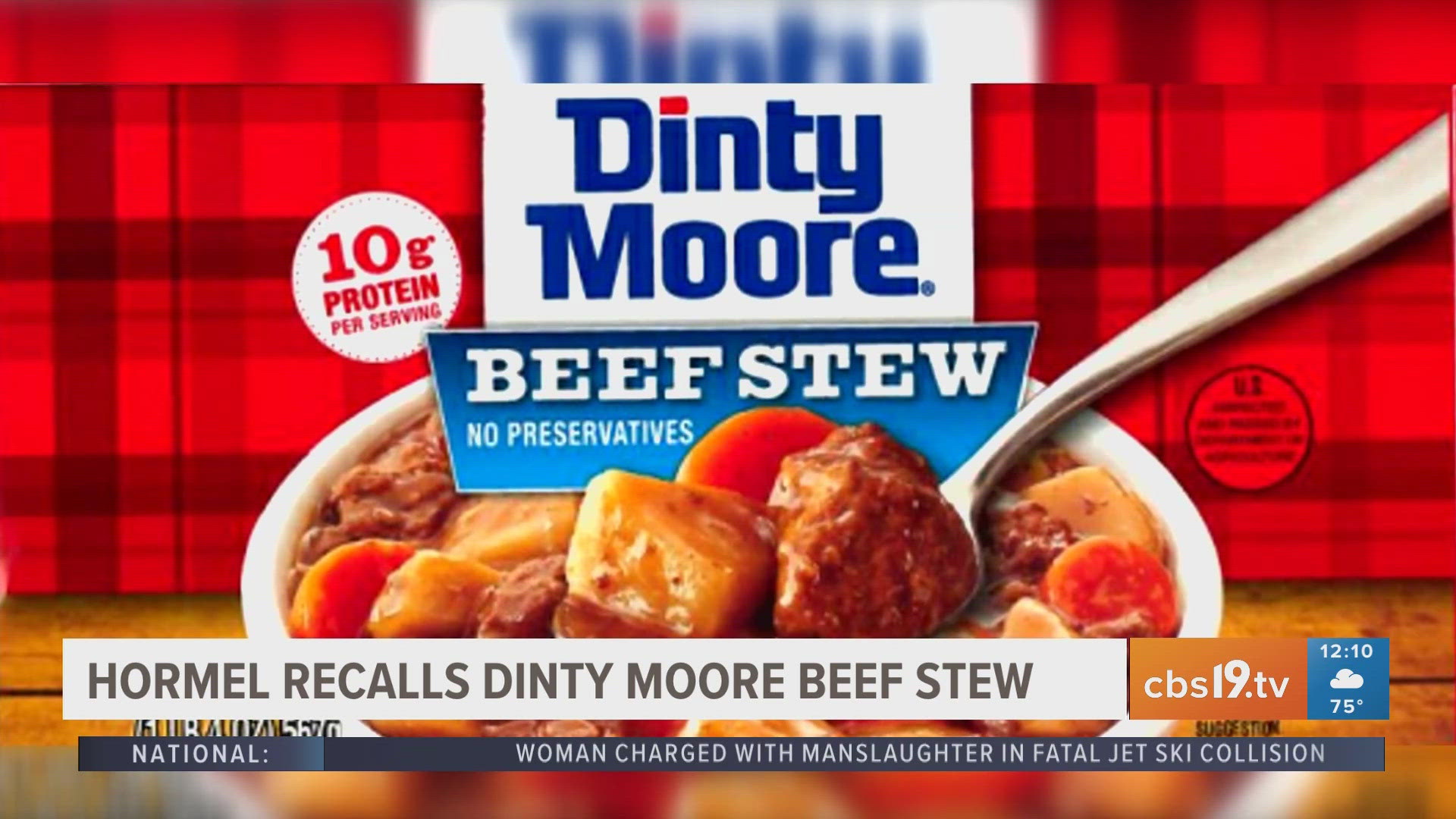
When consumers search for information regarding a "hormel beef stew recall in 2025," they are typically looking to verify whether specific canned food products pose health risks, how to identify affected batches, and what steps to take...
When consumers search for information regarding a "hormel beef stew recall in 2025," they are typically looking to verify whether specific canned food products pose health risks, how to identify affected batches, and what steps to take if they have purchased potentially contaminated goods. Navigating food safety alerts requires a clear understanding of official regulatory actions, product identification numbers, and consumer protection protocols.
Contents
Food safety recalls are serious regulatory events coordinated between food manufacturers and government agencies like the United States Department of Agriculture’s Food Safety and Inspection Service (FSIS) or the U.S. Food and Drug Administration (FDA). When questions arise about specific products—such as Hormel-branded beef stew items—consumers must rely on verified official announcements rather than unverified social media rumors. This guide examines the parameters of food recalls, how to verify product safety, and the proper channels for consumer remediation.
The Role of Regulatory Agencies in Food Safety Recalls
Food safety in the United States is primarily overseen by federal agencies that monitor processing facilities, distribution networks, and retail shelves. When a manufacturer or regulatory body detects potential contamination—ranging from undeclared allergens to physical foreign objects or bacterial pathogens like Clostridium botulinum—a structured recall process begins.
The Food Safety and Inspection Service (FSIS), an agency of the USDA, regulates meat, poultry, and processed egg products. Because beef stew contains meat products, any official government oversight or public health alert regarding Hormel beef stew falls under the jurisdiction of the USDA-FSIS. These agencies evaluate the severity of the hazard, classify the recall based on the level of health risk, and issue public press releases to inform consumers and retail establishments.
Understanding how these agencies classify risks helps consumers gauge the urgency of a safety notice:
- Class I Recall: A health hazard situation where there is a reasonable probability that the use of the product will cause serious, adverse health consequences or death.
- Class II Recall: A situation where use of the product may cause temporary or medically reversible adverse health consequences, or where the probability of serious adverse health consequences is remote.
- Class III Recall: A situation where use of the product is not likely to cause adverse health consequences.
Verifying Product Status and Identifying Affected Batches
For any consumer holding a canned good in their pantry, distinguishing between normal product variations and an active recall requires checking specific container markings. Manufacturers print establishment numbers, production codes, use-by dates, and UPC barcodes directly onto the packaging.
When verifying whether a specific item is subject to a recall notice, consumers should examine the following identifiers:
- Establishment Number (Est. Number): Usually preceded by "EST." inside the USDA inspection legend, this number identifies the exact plant where the product was manufactured.
- Lot or Batch Codes: Alphanumeric codes that indicate the specific production shift, day, and time. These are crucial for narrowing down which units are affected.
- Best-By or Use-By Dates: Recalls often target specific production windows, meaning cans with identical labels but different expiration dates may be entirely safe to consume.
- UPC Barcode: The 12-digit universal product code found on the product label, which helps retailers quickly remove stock from point-of-sale systems.
| Identifier Type | Where to Locate on Packaging | Purpose in a Recall |
|---|---|---|
| Establishment Number | Near the USDA mark or nutrition panel | Identifies the specific manufacturing facility |
| Use-By / Best-By Date | Stamped on the bottom lid or top rim | Narrows down the chronological window of production |
| Lot Code | Ink-jet printed alongside the expiration date | Pinpoints the exact production batch and shift |
| UPC Barcode | Back label, lower right or center | Used by grocery stores to scan and block sales |
Consumer Action Plan: What to Do with Recalled Canned Goods
Discovering that a food item in your pantry is subject to a safety alert requires immediate, cautious action. Safety guidelines dictate specific handling procedures to prevent cross-contamination in the kitchen and ensure proper documentation for refunds or replacements.
First, do not open or consume the product. Even if you intend to inspect the contents, tasting or testing food suspected of microbiological contamination or spoilage poses severe health risks. For low-acid canned goods like beef stew, improper sealing can occasionally lead to the growth of harmful toxins, making visual inspection unreliable.
Second, choose one of two standard pathways for handling the item:
- Return to Retailer: Take the product back to the grocery store where it was purchased for a full refund or exchange, even without a receipt in many recall scenarios.
- Safe Disposal: Securely double-bag the container and dispose of it in a sealed outdoor trash receptacle to prevent access by pets or wildlife.
Third, document the product details if you plan to seek reimbursement directly from the manufacturer. Take clear photographs of the top lid showing the ink-stamped lot codes and expiration dates before disposal.
Common Misconceptions Regarding Canned Food Safety
Navigating food safety news often involves cutting through misinformation. Consumers frequently encounter widespread myths regarding canned goods and manufacturing alerts. Clarifying these points ensures that household responses remain measured and scientifically grounded.
A common belief is that dented cans automatically indicate a severe safety hazard, such as botulism. While deeply dented cans—particularly along the seams—should be avoided or discarded due to potential seal compromise, minor surface scuffs do not inherently trigger a safety recall. Recalls are typically initiated based on systemic manufacturing deviations, ingredient verification failures, or microbiological testing results rather than individual container handling damage at the retail level.
Another frequent misunderstanding involves cooking or heating recalled food. Some consumers assume that thoroughly boiling or microwaving beef stew neutralizes all potential risks. However, certain toxins and chemical contaminants are heat-stable and cannot be destroyed by standard home cooking temperatures. Therefore, cooking is never an acceptable substitute for returning or discarding officially recalled food products.
Frequently Asked Questions
How can I check if a specific Hormel product is currently recalled?
The most reliable method is to cross-reference the product's establishment number, UPC, and lot code directly with official announcements published on the USDA FSIS Recalls & Public Health Alerts portal. Major manufacturers also maintain dedicated consumer hotline numbers and recall landing pages on their corporate websites.
What should I do if I already ate a product that is now recalled?
If you or a household member consumed a recalled food item, monitor for symptoms specific to the reported hazard (such as gastrointestinal distress, fever, or neurological symptoms depending on the recall cause). Contact a healthcare provider immediately if symptoms develop, and save any remaining packaging identifiers to share with medical professionals or public health officials.
Are all Hormel beef stew products affected during a recall event?
No. Recalls are almost exclusively limited to specific production lots, date ranges, and manufacturing facilities. Products with different batch codes, or those manufactured at unaffected plants, remain safe for consumption and are not subject to removal or return protocols.
How do manufacturers notify the public about a food recall?
When a recall is initiated, the company issues a press release distributed through major news outlets and trade associations. Simultaneously, the regulating agency (such as the USDA-FSIS) publishes a formal recall notice, often including high-resolution product labels and distribution lists to ensure affected retail locations and consumers are fully informed.
Can I get a refund if I threw away the recalled product?
Many manufacturers and grocery stores accommodate refund requests without requiring the physical product, provided you can supply verifiable proof of purchase, such as a store receipt, digital loyalty card history, or a clear photograph of the product label showing the lot and date codes.
Next Actions and Resources
For ongoing peace of mind regarding pantry safety, establish a routine of periodically checking official food safety databases, especially when purchasing canned or packaged goods in bulk. If you suspect an unannounced issue with a food product, retain the packaging and report your observations directly to the manufacturer's consumer affairs department or file an electronic consumer complaint through the appropriate federal regulatory website.
Image Gallery