Green Light Surgery for Prostate: A Guide to Photoselective Vaporization
Green light surgery for the prostate, clinically referred to as Photoselective Vaporization of the Prostate (PVP), is a minimally invasive laser procedure designed to relieve urinary symptoms caused by an enlarged prostate, or Benign P...
Green light surgery for the prostate, clinically referred to as Photoselective Vaporization of the Prostate (PVP), is a minimally invasive laser procedure designed to relieve urinary symptoms caused by an enlarged prostate, or Benign Prostatic Hyperplasia (BPH). It works by using high-energy laser light to precisely vaporize excess prostate tissue, effectively opening the blocked urethra to restore normal urine flow.
Contents
Understanding Benign Prostatic Hyperplasia (BPH)
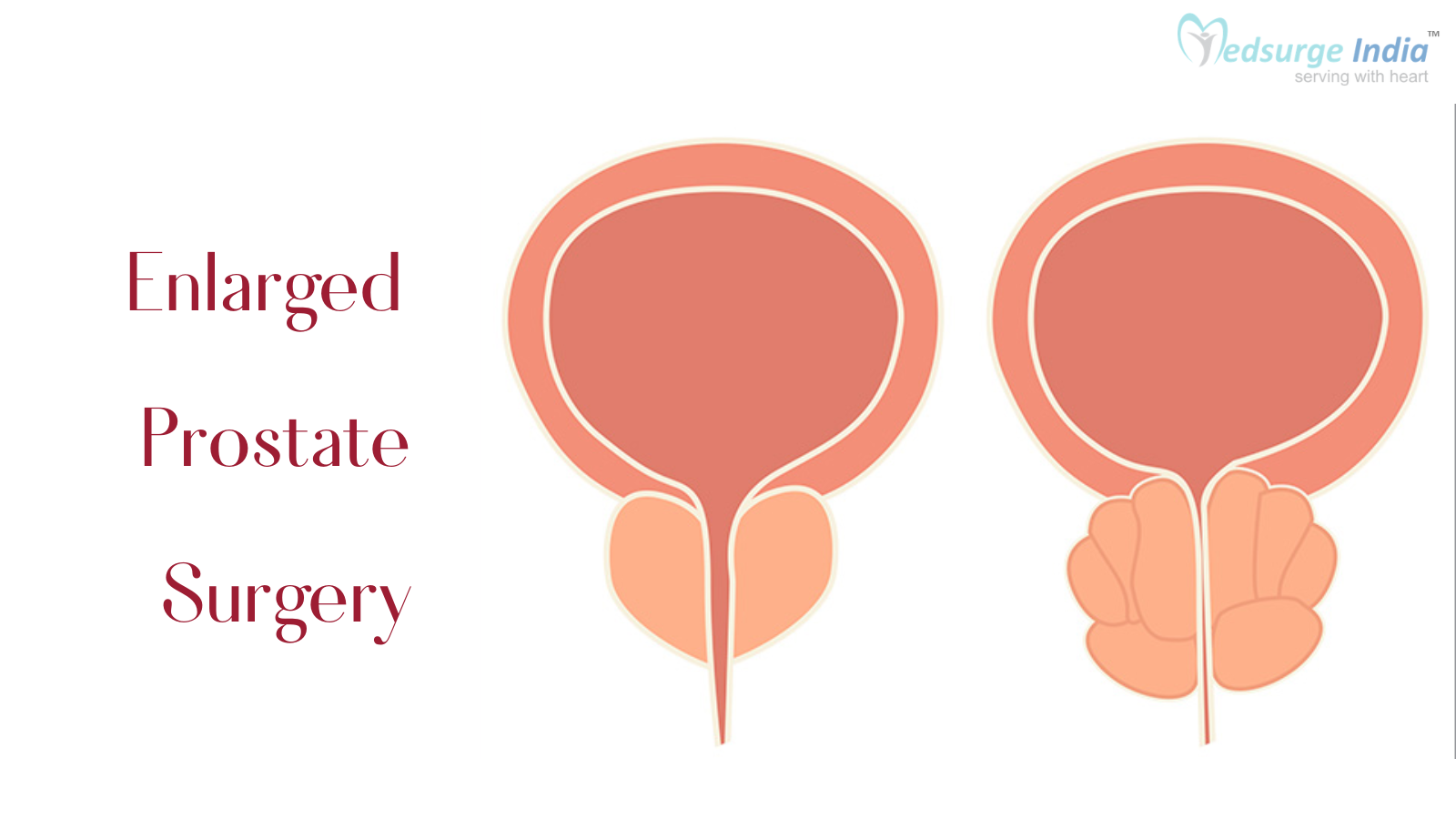
To understand why Green Light laser surgery is utilized, one must first recognize the underlying condition it treats: Benign Prostatic Hyperplasia. As men age, the prostate gland—which surrounds the urethra—naturally enlarges. While not cancerous, this growth exerts pressure on the urethra, leading to a variety of lower urinary tract symptoms (LUTS). Common signs include a weak urinary stream, frequent nighttime urination (nocturia), difficulty starting urination, and the feeling of an incomplete bladder emptying.
When lifestyle modifications and oral medications, such as alpha-blockers or 5-alpha-reductase inhibitors, fail to provide adequate relief, surgical intervention becomes the next logical step. Green Light laser therapy has emerged as a preferred alternative to the traditional Transurethral Resection of the Prostate (TURP), largely due to its superior safety profile regarding blood loss and recovery times.
How Green Light Laser Surgery Works
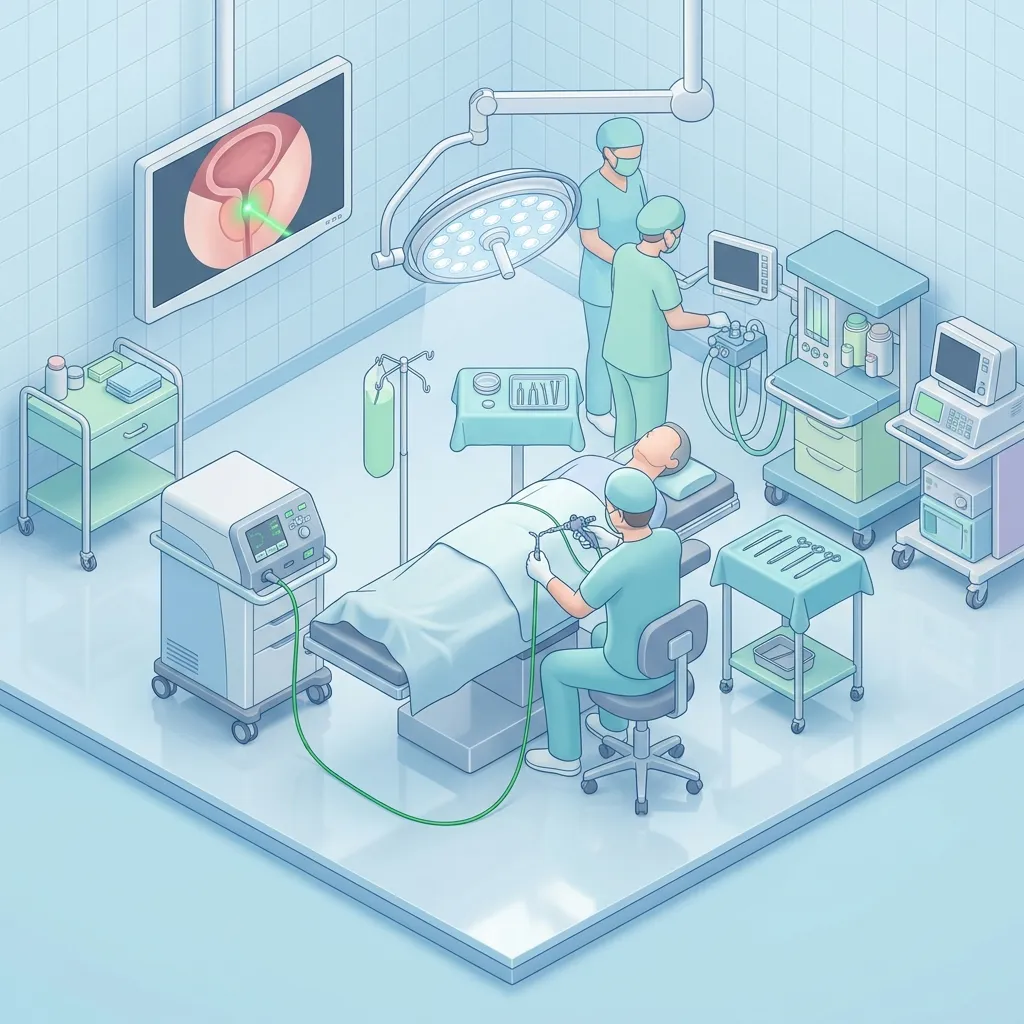
The "Green Light" terminology comes from the specific wavelength of the laser, typically 532 nanometers, which is absorbed almost exclusively by hemoglobin, the red pigment in blood. During the procedure, a surgeon inserts a thin fiber-optic scope through the tip of the penis and into the urethra. The laser is directed at the obstructive tissue, which is instantly heated and vaporized.
Unlike traditional resection techniques that cut away pieces of tissue to be removed from the body, the vaporization technique turns the obstructive tissue into microscopic bubbles and vapor. This creates a clear, unobstructed channel through which urine can flow. Because the laser also seals the underlying blood vessels as it vaporizes the tissue, patients experience significantly less bleeding during and after the procedure compared to other surgical options.
Procedure Prerequisites and Eligibility
Not every patient with an enlarged prostate is an ideal candidate for PVP. Urologists generally evaluate patients based on the size of their prostate, the severity of their symptoms, and their overall cardiovascular health.
- Diagnostic Evaluation: Prior to scheduling surgery, patients undergo a physical exam, a digital rectal exam (DRE), and often an ultrasound or cystoscopy to map the prostate size and structure.
- Medical History: Because the procedure is often performed under general or spinal anesthesia, the patient’s cardiac and respiratory health must be assessed.
- Anticoagulant Management: One of the most distinct advantages of Green Light surgery is its suitability for patients on blood-thinning medications. While surgeons often require temporary cessation of these drugs, the lower risk of bleeding makes PVP a safer option for men with high cardiac risk who cannot remain off thinners for extended periods.
Comparing Surgical Options for BPH
Choosing the right surgical path requires comparing the laser-based approach against established gold standards.
| Feature | Green Light (PVP) | TURP (Traditional) | Urolift/Minimalist |
|---|---|---|---|
| Tissue Removal | Vaporization | Resection (Cutting) | Mechanical Lift |
| Bleeding Risk | Very Low | Moderate | Low |
| Hospital Stay | Usually Outpatient | 1–2 Days | Outpatient |
| Catheter Time | Short (hours to 1 day) | 2–4 Days | Minimal |
The Patient Experience: From Prep to Recovery
The procedure typically takes between 60 and 90 minutes, depending on the size of the prostate. Because it is often performed on an outpatient basis, most patients return home the same day.
Immediate Post-Operative Period: After the surgery, a catheter is usually placed in the urethra to drain the bladder and ensure the area remains clear of any residual debris. This is typically removed within 24 hours. Some patients may notice blood in their urine for a few days—a normal part of the healing process as the treated area sloughs off.
Recovery and Expectations: Most men experience significant improvement in their urinary symptoms within a few weeks of the procedure. It is generally recommended that patients avoid heavy lifting, strenuous exercise, or sexual activity for two to four weeks to allow the prostate tissue to heal completely. During this time, it is common to experience urgency or mild discomfort, which usually dissipates as the inflammation subsides.
Potential Risks and Limitations
While the safety record for PVP is excellent, it is a surgical procedure and carries inherent risks. Some patients may experience temporary urinary frequency or urgency. In rare cases, retrograde ejaculation—where semen flows backward into the bladder instead of out of the penis—may occur, though this is less common with laser vaporization than with traditional TURP. Urinary tract infections (UTIs) are a manageable risk, and patients are often prescribed a short course of antibiotics following the procedure.
Frequently Asked Questions
Does Green Light surgery cure prostate cancer? No. Green Light laser surgery is exclusively for treating non-cancerous enlargement (BPH). It does not treat or remove prostate cancer.
Will this procedure affect my sexual function? The majority of men find that their sexual function remains unchanged. While there is a risk of retrograde ejaculation, erectile function is rarely impacted because the nerves responsible for erection are located outside the prostate capsule and are generally avoided during the laser process.
Is the procedure permanent? The results are durable, and most men experience relief for many years. However, because the prostate can continue to grow slowly throughout a man's life, there is a small possibility that symptoms could return in the distant future, necessitating further management.
Does insurance cover Green Light laser therapy? In 2026, most major health insurance providers and Medicare recognize PVP as a standard of care for BPH. Coverage, however, is subject to medical necessity documentation and specific plan deductibles. Always verify coverage with your provider before surgery.
How long does it take to see results? While some patients feel an improvement almost immediately after the catheter is removed, most notice the full effect once the initial swelling has subsided, typically within four to six weeks.
Professional Recommendation
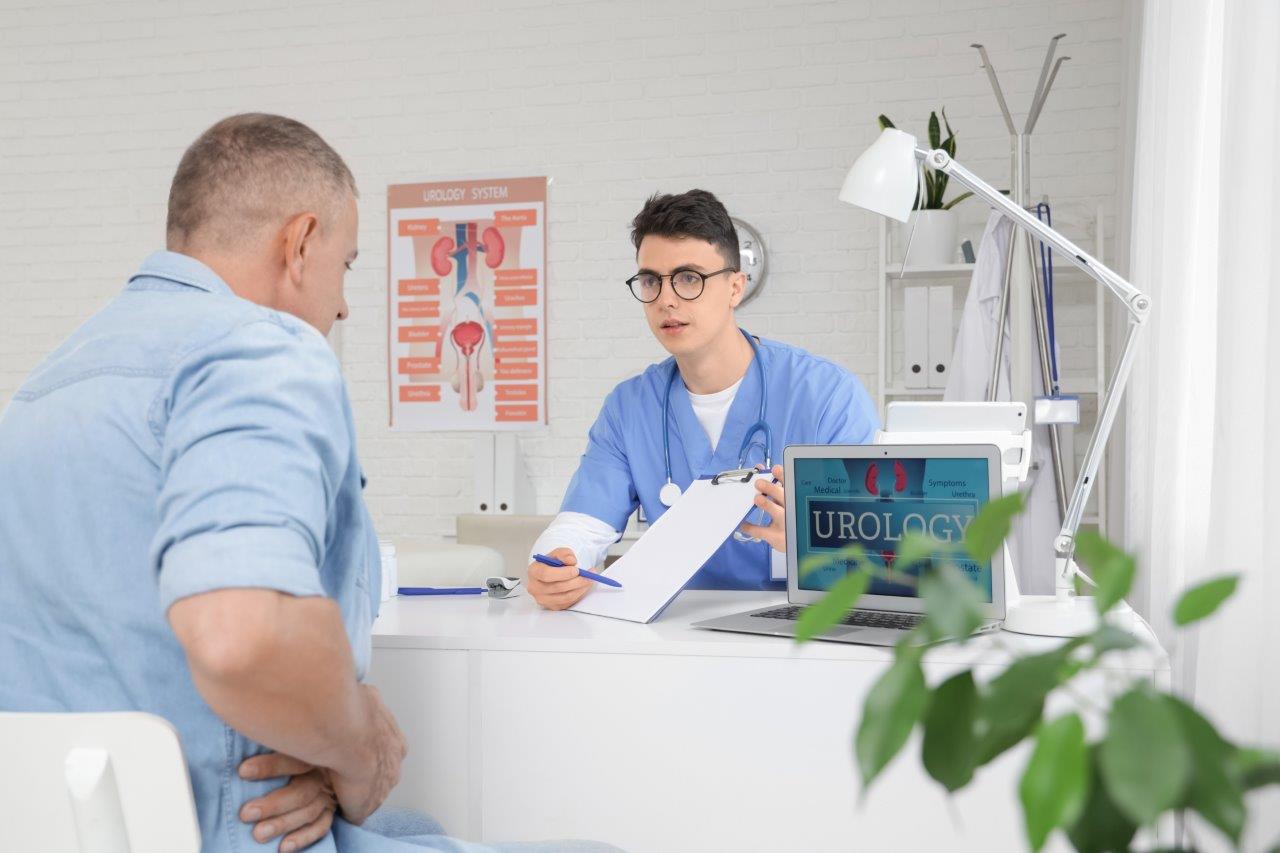
If you are struggling with urinary symptoms that interfere with your daily life, the first step is to consult a board-certified urologist. Request a detailed assessment to determine if your prostate anatomy and specific symptoms make you a candidate for Green Light laser therapy. Do not wait until your symptoms cause bladder damage or chronic kidney issues; early intervention can significantly improve your quality of life. Ensure you discuss your full medication list, particularly any anticoagulants, during your initial consultation to allow for proper surgical planning.
Image Gallery