What Is an Interception in Everyday Terms: A Clear Guide to How Things Are Caught, Blocked, or Interrupted
An interception is the act of stopping, catching, or seizing something while it is on its way from one place to another. Whether it is a football being caught by the opposing team, a message read by a third party, or a habit broken mid...
An interception is the act of stopping, catching, or seizing something while it is on its way from one place to another. Whether it is a football being caught by the opposing team, a message read by a third party, or a habit broken mid-stream, the core concept remains the exact same: a journey is intentionally cut short.
Contents
Understanding what an interception means in everyday language requires looking beyond technical jargon. While words like "interception" often appear in high-stakes fields like cybersecurity, sports, and aerospace engineering, the basic mechanics are straightforward. Something is moving toward a destination, an external force steps into its path, and the original delivery or trajectory is altered.
By breaking down how this concept applies across different areas of daily life, you can easily recognize how interceptions happen, why they matter, and how they affect your personal and professional routines.
The Core Concept: Motion, Path, and Disruption
At its simplest, an interception requires three basic elements: a sender, a receiver, and a path between them. When a third entity inserts itself into that path, an interception occurs.
Think of a game of catch with a child. If you throw a ball to your partner, but your dog leaps into the air and snatches it before it arrives, the dog has intercepted the pass. Nothing overly complex has happened; the expected flow of an object has simply been redirected.
In everyday conversation, the term can carry both negative and positive connotations:
- Negative connotations: In communications, a message intercepted by an unauthorized person represents a breach of privacy.
- Positive connotations: In medicine or supply chain management, catching an error or stopping a harmful trend early is often referred to as an interception, which prevents a minor issue from turning into a disaster.
Recognizing these dynamics helps demystify how the word is used across various industries, from digital technology to traffic management.
Interception Across Everyday Scenarios
To fully grasp the term, it helps to examine how interception plays out in common real-world environments. Each context shares the foundational principle of a disrupted path, but the tools and consequences vary significantly.
1. Sports and Athletics
For most people, the word "interception" immediately evokes sports—specifically American football, soccer, or basketball.
- American Football: A defensive player catches a forward pass intended for an offensive receiver. This instantly changes possession of the ball, shifting momentum and strategy.
- Soccer and Basketball: A defender reads the opponent's passing lanes, stretches out a foot or a hand, and deflects or catches the ball, stopping a scoring opportunity.
In sports, an interception relies heavily on anticipation, timing, and speed. The interceptor must accurately predict where the moving object will be before it arrives.
2. Communications and Technology
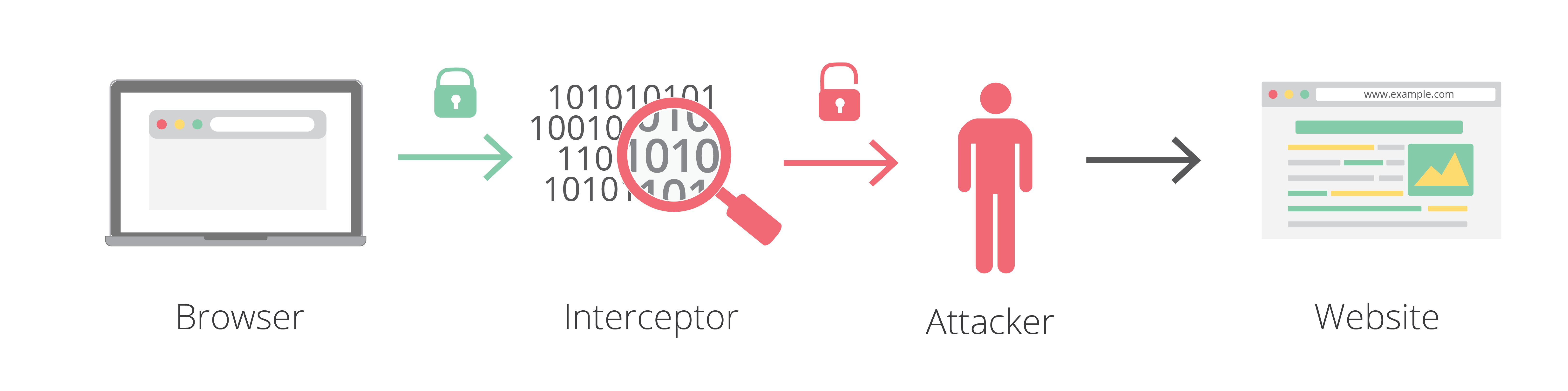
In the digital age, interception often refers to data packets traveling across a network. When you send a message or browse a website, data moves from your device through routers to a destination server.
- Data Interception: If an unauthorized party or program logs into that communication path to read, copy, or alter the data, they have performed a network interception (often called a Man-in-the-Middle attack in cybersecurity).
- Legal Interception: Governments and law enforcement agencies sometimes secure legal authorization to intercept communications—such as phone calls or digital messages—to investigate criminal activity.
3. Traffic and Urban Planning
Urban environments utilize physical interception strategies daily to manage flow and safety.
- Traffic Control: A traffic circle or a ramp meter on a highway acts as an interception point, temporarily halting or slowing down vehicle flow to prevent congestion or accidents further ahead.
- Public Transit: Transfer hubs act as interception points where passengers step off one vehicle and board another to redirect their commute.
Comparing Interceptions: Types, Contexts, and Impacts
To understand the broader implications of these disruptions, the following table compares how interception manifests across three major domains:
| Domain | What is Moving? | Who/What Intercepts? | Typical Outcome |
|---|---|---|---|
| Sports | A thrown or passed ball | A defensive player | Change of possession and sudden strategic shift |
| Cybersecurity | Digital data / messages | A malicious actor or monitoring tool | Privacy breach, data theft, or authorized surveillance |
| Supply Chain | Goods in transit | Quality control inspectors or customs | Prevention of defective products entering the market |
Each of these examples highlights that interception is neither inherently good nor bad; its value depends entirely on who is doing it and why.
Common Misconceptions About Interceptions
Because the word is used in specialized fields, several myths tend to surround it. Clarifying these points prevents confusion when reading news reports or technical documents.
- Myth 1: Interception always means data theft. While digital interception is frequently associated with cybercrime, lawful interception is a heavily regulated tool used by intelligence agencies and law enforcement under strict judicial oversight.
- Myth 2: Interceptions happen purely by luck. In sports and technology alike, successful interceptions usually require meticulous planning, pattern recognition, and precise timing rather than pure coincidence.
- Myth 3: An interception completely destroys the object. Unlike a destruction event, an interception typically preserves the object (whether a ball, a message, or a shipment) while simply changing its destination or handler.
Frequently Asked Questions
What is the difference between an interception and a block?
A block stops an object from moving forward entirely—such as swatting a basketball straight down to the floor. An interception involves catching or seizing the moving object and taking control of it, allowing the interceptor to redirect it elsewhere.
Is digital interception always illegal?
No. While unauthorized interception of communications is illegal and a violation of privacy laws, authorized interception (often termed lawful intercept) is legally permitted when telecommunications carriers comply with court orders or warrants issued by law enforcement.
How do athletes train to improve interception skills?
Athletes improve interception rates by studying opponent tendencies, running drills that focus on hand-eye coordination, and practicing spatial awareness to react quickly to moving objects in real time.
Can physical mail be legally intercepted?
In many jurisdictions, postal inspection services have the legal authority to intercept mail suspected of containing contraband, weapons, or illicit substances, provided they follow strict regulatory frameworks and search warrant requirements.
Practical Takeaways and Next Steps
An interception is simply the act of interrupting a journey between a sender and a receiver. Whether you are watching a football game, securing your home Wi-Fi network, or analyzing logistics, recognizing how paths can be crossed helps you better understand system vulnerabilities and tactical strategies.
If you are looking to protect your personal communications from unwanted digital interception, start by using end-to-end encrypted messaging apps, securing your home network with strong passwords, and remaining vigilant against phishing attempts that try to hijack your login credentials.
Image Gallery