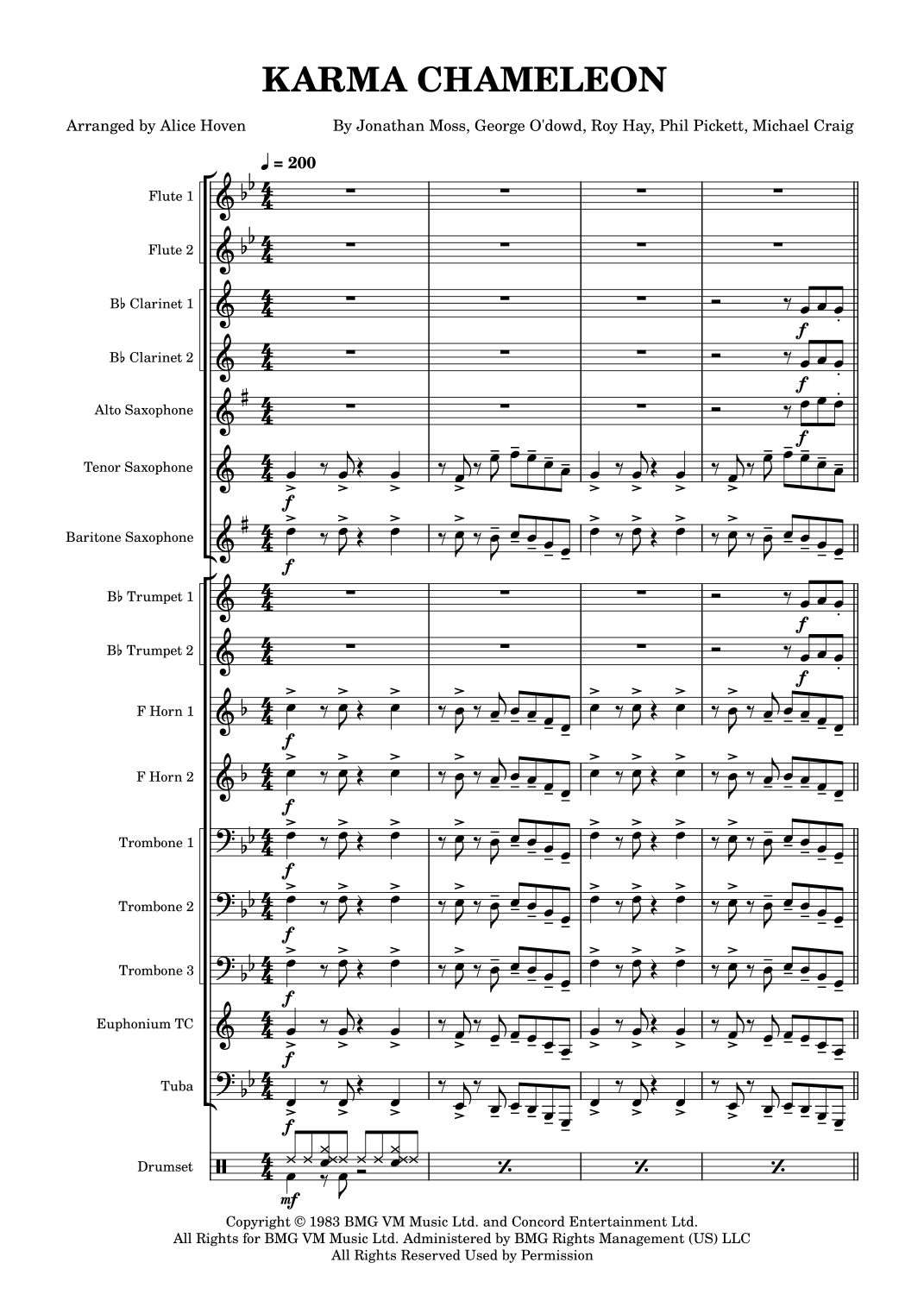
Culture Club’s "Karma Chameleon": Release Date, Historical Context, and Meaning
Culture Club released their flagship single "Karma Chameleon" in the United Kingdom on September 5, 1983, followed by its North American debut in November 1983. Serving as the second single from their multi-platinum album Colour by Num...
Culture Club released their flagship single "Karma Chameleon" in the United Kingdom on September 5, 1983, followed by its North American debut in November 1983. Serving as the second single from their multi-platinum album Colour by Numbers, the track topped charts in over 16 countries and became the best-selling single in the UK that year.
Contents
Release Timeline: From British Studio to Global Charts
"Karma Chameleon" arrived at a pivotal moment in the 1980s pop landscape, serving as the definitive breakthrough track that cemented Culture Club’s international superstar status. To understand the song's commercial trajectory, it helps to examine its staggered global release schedule across late 1983 and early 1984.
The UK and European Launch (September 1983)
Following the success of "Church of the Poison Mind" in early 1983, Virgin Records issued "Karma Chameleon" in the United Kingdom on September 5, 1983. Supported by heavy radio airplay on BBC Radio 1 and an immediate sync rotation on television music shows like Top of the Pops, the single entered the UK Singles Chart almost instantly.
Within two weeks of its release, the song claimed the Number 1 spot on September 18, 1983, where it stayed for six consecutive weeks. By the end of 1983, it had sold over 1.3 million copies in the UK alone, becoming the biggest-selling single of the year in Great Britain and earning a Gold certification from the British Phonographic Industry (BPI), later reaching Platinum status.
The North American and International Rollout (November 1983 – February 1984)
Epic Records, which handled Culture Club’s distribution in North America, strategically delayed the single’s US release until November 1983 to allow the album Colour by Numbers (released in October 1983) to build momentum.
Upon its release in the United States, "Karma Chameleon" climbed the Billboard Hot 100 steadily throughout the winter. On February 4, 1984, the song reached Number 1 on the Billboard Hot 100, holding the top position for three weeks. It achieved similar top-ranking dominance across Canada, Australia, Ireland, New Zealand, South Africa, and broad swathes of Western Europe.
- UK Release: Sept 5, 1983
- Reached UK #1: Sept 18, 1983 (6 Weeks at #1)
- US Release: Nov 1983
- Reached US #1: Feb 4, 1984 (3 Weeks at #1)
Historical Context: Culture Club and the Early 1980s Pop Revolution
To fully grasp why "Karma Chameleon" became a generational anthem, one must examine the cultural environment of 1983. The early 1980s marked the peak of the Second British Invasion, a phenomenon driven by the global popularity of MTV, stylish music videos, and synth-pop innovations originating from British studios.
The New Romantic Movement and Post-Punk Evolution
Culture Club emerged from the ashes of London’s New Romantic scene—a subculture centered around clubs like the Blitz in Soho, where fashion, gender-bending aesthetics, and synth-driven dance music collided. Frontman Boy George (George O'Dowd) had previously frequented these venues alongside future icons like Steve Strange, Spandau Ballet, and Marilyn.
Unlike many of their synth-pop peers who relied strictly on electronic drum machines and cold synth textures, Culture Club stood apart by fusing post-punk energy with rich American R&B, classic Motown soul, reggae, and blue-eyed soul traditions. Bassist Mikey Craig and drummer Jon Moss provided a heavy rhythm section, while guitarist/keyboardist Roy Hay arranged sophisticated melodic harmonies.
Visual Identity in the MTV Era
By 1983, cable television and MTV had fundamentally rewritten the rules of the music industry. An artist’s visual image was now just as crucial as their musical talent. Boy George's distinctive appearance—featuring long braided hair tied with colorful ribbons, dramatic makeup, oversized tunic shirts, and broad-brimmed hats—challenged traditional gender norms and captivated millions of viewers worldwide.
"Karma Chameleon" capitalized on this visual medium through a high-concept, narrative-driven music video that received heavy rotation on MTV and European music broadcasts, making Culture Club household names across demographics.
Lyrical Meaning and Songwriting Dynamics
Despite its lighthearted, upbeat melody and infectious "la-la" chorus, "Karma Chameleon" carries a layer of personal anxiety and interpersonal tension. Co-written by Boy George, Jon Moss, Mikey Craig, Roy Hay, and keyboardist Phil Pickett, the song explores themes of authenticity, fear of rejection, and the emotional toll of duplicity.
The True Meaning Behind the Lyrics
Boy George explained in multiple contemporary and retrospective interviews that the core message of the song revolves around the fear of standing up for oneself. In his own words, the song addresses people who change their opinions and personalities depending on who they are around, much like a chameleon changing colors to blend into its environment.
Key thematic motifs in the lyrics include:
- "Karma" as Retribution: The song posits that being disingenuous or failing to stand by your true feelings ultimately leads to personal alienation. As the chorus warns, "Karma, karma, karma, karma, karma chameleon / You come and go, you come and go."
- The Color Metaphor: The famous phrase "Red, gold, and green" directly references the colors associated with reggae and Rastafarian culture, reflecting Culture Club's deep love for Jamaican music traditions, while also serving as a vibrant visual metaphor for shifting identities.
- Alienation and Deception: Lines such as "Loving would be easy if your colors were like my dreams / Red, gold, and green" articulate the heartache of attempting to love someone who refuses to be honest about their true self or their feelings.
Internal Band Dynamics: Boy George and Jon Moss
Beyond universal themes of honesty, the emotional core of "Karma Chameleon" was heavily influenced by the private, stormy romantic relationship between lead singer Boy George and drummer Jon Moss. At the time of recording in 1983, their relationship was kept hidden from the public eye and media outlets.
The tension of living a secret life, coupled with the emotional friction between two strong personalities, directly fueled Boy George's lyric writing throughout Colour by Numbers. "Karma Chameleon" expressed George’s frustration with having to conceal their dynamic and his desire for genuine openness without pretense.
Musical Composition and Production Highlights
The sonic signature of "Karma Chameleon" was crafted at Red Bus Studios in London under the guidance of acclaimed record producer Steve Levine, who produced Culture Club's first three studio albums.
Instrument Structure and Key Elements
The track stands out for its unique blend of acoustic pop, country-western strumming, and soulful gospel backings:
- Acoustic Guitar Foundation: Roy Hay’s bright, rhythmic acoustic guitar rhythm gives the track an organic, roots-pop feel that differentiated it from the synthesized electronic pop dominating radio airwaves in 1983.
- Distinctive Harmonica Solo: One of the most recognizable hooks in pop history is the track's energetic harmonica solos, performed by session musician Judd Lander. Lander, who had previously played on Culture Club's hit "Church of the Poison Mind," brought an authentic blues and country flavor to the arrangement.
- Soulful Backing Vocals: The song features rich vocal harmonies provided by backing vocalist Helen Terry. Her powerhouse vocal fills in the bridge and final choruses create a call-and-response dynamic with Boy George, elevating the song’s gospel-influenced climax.
- Bass and Rhythm Groove: Mikey Craig's melodic bassline works in tandem with Jon Moss’s precise, upbeat drum patterns, providing a solid danceable backbone underneath the folk-pop melodies.
Chart Performance and Technical Metadata
"Karma Chameleon" stands as one of the defining commercial successes of the 1980s pop era. The table below outlines key statistical data, release specifics, and certification milestones for the single.
| Metric / Parameter | Detail / Value |
|---|---|
| Song Title | "Karma Chameleon" |
| Primary Performing Artist | Culture Club |
| Lead Vocalist | Boy George |
| Primary Songwriters | George O'Dowd, Jon Moss, Mikey Craig, Roy Hay, Phil Pickett |
| Producer | Steve Levine |
| Recording Location | Red Bus Studios (London, England) |
| Parent Album | Colour by Numbers |
| UK Release Date | September 5, 1983 |
| US Release Date | November 1983 |
| UK Singles Chart Peak | #1 (6 consecutive weeks starting Sept 18, 1983) |
| US Billboard Hot 100 Peak | #1 (3 consecutive weeks starting Feb 4, 1984) |
| Total Global #1 Positions | Reached #1 in 16+ countries (UK, US, Canada, Australia, Ireland, etc.) |
| Primary Genres | New wave, pop-soul, blue-eyed soul, synth-pop |
| BPI Certification (UK) | Platinum (Over 1.3 million physical sales) |
| RIAA Certification (US) | Gold (Original 1984 physical certification; millions in modern streaming equivalents) |
The Concept and Production of the Music Video
No discussion of "Karma Chameleon" is complete without evaluating its iconic music video, which received continuous broadcasting across worldwide media outlets and redefined pop storytelling in the early cable era.
Setting and Narrative Plot
Directed by filmmaker Peter Sinclair, the video is set in Mississippi during the year 1870. The visual narrative takes place aboard a vintage riverboat named the Velvet Queen docked along a riverbank populated by a diverse cast of 19th-century characters, including riverboat gamblers, Victorian ladies, pickpockets, and local working-class citizens.
In the storyline:
- Boy George walks among the crowd wearing white, red, and black period attire, singing directly to the camera as a detached narrator and peacemaker.
- A dishonest riverboat gambler is caught cheating at cards against fellow passengers.
- The thief is discovered, stripped of his ill-gotten winnings, and thrown off the riverboat into the water as punishment—a direct visual representation of "karma" coming back to haunt the deceiver.
- The boat passengers and crew come together in a unified dance routine along the deck as the song reaches its climax.
Filming Location Realities
Despite its deep South American setting along the Mississippi River, the entire video was actually filmed on location at Desborough Island, an artificial island in the River Thames near Weybridge, Surrey, England.
The production team imported riverboat set pieces, period costumes, and extras to simulate 19th-century American river life on a cool English day. The vibrant visuals played a pivotal role in keeping Culture Club at the forefront of the global video market.
Global Impact, Awards, and Enduring Legacy
"Karma Chameleon" transformed Culture Club from an emerging UK alternative act into a multi-platinum global phenomenon. The song's massive success yielded several prestigious industry accolades and long-lasting cultural footprints.
Industry Awards and Critical Acclaim
At the 1984 Brit Awards, "Karma Chameleon" won the award for Best British Single, cementing its status as the definitive British record of 1983. The success of the single and its accompanying album also propelled Culture Club to win the Grammy Award for Best New Artist at the 26th Annual Grammy Awards in February 1984.
The song's blend of soul, pop, and memorable harmonica lines won praise from critics who lauded the band’s ability to turn complex romantic anxieties into universally accessible pop gold.
Legacy in Film, Television, and Modern Pop Culture
Decades after its original release, "Karma Chameleon" remains a staple of 1980s nostalgia, classic hits radio formats, and sync licensing across film, television, and video games:
- Film and TV Syncs: The track has featured prominently in numerous films, television series, and streaming shows set in or referencing the 1980s, including The Simpsons, My Name Is Earl, and various period soundtracks.
- Cover Versions and Samples: Artists across genres—ranging from reggae performers like Beenie Man to pop acts and rock bands—have covered or sampled the track over the decades.
- Cultural Symbolism: The song remains an enduring anthem for self-acceptance, individuality, and gender-expressive pop artistry, standing alongside tracks by contemporaries like Prince and David Bowie as a milestone in 1980s pop identity.
Frequently Asked Questions
What is the exact UK release date of "Karma Chameleon"?
"Karma Chameleon" was officially released in the United Kingdom as a 7-inch and 12-inch single on September 5, 1983, by Virgin Records.
Why does the lyrics mention "red, gold, and green"?
The colors "red, gold, and green" refer to the colors of the Rastafarian flag and reggae culture, which heavily influenced Culture Club’s musical style. In the context of the song, the colors represent vibrant, true emotions that contrast with someone who hides their real identity.
Who plays the famous harmonica solo on the track?
The harmonica solo on "Karma Chameleon" was played by professional British session musician Judd Lander. Lander also contributed harmonica work to Culture Club's earlier hit "Church of the Poison Mind."
Where was the "Karma Chameleon" music video filmed?
Although the music video is set on the Mississippi River in 1870, it was actually filmed on the River Thames at Desborough Island near Weybridge in Surrey, England.
How many weeks did "Karma Chameleon" spend at Number 1 in the US and UK?
"Karma Chameleon" spent 6 consecutive weeks at #1 on the UK Singles Chart (beginning September 18, 1983) and 3 consecutive weeks at #1 on the US Billboard Hot 100 (beginning February 4, 1984).
Conclusion and Retrospective Listening Guidance
To truly appreciate the artistry of "Karma Chameleon," listeners should experience the track within its original album context on Culture Club's 1983 masterpiece, Colour by Numbers.
When listening to the recording today, pay close attention to the production details engineered by Steve Levine—specifically how Judd Lander’s acoustic harmonica solos contrast with Mikey Craig's smooth bassline and Helen Terry's soul-stirring backing vocals. By balancing a light, instantly recognizable melody with lyrics exploring authenticity and personal integrity, Culture Club created a timeless pop masterpiece that remains as vibrant today as it was upon its release in September 1983.
Image Gallery