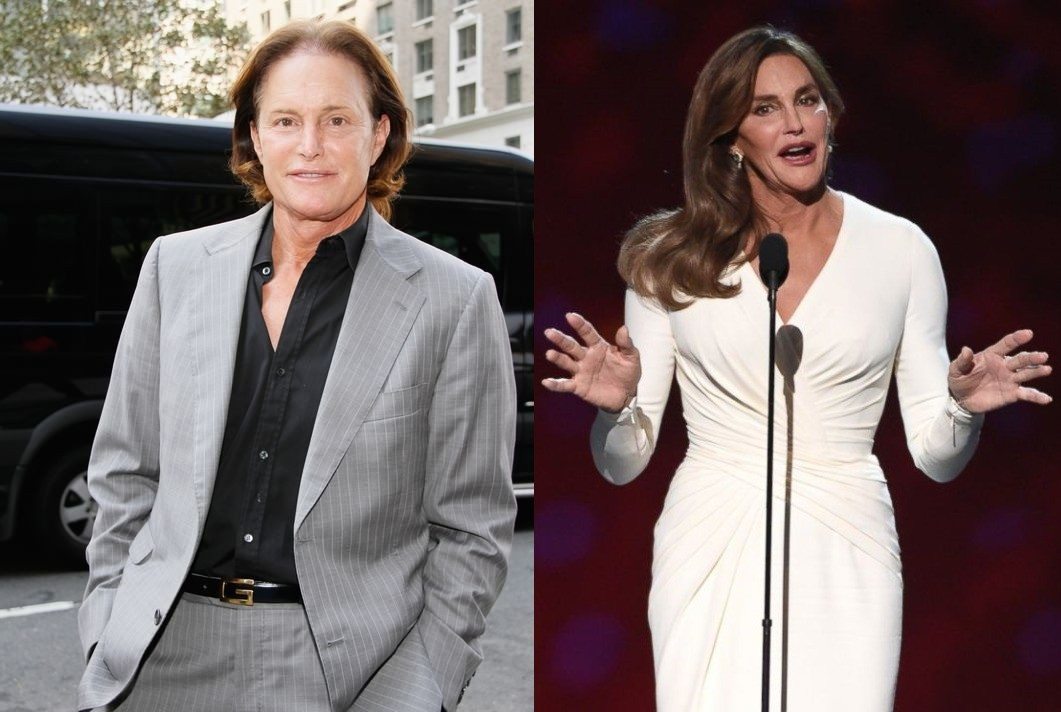
The Public Transition of Caitlyn Jenner: A Timeline of Events
Caitlyn Jenner publicly announced her transition in April 2015 during an exclusive interview with Diane Sawyer on 20/20. Following this, she debuted her name and identity on the cover of Vanity Fair in July 2015, marking the formal com...
Caitlyn Jenner publicly announced her transition in April 2015 during an exclusive interview with Diane Sawyer on 20/20. Following this, she debuted her name and identity on the cover of Vanity Fair in July 2015, marking the formal completion of her public transition and her introduction as a transgender woman to the global media landscape.
Contents
The Diane Sawyer Interview: The First Official Disclosure
The shift in public awareness regarding the transition of the Olympic gold medalist formerly known as Bruce Jenner occurred in the spring of 2015. On April 24, 2015, ABC News aired a highly anticipated interview conducted by journalist Diane Sawyer. During this broadcast, Jenner addressed long-standing media speculation regarding her gender identity.
In this candid conversation, Jenner confirmed that she had struggled with gender dysphoria for the entirety of her adult life. She stated definitively, "For all intents and purposes, I am a woman," while clarifying that she had not yet transitioned in terms of her public identity or name at that specific moment. This interview served as a watershed moment in mainstream media, bringing the topic of gender transition to a massive, global audience. By choosing to speak openly on a major network, Jenner transitioned the conversation from tabloid rumor to a human-interest story focused on personal identity and psychological well-being.
The Vanity Fair Reveal and Official Name Change
While the April interview established the intent, the formal adoption of the name "Caitlyn" occurred shortly thereafter. On June 1, 2015, the official Vanity Fair cover featuring Annie Leibovitz’s photography was released online. This image, accompanied by the headline "Call Me Caitlyn," served as the official public introduction of Caitlyn Jenner.
This event was more than a magazine feature; it was a carefully orchestrated moment of cultural branding. The choice of the name "Caitlyn" was personal, selected by Jenner to maintain the initials "C.J." (in reference to her former name) while signaling a new chapter. Following the media debut, Jenner filed a formal petition in a Los Angeles Superior Court on September 15, 2015, to legally change her name and gender. On September 25, 2015, a judge granted this petition, making her name change official under the law.
Understanding Gender Transition Processes
To appreciate the timeline of Caitlyn Jenner’s transition, it is helpful to understand that "becoming" someone in the public eye is distinct from the clinical and personal transition process. For many individuals, transition is a multifaceted journey involving social, legal, and medical steps.
Social transition involves changing one’s name, pronouns, and presentation (clothing, hair, mannerisms) to align with one’s gender identity. Legal transition involves the formal process of updating government documents, such as birth certificates, passports, and driver’s licenses, to reflect the individual’s correct gender and name. Medical transition—which is highly individualized—may involve hormone replacement therapy (HRT), gender-affirming surgeries, or other medical interventions, depending on the person's specific health goals and preferences.
For public figures, these private transitions often occur alongside—or years before—the public unveiling. Jenner’s 2015 public announcement was the culmination of these internal and private processes rather than the start of them.
Key Milestones in the Transition Timeline
The timeline of Caitlyn Jenner’s transition can be categorized into public milestones that informed the global public of her journey.
| Milestone | Date | Significance |
|---|---|---|
| 20/20 Interview | April 2015 | Publicly affirmed gender identity as female. |
| Vanity Fair Cover | June 2015 | Officially debuted the name "Caitlyn." |
| I Am Cait Premiere | July 2015 | Reality series documenting the transition process. |
| Legal Name Change | September 2015 | Formal, court-ordered change of name and gender. |
| Memoir Publication | April 2017 | Release of The Secrets of My Life detailing her history. |
The Role of Media and Documentation
The transition was heavily documented by the E! Network, which aired the docuseries I Am Cait. This series premiered in July 2015, just two months after the Diane Sawyer interview. The show was significant because it provided viewers with an intimate, ongoing look at the complexities of the transition process, including the impact on family dynamics and the broader transgender community.
For many viewers, this was their first real-time exposure to the challenges faced by transgender individuals, including issues regarding access to healthcare, social acceptance, and the internal struggle to reconcile one's past with their present. The documentation was instrumental in shaping public discourse throughout 2015 and 2016, placing the subject of transgender rights firmly within the American political and social conversation.
Impact and Cultural Context
Caitlyn Jenner’s transition occurred during a period of rapidly shifting social attitudes toward LGBTQ+ rights. Her public transition brought specific visibility to the experiences of older transgender women—a demographic that was often overlooked in previous media representations of the trans community.
However, the transition was not without controversy. Discussions regarding the speed of the transition, the focus of the media coverage, and the intersections of wealth and privilege were frequent. Critics and supporters alike often debated how Jenner’s experience compared to the average transgender person's experience, particularly regarding financial access to gender-affirming care and public support systems. These conversations added a layer of complexity to the public narrative, moving the discussion beyond the "when" of the transition into the "how" and "why" of societal perception.
Frequently Asked Questions
Did Caitlyn Jenner change her name immediately after the 20/20 interview? No. In the April 2015 interview, she had not yet publicly transitioned her name. The name "Caitlyn" was not revealed until the Vanity Fair cover in June 2015, and the legal name change was not finalized until September 2015.
Was the transition process documented in real time? Yes. The docuseries I Am Cait followed her transition process closely. It provided a serialized look at the social, medical, and personal adjustments she made during that period, offering viewers a comprehensive look at the logistical steps required to navigate a public transition.
What was the legal process for the name change? Like most individuals in California, Jenner had to file a formal petition with the Los Angeles Superior Court. This process requires a legal notice period, a background check, and a judge’s approval. On September 25, 2015, the court officially granted the petition to change her name and gender.
Is Caitlyn Jenner’s transition a universal experience for transgender people? No. Gender transition is a highly personal and unique journey. While Jenner’s experience highlights many common themes—such as the importance of support and the struggle for authenticity—every individual’s path is determined by their own medical needs, personal preferences, and social environment.
What is the current status of Caitlyn Jenner’s public profile? As of 2026, Caitlyn Jenner remains a public figure, active in media and social commentary. Her public journey continues to be referenced as a historical milestone in transgender visibility, and she remains a frequent subject of discussions regarding the intersection of celebrity, politics, and gender identity.
Next Steps for Understanding the Topic
If you are interested in learning more about the history of transgender rights or the logistics of transition in the United States, consider reviewing official resources provided by organizations like the National Center for Transgender Equality or local government court websites regarding name change procedures. These entities provide accurate, procedural information for individuals navigating similar transitions, highlighting that while Jenner’s path was high-profile, the legal and social framework remains consistent for the general public.
Image Gallery