The JFK Mini-Series Explained: Themes, Key Narratives, and Historical Accuracy
The term "JFK mini-series" primarily refers to major television docudramas depicting the life, presidency, and family legacy of John F. Kennedy, most notably the 2011 Emmy-winning eight-part series The Kennedys starring Greg Kinnear, t...
The term "JFK mini-series" primarily refers to major television docudramas depicting the life, presidency, and family legacy of John F. Kennedy, most notably the 2011 Emmy-winning eight-part series The Kennedys starring Greg Kinnear, the classic 1983 miniseries Kennedy starring Martin Sheen, and the 1993 biographical drama JFK: Reckless Youth starring Patrick Dempsey. These productions dramatize Kennedy's rise, Cold War crisis management, personal relationships, and enduring political legacy.
Contents
Understanding the Primary JFK Television Mini-Series
Depicting the 35th President of the United States on television requires navigating a delicate balance between rigorous historical documentation and dramatic storytelling. Across several decades, television networks and streaming platforms have produced dedicated mini-series that examine John F. Kennedy from different biographical angles.
Understanding how these adaptations approach Kennedy’s life requires distinguishing between the major productions:
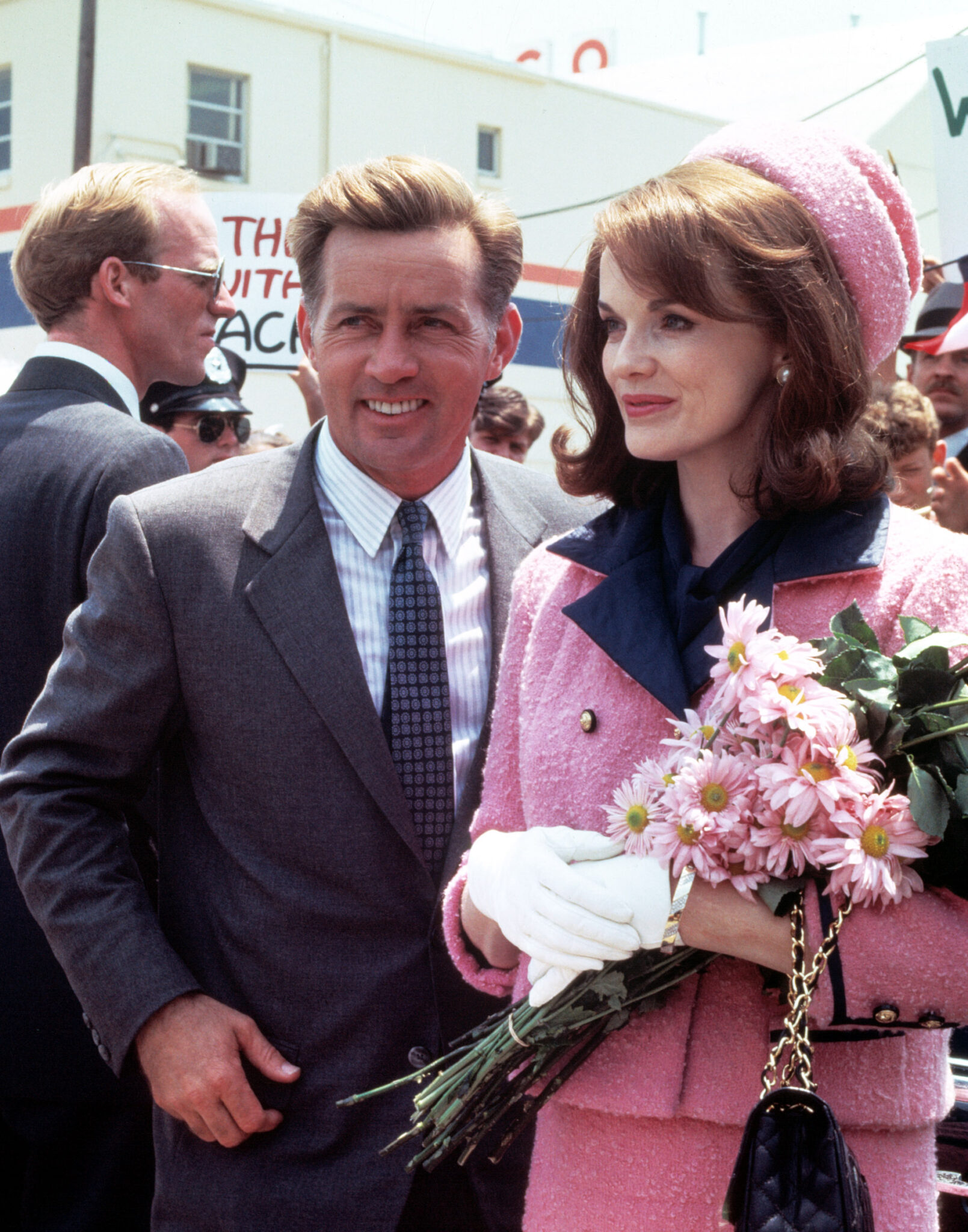
- Kennedy (1983): Written by Reg Gadney and directed by Jim Goddard, this five-hour NBC mini-series stars Martin Sheen as John F. Kennedy and Blair Brown as Jacqueline Kennedy. Broadcast on the 20th anniversary of Kennedy's assassination, it focuses tightly on his presidency from his 1960 election to his death in Dallas in November 1963.
- JFK: Reckless Youth (1993): Based on the early-life biography by historian Nigel Hamilton, this ABC mini-series stars Patrick Dempsey as a young Jack Kennedy. It concentrates on his formative years, complex relationship with his father, World War II service aboard PT-109, and initial entry into the U.S. House of Representatives in 1946.
- The Kennedys (2011): Produced by Muse Entertainment and directed by Jon Cassar, this high-profile eight-part mini-series stars Greg Kinnear as JFK, Barry Pepper as Robert F. Kennedy, Tom Wilkinson as Joseph P. Kennedy Sr., and Katie Holmes as Jacqueline Kennedy. It spans several decades, detailing Joseph Sr.'s political ambitions for his sons, Jack's presidency, and the family dynamics shaping their decisions.
- The Kennedys: After Camelot (2017): Serving as a four-part sequel to the 2011 series, this project focuses on the post-1968 era, chronicling Ted Kennedy (played by Matthew Perry) and Jackie Kennedy Onassis (Katie Holmes) as they navigate public scrutiny and personal tragedies.
Major Narrative Arcs and Historical Themes
While each adaptation varies in scope, several primary narrative arcs form the backbone of any JFK mini-series explanation. These themes reflect both verified historical events and the dramatic tensions that defined the Kennedy era.
- Patriarchal Ambition (Joseph Kennedy Sr. & Family Dynamics)
- Crisis Leadership (Bay of Pigs & Cuban Missile Crisis)
- Domestic Reform & Civil Rights (RFK Integration Efforts & Policy)
- Personal & Physical Realities (Health Struggles & Marriage)
- Assassination & "Camelot" Legacy (Post-1963 Historical Mythos)
1. Patriarchal Ambition and Family Loyalty
A central engine in dramatic portrayals—especially The Kennedys (2011)—is the influence of Joseph P. Kennedy Sr., former U.S. Ambassador to the United Kingdom. Mini-series often portray Joe Sr. as a driven patriarch who pushed his sons into politics following the death of his eldest son, Joe Jr., during World War II. The relationship between Jack, his brother Bobby, and their father illustrates how family expectations shaped national political campaigns.
2. Cold War Brinkmanship and Foreign Policy
Presidential miniseries place heavy focus on the foreign policy crises that defined Kennedy's 1,036 days in office:
- The Bay of Pigs Invasion (April 1961): Dramatic portrayals detail the failed CIA-backed invasion of Cuba, illustrating Kennedy's early distrust of military advisers and intelligence officials.
- The Berlin Crisis (1961): Depicting tensions with Soviet Premier Nikita Khrushchev leading up to the construction of the Berlin Wall.
- The Cuban Missile Crisis (October 1962): Widely treated as the climax of Kennedy's presidential narrative. Productions depict the 13-day standoff, balancing the tense deliberations within the Executive Committee of the National Security Council (ExComm) against the threat of nuclear conflict.
3. Civil Rights and Domestic Tensions
Mini-series frequently explore the administration's evolving stance on civil rights. The operational dynamic between President Kennedy and Attorney General Robert F. Kennedy highlights their initial caution regarding political backlash from Southern Democrats, followed by decisive action during the integration of the University of Mississippi (1962) and the University of Alabama (1963).
4. Personal Health, Marriage, and Private Life
Modern historical mini-series move beyond idealization to address private challenges:
- Physical Illness: Historical records confirm Kennedy suffered from severe chronic back pain, Addison's disease, and autoimmune conditions. Miniseries like The Kennedys (2011) demonstrate his dependence on specialized medical treatments, back braces, and daily medications.
- Marital Dynamics: Portrayals explore the complex relationship between Jack and Jackie Kennedy, contrasting public charm with private strain, grief over the loss of their infant son Patrick in August 1963, and mutual support during political turmoil.
Historical Fact vs. Dramatic Adaptation
When examining any JFK mini-series, viewers must distinguish documented historical reality from screenwriting compression and speculative dramatization.
Verified Historical Accuracy
Major historical events depicted in these series align closely with public records, official tapes, and archival documents:
- ExComm Tapes: Presidential tape recordings confirmed that John and Robert Kennedy actively resisted military pressure to bomb missile sites in Cuba, opting instead for a naval blockade (quarantine).
- Health Concealment: The Kennedy administration kept the full extent of JFK's medical ailments, particularly Addison's disease, hidden from the public during his campaigns and presidency.
Dramatic Liberties and Controversies
Screen portrayals frequently condense timelines and invent private conversations for narrative pacing:
- Dialogue Compression: Private conversations between Jack, Bobby, and Joe Sr. are largely constructed by screenwriters based on memoirs and biographical accounts rather than direct transcriptions.
- Political Controversy around The Kennedys (2011): Prior to its broadcast, The Kennedys faced criticism from some historians and political observers who argued early script drafts contained speculative personal scandal and unsympathetic characterization. The History Channel ultimately chose not to air the finished product in the United States, citing that it did not fit the channel's brand, leading to its release on ReelzChannel instead. The series went on to receive four Primetime Emmy Awards, including Outstanding Lead Actor in a Miniseries for Barry Pepper.
Comparing Major JFK Television Mini-Series
The following comparison details how key miniseries address historical focus, lead cast, and thematic emphasis.
| Mini-Series Title | Release Year | Primary Lead (JFK) | Scope & Timeframe Covered | Primary Historical Focus |
|---|---|---|---|---|
| Kennedy | 1983 | Martin Sheen | 1960–1963 (Presidency) | White House decision-making, foreign policy, and assassination aftermath. |
| JFK: Reckless Youth | 1993 | Patrick Dempsey | 1917–1946 (Youth & Early Politics) | Formative years, PT-109 service, health problems, and initial U.S. House campaign. |
| The Kennedys | 2011 | Greg Kinnear | 1930s–1968 (Family Narrative & Presidency) | Family dynamics under Joe Sr., presidential crises, and the relationship between Jack and Bobby. |
| The Kennedys: After Camelot | 2017 | Matthew Perry (as Ted Kennedy) | 1968–1999 (Post-Assassination Era) | Ted Kennedy's leadership, Jackie's later life, and the family's public legacy. |
Key Takeaways and Cultural Impact
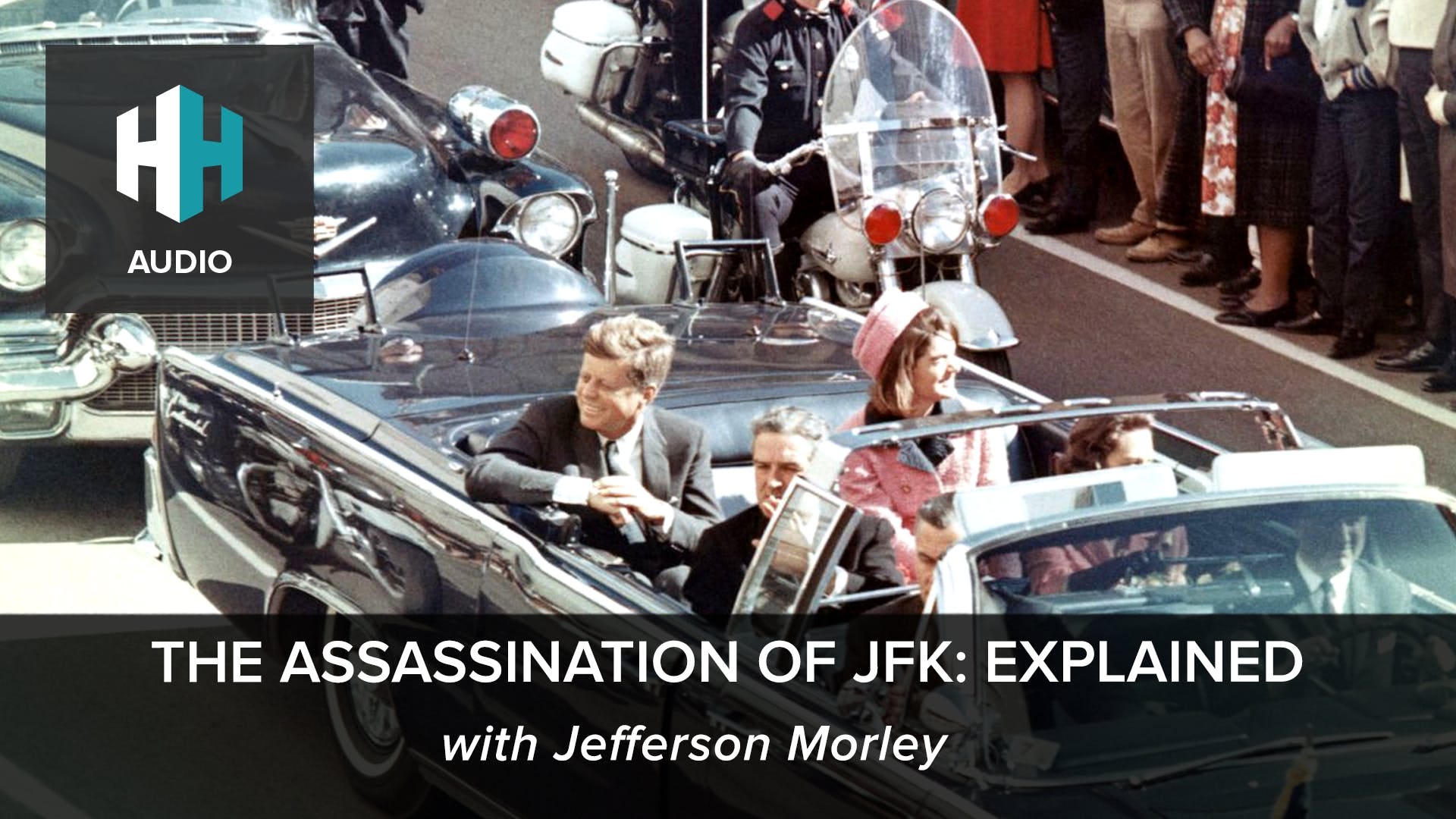
The enduring popularity of JFK mini-series stems from the mythos of "Camelot"—a term popularized by Jacqueline Kennedy in a Life magazine interview shortly after her husband's death, referencing the idyllic court of King Arthur.
Critical viewers should evaluate these screen portrayals through three primary lenses:
- Leadership Under Pressure: The most acclaimed sequences in these series center on crisis management, illustrating how political leadership requires balancing military advice against diplomatic caution.
- The Humanization of Public Figures: By addressing Kennedy's medical frailty and private struggles, modern series replace monolithic myth-making with nuanced character studies.
- The Impact of Family Legacy: These dramatizations show how intergenerational ambition, public service, and personal sacrifice intersected to shape mid-20th-century American politics.
Frequently Asked Questions
Which JFK mini-series covers the entirety of his presidency?
The 1983 miniseries Kennedy starring Martin Sheen focuses directly on his presidential years from the 1960 election through November 1963. The 2011 miniseries The Kennedys starring Greg Kinnear also covers the full presidency while incorporating flashbacks to his earlier life and family history.
Why was The Kennedys (2011) miniseries dropped by the History Channel?
The History Channel pulled The Kennedys from its U.S. broadcast schedule in January 2011, stating that the dramatic interpretation did not fit the network's historical brand. The series was subsequently acquired and broadcast by ReelzChannel in the United States and Muse Entertainment internationally.
Did John F. Kennedy really suffer from Addison's disease as shown in the series?
Yes. Historical records and medical archives confirm that John F. Kennedy was diagnosed with Addison's disease (an adrenal deficiency) as well as severe spinal deterioration. These conditions were kept secret from the electorate during his lifetime but are accurately depicted in modern mini-series.
Who won awards for their performances in JFK mini-series?
In The Kennedys (2011), Barry Pepper won the Primetime Emmy Award for Outstanding Lead Actor in a Miniseries or Movie for his depiction of Robert F. Kennedy. Tom Wilkinson and Greg Kinnear also received major acting nominations.
Where can viewers watch these JFK mini-series?
Availability varies by region and streaming platform agreements. The Kennedys (2011) and The Kennedys: After Camelot (2017) are frequently available on major video-on-demand services, digital storefronts, and DVD/Blu-ray releases. Archival mini-series like Kennedy (1983) can often be found on home video collections or classic television streaming channels.
Recommended Next Steps for Viewers
To gain a comprehensive understanding of John F. Kennedy's life beyond screen adaptations, consider pairing dramatic mini-series with primary historical sources:
- Review Primary Audio Archives: Listen to the original recordings of ExComm meetings during the Cuban Missile Crisis, available through the John F. Kennedy Presidential Library and Museum, to compare scripted dialogue with actual historical conversations.
- Read Authoritative Biographies: Pair dramatic series with verified biographies such as An Unfinished Life: John F. Kennedy, 1917–1963 by Robert Dallek or JFK: Coming of Age in the American Century, 1917–1956 by Fredrik Logevall.
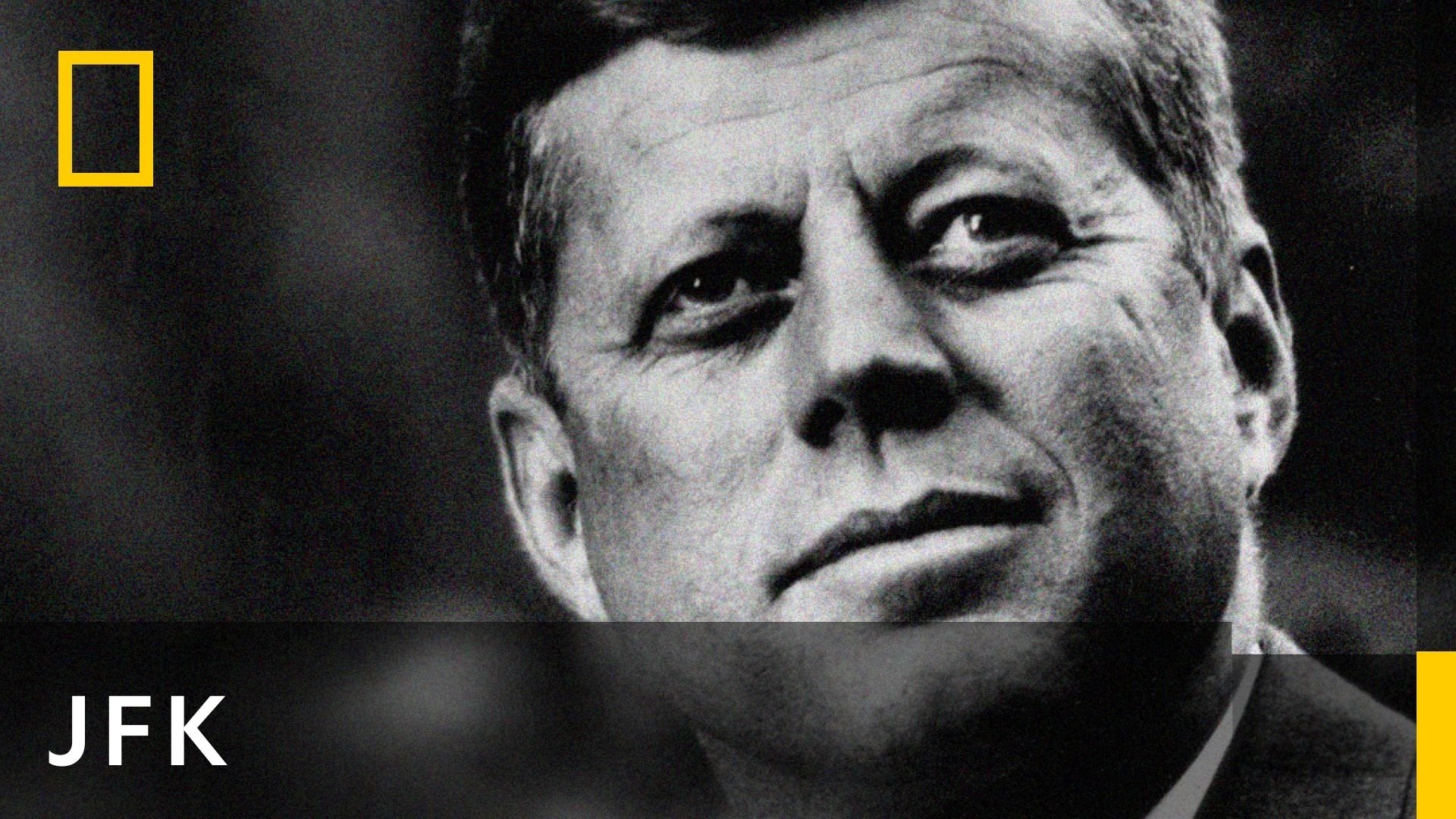
- Examine Archival Documentaries: Complement docudramas with unscripted archival series such as National Geographic's JFK: One Day in America for direct news footage and eyewitness accounts.
Image Gallery