Understanding the Complex Landscape of Olympic Medal Rankings
Olympic medal rankings represent a complex landscape because there is no single, universally mandated system for determining a nation's success. While the International Olympic Committee (IOC) provides official data, it does not offici...
Olympic medal rankings represent a complex landscape because there is no single, universally mandated system for determining a nation's success. While the International Olympic Committee (IOC) provides official data, it does not officially rank countries, leaving the interpretation of "top performing" to media organizations, sports analysts, and national committees, each utilizing different hierarchical methodologies that shift the narrative of sporting dominance.
Contents
The Absence of an Official IOC Standard
It is a common misconception that the International Olympic Committee maintains a definitive, ranked list of countries based on medal hauls. In reality, the Olympic Charter focuses on the spirit of individual participation and the promotion of Olympism rather than a competitive hierarchy of nations. The IOC explicitly avoids ranking countries by medal count because such systems inevitably politicize the Games and contradict the movement's goal of unity.
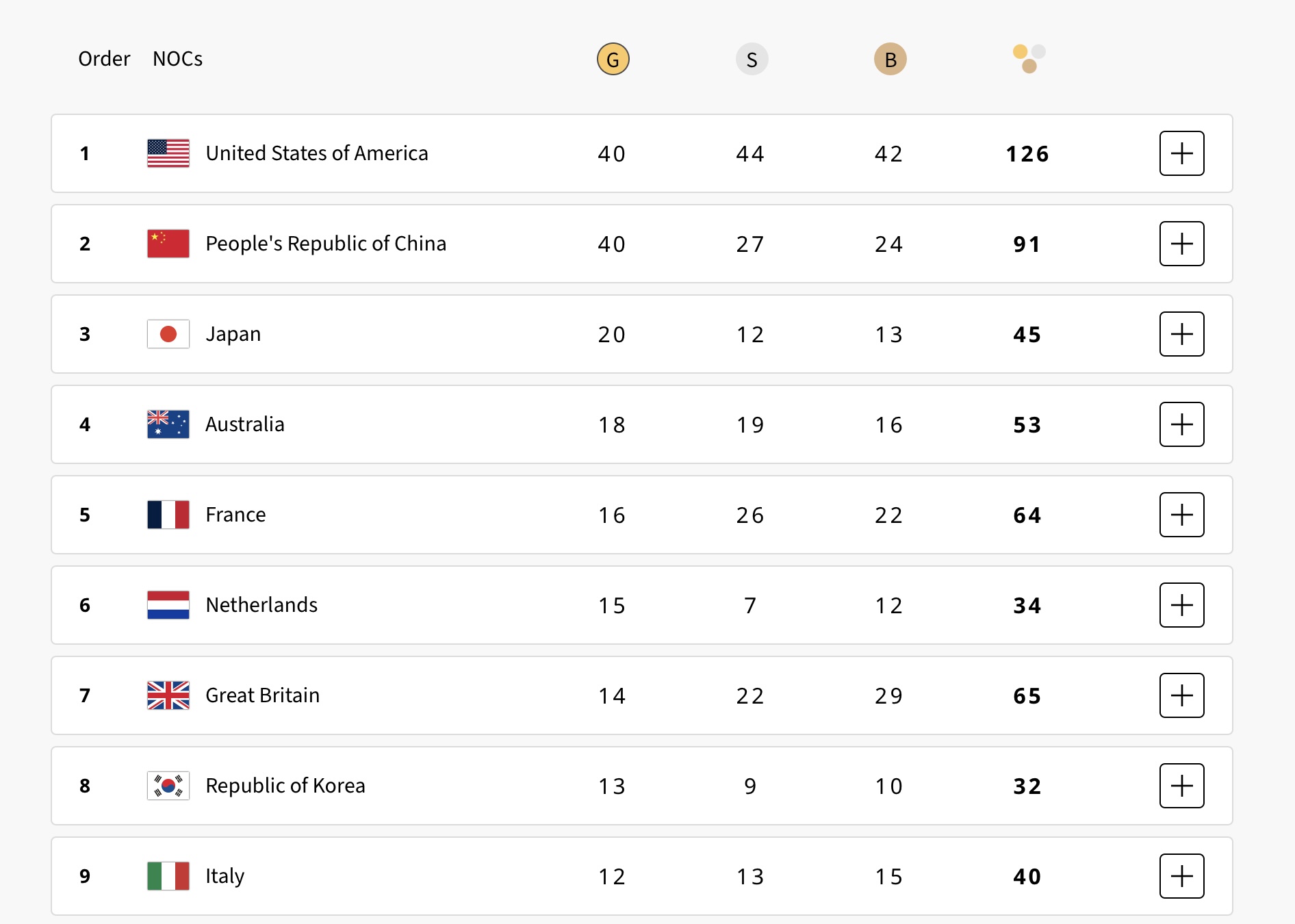
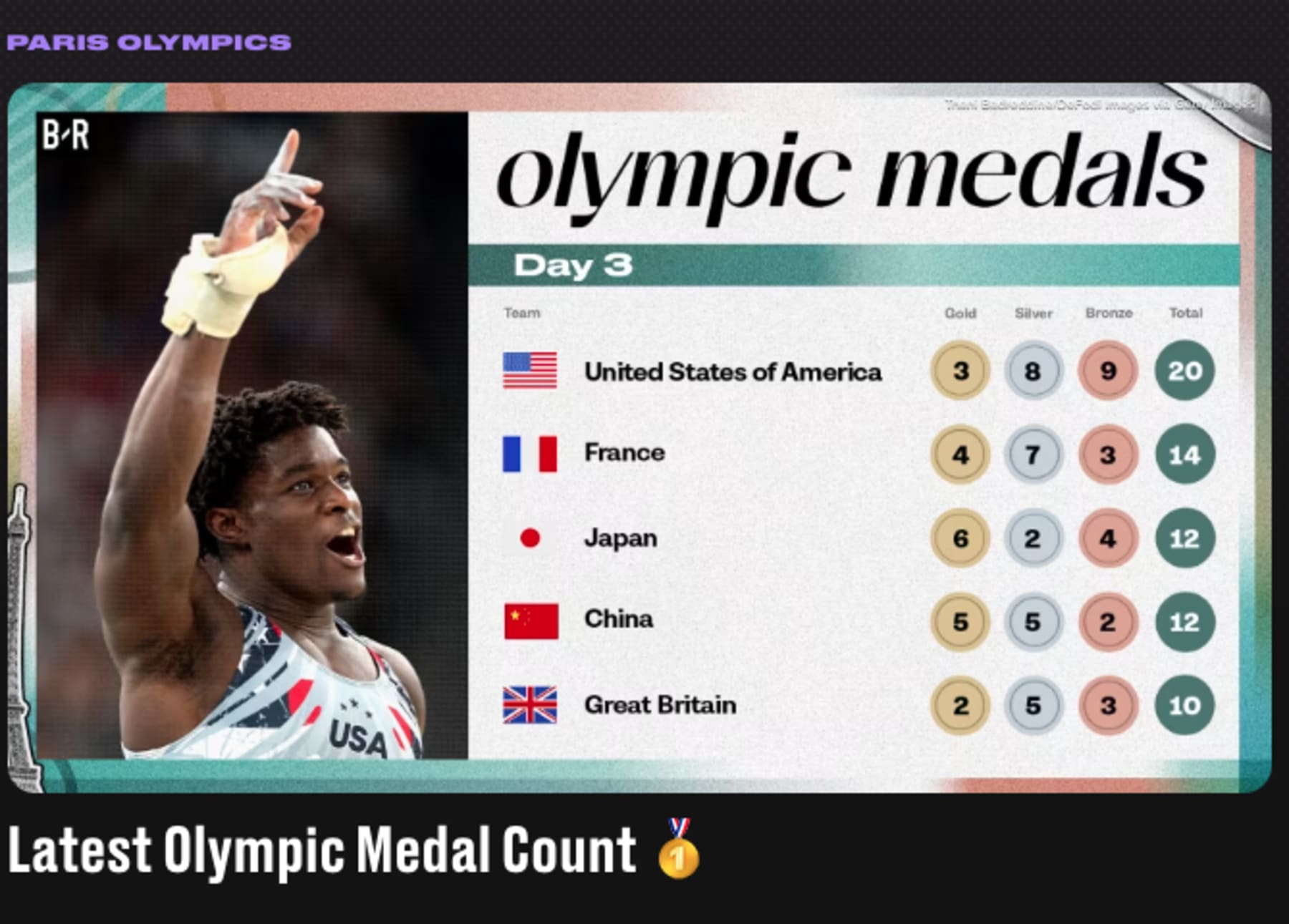
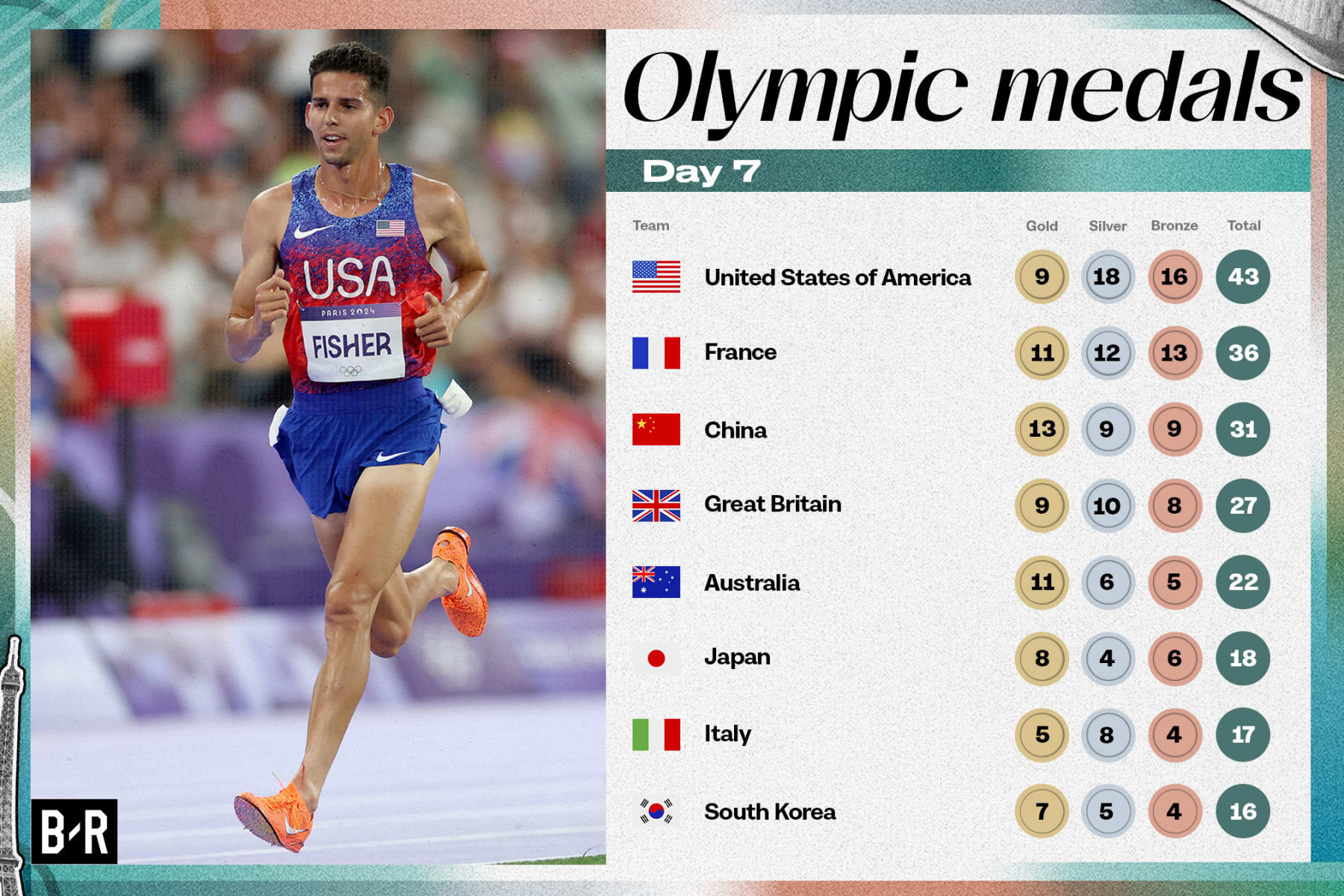
Because the IOC does not provide an official leaderboard, organizations like the Associated Press, the BBC, and the United States Olympic & Paralympic Committee (USOPC) have developed their own methodologies. This lack of standardization means that two different media outlets can report on the "winner" of the medal table using identical data but arrive at completely different conclusions, depending on whether they prioritize gold medals or the total volume of podium finishes.
The Gold-First Hierarchy (The International Standard)
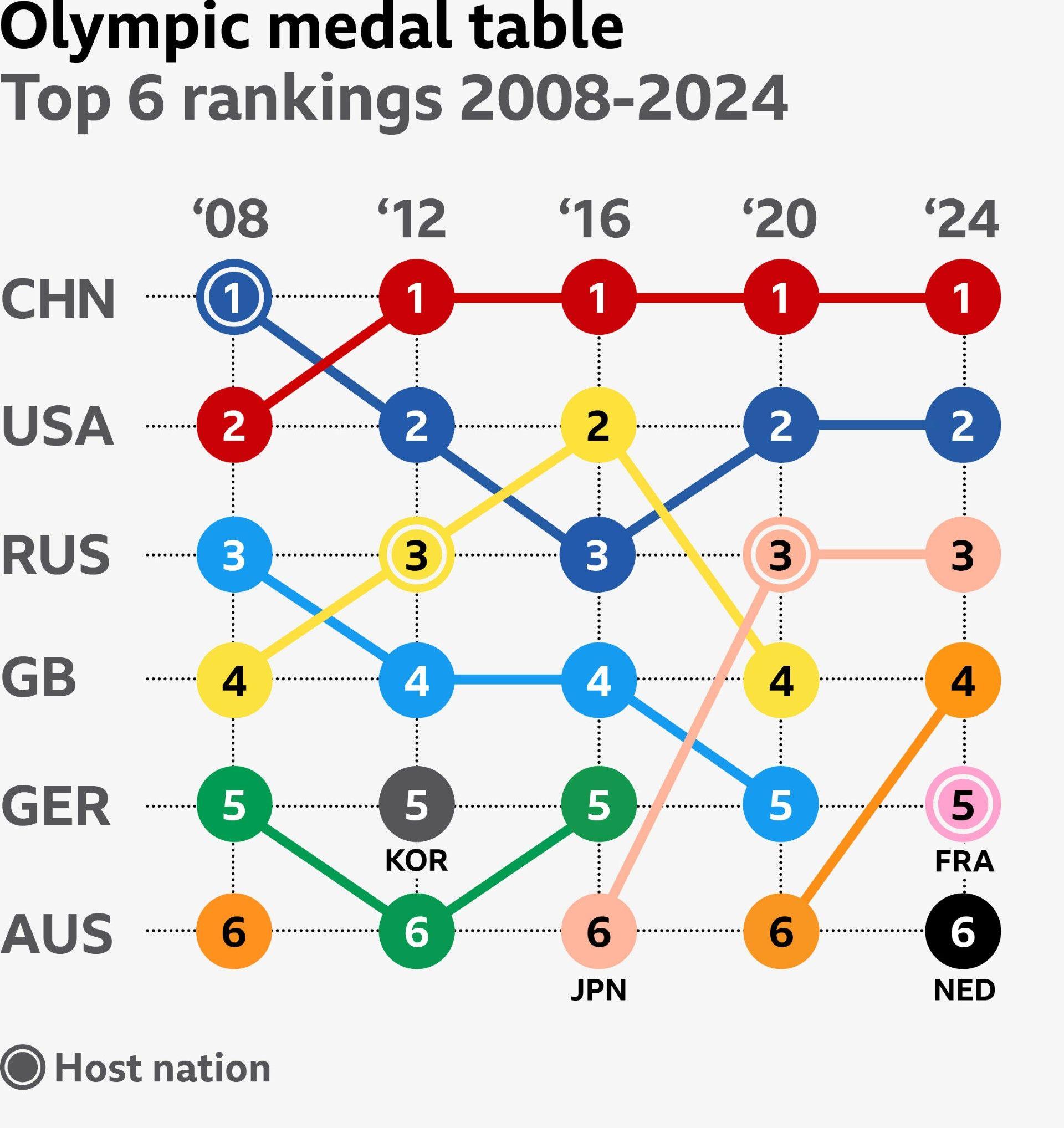
The most widely adopted system in international media is the "Gold-First" methodology. Under this model, countries are ranked primarily by the number of gold medals won. Silver and bronze medals act only as tie-breakers. If two nations are tied in gold, the one with more silver medals takes the higher position; if still tied, the count of bronze medals is used.
- Logic: This system assumes that the pinnacle of athletic achievement is the gold medal. It rewards absolute dominance in specific events.
- Criticism: Critics argue this system ignores the depth of a nation's athletic program. A country with one gold medal but zero other medals ranks higher than a country with ten silver medals and ten bronze medals, which some analysts believe provides a skewed representation of the nation's overall sporting infrastructure.
The Total Medal Count Model
Popularized primarily in the United States, the total medal count model ranks countries based on the sum of all medals—gold, silver, and bronze combined.
- Logic: Proponents argue that every medal represents a significant athletic achievement and a high-level performance that deserves recognition. This system provides a more holistic view of a nation’s performance across a wide range of disciplines.
- Criticism: This methodology is frequently criticized for "devaluing" the gold medal. By treating a bronze medal with the same weight as a gold medal, the system arguably obscures the distinction between first-place excellence and third-place consistency.
Comparison of Ranking Methodologies
| Feature | Gold-First (Standard) | Total Medal Count | Weighted Point System |
|---|---|---|---|
| Primary Metric | Gold medals first | Sum of all medals | Value assigned per metal type |
| Secondary Metric | Silver/Bronze as ties | N/A | Variable (e.g., 3-2-1) |
| Main Advantage | Rewards elite performance | Rewards depth and range | Balances excellence vs. depth |
| Main Drawback | Ignores significant depth | Devalues gold supremacy | Subjective weighting values |
The Weighted Point System
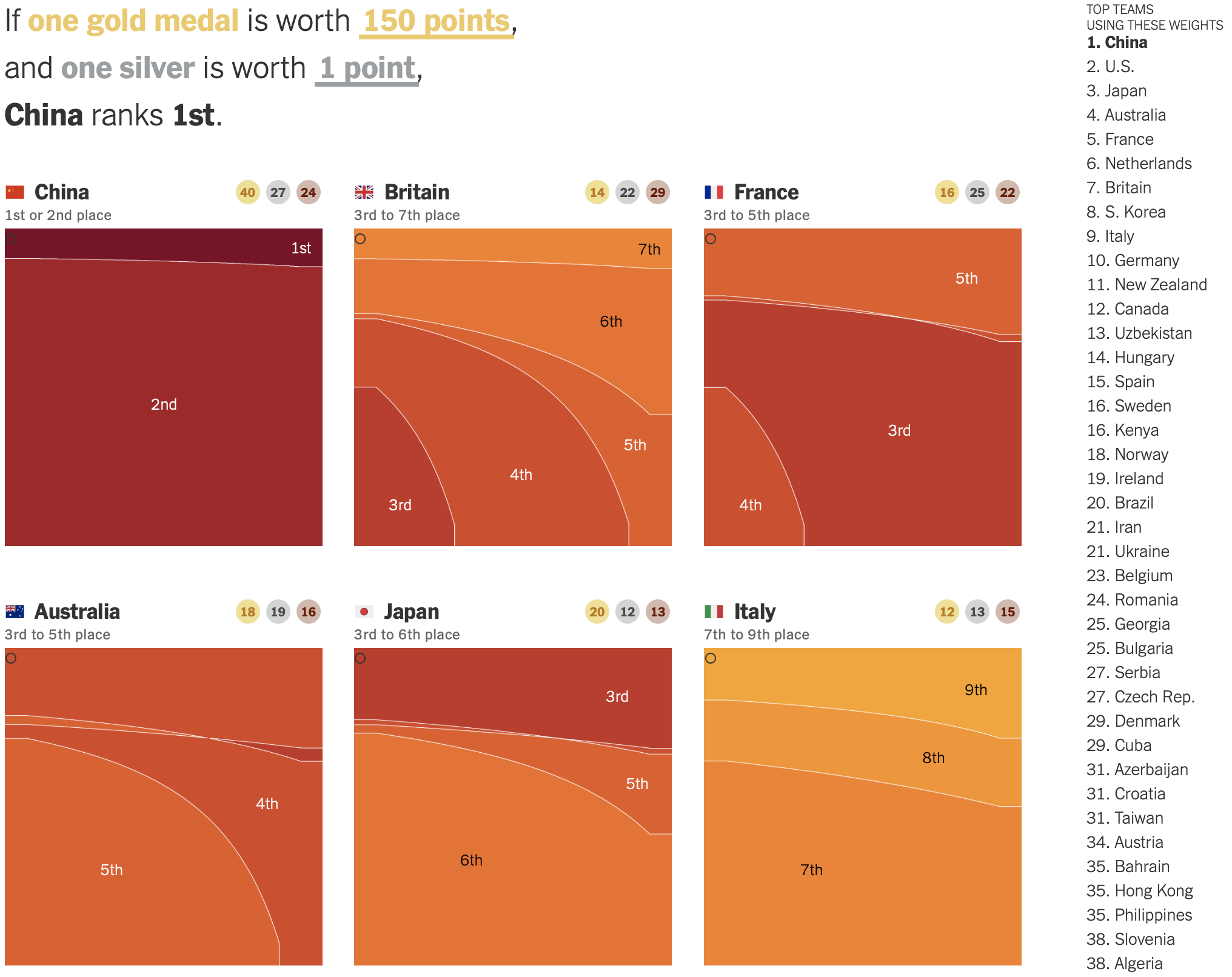
To bridge the gap between Gold-First and Total Medal rankings, some statisticians employ a weighted point system. In this model, points are assigned to each medal—typically 3 points for gold, 2 for silver, and 1 for bronze.
This approach is mathematically more robust as it accounts for the scarcity and difficulty of achieving a top-three finish while simultaneously acknowledging the value of minor medals. However, this system remains subjective because the assigned values (3-2-1 vs. 5-3-1, for example) are arbitrary. Different organizations choose different values, leading to even further variance in how success is calculated.
The Influence of Per Capita Metrics
In recent years, analysts have increasingly scrutinized medal counts through the lens of population, Gross Domestic Product (GDP), and athlete count. These "per capita" rankings change the narrative entirely, often elevating smaller nations that may only win one or two medals but possess a significantly higher medal-per-million-citizens ratio than larger, populous countries.
This dimension of the landscape serves as a reminder that the "complex landscape" of rankings is not just about counting pieces of metal, but about socioeconomic context. A nation with a small population and limited resources that achieves a high per capita ranking is often viewed through a different lens of success than a global superpower with immense institutional support.
Common Misconceptions and Troubleshooting
When tracking Olympic rankings, observers often encounter confusion due to these disparate methods.
- The "Official" Confusion: Users often search for the "official" medal table. It is important to remember that such a table exists only as a convenience for the public and not as a legal or binding Olympic record.
- Discrepancies in Real-Time Data: During the Games, rankings may appear to fluctuate momentarily based on data refreshes or the timing of medal ceremonies. Always verify counts against the official Olympic results portal for the most accurate raw data before applying a specific ranking logic.
- Country Name Changes: Historically, the dissolution of nations or the reclassification of territories can complicate long-term historical comparisons. If you are comparing historical Olympic performance, ensure you are utilizing consistent data sources that account for these historical shifts.
Frequently Asked Questions
Why does the US media often show a different medal table than the rest of the world? The difference stems from the reliance on the "Total Medal Count" versus the "Gold-First" system. The US broadcast standard typically emphasizes the total count to reflect the breadth of team success, whereas most international organizations prioritize gold medals as the ultimate standard of excellence.
Does the IOC recognize a "winner" of the Olympic Games? No. The IOC Charter stipulates that the Olympic Games are competitions between athletes, not between nations. While media outlets track national tallies, the IOC does not issue a trophy or official recognition for the "winning" country.
How should I calculate my own rankings? If you are analyzing performance for research or journalism, decide on your core value first. If your intent is to reward top-tier elite performance, use the Gold-First system. If your intent is to measure the overall health of a nation's sports program, use the Total Medal Count or a Weighted Point System.
Why do some countries rank highly in per capita tables? Smaller nations with high medal counts per million people demonstrate extreme efficiency in specific sports. These tables are designed to normalize the playing field against larger countries with more athletes, more funding, and larger talent pools to draw from.
Are medals ever redistributed after the Games? Yes. Through anti-doping re-testing and disqualifications, medal counts can change months or even years after the closing ceremony. Always check for updated, post-Games reports if you are conducting historical analysis.
Final Recommendation
To navigate the complex landscape of Olympic medal rankings effectively, abandon the search for a singular "correct" list. Instead, define your objective: if you want to know which nation captured the most top-level podium spots, follow the Gold-First tables. If you wish to assess the overall depth of a nation’s athletic output, look toward total medal counts. For academic or policy-based analysis, utilize weighted point systems or per capita metrics to account for population and resource variables. By understanding the methodology behind the numbers, you can discern the actual performance of nations rather than relying on a singular, potentially biased, perspective.
Image Gallery