The Visual and Cultural Legacy of Janet and Michael Jackson’s "Scream" (1995)
In 1995, Janet and Michael Jackson released "Scream," a high-octane industrial pop collaboration that served as a defiant response to relentless media scrutiny. Directed by Mark Romanek, the accompanying music video remains one of the...
In 1995, Janet and Michael Jackson released "Scream," a high-octane industrial pop collaboration that served as a defiant response to relentless media scrutiny. Directed by Mark Romanek, the accompanying music video remains one of the most influential works in music history, holding the record for the most expensive music video ever produced at $7 million.
Contents
The Historical Context: A Siblings’ Unified Defense
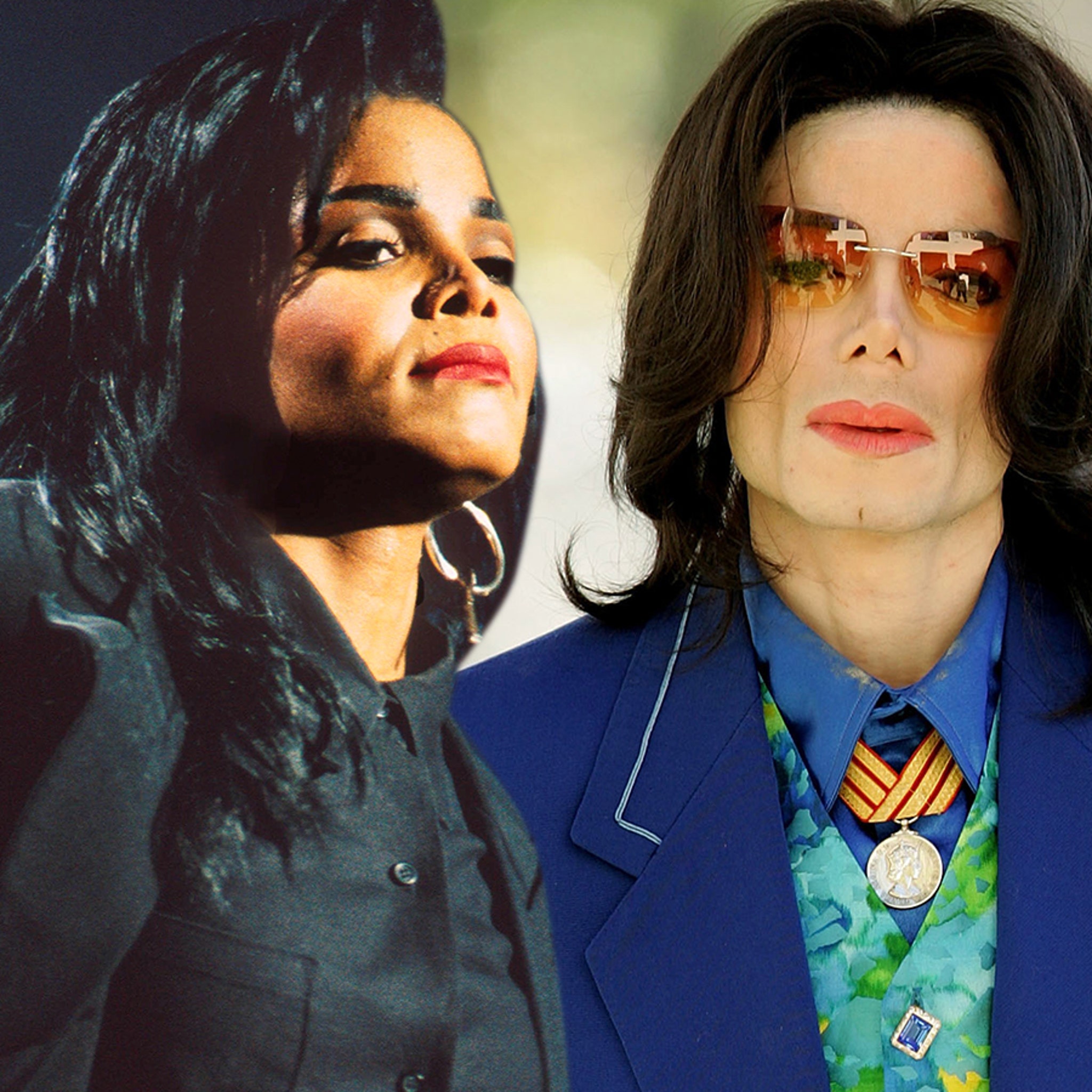
To understand "Scream," one must look at the climate of the mid-1990s. By 1995, Michael Jackson had spent two years under an intense media microscope following the 1993 allegations and subsequent civil settlement. He was a figure of extreme public fascination and polarizing tabloid coverage. Meanwhile, Janet Jackson had transitioned from a child star into a global powerhouse following the massive success of her 1993 album janet.
"Scream" was the lead single for Michael’s ninth studio album, HIStory: Past, Present and Future, Book I. It was the first time the two most famous Jackson siblings had collaborated on a song since Janet provided backing vocals for "P.Y.T. (Pretty Young Thing)" in 1982. The stakes were incredibly high. For Michael, it was a platform to air his grievances against the press; for Janet, it was a public show of solidarity with her brother during his most turbulent professional period.
The lyrics—"Tired of you tellin' me the things I’m done that’s not true"—were a direct rebuke to the "tabloid junkies" mentioned in the bridge. This aggressive stance was mirrored in the song’s production, handled by the legendary duo Jimmy Jam and Terry Lewis, who were Janet’s long-time collaborators. The result was a sonic landscape of jagged synthesizers and industrial percussion that sounded unlike anything else on pop radio at the time.
Production and the Record-Breaking Budget
The "Scream" music video is frequently cited in the Guinness World Records as the most expensive music video ever made. While $7 million was the official figure in 1995, that amount adjusted for inflation by 2026 represents a staggering investment in a single piece of promotional media.
The budget was consumed by several key factors:
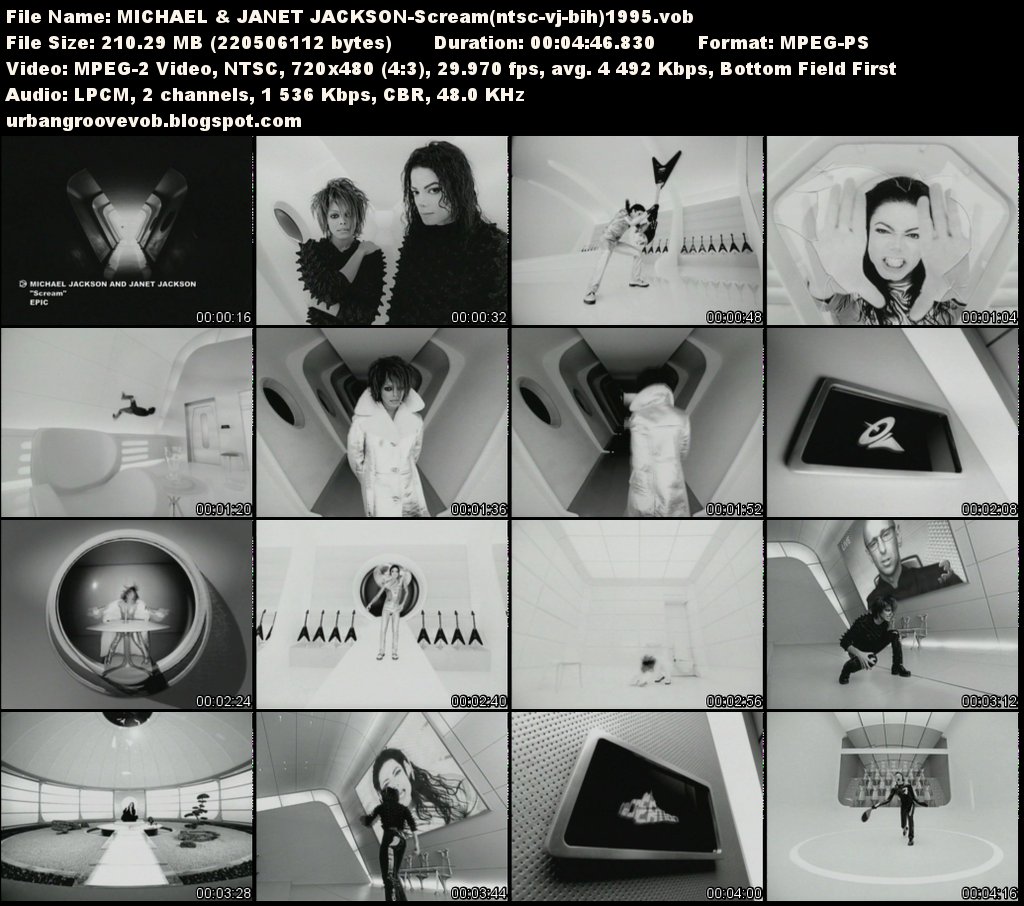
- Set Construction: Eleven massive, interconnected sets were built on a soundstage in Los Angeles. These sets were designed to look like different rooms within a futuristic, minimalist spacecraft.
- Visual Effects: For 1995, the CGI used to simulate zero gravity, liquid metal, and high-tech interfaces was cutting-edge and required significant post-production labor.
- Filming Schedule: The shoot lasted two weeks, with a crew working around the clock. In the music industry of the mid-90s, keeping a crew of that size active for 14 days was an immense financial undertaking.
- Security and Privacy: Given the fame of the Jacksons, extreme measures were taken to prevent leaks of the song or the video’s concept, adding to the overhead costs.
Director Mark Romanek, known for his meticulous visual style, pushed for a black-and-white aesthetic. This was a deliberate choice to make the futuristic environment look more timeless and less like the "cheesy" sci-fi tropes of the era. The high-contrast cinematography highlighted the sleek, jagged edges of the spacecraft and the intense choreography of the two stars.
The Visual Concept: Inside the "Scream" Spacecraft
The video’s narrative is simple but effective: Janet and Michael are on a spacecraft, escaping the toxicity of Earth. This serves as a metaphor for their desire to escape the world’s judgment. The video is divided into various vignettes showcasing different "rooms" in the ship.
Cinematography and Direction by Mark Romanek
Romanek utilized a "shifting gravity" concept where the siblings could move from the floor to the walls seamlessly. This required rotating sets and clever camera work. The use of wide-angle lenses created a sense of isolation and vastness within the metallic corridors. The visual language of the video was heavily influenced by Japanese anime, specifically the film Akira, which is referenced during a scene where Michael is seen in a meditation room with various screens.
Choreography: A Masterclass in Synchronization
One of the most iconic segments of the video is the dance break. Choreographed by Travis Payne, LaVelle Smith Jr., Tina Landon, and Sean Cheesman, the routine is sharp, aggressive, and perfectly synchronized. Unlike the fluid, Broadway-influenced style of Michael's earlier works like "Smooth Criminal," the "Scream" choreography is "twitchy" and robotic.
Janet and Michael’s ability to mirror each other’s movements demonstrated their shared DNA as performers. In 2026, this sequence is still studied by professional dancers as a benchmark for high-energy precision. It wasn't just a dance; it was a physical manifestation of their shared frustration and power.
Technical Specifications and Production Facts
| Feature | Detail |
|---|---|
| Director | Mark Romanek |
| Release Date | June 14, 1995 (Video Premiere) |
| Original Budget | $7 Million USD |
| Film Format | 35mm Black and White |
| Production Designers | Tom Foden |
| Cinematographer | Harris Savides |
| Awards | 1996 Grammy for Best Music Video, Short Form; 3 MTV VMAs |
| Principal Sets | 11 custom-built environments |
Legacy and Cultural Impact in 2026
Over three decades after its release, "Scream" remains a cornerstone of music video history. It represents the "Imperial Phase" of the music video as an art form—a time when record labels were willing to spend millions to create a cinematic event.
In 2026, the video’s influence is visible in the minimalist sci-fi aesthetics of modern pop stars. The "Scream" look—spiky hair, silver outfits, and stark monochrome—has been referenced in countless fashion editorials and music videos by artists who grew up watching the Jacksons.
The song itself remains a staple in Michael Jackson’s discography because it captured a rare moment of vulnerability and anger. While Michael often sang about peace and love ("Heal the World," "We Are the World"), "Scream" showed the man behind the myth fighting back. The presence of Janet Jackson elevated the track from a solo grievance to a familial anthem of resilience.
Behind the Scenes: The Relationship Between the Siblings
The production of "Scream" was a rare opportunity for Michael and Janet to spend quality time together as adults. Despite their global fame, they led very separate lives. During the two-week shoot, they reportedly bonded over the choreography and the shared experience of being the two most scrutinized people on the planet.
Janet later remarked in interviews that she participated in the project primarily to support her brother. She wanted to be the "wall" he could lean on. This emotional subtext is palpable in the video; they are often seen laughing, playing games (like the remote-controlled art gallery sequence), and leaning on one another. It transformed the video from a mere technical marvel into a poignant document of sibling love.
Frequently Asked Questions
Why was the "Scream" video so expensive?
The $7 million cost was primarily due to the construction of 11 large-scale sets, the use of advanced CGI for the mid-90s, and a lengthy 14-day shooting schedule with a massive professional crew. Additionally, the high-concept costumes and lighting rigs contributed to the final bill.
Is "Scream" still the most expensive music video in 2026?
Technically, yes. While some modern videos may approach high costs when adjusted for inflation or when including massive marketing campaigns, "Scream" remains the record holder for the highest production budget ever spent on a single music video shoot.
Who directed the "Scream" music video?
The video was directed by Mark Romanek. He is also famous for directing other high-profile music videos like Nine Inch Nails' "Closer" and Madonna's "Bedtime Story." His work on "Scream" helped him win his first Grammy Award.
What inspired the look of the video?
Mark Romanek and production designer Tom Foden were inspired by 1960s futuristic architecture, Japanese anime (specifically Akira), and the minimalist art of the time. They wanted to create a spacecraft that looked like a high-end art gallery rather than a traditional sci-fi ship.
Did the song "Scream" win any awards?
Yes, the song and its video were highly acclaimed. The video won a Grammy Award for Best Music Video, Short Form in 1996. It also won three MTV Video Music Awards for Best Dance Video, Best Choreography, and Best Art Direction.
Practical Recommendation for Further Study
To fully appreciate the technical mastery of "Scream," viewers should seek out high-definition restorations of the video. In 2026, 4K scans from the original 35mm film reveal details in the set design and choreography that were lost on the low-resolution television broadcasts of the 1990s. Pay close attention to the texture of the sets and the subtle interplay of light and shadow during the dance break. Additionally, watching the "Making of Scream" documentary (originally aired on MTV) provides invaluable insight into the logistical hurdles the crew faced in creating this 4-minute masterpiece.
Image Gallery