Gypsy Rose Clothing: Guide to Bohemian, Festival, and Counterculture Style
Gypsy Rose clothing refers to a distinct genre of bohemian, hippie, and festival apparel characterized by vibrant tie-dye patterns, batik prints, relaxed silhouettes, natural fabrics, and counterculture motifs. Popularized by the long-...
Gypsy Rose clothing refers to a distinct genre of bohemian, hippie, and festival apparel characterized by vibrant tie-dye patterns, batik prints, relaxed silhouettes, natural fabrics, and counterculture motifs. Popularized by the long-standing mail-order and online retailer Gypsy Rose alongside broader counterculture fashion movements, these garments emphasize artistic expression, comfortable utility, and eco-conscious craftsmanship.
Contents
Defining the Gypsy Rose Aesthetic and History
The term Gypsy Rose clothing carries a rich history rooted in the counterculture movements of the late 20th century. Established in 1987 as a mail-order catalog catering to jam-band enthusiasts, festival-goers, and free spirits, Gypsy Rose became a cornerstone for accessible, artisan-inspired apparel. Over the decades, the brand name became synonymous with a broader fashion aesthetic that blends American counterculture, East Asian texturing, and South American weaving techniques into everyday wardrobes.
At its core, this aesthetic resists mass-produced fast fashion in favor of handcrafted, expressive garments. Key design markers include vibrant cold-water tie-dye, intricate batik wax-resist patterns, multi-pattern patchwork, and fluid, unrestrictive cuts. The clothing frequently features symbolic motifs such as the Tree of Life, celestial sun and moon designs, mandalas, and officially licensed imagery from legendary musical acts like the Grateful Dead.
Rather than adhering to rigid seasonal trends, Gypsy Rose apparel centers on timeless functionality and artistic individuality. Whether worn at a summer music festival, a casual outdoor gathering, or as cozy lounging wear at home, these pieces prioritize tactile comfort and personal identity over high-fashion conformity.
Key Categories of Gypsy Rose Apparel
The Gypsy Rose catalog encompasses a diverse spectrum of clothing suitable for varying climates, activities, and personal tastes. Understanding the defining features of each garment category helps buyers select pieces that complement their existing style.
Tops, Tunics, and Ponchos
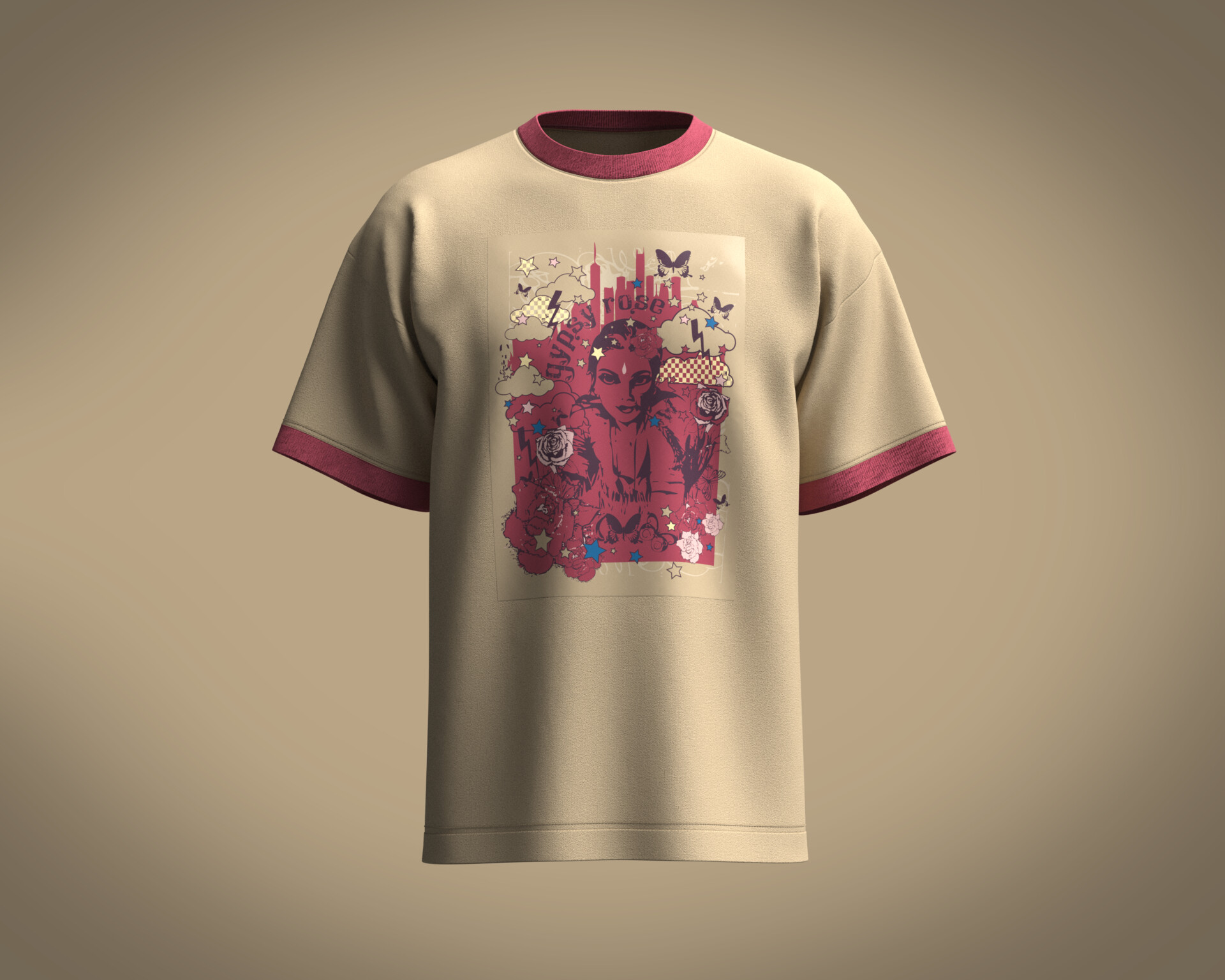
Tops in this category emphasize movement and breathability. Classic offerings include hand-dyed tie-dye t-shirts, peasant blouses with elasticized off-the-shoulder necklines, and lightweight rayon tunics decorated with wood-block prints. For cooler weather, knitted ponchos and Nepalese wool jackets—often lined with soft fleece and featuring dramatic pointed hoods—provide warmth without sacrificing aesthetic appeal.
Bottoms and Skirts
Comfort is the defining attribute of bohemian bottoms. Harem pants with wide elastic ankle cuffs, smocked-waist palazzo pants, and patchwork denim jeans are staple pieces. Skirts range from flowing multi-tiered maxi skirts to convertible wrap skirts that can double as halter dresses. Drawstrings, flexible elastic bands, and wrap ties ensure that these bottoms adjust easily to different body shapes.
Dresses and Jumpers
Dresses crafted in the Gypsy Rose style frequently feature loose maxi cuts, asymmetrical handkerchief hems, and apron-style overall jumpers. Rayon and lightweight raw cotton are the primary textiles used for dresses, allowing the fabric to drape naturally and move fluidly with the wearer. Patchwork dresses, which stitch together discarded remnants of colorful dyed fabrics, remain among the most recognizable items in this category.
Outerwear and Accessories
Bohemian outerwear relies heavily on textured woven fabrics. Bajra jackets, Guatemalan pattern hoodies, and heavy knit sweaters made from raw wool offer rugged durability and warmth. Complementary accessories include cotton sling bags (often called "hippie hobo bags"), embroidered bandanas, beaded jewelry, and wide brimmed sun hats crafted from natural hemp fiber.
Fabrics, Dyeing Techniques, and Craftsmanship
The durability, feel, and appearance of Gypsy Rose clothing depend heavily on traditional fabrication methods. Unlike synthetic garments produced in automated facilities, much of this apparel relies on natural fibers and manual dyeing processes.
Traditional Dyeing Process:
- Raw Fabric
- Wax Application / Binding
- Color Bath
- Boiling / Rinsing
- Final Garment
Primary Fabrics
- Cotton: Breathable, durable, and easy to dye, standard and organic cotton forms the base of most t-shirts, hoodies, and woven trousers.
- Rayon (Viscose): Derived from regenerated cellulose, rayon provides a silky, lightweight texture with an exceptional drape, making it the preferred fabric for summer dresses, skirts, and blouses.
- Hemp: Known for its exceptional tensile strength and low environmental impact, hemp is widely used in heavy-duty pants, jackets, hats, and utility bags.
- Nepalese Wool: Sourced for cold-weather gear, raw sheep wool from Nepal is hand-spun and knitted into heavy jackets, mittens, and fleece-lined caps.
Artisan Dyeing Techniques
Two main textile-dyeing methods define the vibrant visual identity of this clothing style:
- Fiber-Reactive Tie-Dye: Dyes bond chemically with raw fiber molecules rather than resting on top of the fabric. This results in brilliant spirals, sunbursts, and v-dyes that maintain color fastness over dozens of wash cycles when properly cared for.
- Traditional Batik: An ancient technique originating in Southeast Asia and West Africa. Artisans melt wax and apply it to fabric in intricate geometric or natural patterns using a stamp or copper pen (canting). The cloth is submerged in dye; the waxed areas resist color. Once dried, the fabric is boiled in water to melt away the wax, revealing intricate two-tone or multi-layered designs.
Sizing, Fit, and Material Specifications
Navigating bohemian sizing requires understanding relaxed cuts and adjustable garments. Many traditional handcrafted garments feature "One Size" (OS) or flexible sizing structures designed to accommodate a broad range of body types.
| Garment Type | Typical Fabrics | Fit Style | Stretch & Adjustability | Best Care Method |
|---|---|---|---|---|
| Batik Maxi Dress | 100% Rayon / Viscose | Relaxed, Flowing | Smocked bust / Tie-back | Hand wash cold, line dry |
| Tie-Dye T-Shirt | 100% Pre-shrunk Cotton | Regular Unisex | Standard knit stretch | Machine wash cold, low tumble |
| Harem Pants | Raw Cotton / Rayon | Loose, Baggy | Elastic waistband & ankles | Machine wash cold in mesh bag |
| Patchwork Hoodie | Woven Cotton / Fleece | Boxy, Heavyweight | Minimal stretch; zip/drawstring | Cold wash inside-out, dry flat |
| Nepalese Wool Jacket | 100% Wool / Polar Fleece | Structured, Thick | Stiff outer, flexible lining | Dry clean or hand wash wool |
| Convertible Wrap Skirt | Layered Rayon | Adjustable Wrap | Fits sizes US 2–14 via waist ties | Hand wash cold, line dry |
How to Style Gypsy Rose Clothing for Everyday Wear
Incorporating vibrant bohemian garments into a modern closet requires balancing bold patterns with neutral base pieces. While full festival attire embraces layered colors and prints, everyday wear benefits from strategic styling.
Anchoring Bold Prints
When wearing a high-impact piece like tie-dye harem pants or a multi-colored batik tunic, keep the rest of the outfit muted. Pair pattern-heavy bottoms with a solid black, white, or earth-toned fitted tank top. Conversely, wear a bright tie-dye shirt under an unbuttoned denim jacket or paired with classic indigo jeans.
Seasonal Layering
Bohemian fashion excels in transitional weather through textured layering:
- Spring/Summer: Layer a lightweight rayon wrap dress over a simple lace bralette. Complement the look with flat leather sandals and a woven hemp sling bag.
- Fall/Winter: Wear a fleece-lined patchwork jacket over a neutral turtleneck sweater paired with dark corduroy trousers and leather boots. Add a thick knit Nepalese beanie for extra warmth.
Accessories as Focal Points
If full garments feel too vibrant for your everyday work or social environment, introduce the aesthetic through accessories. A single batik scarf, a embroidered patchwork tote bag, or brass and turquoise jewelry can infuse subtle character into understated outfits without overwhelming the visual space.
Evaluating Quality vs. Fast-Fashion Imitations
As bohemian aesthetic styles gain mainstream popularity, low-cost synthetic knockoffs have saturated online marketplaces. Distinguishing authentic artisan construction from cheap imitations ensures you receive durable, ethically made apparel.
| Authentic Bohemian Apparel | Fast-Fashion Imitations |
|---|---|
| Natural fibers (Cotton, Hemp) | 100% Polyester / Acrylic |
| Real Batik (Wax resist lines) | Screen-printed batik copy |
| Fiber-reactive dyestuff | Superficial surface dye |
| Sturdy reinforced flatlock seams | Single-stitched loose threads |
Inspecting Fabric Composition
Check garment tags for natural content. Authentic pieces prioritize 100% cotton, rayon, hemp, or wool. Fast-fashion versions frequently rely on 100% polyester or acrylic blends, which retain heat, pill quickly, and lack the breathable drape required for true festival apparel.
Examining Dye Quality and Batik Realism
True batik exhibits subtle "cracking" lines where dye seeped into tiny fractures in the cooled wax. This gives real batik a unique signature on every piece. Synthetic imitations use digital inkjet or screen printing to mirror batik patterns onto one side of the fabric, leaving the underside pale or blank.
Seam Strength and Weight
Patchwork clothing requires strong internal stitching because dozens of fabric scraps join to form a single garment. Inspect the reverse side of patchwork garments: quality construction features overlocked or flatlock seams that prevent fraying during washing.
Care and Maintenance Guidelines
Handcrafted and hand-dyed garments require gentle care to maintain their structural integrity and vibrant colors over time.
- First Wash Bleed Prevention: Wash newly purchased tie-dye or batik items separately for their first two cycles. Adding a cup of white vinegar or a tablespoon of salt to the initial cold rinse cycle helps set plant-based and reactive dyes into cellulose fibers.
- Water Temperature: Always wash bohemian cotton and rayon in cold water. Hot water breaks down natural fibers and accelerates color fading.
- Drying Protocols: Air drying is critical for rayon, wool, and heavy cotton patchwork. Hang skirts and dresses on padded hangers, or lay wool sweaters flat on a dry towel. High dryer heat causes rayon to shrink significantly and degrades the elasticity of smocked waistbands.
- Storage: Store heavy wool jackets and knit ponchos folded on shelves rather than hung on wire hangers, as gravity will stretch the shoulder seams over time.
Frequently Asked Questions
How should I wash hand-dyed tie-dye and batik garments?
Wash hand-dyed garments separately in cold water during the first few launders to prevent color transfer. Use a mild, pH-neutral detergent without bleaching agents. For rayon and batik fabrics, hand washing or using a delicate machine cycle inside a mesh laundry bag yields the longest product lifespan.
What does "One Size Fits Most" mean in bohemian clothing?
In bohemian apparel, "One Size Fits Most" (OSFM) typically accommodates standard US sizes 4 through 14. These garments utilize smocked elastic panels, drawstring waists, wrap-around ties, or wide kimono-style cuts that adjust dynamically to fit different waist, bust, and hip dimensions comfortable without rigid tailoring.
Are Gypsy Rose clothing items ethically sourced?
Authentic Gypsy Rose and related traditional bohemian clothing producers typically partner directly with cottage industries, small family workshops, and artisan cooperatives in Nepal, India, Thailand, and Guatemala. These fair-trade relationships support traditional craftsmanship and provide sustainable living wages to local weavers and dyers.
Why do some batik garments have a faint waxy smell when new?
A subtle wax smell is a hallmark of authentic batik crafting. During production, warm paraffin or beeswax is applied to the fabric to block out dye. Although garments are boiled after dyeing to remove the wax, trace amounts of natural wax residue may remain, disappearing completely after one or two cold washes.
How can I repair pulled threads on woven patchwork garments?
Avoid cutting pulled threads on woven cotton or Nepalese wool garments, as cutting can create a hole. Instead, gently pull the fabric surrounding the thread horizontally and vertically to encourage the weave to settle back into place, or use a blunt needle to tuck the stray loop back to the interior side of the garment.
Practical Next Actions
Building a durable, comfortable bohemian wardrobe starts with selecting versatile core garments:
- Begin with Foundation Staples: Acquire two or three high-quality, solid-colored natural fiber basics (such as black cotton harem pants or a cream raw-cotton top) to balance bolder patterned items.
- Invest in Key Outerwear: Select a heavy Nepalese fleece-lined hoodie or a versatile woven bajra jacket that can serve as a functional statement piece during cooler months.
- Verify Care Requirements Before Buying: Review fiber content tags before purchasing to ensure you are equipped to hand-wash or line-dry delicate rayon, wool, or batik items.
Image Gallery