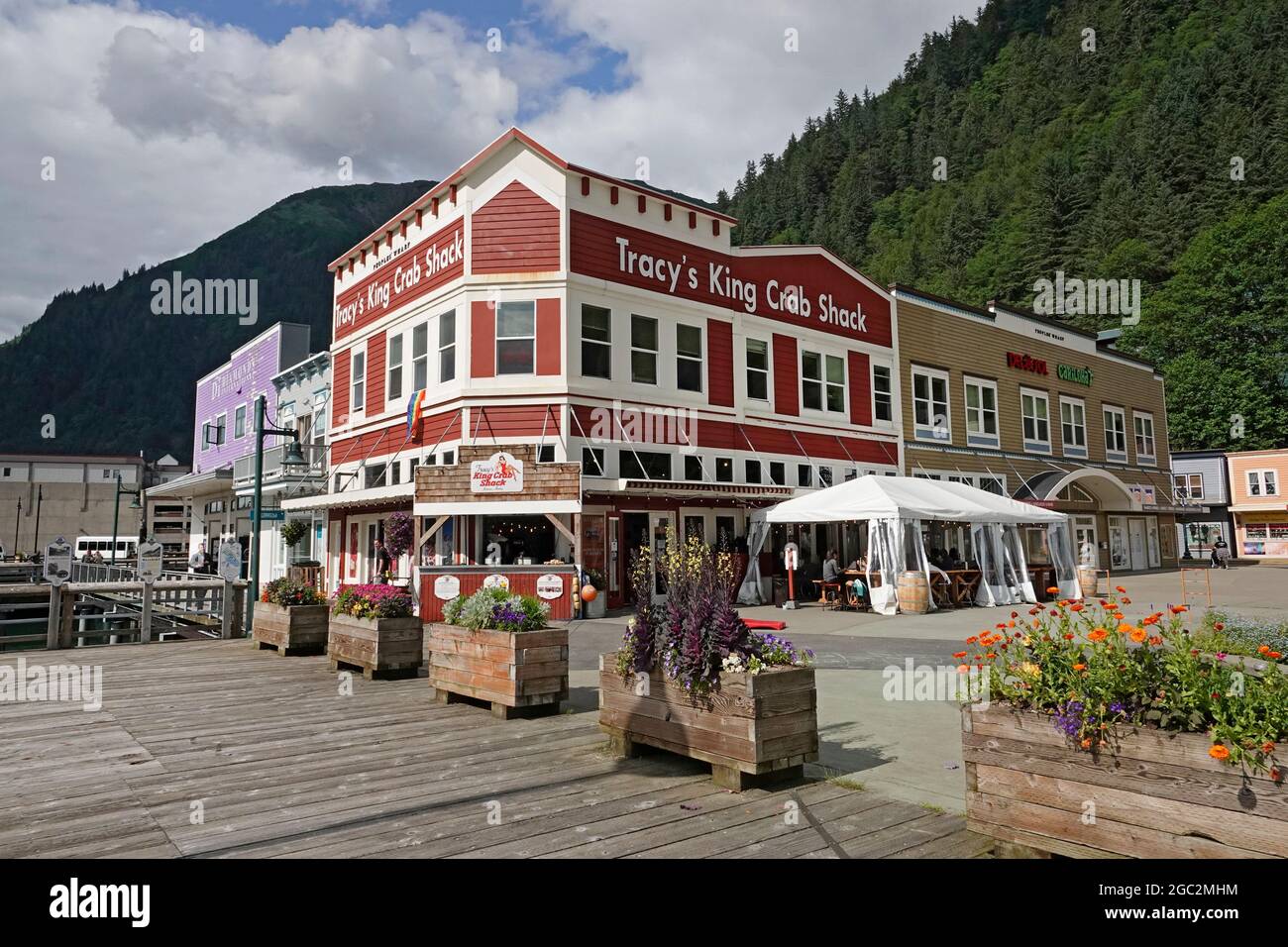
Average Temp in Juneau Alaska in July: A Comprehensive Weather Snapshot
In July, Juneau, Alaska, experiences its warmest weather of the year, with average high temperatures reaching 64°F (18°C) and average lows settling around 51°F (11°C). While these temperatures are mild, the city’s maritime rainforest c...
In July, Juneau, Alaska, experiences its warmest weather of the year, with average high temperatures reaching 64°F (18°C) and average lows settling around 51°F (11°C). While these temperatures are mild, the city’s maritime rainforest climate ensures frequent cloud cover and an average monthly rainfall of approximately 4.6 inches.
Contents
July is widely considered the "sweet spot" for visiting Alaska’s capital. As the height of the summer season in 2026, it offers the most reliable warmth and the greatest accessibility to the region’s vast wilderness. However, understanding the nuances of Juneau's weather requires looking beyond a single number. The interaction between the Pacific Ocean, the massive Juneau Icefield, and the steep mountain topography creates a unique microclimate that can change within minutes.
The Statistical Reality of July Temperatures
When planning a trip or analyzing the climate of Southeast Alaska, historical averages provide a baseline, but they do not tell the whole story. In Juneau, the "average" temperature is the result of a maritime influence that prevents extreme heat while keeping the nights relatively temperate.
Daytime Highs and Nighttime Lows
The average daytime high of 64°F (18°C) is a mean figure. On clear, sunny days—which are less common than overcast ones—the mercury can easily climb into the low 70s. Conversely, during periods of heavy rain and wind from the Gastineau Channel, the daytime temperature might struggle to break 58°F.
Nighttime temperatures are remarkably consistent. Falling to an average of 51°F (11°C), the air remains cool but rarely reaches freezing levels during the mid-summer months. This narrow temperature range (a diurnal swing of only about 13 degrees) is characteristic of coastal Alaska, where the surrounding waters of the Inside Passage act as a thermal regulator.
Record Extremes and 2026 Trends
While 64°F is the norm, Juneau has seen historical highs reaching into the mid-80s and even hitting 90°F on rare occasions. As of 2026, climate monitoring continues to show a gradual trend toward slightly warmer summers, though the cooling effect of the nearby glaciers remains a dominant force. Travelers should not expect "hot" weather in the traditional sense; a 75-degree day in Juneau feels significantly warmer than the same temperature in a drier climate due to high humidity and intense solar radiation during the long daylight hours.
Precipitation and Cloud Cover: The July "Dry" Season
It may seem contradictory to call a month with over four inches of rain "dry," but in the context of a temperate rainforest, July is one of the least rainy months in Juneau.
Rainfall Frequency
In July, visitors can expect some form of precipitation on roughly 17 to 18 days of the month. This usually manifests as a light, misty drizzle—often called "liquid sunshine" by locals—rather than heavy thunderstorms. The lack of lightning and thunder is a notable feature of Juneau’s weather; the atmospheric conditions required for traditional thunderstorms are rare in Southeast Alaska.
Cloud Cover and Visibility
Cloud cover is the default state for Juneau in July. Full-sun days are a prized rarity. According to data from the National Weather Service, Juneau experiences overcast or mostly cloudy conditions about 60-70% of the time in mid-summer. This persistent cloud deck is a critical factor for flightseeing tours and helicopter excursions to the Mendenhall Glacier, as low ceilings can frequently lead to cancellations or modified flight paths.
The Impact of Microclimates in Juneau
One of the most important aspects of the "clear snapshot" of Juneau’s July weather is the geographical variation within the city itself. Juneau is not a monolithic weather zone.
- Downtown Juneau: Nestled between the steep slopes of Mount Juneau and Mount Roberts, the downtown area can be windier and slightly cooler due to the "Williwaws" (sudden, strong gusts of wind) coming off the peaks.
- The Mendenhall Valley: Located about 12 miles northwest of downtown, the Valley often experiences slightly higher temperatures and less wind than the waterfront. However, the immediate vicinity of the Mendenhall Glacier is a "refrigerator zone." The massive body of ice creates its own localized high-pressure system, and air temperatures near the glacier face can be 5 to 10 degrees cooler than in the surrounding residential areas.
- Auke Bay: This coastal area tends to be more susceptible to marine fog, which can linger well into the afternoon even when the rest of the city is clear.
Comparing July to the Shoulder Months
To understand why July is the preferred month for many, it is helpful to compare its data against June and August.
| Weather Metric | June | July | August |
|---|---|---|---|
| Average High Temp | 61°F (16°C) | 64°F (18°C) | 63°F (17°C) |
| Average Low Temp | 48°F (9°C) | 51°F (11°C) | 50°F (10°C) |
| Avg. Precipitation | 3.3 inches | 4.6 inches | 5.7 inches |
| Daylight Hours | 18h 15m | 17h 20m | 15h 30m |
| Whale Activity | High | Peak | High |
While June is statistically the driest month, July offers warmer water temperatures and peak wildlife activity, making it a favorite for researchers and tourists alike. August marks the beginning of the heavy rain season, often seeing a significant jump in precipitation levels.
Daylight: The 17-Hour Day
The "warmth" of July is amplified by the sheer volume of daylight. In early July, Juneau enjoys over 17 hours of daylight, with civil twilight lasting even longer. The sun rises around 4:00 AM and sets near 10:00 PM.
This extended daylight has a psychological effect, making the 64-degree average feel more substantial. It also provides an enormous window for outdoor activities. However, the long days can make it difficult for some visitors to sleep, and the lack of true darkness means the air doesn't have much time to cool down significantly at night, contributing to those steady 50-degree lows.
Professional Packing Guidance for 64-Degree Weather
Because the average temp in Juneau Alaska in July is 64°F, many visitors under-pack, expecting standard "summer" weather. In Alaska, 64 degrees and raining feels vastly different than 64 degrees and sunny.
The Three-Layer Rule
Experienced Alaskan guides and the Alaska Department of Fish and Game recommend a three-layer system even in July:
- Base Layer: Moisture-wicking synthetic or merino wool. Avoid cotton, as it retains moisture and will make you feel colder if you get wet.
- Insulating Layer: A light fleece or "puffy" down jacket. This is essential for whale watching on the water or visiting the glacier, where the wind chill can be significant.
- Outer Shell: A high-quality, waterproof (not just water-resistant) jacket with a hood.
Footwear Considerations
In July, Juneau’s trails can be muddy. Waterproof hiking boots or sturdy walking shoes with good traction are required. If you are participating in a boat-based tour, non-slip soles are essential for safety on wet decks.
How Weather Affects July Activities
The July climate directly dictates the feasibility of the most popular local activities.
Whale Watching and Marine Tours
The waters of Auke Bay and Stepahns Passage are relatively calm in July, but the air over the water is always colder than the land. When the boat is in motion, the wind chill can make the 64-degree air feel like 50 degrees. July is the peak of the humpback whale feeding season, and the temperate weather makes for excellent viewing conditions.
Glacier Trekking and Helicopter Tours
As mentioned, helicopter tours are highly dependent on the cloud ceiling. July offers some of the most stable flight windows, but morning fog is a frequent cause of delays. On the ice, temperatures are consistently in the 40s or low 50s, regardless of the temperature in town.
Hiking the Mount Roberts Trail
July is the best time for hiking, as most of the snowpack on the lower and mid-elevation trails has finally melted. The wild salmonberries and blueberries begin to ripen in late July, though hikers must remain "bear aware," as the mild temperatures and ripening fruit bring black bears out in higher numbers.
FAQ: Common Questions About Juneau’s July Climate
Is July too rainy for a cruise to Juneau?
While it rains about 50% of the time, the rain in July is typically a light mist rather than a downpour. Most cruise excursions proceed regardless of the weather. It is rarely "too rainy" to enjoy the city, provided you have the correct waterproof gear.
Can I see the Northern Lights in Juneau in July?
No. While solar activity occurs year-round, the sky in Juneau does not get dark enough in July to see the Aurora Borealis. The sun sits just below the horizon, creating a state of perpetual twilight during the "night" hours.
What is the humidity like in July?
Humidity is high, often ranging between 70% and 90%. This is typical for a maritime rainforest. The high humidity means that sweat does not evaporate quickly, which is why moisture-wicking clothing is more important than the actual temperature might suggest.
Is the water warm enough for swimming?
The ocean temperature in the Inside Passage stays between 45°F and 52°F in July. This is dangerously cold for most people without a drysuit or wetsuit. Some locals may take a "polar plunge," but traditional swimming is not common.
Do I need bug spray in July?
Yes. The mild July temperatures and high moisture create ideal conditions for mosquitoes and "no-see-ums," especially near wooded trails and standing water.
Practical Recommendation for July Travelers
If you are planning a visit to Juneau in July 2026, the best approach is to prepare for variability rather than average. While the data suggests a comfortable 64°F, your daily experience will likely fluctuate between chilly glacier winds and humid, overcast afternoon warmth.
Book your "must-do" outdoor activities, such as helicopter tours or floatplane trips, for the earliest possible time in your itinerary. This allows for rescheduling if the typical July cloud cover becomes too low for safe flight. Finally, do not let the rain deter you; Juneau is most beautiful when the mist hangs low over the mountains, and the rainforest is at its most vibrant green during this peak summer month.
Image Gallery