How Old Is Tom Oar? Age, Biography, and Life of the Mountain Man
Tom Oar was born on January 8, 1943, making him 83 years old. Best known for his starring role on the History Channel reality television series Mountain Men, Oar spent decades living an off-grid lifestyle in Montana's remote Yaak River...
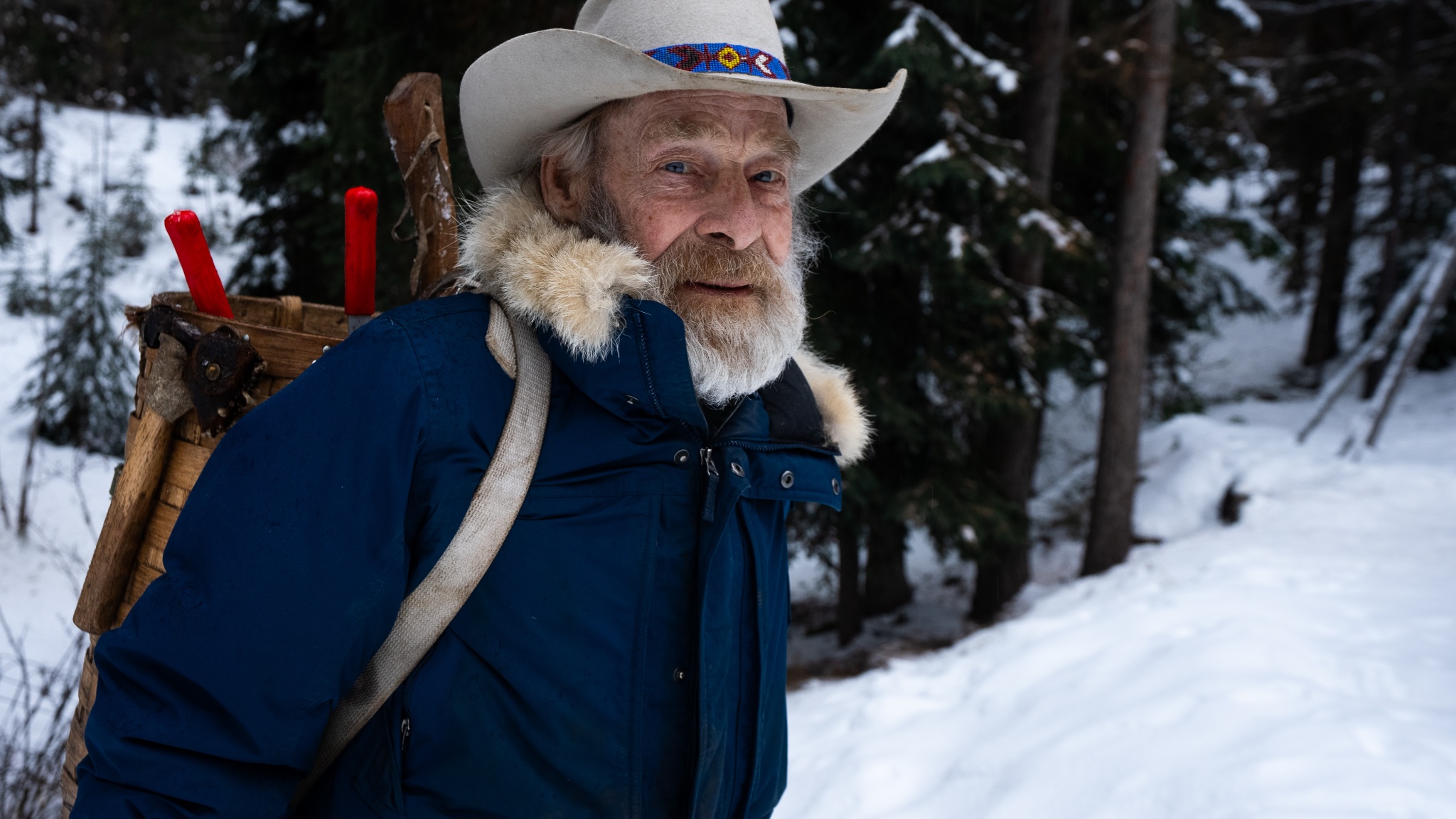
Tom Oar was born on January 8, 1943, making him 83 years old. Best known for his starring role on the History Channel reality television series Mountain Men, Oar spent decades living an off-grid lifestyle in Montana's remote Yaak River Valley, practicing traditional brain-tanning hide methods, trapping, and crafting primitive outdoorsman gear.
Contents
Tom Oar's Age, Birth Date, and Early Life
Born in Illinois in January 1943, Tom Oar grew up fascinated by the American frontier and traditional Western culture. His father, Chappie Oar, worked in wild west shows and performed trick riding, exposing young Tom to horses, ropes, and outdoor survival skills at an early age. This early influence instilled in him a deep appreciation for self-reliance and the rugged lifestyle of early American pioneers.
Growing up in the mid-20th century, Oar was drawn to activities that demanded physical resilience and practical skill. Unlike many of his peers who pursued conventional post-war suburban careers, Oar focused on working with his hands and spending as much time outdoors as possible. By his teenage years, he had already developed a strong interest in rodeo sports, setting the stage for his first long-term career as a professional bronc rider.
Throughout his twenties and thirties, Oar refined the physical toughness that would later define his decades in the Montana wilderness. The discipline learned during his formative years in Illinois and on the rodeo circuit provided the mental stamina necessary to endure harsh winter climates, heavy manual labor, and isolation later in life.
Career Timeline: From Rodeo Cowboy to Wilderness Craftsman
Before becoming a television icon, Tom Oar spent more than two decades competing on the professional rodeo circuit as a saddle bronc rider. Rodeo riding in the 1960s and 1970s was physically grueling, offering modest financial reward while taking a heavy toll on the body. Oar suffered numerous injuries throughout his competitive years, including broken bones and severe joint strain.
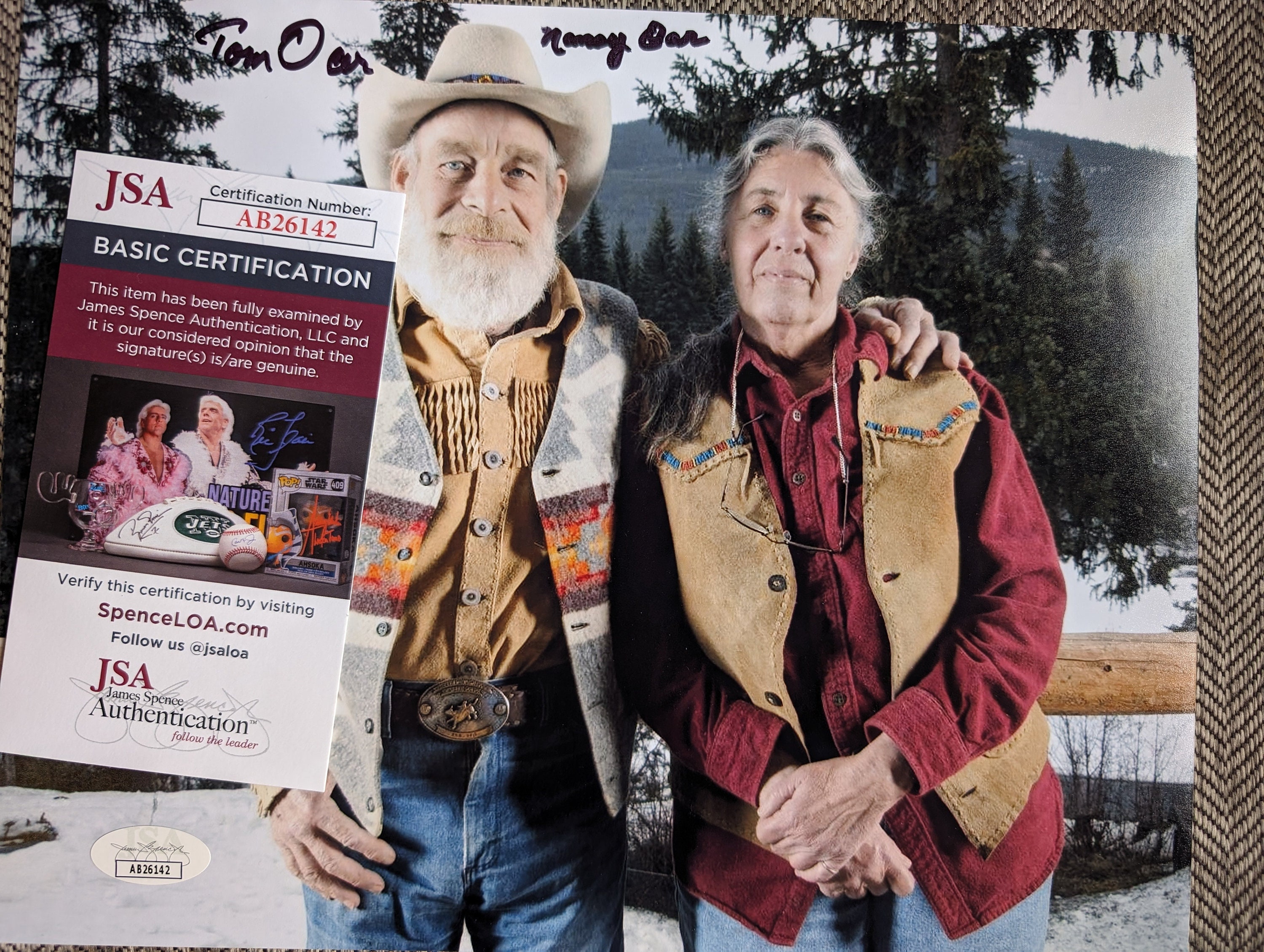
By his late thirties, the cumulative physical injuries from rodeo riding prompted Oar to seek a less punishing yet equally independent lifestyle. In the late 1970s, Tom and his wife, Nancy Oar, purchased a small plot of remote land in the Yaak River Valley of northwestern Montana, near the Canadian border.
[Rodeo Career (1960s–1970s)] ➔ [Move to Yaak, MT (Late 1970s)] ➔ [*Mountain Men* Debut (2012)] ➔ [Retirement & Wintering (2020s–Present)]
Upon settling in Montana, Oar turned his attention to mastering historical wilderness survival skills, focusing heavily on traditional crafts from the 18th and 19th-century fur trade era:
- Brain Tanning: Processing deer, elk, and moose hides using natural animal brain lipids to produce exceptionally soft, durable leather.
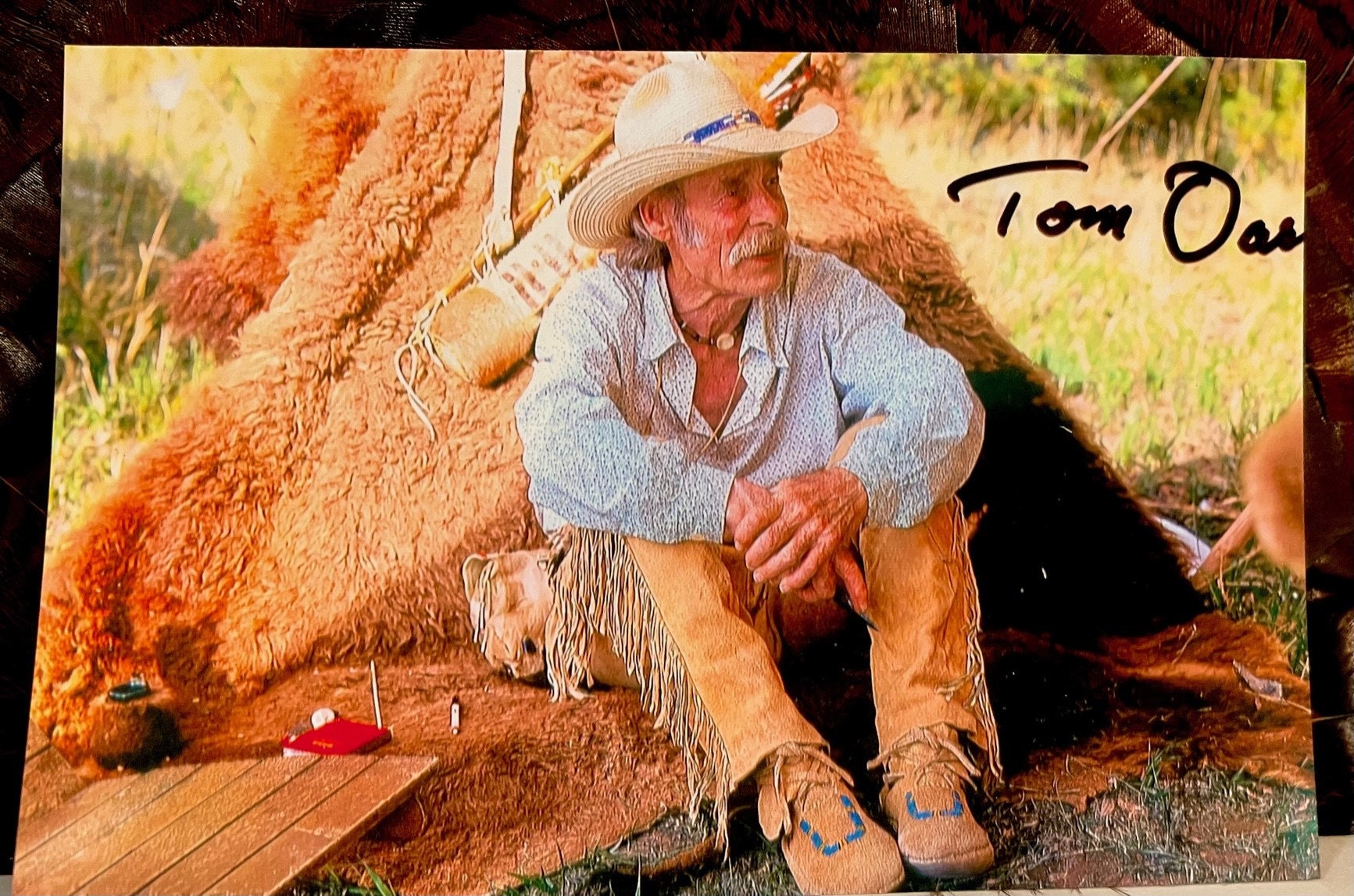
- Moccasin Making: Hand-stitching custom buckskin footwear designed to withstand rugged mountain terrain.
- Flint Knapping: Shaping chert and obsidian into functional arrowheads, scrapers, and cutting tools.
- Traditional Trapping: Managing local furbearer populations during winter months using historic trap lines to secure pelts for trade and personal clothing.
For over thirty years, Tom and Nancy lived largely off-grid in their self-built log cabin, relying on wood fires for heating, harvesting wild game, and generating modest income through the sale of handmade buckskin clothing, knives, and crafts.
The Mountain Men Legacy on the History Channel
In 2012, the History Channel premiered Mountain Men, a documentary series highlighting individuals who maintain primitive lifestyles in isolated regions of North America. Tom Oar was featured as one of the original cast members in Season 1, quickly establishing himself as the heart of the series.
Audiences resonated with Oar's calm demeanor, practical wisdom, and authentic rejection of modern consumer culture. Unlike exaggerated reality television personas, Oar presented a genuine master-craftsman perspective. His segments focused on everyday survival challenges, such as:
- Winter Preparation: Gathering cords of firewood before heavy snowfall cut off road access.
- Predator Awareness: Protecting livestock and property from grizzly bears, wolves, and mountain lions in the Kootenai National Forest region.
- Crafting Under Pressure: Completing time-consuming buckskin orders to buy essential supplies like flour, sugar, and fuel before deep winter set in.
Oar appeared regularly across the show's early and middle seasons, demonstrating how historic survival methods remain viable when paired with relentless work ethic and deep respect for nature.
Summary of Key Facts: Tom Oar
| Parameter / Fact | Details |
|---|---|
| Full Name | Tom Oar |
| Date of Birth | January 8, 1943 |
| Current Age | 83 years old |
| Place of Birth | Illinois, United States |
| Primary Occupation | Retired Rodeo Rider, Craftsman, Reality TV Star |
| Famous For | History Channel's Mountain Men (Original Cast) |
| Primary Residence | Yaak River Valley, Montana (with seasonal residence in Florida) |
| Spouse | Nancy Oar |
| Signature Skills | Brain-tanning buckskin, moccasin crafting, trapping, flint knapping |
Traditional Skills and Buckskin Tanning Techniques
One of Tom Oar's most notable contributions to wilderness heritage preservation is his advocacy for traditional brain tanning. Unlike chemical chrome tanning used in modern commercial leather manufacturing, brain tanning relies on an organic emulsion derived from animal brain tissue.
[Skinning & Scraping] ➔ [Soaking & Brain Solution Application] ➔ [Wringing & Stretching] ➔ [Smoking the Hide]
The Brain-Tanning Process Explained
- Fleshing and Scraping: The raw hide is scraped clean of all meat, fat, and the outer epidermal layer using specialized hand scrapers.
- Brain Solution Application: An animal's brain contains natural emulsified oils. This mixture is cooked down with water and worked thoroughly into the scraped hide fibers.
- Stretching and Softening: As the moisture evaporates, the hide must be continuously pulled, stretched, and worked over a cable or stake until completely dry to prevent the collagen fibers from hardening.
- Smoking: The softened hide is exposed to cool wood smoke (often using decayed punk wood). The smoke compounds bind to the leather fibers, rendering the buckskin water-resistant and giving it a rich brown color.
This labor-intensive technique yields soft, breathable, water-resistant buckskin that can last for decades. Oar's buckskin jackets, shirts, and moccasins became highly sought-after collectibles among historical reenactors and outdoor enthusiasts across the United States.
Where Is Tom Oar Today? Current Status and Retirement
As Tom Oar approached his late seventies and early eighties, the heavy physical demands of harsh Montana winters—such as splitting tons of firewood, hauling heavy game, and clearing deep snow—became increasingly difficult to manage.
Recognizing the physical limitations of aging, Tom and Nancy Oar made the decision to step back from full-time off-grid winter living. While they retain their property in Montana's Yaak Valley, they began spending the coldest winter months in Florida to enjoy a warmer, less physically taxing environment.
Despite stepping back from intense daily trapping lines and grueling winter chores, Oar remains an iconic figure in American outdoor culture. His transition into a more restful retirement reflects a realistic approach to aging while preserving his lifelong commitment to independence and traditional skills.
Frequently Asked Questions
Is Tom Oar still alive?
Yes, Tom Oar is alive. Born on January 8, 1943, he turned 83 years old in 2026 and spends his time between Montana and Florida during the winter months.
Who is Tom Oar's wife?
Tom Oar has been married to his wife, Nancy Oar, for several decades. Nancy was frequently featured alongside Tom on Mountain Men, actively assisting in hide preparation, gardening, cabin maintenance, and managing their wilderness home.
Why did Tom Oar leave Montana during the winter?
Tom Oar chose to winter in Florida due to the severe physical demands of surviving Montana winters in his late seventies and eighties. Tasks such as cutting firewood, clearing heavy snow, and managing remote property became hazardous, prompting a seasonal move to a milder climate.
What did Tom Oar do before starring on Mountain Men?
Before his television appearance, Tom Oar was a professional rodeo saddle bronc rider in his youth. After retiring from rodeo, he moved to Montana in the late 1970s and worked full-time as a traditional buckskin craftsman, trapper, and outdoor guide.
How does brain tanning differ from commercial leather tanning?
Brain tanning is an organic, labor-intensive method using natural animal lipids to preserve hides, producing soft, washable buckskin. Commercial tanning typically uses synthetic chemicals like chromium salts, which are faster but produce a stiffer leather with a very different chemical structure.
Practical Recommendations for Fans and Outdoor Enthusiasts
If you are inspired by Tom Oar's legacy and want to explore traditional outdoor skills or learn more about primitive bushcraft, consider these practical steps:
- Study Traditional Crafts: Explore resources on historical skills through organizations like the Handweavers Guild of America or accredited bushcraft schools that offer courses on hide tanning, leatherwork, and primitive toolmaking.
- Support Native and Historic Preservation: Seek out local museum exhibits and historical societies focused on early North American frontier life and indigenous craft traditions.
- Learn Responsible Trapping and Wildlife Management: Review state wildlife agency policies, such as the Montana Department of Fish, Wildlife & Parks, to understand regulated furbearer conservation and ethical hunting practices.
- Watch Official Broadcasts: Catch classic episodes of Mountain Men directly through official distribution platforms like the History Channel to view authentic demonstrations of wilderness living.
Image Gallery