Jim Jones Stories: The Complex History and Legacy of the Peoples Temple
Jim Jones stories encompass the evolution of the Peoples Temple from a progressive, racially integrated ministry in mid-century America to the site of a historic tragedy in Guyana. These narratives detail the life of James Warren Jones...
Jim Jones stories encompass the evolution of the Peoples Temple from a progressive, racially integrated ministry in mid-century America to the site of a historic tragedy in Guyana. These narratives detail the life of James Warren Jones, his charismatic influence over thousands, and the 1978 Jonestown massacre that resulted in the deaths of 918 people.
Contents
The accounts surrounding Jim Jones are not merely tales of a "cult leader" but are deeply intertwined with the American civil rights movement, 1970s radical politics, and the psychological mechanisms of totalistic control. To understand these stories, one must look past the singular event of November 18, 1978, and examine the decades of social activism and communal living that preceded it. As of 2026, historical scholarship continues to re-evaluate the Peoples Temple, shifting the focus from the sensationalism of the "Kool-Aid" myth to the lived experiences of the diverse individuals who sought a better world under Jones’s leadership.
The Origins of a Charismatic Visionary
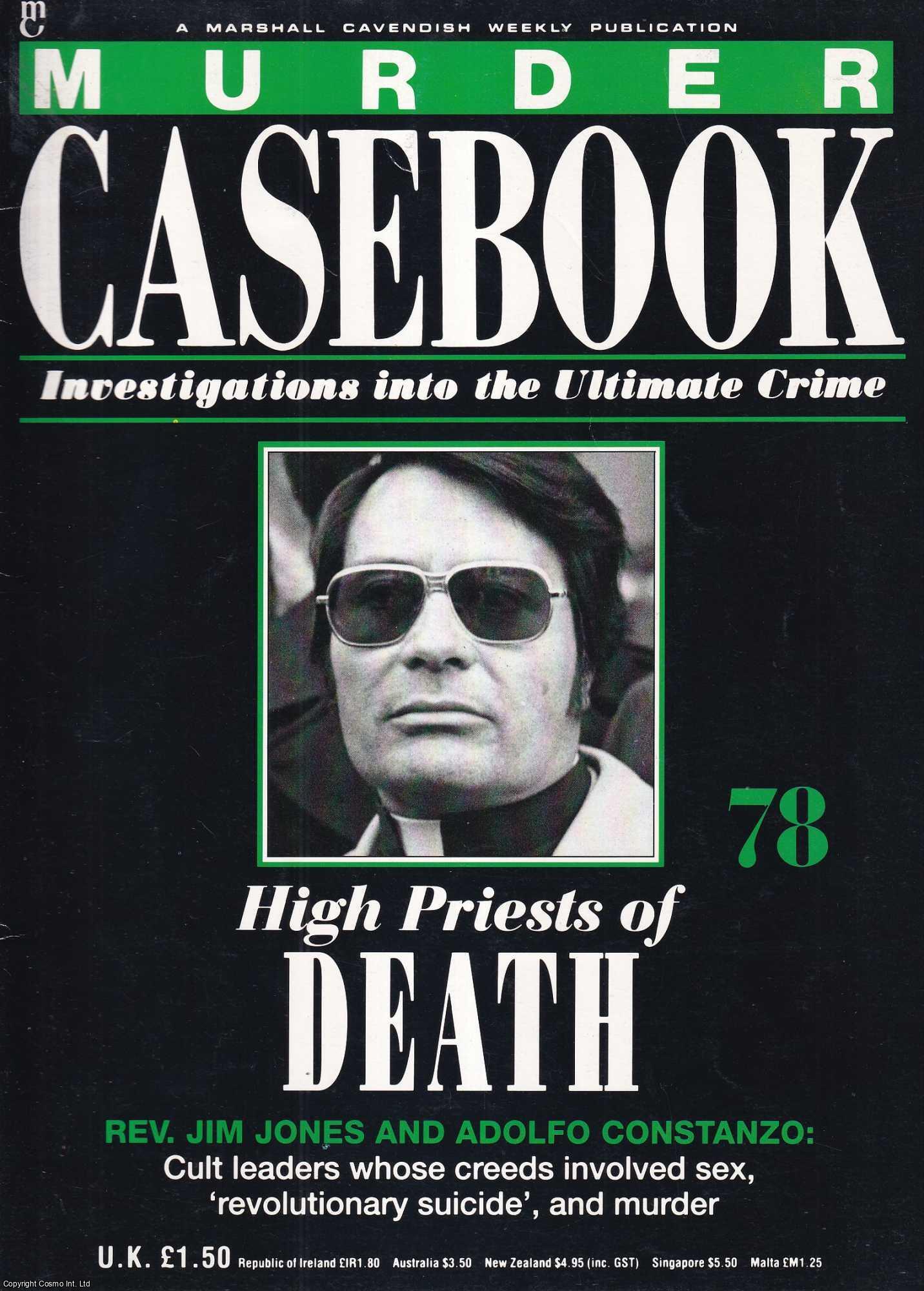
The story of Jim Jones begins in Crete, Indiana, during the Great Depression. Born in 1931, Jones was a self-taught student of religion and social theory. From a young age, observers noted his obsession with both the pulpit and the power of oratory. Unlike many of his contemporaries in the 1950s, Jones was a staunch advocate for racial integration. He founded the Peoples Temple in Indianapolis as a purposefully desegregated church, a move that was both radical and dangerous in the socio-political climate of the time.
Jones’s early stories are filled with genuine acts of social service. He was appointed as the director of the Indianapolis Human Rights Commission in 1961. His congregation operated soup kitchens and provided social services that the local government often neglected. This phase of his life is critical to understanding why so many people—particularly African Americans and those marginalized by society—trusted him. They didn't see a monster; they saw a leader who was willing to walk through hostile neighborhoods to protect his black congregants and who practiced the "apostolic socialism" he preached.
The Migration to California and Political Ascent
In the mid-1960s, citing fears of a nuclear holocaust and a desire for a more secluded environment, Jones moved his followers to Redwood Valley, California. This transition marked a shift in the Peoples Temple’s operations. The church began to expand rapidly, establishing a significant presence in San Francisco and Los Angeles.
By the early 1970s, Jim Jones had become a formidable political power broker in San Francisco. The "stories" from this era involve his interactions with prominent political figures, including George Moscone and Harvey Milk. The Peoples Temple was known for its ability to mobilize hundreds of disciplined volunteers for political rallies and voting drives. This political capital provided Jones with a layer of protection against the growing rumors of abuse and financial exploitation within the church.
During this period, the internal culture of the Temple began to darken. Accounts from former members (often referred to as "apostates") describe a hierarchy of control that included:
- Public Catharsis Sessions: Members were forced to confess "sins" or perceived disloyalties in front of the congregation.
- Financial Control: Members were encouraged to sign over their homes and Social Security checks to the church.
- Sleep Deprivation: Jones would hold meetings that lasted through the night, wearing down the mental resistance of his followers.
The Guyana "Utopia": A Dream Declines
In 1974, the Peoples Temple began leasing land in Guyana, a small English-speaking country on the northern coast of South America. Jones framed this as the creation of a "socialist paradise" free from the racism and perceived fascism of the United States. Following a 1977 exposé in New West magazine that detailed allegations of physical and psychological abuse, Jones and hundreds of followers fled to the settlement, officially named the Peoples Temple Agricultural Project, but known universally as Jonestown.
The stories from Jonestown are a mix of agricultural struggle and mounting paranoia. Survivors describe the initial months as a time of intense labor. The soil was poor, and the tropical climate was harsh. Despite these challenges, many members felt a sense of purpose. They were building a community from scratch, away from the systemic inequalities of America.
However, Jones’s health—both physical and mental—deteriorated in the jungle. He became increasingly addicted to pharmaceuticals and obsessed with "conspiracies" involving the CIA and the "Concerned Relatives" group back in the U.S. He began conducting "White Nights," which were rehearsals for a mass "revolutionary suicide." During these events, members were told they were under attack and were sometimes given liquids they were told were poison, only to be informed later it was a test of loyalty.
The Leo Ryan Visit and the Final Act
The catalyst for the end of Jonestown was the arrival of U.S. Congressman Leo Ryan in November 1978. Ryan had been pressured by the Concerned Relatives to investigate reports that people were being held in Guyana against their will.
The stories of Ryan's visit are chilling. Initially, the settlement appeared peaceful, even festive, with a musical performance for the visiting delegation. However, several members secretly passed notes to Ryan’s team, pleading for help to escape. When Ryan attempted to leave with a group of defectors on November 18, 1978, Jones’s armed guards (known as the "Red Brigade") opened fire at the Port Kaituma airstrip. Congressman Ryan, three journalists, and one defector were killed.
Back at the pavilion in Jonestown, Jones realized that the murder of a U.S. Congressman would bring the full weight of the American military down upon them. He gathered the community and initiated the final "White Night." While some went willingly, many others were coerced or forced. The "death tape," a 45-minute audio recording of the final moments, captures the heartbreaking reality of mothers being told to administer poison to their children first.
Analyzing the Impact and Survivor Narratives
The aftermath of Jonestown left 918 people dead, including nearly 300 children. For decades, the media focused almost exclusively on the "Kool-Aid" aspect, creating a cultural shorthand for blind obedience. However, current perspectives in 2026 emphasize the diversity of the victims and the complexity of their motivations.
Survival Stories
Not everyone in Jonestown died that day. There are several categories of survivors:
- The Airstrip Survivors: Those who survived the shooting at Port Kaituma.
- The Escapees: Individuals like Hyacinth Thrash, an elderly woman who hid under her bed and slept through the entire event, or those who fled into the jungle.
- The Georgetown Group: Members who were stationed at the Temple’s headquarters in the capital city of Guyana.
- The San Francisco Remnant: Members who had remained in California to manage the church’s domestic affairs.
Comparing the Phases of the Peoples Temple
| Phase | Primary Location | Key Focus | Leadership Style |
|---|---|---|---|
| Indianapolis (1950s) | Indiana | Racial integration, social gospel | Charismatic, activist |
| Redwood Valley (1960s) | California | Communal living, protectionism | Increasingly controlling |
| San Francisco (1970s) | California | Political power, social services | Authoritarian, paranoid |
| Jonestown (1977-1978) | Guyana | "Socialist Utopia," isolation | Totalitarian, delusional |
Frequently Asked Questions
Did they really drink Kool-Aid?
Technically, the evidence suggests they mostly used Flavor Aid, a cheaper competitor to Kool-Aid. The term "drinking the Kool-Aid" became a widespread American idiom for following a dangerous idea without question. However, many historians and survivors find the term offensive as it minimizes the fact that many victims were murdered—forced to drink the poison at gunpoint or injected with it.
Who was the most famous survivor of Jonestown?
Several survivors became prominent voices in documenting the tragedy. Stephan Jones, Jim Jones’s biological son, was in Georgetown playing a basketball tournament at the time and has since spent his life trying to humanize the victims. Deborah Layton, who escaped months before the massacre and tried to warn the U.S. government, wrote the influential memoir Seductive Poison.
What was the "Death Tape"?
The "Death Tape" (formally known as FBI record Q 042) is an audio recording of the final meeting in the Jonestown pavilion. It is a harrowing document that records Jim Jones arguing with a dissenter, Christine Miller, who tried to advocate for life. The tape provides empirical evidence of the psychological state of the community and the sequence of the mass casualty event.
Why didn't the Guyanese government intervene?
The Guyanese government at the time, led by Forbes Burnham, had a complicated relationship with Jones. The Peoples Temple was seen as a productive agricultural project that brought people and resources to a disputed border region with Venezuela. Additionally, Jones’s socialist rhetoric aligned with the ruling party's ideology, which granted the group significant autonomy and shielded them from outside scrutiny.
What happened to the Peoples Temple assets?
After the tragedy, the church was dissolved, and its assets—which were considerable, totaling millions of dollars—were involved in lengthy legal battles. Most of the funds were eventually used to pay for the transport of the bodies back to the U.S., funeral costs, and settlements for the survivors and the families of the victims.
The Enduring Significance of Jim Jones Stories
The stories of Jim Jones and the Peoples Temple serve as a profound cautionary tale about the dangers of unchecked authority and the vulnerability of people searching for community. By studying these events in 2026, we see that the members were not "crazy"; they were often idealistic individuals who were slowly led into a trap of psychological dependency.
To truly honor the victims, researchers suggest focusing on the archives maintained by the Jonestown Institute at San Diego State University. These archives contain thousands of primary documents, photographs, and audio recordings that provide a more nuanced view of the lives lost. Understanding the "why" behind Jonestown requires looking at the social failures of the 1970s that made such a radical alternative seem viable to so many.
For those looking to understand the mechanics of high-control groups or the history of American social movements, the primary recommendation is to read survivor accounts and original church publications. These sources reveal the slow, incremental steps that transform a movement for social justice into a tragedy of historic proportions.
Image Gallery