Flash StarCraft Net Worth: Career Earnings, Salary, and Financial Legacy
Lee "Flash" Young-ho is widely regarded as the greatest StarCraft: Brood War player of all time. As of 2026, Flash's estimated net worth ranges between $2 million and $5 million USD. His wealth was built through a combination of peak S...
Lee "Flash" Young-ho is widely regarded as the greatest StarCraft: Brood War player of all time. As of 2026, Flash's estimated net worth ranges between $2 million and $5 million USD. His wealth was built through a combination of peak South Korean esports salaries, tournament prize money, high-volume livestreaming on AfreecaTV, and real estate investments.
Contents
Overview of Lee "Flash" Young-ho's Wealth
Known universally as "God" or "The Ultimate Weapon" within the competitive gaming community, Lee Young-ho dominated professional StarCraft: Brood War as a Terran player starting in 2007. Over a career spanning nearly two decades across the Korean e-Sports Association (KeSPA) era and the subsequent streaming era, Flash transitioned from a salaried professional player into one of the highest-earning content creators on South Korea’s AfreecaTV platform.
While exact private financial records remain undisclosed, public tournament earnings, reported KeSPA contract figures, livestreaming analytics, and documented real estate acquisitions provide a clear window into his financial standing.
Unlike many modern esports athletes who rely primarily on global tournament prize pools, Flash built his net worth through the structural peak of South Korean corporate esports sponsorship, followed by the lucrative domestic streaming economy.
Breakdowns of Flash's Primary Revenue Streams
Flash’s wealth can be broken down into four distinct financial pillars: competitive tournament earnings, corporate team contracts, livestreaming monetization, and long-term asset management.
- KeSPA Salaries (KT Rolster peak contracts & bonuses)
- Competitive Prize Pools (OSL, MSL, ASL, WCG)
- AfreecaTV Monetization (Star Balloons, YouTube, Sponsorships)
- South Korean Real Estate & Personal Investments
1. KeSPA Team Contracts and Salaries (KT Rolster)
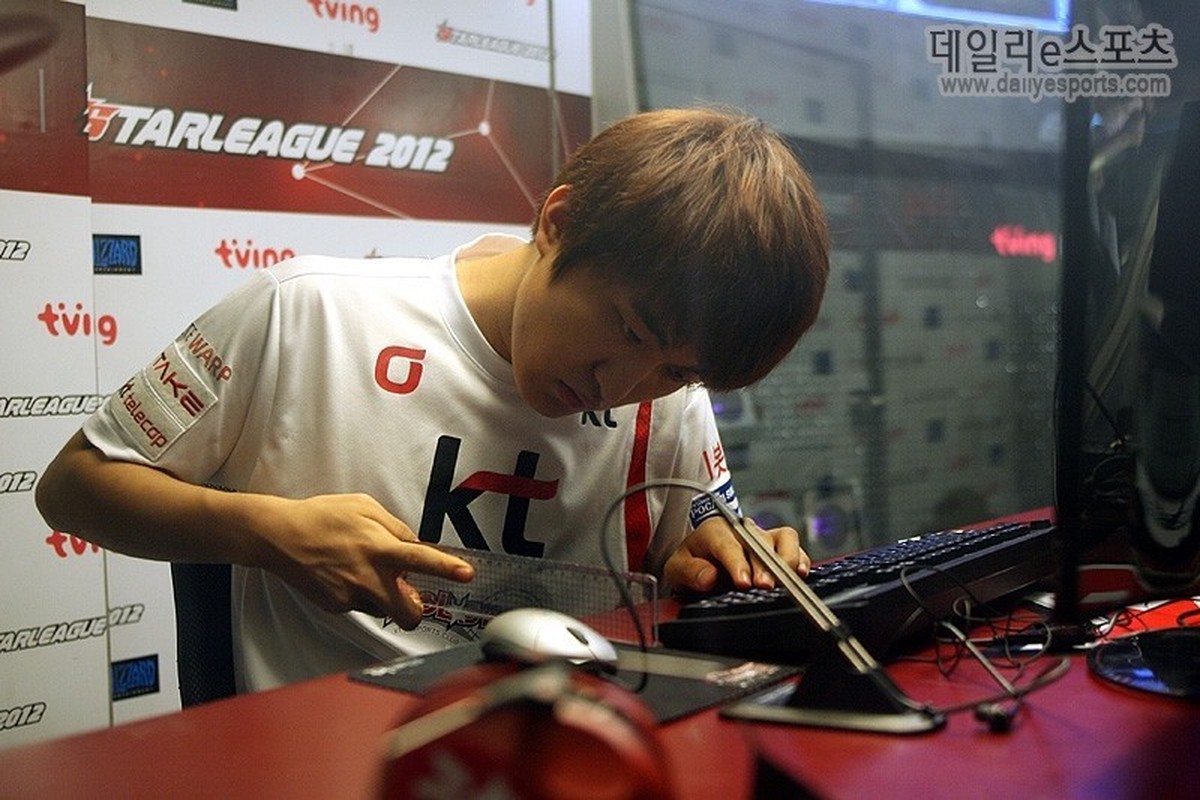
During the height of StarCraft: Brood War’s broadcast dominance on South Korean cable television (Ongamenet and MBCGame), KeSPA teams were backed by major telecommunications and corporate giants. Flash spent the entirety of his KeSPA career representing KT Rolster (formerly KT MagicNs).
- Early Career (2007–2009): After debuting at age 14, Flash rapidly elevated his status. By 2008, after winning his first OSL (Ongamenet Starleague) title, his contract was upgraded into the upper tier of professional Korean gamers.
- Peak Salary Era (2009–2012): At his competitive peak, Flash signed multi-year contract renewals with KT Rolster. Industry reports from South Korean esports outlets indicated that Flash's base salary reached between 200 million and 300 million South Korean Won (KRW) annually (approximately $180,000 to $260,000 USD per year at historical exchange rates).
- StarCraft II Era (2012–2015): As KeSPA transitioned to StarCraft II, Flash remained one of the highest-paid players in the organization until his initial retirement from professional team play in late 2015.
Over his KeSPA career, base salary alone contributed an estimated $1.2 million to $1.8 million USD in total earnings before taxes and performance bonuses.
2. Tournament Prize Earnings
Flash stands as one of the most decorated players in RTS history. His tournament victories span major KeSPA leagues, global tournaments, and post-KeSPA individual leagues.
- Ongamenet Starleague (OSL): 3-time Champion (Golden Mouse winner).
- MBCGame StarCraft League (MSL): 3-time Champion (Golden Badge winner).
- World Cyber Games (WCG): Gold Medalist (2010).
- AfreecaTV StarCraft League (ASL): 4-time Champion (Seasons 2, 3, 4, and 8).
According to esportsearnings.com tracked databases, Flash's lifetime tournament prize money exceeds $650,000 USD.
| Competition Era | Major Titles Won | Estimated Prize Money (USD) | Primary Opponents / Eras |
|---|---|---|---|
| KeSPA Brood War (2007–2012) | 3x OSL, 3x MSL, 1x WCG | ~$400,000 | Jaedong, Stork, Bisu ("TaekBangLeeSsang") |
| KeSPA StarCraft II (2012–2015) | IEM Toronto 2014 | ~$60,000 | Innovation, PartinG, Life |
| Post-KeSPA ASL Era (2016–2021) | 4x ASL Championships | ~$190,000 | Rain, Mini, Effort, Larva |
It is worth noting that during the KeSPA era, players often shared a percentage of tournament winnings with their coaching staff or team organization, though top-tier stars like Flash negotiated favorable prize retention clauses in their contracts.
Livestreaming Revenue: The AfreecaTV Boom
Following his retirement from StarCraft II team competition in 2015, Flash returned to StarCraft: Brood War on South Korea’s dominant livestreaming platform, AfreecaTV. This era proved to be the most financially lucrative phase of his career.
On AfreecaTV, broadcast jockey (BJ) earnings are heavily driven by voluntary user donations known as Star Balloons (별풍선). Each Star Balloon is worth 100 KRW (approx. $0.08 USD), with top-partnered BJs retaining 70% to 80% of the proceeds after platform fees.
Star Balloons and Broadcast Income
Flash quickly became one of the highest-earning BJs on the platform. During peak streaming months between 2016 and 2020:
- Flash routinely generated millions of Star Balloons per month through high-stakes showmatches, viewer challenges, and star-studded broadcast competitions (such as the Ultimate Showdown series).
- Financial tracking of AfreecaTV analytics showed Flash earning between $300,000 and $600,000 USD annually solely from streaming donations, platform incentives, and direct channel sponsorships.
YouTube and Secondary Content
In tandem with his livestreams, Flash operated a highly successful YouTube channel monetizing highlight matches, commentary, and tutorial content tailored to the massive South Korean Brood War nostalgia audience. YouTube ad revenue and dedicated brand integration deals contributed an additional estimated $50,000 to $100,000 USD annually during his active content creation years.
Real Estate and Financial Management
In South Korean culture, top esports figures often preserve their wealth by investing early in domestic real estate. Flash has publicly discussed his conservative approach to financial management.
early in his career, Flash prioritized family financial stability. He famously purchased a residential property for his parents in his hometown of Daejeon using his early KT Rolster contract money. As his streaming income expanded, he made further investments in commercial and residential properties within the Greater Seoul Metropolitan Area.
In South Korea, property investments in key urban centers have historically provided strong capital appreciation and rental yield, protecting his fortune from inflation and market volatility during his mandatory military service period.
Career Milestones and Timeline
- 2007: Professional Debut with KT MagicNs at age 14.
- 2008: Wins Bacchus OSL 2008 (youngest Starleague champion in history).
- 2009–2010: Achieves "Ultimate Weapon" era—wins dual OSL/MSL titles; signs record KT contract.
- 2012: Transitions to StarCraft II alongside KeSPA; wins WCG 2010 Gold earlier.
- 2014: Wins IEM Season IX Toronto in StarCraft II.
- 2015: Announces retirement from SC2 and KeSPA pro scene; launches AfreecaTV stream.
- 2016–2020: Dominates ASL with 4 championship titles; becomes top-earning AfreecaTV BJ.
- 2021: Enlists in mandatory South Korean military service as a public service worker.
- 2023–2026: Returns from military service; maintains selective broadcasts and legacy status.
Comparing Flash to Other Esports Legends
To contextualize Flash’s financial standing, it is useful to compare his revenue sources with other iconic figures in the RTS and broader esports space.
Flash vs. Lim "BoxeR" Yo-hwan
Lim Yo-hwan (BoxeR) pioneered esports monetization in the early 2000s, securing the first major corporate sponsorship contracts with SK Telecom. While BoxeR laid the foundation, Flash played during the capital peak of Brood War television rights and corporate bidding wars, resulting in significantly higher baseline salaries and overall net worth.
Flash vs. Lee "Jaedong" Jae-dong
Jaedong, Flash’s primary rival throughout the "Lee-Ssang" era, earned comparable tournament prize money and high team salaries (notably signing a lucrative deal with North American organization Evil Geniuses during the StarCraft II era). While Jaedong achieved broader international team salary distribution, Flash surpassed him in post-retirement domestic streaming revenue on AfreecaTV.
Flash vs. Modern RTS Players (e.g., Serral, Maru)
Modern StarCraft II champions like Joona "Serral" Sotala and Cho "Maru" Seong-ju have accumulated massive prize money totals due to inflated global tournament prize pools funded by international circuits (such as ESL Pro Tour and Gamers8/Esports World Cup). However, Flash’s combination of high KeSPA corporate salaries during Korea's telecommunications boom and domestic streaming volume gives him an overall financial footprint rivaling or exceeding top modern RTS earners.
Challenges, Controversies, and Financial Impact
Flash's financial trajectory was not without temporary setbacks. In 2021, prior to his military enlistment, Flash was implicated in a South Korean cryptocurrency promotion controversy involving several high-profile AfreecaTV BJs (often referred to as the "AfreecaTV Coin Gate").
The controversy involved BJs investing in a private cryptocurrency coin project set up by a prominent benefactor, leading to public backlash over potential conflict of interest and pre-listing promotion to fans. Flash publicly apologized, clarified the extent of his involvement, canceled his investment, and went into hiatus before entering his mandatory military service.
While the incident temporarily affected his public standing and broadcast sponsorships, his core real estate assets and accumulated capital ensured long-term financial security.
Frequently Asked Questions
What is Flash's estimated net worth in 2026?
Lee "Flash" Young-ho's net worth is estimated to be between $2 million and $5 million USD. This figure accounts for career earnings from KT Rolster salaries, over $650,000 in tournament prize money, multi-year AfreecaTV streaming revenue, and South Korean real estate holdings.
How much money did Flash make playing StarCraft: Brood War?
Through direct tournament prize pools, Flash earned over $650,000 USD. However, his total earnings from Brood War—including team salaries with KT Rolster, showmatches, and AfreecaTV streaming—exceed several million dollars over the course of his career.
Who is the richest StarCraft player of all time?
Flash is consistently ranked among the wealthiest RTS players in history, alongside figures like Lee "Jaedong" Jae-dong, Lim "BoxeR" Yo-hwan, and top StarCraft II earners like Cho "Maru" Seong-ju and Joona "Serral" Sotala. While modern SC2 players sometimes outpace him in raw prize money due to global inflation, Flash's combined salary, real estate, and AfreecaTV donation revenue place him at the very top of lifetime RTS earnings.
How did Flash earn money after retiring from professional team play?
After leaving KT Rolster in 2015, Flash transitioned to livestreaming StarCraft: Brood War on AfreecaTV. He monetized his stream through user-donated Star Balloons, personal sponsorships, YouTube content, and participating in the AfreecaTV StarCraft League (ASL), winning four titles in the post-KeSPA era.
Final Summary
Lee "Flash" Young-ho's transition from a teenage prodigy to the undisputed GOAT of StarCraft: Brood War was accompanied by unprecedented financial success in real-time strategy esports. By capitalizing on the peak of South Korean corporate esports sponsorship, maintaining dominance across multiple competitive eras, and leveraging the Korean livestreaming economy, Flash built a sustainable fortune valued between $2 million and $5 million USD. His financial management—focused on real estate and long-term asset preservation—ensures that his legacy remains secure long after the conclusion of his full-time competitive career.
Image Gallery