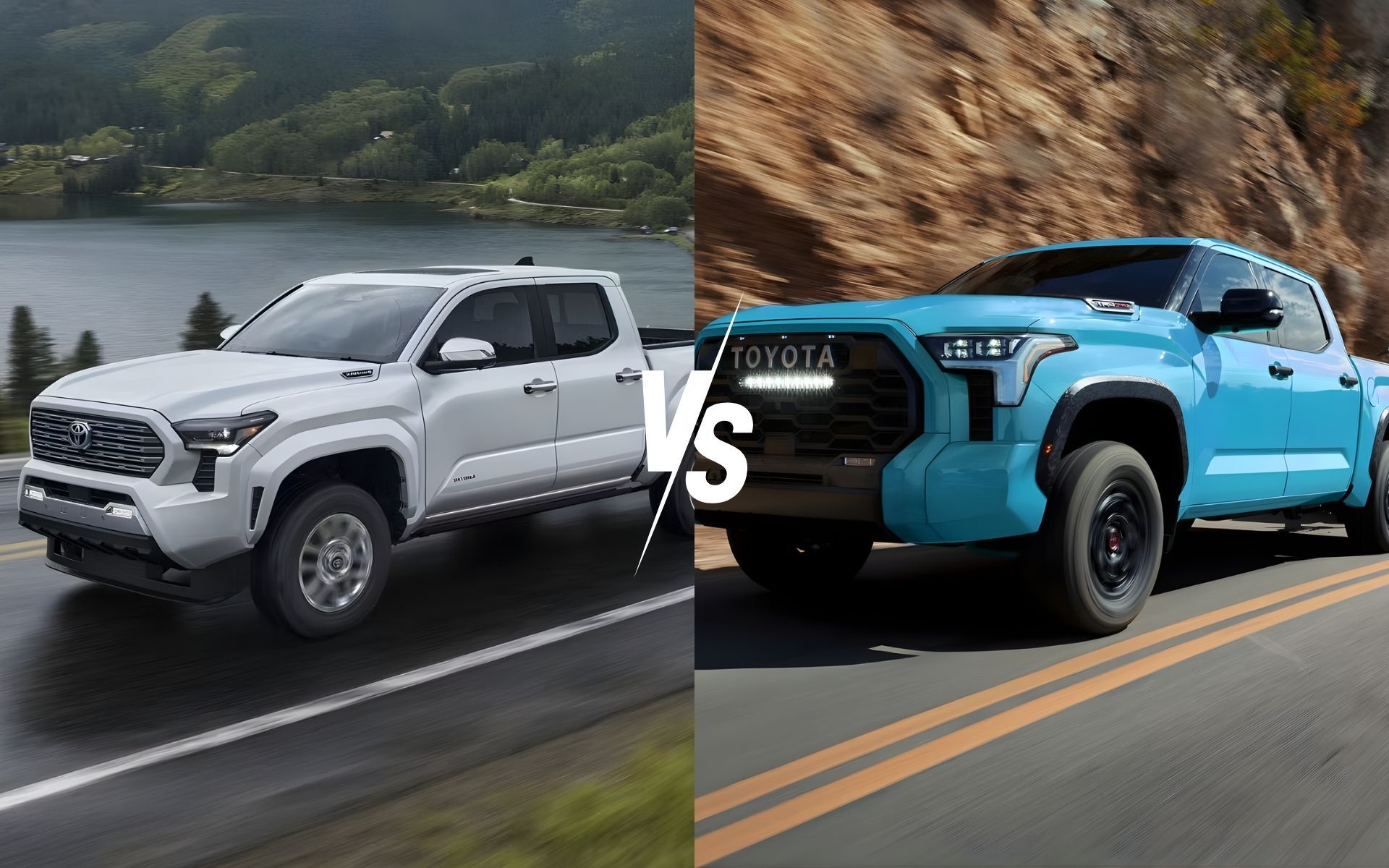
Choosing the Better Interior Space in the Tacoma vs Tundra
When comparing the interior space of the midsize Toyota Tacoma to the full-size Toyota Tundra, understanding how cabin dimensions, ergonomics, and material quality translate to daily usability is essential for making the right choice....
When comparing the interior space of the midsize Toyota Tacoma to the full-size Toyota Tundra, understanding how cabin dimensions, ergonomics, and material quality translate to daily usability is essential for making the right choice. The Tacoma offers a driver-focused, snug cockpit tailored for agile handling and off-road maneuverability, whereas the Tundra provides expansive, living-room-like dimensions with generous rear legroom and wide-set seating designed for long-distance comfort and heavy-duty utility.
Contents
Evaluating a truck cabin requires looking past raw passenger counts to examine how architecture, seat design, storage solutions, and technology integration affect driver fatigue and passenger utility. Whether you are daily commuting, packing gear for a weekend excursion, or transporting a family, the interior volume and layout of these two platforms serve vastly different operational needs.
Cabin Architecture and Dimensions Overview
The fundamental architectural difference between the Toyota Tacoma and the Toyota Tundra stems from their respective vehicle classes. The Tacoma is a midsize pickup truck, which inherently limits its overall width, ceiling height, and longitudinal cabin length. Occupants sitting in the front of a Tacoma will find a relatively intimate space where controls are tightly clustered around the center console and dashboard, bringing instruments within immediate reach.
Conversely, the Toyota Tundra is built on a full-size platform, providing a significantly wider body and a longer wheelbase that translates directly into expansive interior volume. Drivers and passengers benefit from broad shoulder room, ample headroom, and a commanding forward view that feels closer to a full-size SUV than a traditional utility vehicle. This extra width means that three adults can sit across the rear bench of a Tundra with far less shoulder-to-shoulder friction than they would experience in the second row of a Tacoma.
| Interior Feature | Toyota Tacoma (Double Cab) | Toyota Tundra (CrewMax) |
|---|---|---|
| Vehicle Class | Midsize Pickup | Full-Size Pickup |
| Front Headroom | Approx. 39.7 inches (varies by sunroof) | Approx. 41.2 inches |
| Front Legroom | Approx. 41.8 inches | Approx. 41.2 inches |
| Rear Headroom | Approx. 38.3 inches | Approx. 38.9 inches |
| Rear Legroom | Approx. 33.7 inches | Approx. 41.6 inches |
| Seating Capacity | Up to 5 passengers | Up to 5 passengers |
Ergonomics, Seating Comfort, and Driving Position
Seating geometry plays a critical role in long-term comfort, particularly on extended road trips or rough terrain. In the Tacoma, the seating position has historically featured a relatively low floor relative to the seat cushion, which can force adult passengers in the rear into a more upright or knees-up posture. Front seats in modern Tacoma generations offer improved adjustability and bolster support, especially in off-road trims like the TRD Pro or Trailhunter, but the overall spatial boundaries remain compact.
The Tundra reverses this dynamic by providing vast, supportive seating surfaces with extensive power adjustments and available heating, ventilation, and memory functions across higher trim levels. The rear seats in the Tundra CrewMax configuration feature an exceptionally flat floor and massive legroom that rivals luxury sedans. This spatial advantage makes the Tundra superior for transporting adult passengers frequently in the rear row, whereas the Tacoma’s rear seats are best reserved for children, gear storage, or occasional adult transport.
Storage Solutions and Cabin Utility
Beyond passenger seating, a truck interior functions as a mobile workspace and gear locker. Both trucks incorporate numerous storage compartments, but their execution differs based on scale:
- Center Consoles: The Tundra features a massive center console box capable of swallowing laptops, hanging file folders, and large personal items, whereas the Tacoma console is sized more modestly for smaller electronics and everyday carry items.
- Under-Seat and Behind-Seat Storage: The Tacoma utilizes folding rear seatbacks that reveal small storage bins underneath or behind the seat, ideal for flat recovery gear, tow straps, or first-aid kits. The Tundra offers versatile flip-up rear seat cushions that expose a wide, flat floor space or integrated under-seat storage boxes depending on the specific cab configuration.
- Door Pockets: Both vehicles integrate deep door pockets with designated molded spots for large water bottles, though the Tundra’s wider doors allow for larger multi-liter container storage.
Infotainment and Technology Integration
Modern cabin evaluation requires a thorough look at human-machine interfaces, including touchscreen placement, digital gauge clusters, and connectivity options. Both vehicles feature contemporary Toyota multimedia systems with crisp high-definition displays, wireless Apple CarPlay, and Android Auto integration.
In the Tacoma, the infotainment screen is often mounted prominently in a driver-centric dashboard layout, keeping navigation and audio controls within effortless reach. The Tundra scales up this technology with massive available touchscreen options (up to 14 inches on higher trims) that integrate seamlessly with multi-zone climate controls and specialized towing cameras. Physical buttons and dials are retained for core climate and audio functions in both trucks, ensuring that drivers wearing gloves or navigating bumpy roads can make adjustments without relying solely on touchscreen menus.
Material Quality, Noise Isolation, and Ride Environment
The choice of interior materials directly influences the tactile experience and durability of a truck cabin. Base models of both the Tacoma and Tundra rely on rugged, wipe-clean plastics and durable fabric upholstery designed to withstand mud, water, and heavy daily use. As you ascend through the trim lineup to models like the Tacoma Limited or Tundra Capstone, the cabins transform with soft-touch synthetic or semi-aniline leather surfaces, contrasting stitching, and metallic or wood-grain accents.
Noise, vibration, and harshness (NVH) levels are noticeably reduced in the Tundra due to its larger mass, thicker acoustic glass, and advanced aerodynamic sealing. The cabin remains remarkably quiet at highway speeds, allowing for easy conversation. The Tacoma, while vastly improved in modern iterations regarding sound deadening, still transmits more engine note, wind rush, and tire hum into the cabin, reflecting its lighter, more utilitarian roots.
Common Mistakes When Choosing Between Tacoma and Tundra Cabins
Buyers frequently make errors when assessing truck interiors by focusing exclusively on showroom impressions rather than long-term daily utility.
- Ignoring Rear Passenger Demographics: Assuming that a midsize Double Cab offers the same rear legroom as a full-size CrewMax leads to cramped conditions for growing families or adult coworkers. Always test-fit passengers in the back seat before committing.
- Underestimating Gear Volume: Relying solely on cabin space for luggage without considering secure interior storage can result in loose items sliding around seats. Evaluate whether under-seat storage boxes are necessary for your tools.
- Overlooking Seating Height and Sightlines: Drivers of varying statures should adjust the steering wheel and power seats to ensure forward and lateral visibility is not compromised by thick A-pillars or rearview mirror housings.
Practical Recommendations for Your Selection
Selecting the correct interior space comes down to an honest assessment of your primary daily driving mission. If your routine involves tight urban parking garages, narrow off-road two-track trails, and solo or duo commuting with occasional cargo hauling, the snug, highly manageable cabin of the Toyota Tacoma is ideal.
If your daily life requires frequent transport of adult passengers, long highway mileage, expansive family road trips, or maximum workspace versatility inside the vehicle, the Toyota Tundra delivers the uncompromised roominess and luxury-grade isolation required for those tasks. Match your daily passenger load and comfort preferences against these structural realities to choose the cabin that best supports your lifestyle.
Image Gallery