What Is Oversleeping and Why It Matters: Definition, Causes, and Health Risks
Oversleeping, clinically referred to as long sleep duration or hypersomnia, occurs when an adult regularly sleeps more than nine hours within a 24-hour period without feeling refreshed. While occasional prolonged sleep occurs after sle...
Oversleeping, clinically referred to as long sleep duration or hypersomnia, occurs when an adult regularly sleeps more than nine hours within a 24-hour period without feeling refreshed. While occasional prolonged sleep occurs after sleep deprivation, chronic oversleeping often indicates an underlying medical issue, disrupted sleep architecture, or a circadian rhythm disorder that requires attention.
Contents
Defining Oversleeping: Duration, Hypersomnia, and Sleep Architecture
Sleep requirement varies across human life stages, dictated by physiological development, genetics, and overall health status. According to consensus guidelines from the American Academy of Sleep Medicine (AASM) and the Sleep Research Society (SRS), healthy adults aged 18 to 60 require between seven and nine hours of sleep per night for optimal metabolic, cardiovascular, and cognitive health.
When an adult consistently exceeds nine hours of total sleep per day—including nighttime sleep and daytime naps—they fall into the statistical category of a long sleeper. While a tiny fraction of the population (less than 1%) consists of natural long sleepers due to specific genetic variants without adverse health effects, for the vast majority, excessive sleep duration is a symptom of poor sleep efficiency or chronic illness.
| Category | Sleep Duration | Physiological Status & Health Risk |
|---|---|---|
| Short Sleepers | < 7 Hours | Elevated Risk: Hypertension, Impaired Memory, Insulin Resistance |
| Target Range | 7–9 Hours | Optimal Physiological Repair, Immune Status, & Metabolic Balance |
| Long Sleepers | > 9+ Hours | Elevated Risk: Metabolic Dysfunction, Cognitive Sluggishness, Cardiovascular Strain |
Primary vs. Secondary Hypersomnia
To evaluate oversleeping clinically, sleep specialists distinguish between primary and secondary hypersomnia:
- Primary Hypersomnia: A central nervous system disorder where the brain fails to regulate sleep-wake cycles correctly despite normal sleep quantity. Examples include Idiopathic Hypersomnia (IH), Narcolepsy Type 1 and Type 2, and Kleine-Levin Syndrome. Individuals with primary hypersomnia experience severe, unrefreshing sleepiness regardless of how many hours they sleep.
- Secondary Hypersomnia: Excessive sleepiness or prolonged sleep duration caused by an identifiable extrinsic factor, underlying medical condition, psychiatric disorder, or medication. In secondary hypersomnia, the total time spent in bed expands because the body is attempting to compensate for low sleep quality, chronic systemic inflammation, or neurochemical imbalances.
Sleep Architecture and Quality Disruption
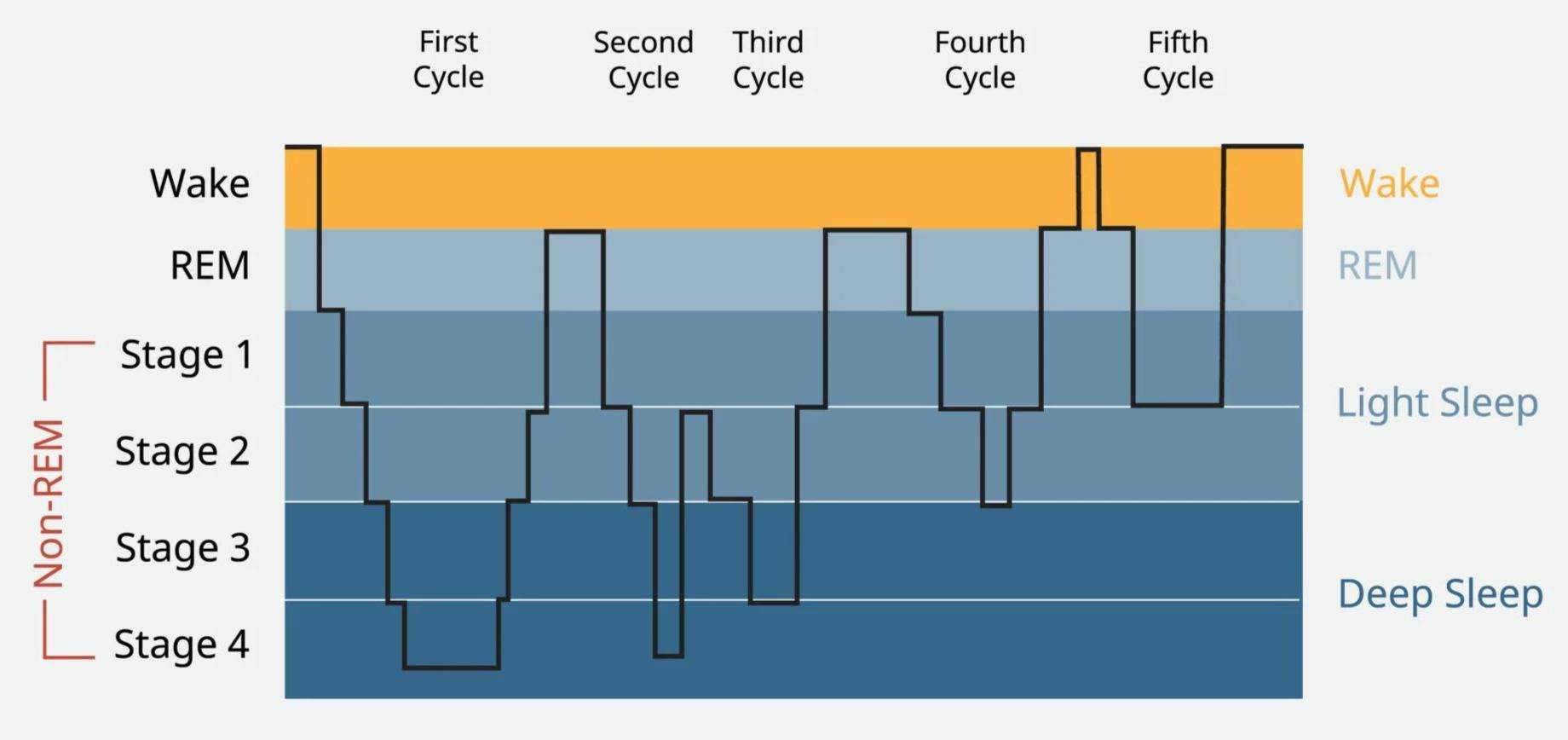
Sleep is not a uniform state of inactivity; it is an orchestrated sequence of cycles alternating between Non-Rapid Eye Movement (NREM) stages (N1, N2, and N3 deep slow-wave sleep) and Rapid Eye Movement (REM) sleep. A typical cycle lasts approximately 90 to 110 minutes.
When an individual spends 10 to 12 hours in bed due to fragmented sleep architecture, the brain spends disproportionate time in lighter sleep stages (N1 and N2) while suffering frequent micro-arousals. This lack of continuous deep slow-wave sleep prevents adequate cellular restoration and physiological recovery. As a result, the individual wakes up feeling unrefreshed, prompting them to stay in bed longer and reinforcing a vicious cycle of prolonged, low-quality sleep.
Why Oversleeping Matters: Physiological and Psychological Impacts
Popular health education frequently highlights the dangers of sleep deprivation, but epidemiology and clinical research show that excessive sleep carries comparable—and in some cases superior—health risks. Large-scale epidemiological studies, including data from the Nurses' Health Study and broad prospective cohorts, consistently demonstrate a U-shaped relationship between sleep duration and chronic disease risk, where both short sleepers (<7 hours) and long sleepers (>9 hours) show elevated morbidity and mortality rates.
- Risk of Chronic Disease / Mortality by Sleep Duration:
- <7h: High Risk
- 7–9h: Low Risk
- >9h: High Risk
Cardiovascular and Metabolic Risks
Habitual long sleep is strongly associated with an increased risk of cardiometabolic disease. Metabolic processes—including glucose tolerance, insulin sensitivity, and appetite-regulating hormones like leptin and ghrelin—are closely tied to circadian rhythms.
- Type 2 Diabetes and Glucose Intolerance: Studies show that individuals sleeping more than nine hours per night have a significantly higher risk of developing type 2 diabetes compared to seven-to-eight-hour sleepers. Extended periods of physical inactivity coupled with altered circadian insulin sensitivity lead to reduced glycemic control.
- Cardiovascular Disease and Stroke: Prolonged sleep correlates with increased markers of systemic inflammation, such as C-reactive protein (CRP) and interleukin-6 (IL-6). Elevated inflammatory cascades contribute to endothelial dysfunction, arterial stiffness, and atherogenesis. Research published in major cardiovascular journals indicates that long sleepers face an elevated risk of coronary artery disease, angina, and ischemic stroke.
- Obesity and Decreased Energy Expenditure: Spending excess time in bed naturally reduces daily total energy expenditure (TEE) and non-exercise activity thermogenesis (NEAT). Combined with altered circadian metabolic rates, long sleepers exhibit higher rates of weight gain and abdominal adiposity over multi-year periods.
Cognitive Impairment and "Brain Fog"
Excessive sleep disrupts neurological performance rather than enhancing it. Waking from prolonged or fragmented sleep often induces severe sleep inertia—a transitional state of cognitive impairment, grogginess, and sensory motor slowness that can persist for several hours post-awakening.
Over longer horizons, chronic oversleeping is correlated with accelerated cognitive decline in older adults. Neurological research suggests that irregular, prolonged sleep patterns disrupt the normal clearing of metabolic waste via the brain's glymphatic system, which operates most efficiently during structured, unfragmented N3 deep sleep cycles. Fragmented long sleep can lead to deficits in executive function, working memory, attention processing speed, and spatial orientation.
Mental Health and Mood Regulation
The relationship between oversleeping and psychiatric disorders, particularly mood disorders, is bidirectional and complex.
- Major Depressive Disorder (MDD): While insomnia is a classic symptom of depression, atypical depression frequently presents with hypersomnia. Patients spend extended periods in bed as a behavioral avoidance mechanism or due to severe psychomotor retardation.
- Seasonal Affective Disorder (SAD): Reductions in natural daylight during winter months alter melatonin secretion and circadian alignment, leading to prolonged sleep durations accompanied by lethargy and depressed mood.
- Neurochemical Dysregulation: Extended time in darkness and low-activity states can disrupt serotonin, dopamine, and norepinephrine pathways, impairing neuroplasticity and emotional resilience.
Common Underlying Causes of Oversleeping
Identifying why an individual oversleeps requires investigating several physiological, neurological, and lifestyle factors.
Sleep Disorders
- Obstructive Sleep Apnea (OSA): In OSA, repeated partial or complete collapses of the upper airway cause oxygen desaturation and transient awakenings (micro-arousals) throughout the night. Although patients may spend 9 to 11 hours in bed, their sleep is severely fragmented, leading to excessive daytime sleepiness and compensatory oversleeping.
- Restless Legs Syndrome (RLS) and Periodic Limb Movement Disorder (PLMD): Neurological movement disorders that create irresistible urges to move the legs or cause involuntary limb twitching during sleep interrupt sleep continuity, forcing extended time in bed to accumulate basic rest.
- Idiopathic Hypersomnia and Narcolepsy: Central disorders of hypersomnolence characterized by an inability to stay awake during the day, sleep attacks, and in the case of Idiopathic Hypersomnia, prolonged, unrefreshing main sleep episodes lasting more than 10 hours.
Medical Conditions and Systemic Illnesses
- Endocrine Dysfunction: Hypothyroidism (underactive thyroid gland) significantly slows metabolic rate, causing profound fatigue, cold intolerance, and excessive sleep demands.
- Chronic Fatigue Syndrome (ME/CFS): A complex, debilitating neuroimmune condition marked by post-exertional malaise (PEM) and unrefreshing sleep, leading patients to rest for extended portions of the day.
- Systemic Autoimmune and Inflammatory Disorders: Conditions such as rheumatoid arthritis, lupus, and inflammatory bowel disease release high levels of pro-inflammatory cytokines (e.g., TNF-alpha), which act directly on brain sleep centers to induce sleepiness and sickness behavior.
Medication Side Effects and Substance Use
Numerous pharmacological agents alter central nervous system activity, extending sleep duration or impairing sleep quality:
- Sedating Antidepressants: Tricyclics (e.g., amitriptyline) and sedating atypical antidepressants (e.g., mirtazapine).
- Antipsychotics and Mood Stabilizers: First- and second-generation antipsychotics (e.g., olanzapine, quetiapine) with strong histamine H1 receptor blockade.
- Antihistamines: First-generation H1 antagonists (e.g., diphenhydramine) that cross the blood-brain barrier.
- Anticonvulsants and Neuropathic Pain Agents: Gabapentin, pregabalin, and topiramate.
- Alcohol and Central Nervous System Depressants: Alcohol suppresses REM sleep in the first half of the night, leading to rebound fragmentation, poor sleep quality, and prolonged morning lethargy.
Clinical Comparison of Sleep Duration Profiles
The following table compares characteristics, typical underlying causes, and health implications across different sleep duration categories.
| Profile Category | Average 24h Sleep Duration | Subjective Morning Feeling | Common Underlying Causes | Long-Term Health Risks |
|---|---|---|---|---|
| Short Sleep | < 7 Hours | Unrefreshed, fatigued | Insomnia, shift work, deliberate restriction, high stress | Cardiovascular disease, hypertension, impaired immunity, insulin resistance |
| Optimal Sleep | 7 – 9 Hours | Refreshed, alert within 30 min | Balanced circadian rhythm, healthy sleep architecture | Lowest baseline risk for metabolic, cardiovascular, and all-cause mortality |
| Acute Catch-Up Sleep | 9 – 12 Hours (Temporary) | Variable; initial grogginess | Recovery from sleep debt, acute viral illness, heavy physical exertion | Minimal long-term risk if duration returns to baseline after recovery |
| Pathological Oversleeping | > 9 Hours (Chronic) | Deep sleep inertia, "brain fog," persistent fatigue | Obstructive Sleep Apnea, Depression, Hypothyroidism, Primary Hypersomnia, Medications | Type 2 diabetes, stroke, coronary artery disease, cognitive decline, elevated mortality |
| Natural Long Sleeper | > 9 Hours (Habitual) | Fully refreshed, alert | Genetic variation (normal sleep architecture preserved) | None established; rare benign physiological variant |
Diagnostic Approaches and Medical Evaluation
Medical Disclaimer: This content is for educational purposes only and does not constitute formal medical advice, diagnosis, or treatment recommendations. Individuals experiencing persistent excessive sleepiness, prolonged sleep duration, or morning cognitive impairment should consult a qualified healthcare provider or board-certified sleep physician.
When evaluating persistent oversleeping, clinicians follow a structured diagnostic protocol to differentiate primary sleep disorders from secondary medical or psychiatric causes.
- Step 1: Clinical History & Sleep Log (2-Week Actigraphy/Diary)
- Step 2: Basic Laboratory Screening (Thyroid, CBC, Metabolic Panel)
- Step 3: Overnight Polysomnography (PSG) to rule out OSA/PLMD
- Step 4: Multiple Sleep Latency Test (MSLT) for Central Hypersomnia
Initial Clinical Assessment and Screening
The evaluation begins with a detailed medical history, psychiatric assessment, medication review, and sleep tracking. Patients are typically asked to maintain a sleep diary for two weeks or wear an actigraphy device (a wrist-worn monitor that records movement and light exposure) to document actual sleep patterns, bedtime consistency, and daytime naps.
Standardized clinical tools include:
- Epworth Sleepiness Scale (ESS): A self-administered questionnaire measuring daytime sleep propensity across eight daily scenarios.
- Pittsburgh Sleep Quality Index (PSQI): Evaluates sleep quality patterns over a one-month interval.
Laboratory Diagnostics
Physicians perform laboratory blood tests to rule out systemic metabolic causes of fatigue and excessive sleep:
- Thyroid Function Tests: Thyroid-Stimulating Hormone (TSH) and Free T4 to screen for hypothyroidism.
- Complete Blood Count (CBC): To identify anemia or infectious markers.
- Comprehensive Metabolic Panel (CMP): Assessing renal and hepatic function, electrolytes, and fasting glucose.
- Vitamin Levels: Checking Vitamin D, B12, and ferritin (iron stores), which can cause fatigue and restless sleep when deficient.
Specialized Sleep Laboratory Testing
If initial screenings do not reveal an obvious medical cause, the patient is referred to an accredited sleep center for objective testing:
- In-Lab Polysomnography (PSG): An overnight sleep study monitoring brain waves (EEG), eye movements (EOG), heart rate (ECG), muscle activity (EMG), respiratory airflow, and blood oxygen levels. PSG identifies sleep apnea, periodic limb movement disorder, and sleep architecture fragmentation.
- Multiple Sleep Latency Test (MSLT): Conducted the day immediately following an overnight PSG, the MSLT measures how quickly a person falls asleep in a quiet environment across four or five scheduled 20-minute nap opportunities spaced two hours apart. It measures mean sleep latency and the presence of Sleep-Onset REM Periods (SOREMPs), key diagnostics for narcolepsy and idiopathic hypersomnia.
Actionable Strategies to Restore Healthy Sleep Architecture
If oversleeping is not driven by an underlying primary sleep disorder or medical disease requiring direct clinical intervention (such as CPAP therapy for sleep apnea or hormone replacement for hypothyroidism), sleep architecture and duration can be optimized using targeted behavioral modifications.
1. Optimize Circadian Rhythms with Bright Light Exposure
Circadian biology relies on zeitgebers (external time cues) to anchor the suprachiasmatic nucleus (SCN) in the brain.
- Morning Light: Expose your eyes to bright natural sunlight within 30 minutes of waking for 15 to 30 minutes. Sunlight triggers the suppression of melatonin production and stimulates morning cortisol synthesis, locking in your sleep-wake schedule.
- Nighttime Light Restriction: Minimize blue-spectrum light exposure from screens and bright overhead lighting two hours before bedtime to support natural endogenous melatonin secretion.
2. Standardize Bedtime and Wake-Up Timings
Irregular sleep schedules disrupt central circadian oscillators.
- Fixed Wake-Up Time: Maintain a strict wake-up time seven days a week, regardless of weekend schedules or subjective sleep quality the previous night.
- Eliminate Compensation: Avoid staying in bed to "catch up" on lost sleep. Prolonged light sleep in the late morning promotes sleep inertia and delays circadian rhythm phase alignment.
3. Manage Sleep Inertia and Morning Routines
For long sleepers who suffer from severe morning grogginess:
- Immediate Posture Change: Sit up and exit the bed as soon as your alarm rings. Remaining lying down reinforces low-arousal state brain waves.
- Hydration and Movement: Drink 16 ounces of water and perform light physical movement (e.g., stretching or a short walk) immediately after waking to elevate core body temperature and blood pressure naturally.
4. Re-evaluate Sleep Environment Dynamics
An unsupportive sleep environment can lead to low-quality, fragmented sleep that drives compensatory oversleeping.
- Temperature Regulation: Maintain the bedroom ambient temperature between 60°F and 67°F (15°C–19°C). Body core temperature must drop to initiate and maintain deep slow-wave sleep.
- Darkness and Noise: Utilize blackout curtains and white noise generators to prevent silent micro-arousals during lighter stages of sleep.
Frequently Asked Questions
Can oversleeping make you feel more tired?
Yes. Oversleeping frequently leaves individuals feeling more fatigued due to sleep inertia and fragmented sleep architecture. Waking during a deep N3 slow-wave sleep stage causes persistent disorientation, brain fog, and motor slowness that can last for hours. Additionally, spending excessive hours in bed reduces sleep efficiency, creating a continuous loop of light, non-restorative sleep.
Is oversleeping a sign of depression?
Oversleeping can be an indicator of psychiatric conditions, particularly Major Depressive Disorder (MDD) with atypical features and Seasonal Affective Disorder (SAD). In these conditions, hypersomnia may stem from neurochemical imbalances affecting serotonin and dopamine pathways, as well as behavioral withdrawal or psychomotor retardation.
How many hours of sleep is considered oversleeping for adults?
For adults aged 18 to 60, regularly sleeping more than nine hours per 24-hour cycle is classified as long sleep duration or oversleeping. While occasional episodes (such as recovering from severe sleep deprivation or viral illness) are normal, chronic daily sleep exceeding nine hours warrants professional medical review.
What is the difference between fatigue and hypersomnia?
Fatigue is a state of physical or mental exhaustion, low energy, and lack of motivation, where the individual may not necessarily fall asleep if given the opportunity. Hypersomnia, by contrast, is characterized by an excessive quantitative demand for sleep or an inability to remain awake during normal daytime hours, often resulting in involuntary sleep episodes or prolonged night sleep.
Can catching up on sleep during the weekend harm your health?
Occasional weekend "catch-up sleep" (sleeping 1 to 2 extra hours) can help pay down short-term sleep debt. However, shifting sleep schedules by more than two hours on weekends creates "social jetlag." This destabilizes circadian rhythms, impairs glucose insulin sensitivity, alters evening melatonin timing, and often causes sleep-onset insomnia on Sunday nights.
Next Steps: Managing Your Sleep Health
If you or a family member regularly sleep more than nine hours per day and continue to experience persistent fatigue, morning brain fog, or daytime sleepiness, take these concrete steps:
- Maintain a 14-Day Sleep Log: Record bedtime, wake time, total hours slept, night awakenings, daytime naps, caffeine consumption, and morning alertness scores.
- Review Current Medications: Consult a doctor or pharmacist to determine if any prescription or over-the-counter medications contribute to daytime sedation or extended sleep cycles.
- Schedule a Clinical Evaluation: Schedule a visit with a primary care provider or board-certified sleep specialist. Request basic laboratory screening (thyroid panel, complete blood count, ferritin, metabolic markers) to rule out underlying systemic causes.
- Enforce Circadian Hygiene: Begin anchoring your circadian clock immediately by fixing your daily wake time and obtaining 20 minutes of morning daylight exposure every day.
Image Gallery