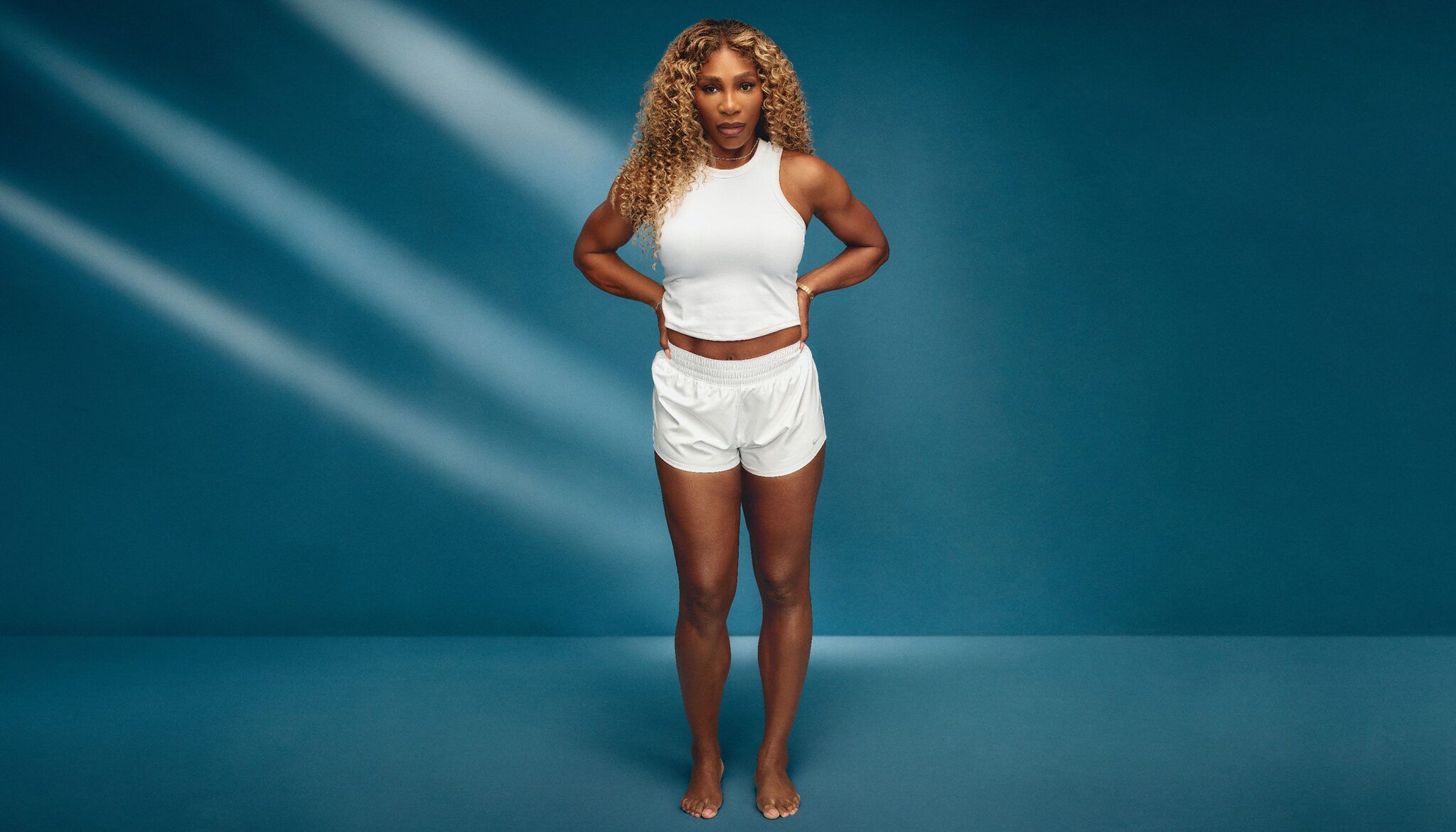
Serena Williams Weight Loss Myths vs Facts
Serena Williams’s physical transformation, body image journey, and athletic longevity are frequently sensationalized online, breeding various misconceptions about rapid weight loss, crash dieting, and secret quick-fixes. Examining the...
Serena Williams’s physical transformation, body image journey, and athletic longevity are frequently sensationalized online, breeding various misconceptions about rapid weight loss, crash dieting, and secret quick-fixes. Examining the reality reveals a lifestyle rooted in elite athletic training, mindful postpartum nutrition, and progressive physical conditioning.
Contents
The discourse surrounding celebrity body transformations often distorts how public figures achieve and maintain their health. As one of the most celebrated athletes in tennis history, Serena Williams has spent decades in the public eye, undergoing natural physical shifts due to athletic training, pregnancy, childbirth, retirement from professional competition, and shifting personal priorities. Because her physique has continually evolved, speculative internet claims regarding extreme weight loss regimens, unauthorized diet pills, and restrictive eating plans frequently surface. Separating these pervasive myths from documented facts provides a realistic perspective on fitness, health, and sustainable lifestyle changes.
The Reality of Athletic Training vs. Quick-Fix Culture
The primary myth surrounding Serena Williams is that her physical conditioning relies on short-term diets or secret supplements rather than long-term consistency. Tabloids and unverified wellness blogs frequently publish articles claiming that athletes drop massive amounts of weight overnight through restrictive cleansing protocols or specialized teas.
In reality, Williams’s physique is the byproduct of decades of high-intensity athletic conditioning. Elite tennis requires explosive speed, cardiovascular endurance, agility, and immense core and lower-body strength. Training at this level demands a caloric intake that supports high energy expenditure rather than starvation. When athletes transition away from competitive sports, their training volumes change, necessitating a conscious adjustment in caloric balance and macronutrient distribution. Rather than utilizing dangerous crash diets, sustainable changes in body composition are achieved through gradual shifts in activity levels and balanced nutrition.
Pregnancy, Postpartum Realities, and Body Changes
Few events in Williams's public life have generated as much scrutiny—and as many fitness myths—as her pregnancy with her daughter, Alexis Olympia Ohanian Jr., in 2017, and her subsequent return to competitive tennis.
Pregnancy Complications and Medical Context
Following an emergency Cesarean section due to pulmonary embolisms, Williams faced a severe, well-documented medical recovery that temporarily restricted her ability to engage in high-intensity training. Myths often ignore these medical hurdles, suggesting that postpartum weight management is simply a matter of willpower.
In truth, postpartum recovery is a delicate medical process. Williams has openly discussed the physical toll of childbirth, blood clots, and multiple surgeries. Her return to the tennis court was gradual, supervised by medical professionals, and prioritized core rehabilitation and cardiovascular rebuilding over rapid aesthetic transformations. Medical consensus dictates that postpartum weight loss must be gradual, particularly for nursing mothers, to ensure adequate nutrition and safe recovery from pelvic floor and abdominal trauma.
Deconstructing Common Serena Williams Weight Loss Myths
To fully understand the narrative around Williams's health, several widespread myths must be evaluated directly against established facts.
| Myth Claim | Fact / Reality |
|---|---|
| Myth 1: Williams used extreme detox teas or restrictive starvation diets to lose weight. | Fact: Williams follows a balanced, largely plant-based diet focused on whole foods, lean proteins, and complex carbohydrates, supplemented by moderation. |
| Myth 2: Her post-retirement weight loss was sudden and driven by a secret Hollywood product. | Fact: Weight adjustments following competitive retirement are managed through a transition from high-intensity court training to varied functional workouts, strength training, and cardiovascular maintenance. |
| Myth 3: Professional athletes maintain the exact same physique and diet indefinitely. | Fact: Nutritional and physical needs change across career phases, injuries, pregnancies, and retirement, requiring adaptive lifestyle strategies. |
| Myth 4: Rapid spot-reduction exercises melted away specific body fat. | Fact: Spot reduction is a biological impossibility; Williams focuses on total-body conditioning, agility drills, and strength training. |
Nutritional Philosophy: Balancing Performance and Plant-Based Eating
Dietary myths often attribute Williams's physique to extreme deprivation. However, interviews and nutritional profiles reveal a much more pragmatic approach to food. Williams has frequently spoken about adopting a predominantly plant-based diet, largely influenced by her sister Venus Williams, who adopted raw, plant-based eating to manage an autoimmune condition (Sjögren's syndrome).
A sustainable plant-based or flexitarian approach does not mean eating lettuce and water. For an elite athlete, plant-based nutrition requires careful attention to macronutrient intake, ensuring sufficient protein from sources like beans, lentils, and protein supplements, alongside healthy fats from avocados and nuts, and complex carbohydrates like quinoa and sweet potatoes. Furthermore, Williams has openly admitted to a very human relationship with food, noting that she enjoys soul food and treats in moderation. This flexible mindset counters the myth of robotic dietary perfection often projected onto elite athletes.
Fitness Evolution: From Tennis Court to Sustainable Wellness
Physical activity for a retired tennis champion looks vastly different from active competition, yet movement remains a cornerstone of daily life. During her professional career, Williams’s regimen included hours of on-court hitting sessions, footwork drills, sprint intervals, and rigorous weightlifting to build lower-body power.
Following her transition away from professional tennis, her workout routine shifted toward functional fitness, yoga, running, and strength training. This evolution highlights a crucial educational point for anyone pursuing personal health goals: exercise routines must adapt to life stages. Joint health, cardiovascular longevity, and functional mobility replace the hyper-specialized demands of competitive sport.
Psychological Aspects of Body Positivity and Public Scrutiny
Throughout her career, Williams faced intense, often racially and gendered critiques of her muscular physique. For years, media commentators and online trolls scrutinized her broad shoulders and powerful legs, applying narrow, archaic beauty standards to a world-class athlete.
Williams’s response has been a masterclass in body positivity and self-acceptance. By embracing her strength and redefining conventional standards of beauty, she has empowered millions of women and girls to value capability over thinness. The psychological reality of her wellness journey is that health is not defined by a scale or a specific dress size, but by strength, resilience, and mental well-being. Focusing exclusively on "weight loss" narratives often undermines the broader psychological triumph of building a strong, functional body capable of weathering immense personal and professional challenges.
Practical Guidance for Healthy Body Composition Management
For readers looking to apply realistic lessons from Williams's fitness journey to their own lives, several structured principles emerge:
- Prioritize Progressive Habits: Avoid all-or-nothing thinking. Sustainable changes come from small, repeatable daily habits in nutrition and movement rather than drastic 30-day cleanses.
- Consult Medical Professionals: Especially following pregnancy, surgery, or major medical events, clearance and guidance from physicians or registered dietitians are essential.
- Focus on Functional Strength: Design exercise programs that improve mobility, strength, and cardiovascular health rather than chasing aesthetic metrics alone.
- Embrace Dietary Flexibility: Adopt a nutritious eating pattern that you can maintain for years, allowing for occasional indulgences without guilt.
Frequently Asked Questions
Did Serena Williams endorse any specific weight loss pills or gummies?
No. Any online advertisements, social media posts, or articles claiming that Serena Williams endorses specific diet pills, keto gummies, or weight-loss supplements are unauthorized scams that exploit her name and likeness without her consent.
What kind of diet does Serena Williams follow?
Williams follows a predominantly plant-based, balanced diet that includes lean proteins, fresh vegetables, complex carbohydrates, and fruits. She also practices moderation, occasionally incorporating comfort foods and treats.
How did Serena Williams return to tennis after having a baby?
Her return involved a slow, medically supervised rehabilitation program that prioritized core recovery, gradual cardiovascular rebuilding, and functional strength training following severe postpartum medical complications.
Is plant-based eating necessary for athletic weight management?
No. While plant-based diets work well for many individuals, healthy body composition can be achieved through various dietary frameworks as long as there is an appropriate balance of macronutrients, micronutrients, and sustainable caloric intake.
How has Serena Williams's workout routine changed since retiring from tennis?
While her professional career involved intense, multi-hour daily tennis practices and sport-specific agility drills, her post-retirement routine emphasizes general physical fitness, including strength training, yoga, running, and functional mobility exercises.
Conclusion and Next Steps
Evaluating Serena Williams weight loss myths vs facts demonstrates that sustainable health is built on consistency, medical mindfulness, and long-term lifestyle habits rather than rapid fixes or unverified supplements. To begin your own sustainable wellness journey, focus on establishing a balanced, whole-food nutritional routine and consult a qualified healthcare provider or registered dietitian before making drastic changes to your diet or exercise regimen.
Image Gallery