Spongebob Memes Dirty: The Evolution and Culture of Edgy Internet Humors in 2026
Note: This comprehensive guide focuses entirely on the cultural phenomenon, internet history, and digital humor classification of edgy and adult-themed SpongeBob SquarePants memes that circulate across modern social media networks in 2...
Note: This comprehensive guide focuses entirely on the cultural phenomenon, internet history, and digital humor classification of edgy and adult-themed SpongeBob SquarePants memes that circulate across modern social media networks in 2026.
Contents
For over two decades, the inhabitants of Bikini Bottom have provided an endless canvas for internet culture. While the animated television show originally targeted children, its vast visual library spawned a secondary phenomenon: adult-leaning, subversive, and edgy content colloquially referred to as dirty SpongeBob memes. In 2026, these digital artifacts represent a sophisticated form of hyper-referential internet communication. Content creators leverage surrealism, distorted frames, and cynical captions to resonate with an aging demographic of viewers who grew up watching the series on Nickelodeon. Understanding this digital subculture requires analyzing its psychological appeal, platform distribution networks, and the fine line between ironic humor and copyright infringement.
The Evolution of Absurdist Animation Humor in Digital Spaces
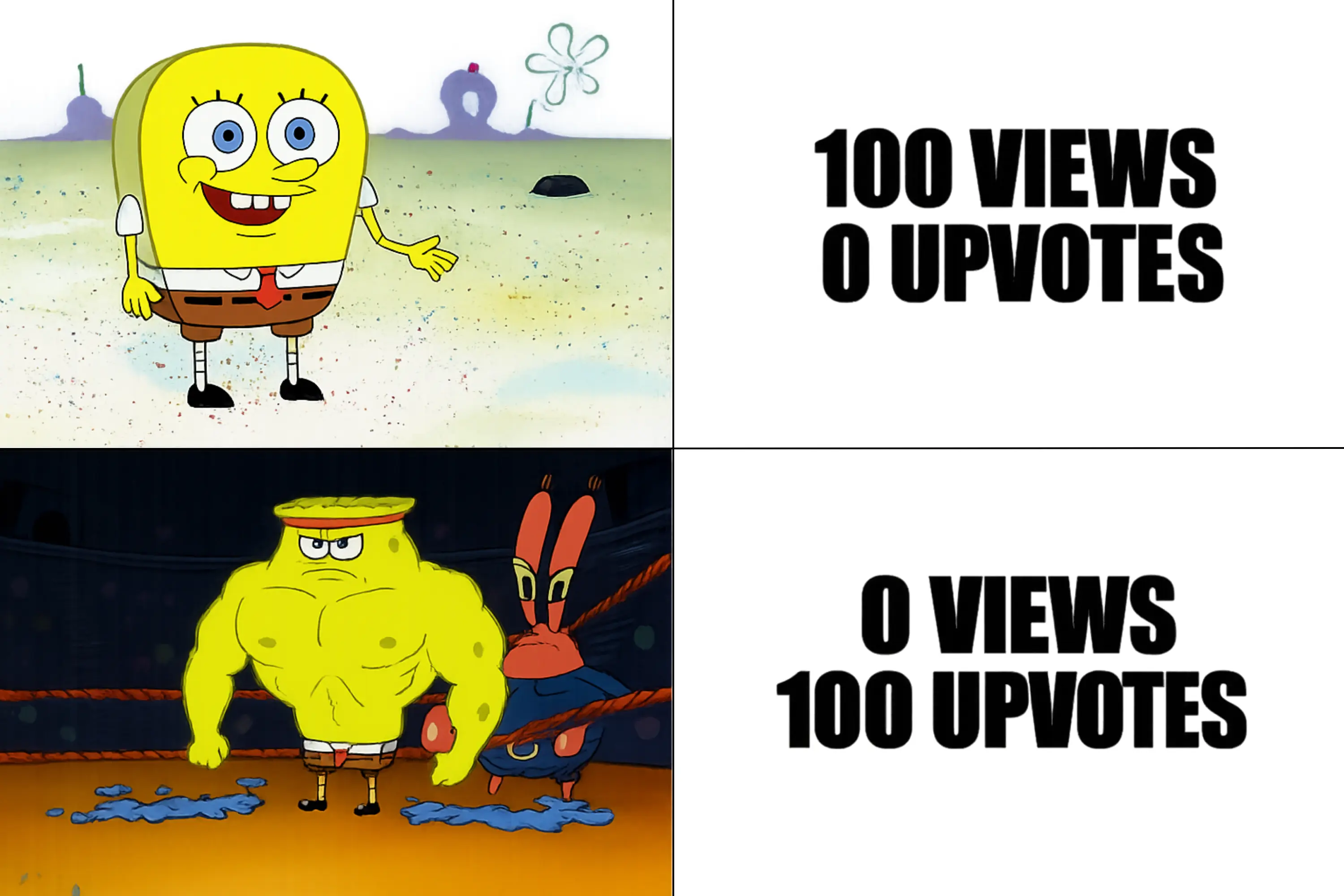
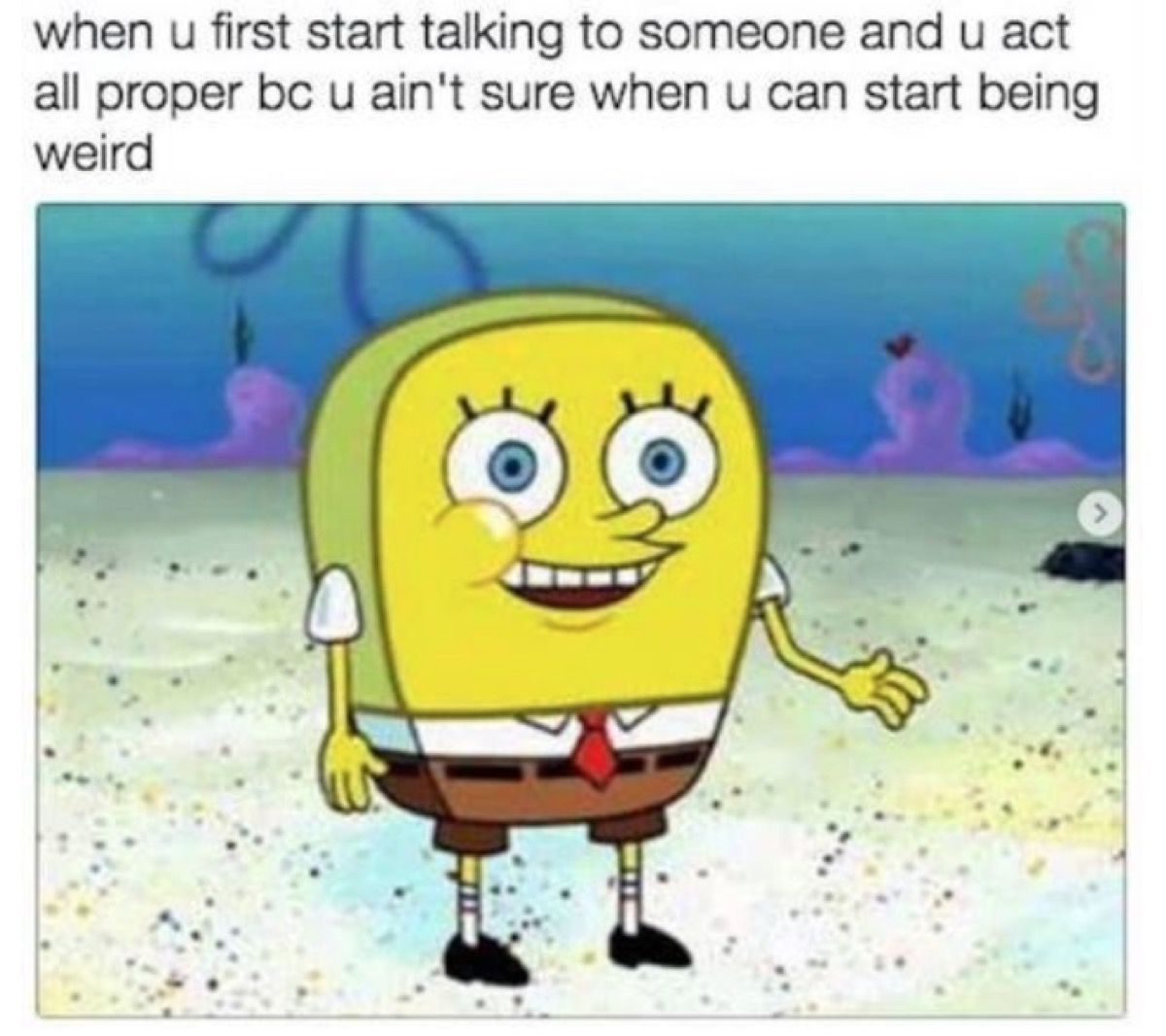
The journey of SpongeBob SquarePants from wholesome television to a cornerstone of edgy meme culture highlights a broader shift in digital communication. Early internet humor relied heavily on macro images with static text. Today, the landscape demands dynamic video edits, deep-fried visual filters, and existential juxtapositions.
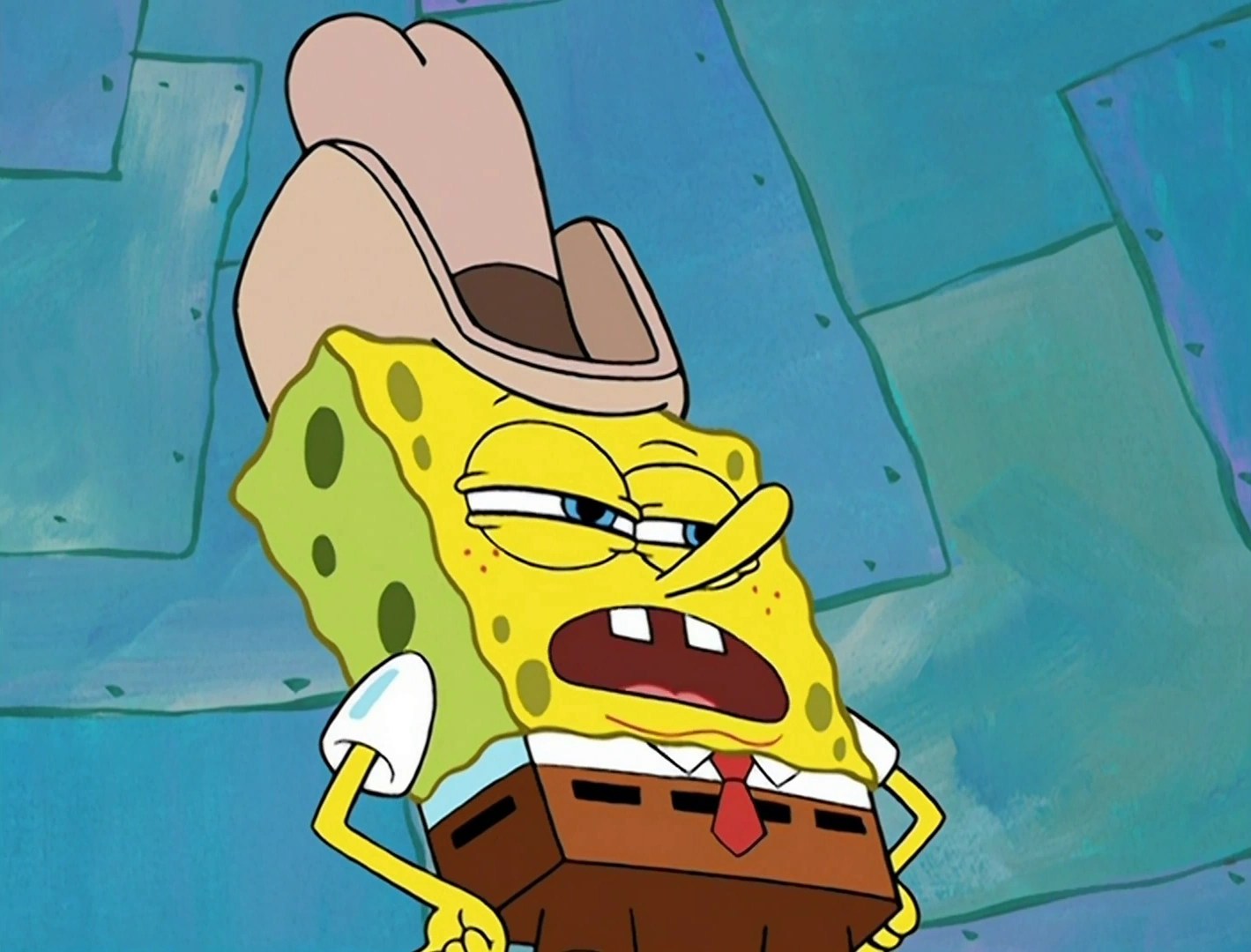
Creators extract single frames from classic episodes, often focusing on grotesque close-ups drawn by animators like John Kricfalusi-inspired artists or late-series directors who embraced hyper-detailed facial expressions. When paired with mature themes, financial anxiety, or millennial disillusionment, these out-of-context frames create a jarring comedic contrast.
- The Nostalgia Factor: Audiences who watched the premier seasons in the late 1990s and early 2000s are now adults facing modern socio-economic pressures.
- Visual Plasticity: The sheer volume of episodes produced since 1999 means nearly every human emotion has a matching facial expression from Patrick Star, Squidward Tentacles, or Mr. Krabs.
- Pacing and Rhythm: Modern short-form video platforms reward rapid cuts and audio mixing, transforming static visual gags into fast-paced sensory experiences.
Core Categories of Subversive Bikini Bottom Content
Content circulating across platforms like TikTok, Reddit, and X is rarely uniform. Analyzing this ecosystem reveals distinct sub-genres, each serving different psychological needs and comedic styles.
| Meme Sub-Genre | Primary Visual Style | Common Thematic Focus | Platform Dominance |
|---|---|---|---|
| Existential Squidward | Low-resolution screenshots of Squidward miserable at work | Burnout, corporate fatigue, Monday morning dread | LinkedIn, X, Reddit |
| Cursed Close-Ups | High-detail, macro-lens shots of character skin/eyes | Unsettling body horror, surrealism, shock value | TikTok, Instagram Reels |
| Greedy Mr. Krabs | Blurry, vibrating images of Mr. Krabs surrounded by cash | Capitalism, inflation, extreme financial frugality | Financial meme pages, Reddit |
| Caveman SpongeBob / Primitive Sponges | Historical or prehistoric variants of the characters | Regressive behavior, lack of impulse control | Discord servers, group chats |
Platform Guidelines and Content Moderation Realities in 2026
Navigating the distribution of edgy internet humor requires understanding current platform algorithms and safety protocols. As artificial intelligence moderation tools mature across major social media ecosystems in 2026, content creators face strict automated filters.
Algorithms scan visual assets for inappropriate context, copyrighted character models, and hidden textual subtext. While mild innuendo often bypasses automated checks, content crossing into explicit territory faces immediate shadowbanning or permanent account removal. Creators must balance edgy themes with platform safety parameters to maintain reach.
Operational Best Practices for Digital Creators
Transformative Use: Ensure that any borrowed animation frames are heavily edited, combined with original audio, or recontextualized to qualify as fair use parody under digital copyright frameworks.
Audience Segmentation: Keep mature or niche humor confined to closed communities, private Discord servers, or age-verified platforms to prevent accidental exposure to younger demographics.
Audio Layering: Utilize royalty-free sound effects and original voiceovers rather than copyrighted television audio tracks to prevent automated copyright strikes and demonetization.
Pros and Cons of Engaging with Subversive Pop Culture Memes
Participating in or analyzing the ecosystem of edgy pop culture parodies offers unique benefits alongside notable creative and professional risks.
- Pros:
- High Engagement: Familiar characters instantly capture user attention, driving exceptional click-through and share rates.
- Community Building: Shared ironies create tight-knit digital tribes and foster strong relational bonds among niche audiences.
- Creative Outlet: Provides a sandbox for developing advanced video editing, audio mixing, and rapid cultural commentary skills.
- Cons:
- Intellectual Property Risks: Major media conglomerates maintain aggressive legal stances regarding the unauthorized monetization of copyrighted characters.
- Brand Safety Concerns: Associating professional brands with adult-leaning internet humor can lead to severe public relations fallout and lost sponsorships.
- Ephemeral Lifespan: Trends cycle rapidly, meaning hyper-specific jokes can age poorly within weeks.
Step-by-Step Guide to Creating Compliant Parody Content
For digital artists and content strategists looking to produce engaging pop culture parodies without violating legal or platform boundaries, a structured production workflow is essential.
- Concept Ideation: Identify a universal human experience, workplace frustration, or cultural moment that mirrors a specific emotional state depicted in classic animation archives.
- Asset Sourcing: Locate high-resolution source material, prioritizing frames that offer ambiguous or exaggerated emotional cues rather than direct, easily flagged copyrighted sequences.
- Deconstruction and Editing: Apply heavy filters, visual distortion, or meme-specific iconography to transform the original artwork into a distinct, recognizable parody.
- Contextual Captioning: Pair the visual asset with sharp, relatable commentary that speaks directly to the target demographic's lived experiences in 2026.
- Distribution and Compliance Check: Verify that the final upload complies with community standards regarding mature themes and intellectual property before publishing to public feeds.
Frequently Asked Questions
Why do classic cartoon characters become targets for edgy internet humor?
Classic animated shows provide a universally recognized visual vocabulary that allows creators to communicate complex adult emotions instantly. Because millions of viewers share childhood memories of these programs, subverting wholesome imagery creates a powerful comedic and nostalgic impact.
Are edgy pop culture memes protected under fair use?
Generally, memes qualify as parody or satire, which receives substantial protection under fair use doctrines. However, commercial exploitation, selling merchandise featuring unauthorized character likenesses, or using exact video clips can trigger copyright infringement claims from media rights holders.
How do modern algorithms detect inappropriate content in cartoon edits?
Advanced computer vision models analyze pixel data for recognizable character geometries alongside text-recognition tools that scan captions and embedded imagery for policy violations. These automated systems flag content long before human moderators review the post.
What distinguishes a cursed image from a standard meme?
Cursed images rely on visceral discomfort, bizarre lighting, and out-of-context realism to provoke shock and confusion. Standard memes, by contrast, rely on relatable narrative structures and predictable emotional punchlines.
Can brands safely utilize edgy nostalgia content in their marketing strategies?
While nostalgic references can boost engagement, utilizing adult-leaning or edgy humor carries significant reputational risk. Brands typically avoid subversive parodies unless their specific target demographic explicitly embraces counter-cultural marketing.
Strategic Outlook and Community Engagement
The cultural footprint of edgy Bikini Bottom humor demonstrates the enduring power of collaborative digital art. As internet communication continues to evolve, the ability to repurpose legacy media into modern satirical commentary remains a defining characteristic of online communities. Creators and analysts who respect platform guidelines, copyright boundaries, and audience expectations will continue to shape the trajectory of digital humor for years to come.
Image Gallery