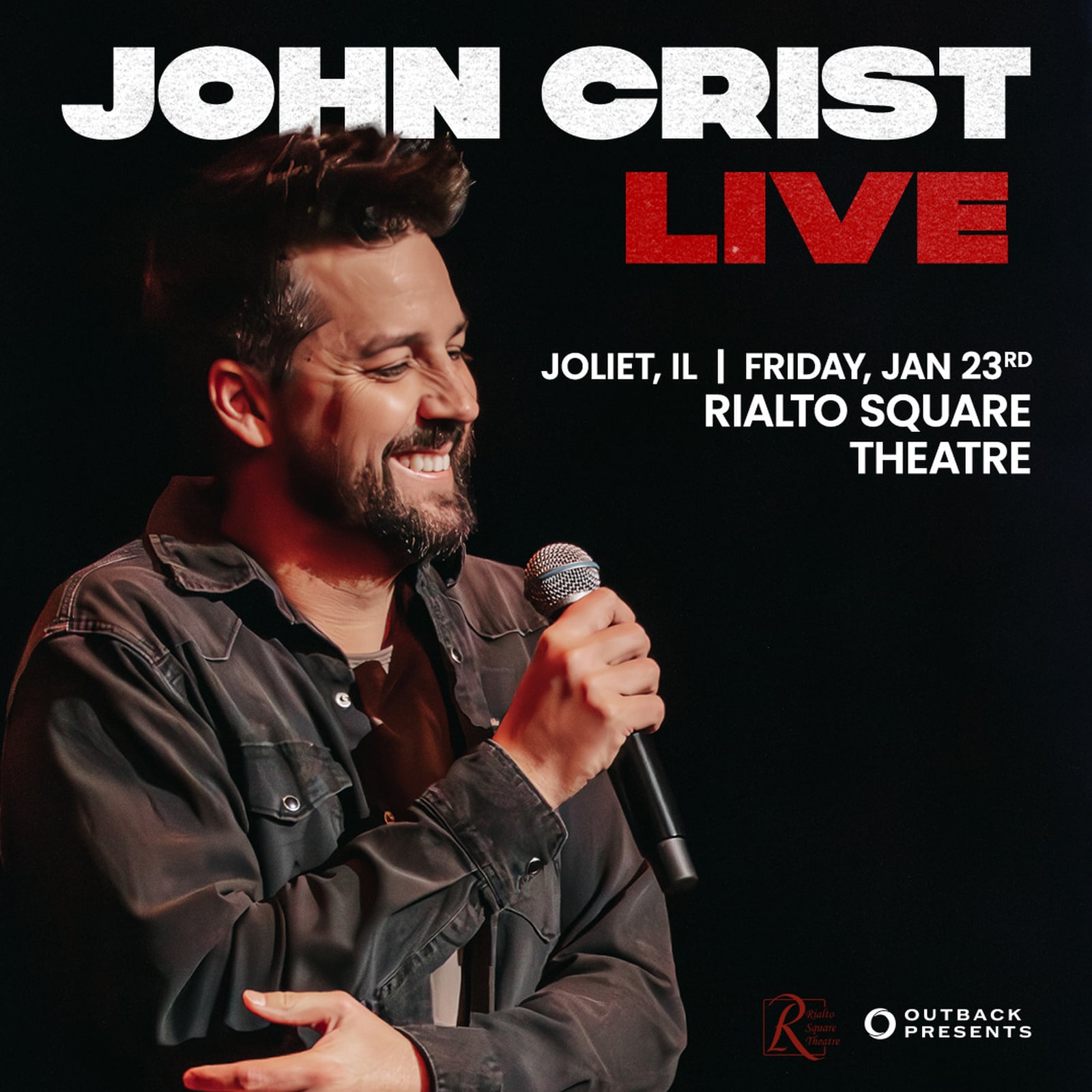
John Crist: The Comedian’s Career, Style, and Cultural Impact
John Crist is an American stand-up comedian and internet personality known for his observational humor that focuses on the quirks of modern evangelical Christian culture, family dynamics, and social media behavior. Since rising to nati...
John Crist is an American stand-up comedian and internet personality known for his observational humor that focuses on the quirks of modern evangelical Christian culture, family dynamics, and social media behavior. Since rising to national prominence through viral video content and extensive touring, he has navigated the complexities of audience expectations, professional controversy, and the evolving landscape of digital comedy in the 2020s.
Contents
The Foundation of a Comedic Style
John Crist’s approach to stand-up comedy is rooted in "insider" humor. Born in Georgia to a father who was a pastor, Crist spent his formative years deeply immersed in the nuances of the church environment. This upbringing provided him with a vast repository of specific vocabulary, cultural tropes, and shared experiences that he would later translate into viral comedic sketches. His style is characterized by a rapid-fire delivery that highlights the dissonance between the serious, rigid structures of religious life and the absurd realities of daily human interaction.
Unlike comedians who target religious institutions with malice, Crist’s humor is often classified as "clean" or "observational." By focusing on themes like the awkwardness of small-town church youth groups, the pressure to maintain a perfect social media persona, and the common pitfalls of dating, he appeals to a broad demographic. His work serves as a reflection of the "millennial church" experience, documenting everything from the exhaustion of modern parenting to the performative nature of Instagram influencer culture.
Rise to Digital Prominence
The trajectory of Crist’s career shifted dramatically with the advent of high-engagement video platforms. While he had been touring stand-up clubs and theaters for years, his transition into digital media allowed him to bypass traditional gatekeepers. Platforms like Facebook, Instagram, and YouTube became the primary delivery systems for his short-form comedy sketches.
His sketches typically utilize a simple, recognizable format: a relatable scenario—such as an "Every Pastor" character or an "Aggressive Small Group Member"—pitted against a mundane life obstacle. By keeping the production quality high enough to be professional but raw enough to feel authentic, Crist built a massive, highly engaged digital audience. This model of comedy—where the comedian functions as their own production studio and distribution network—has become the standard for creators in 2026.
Navigating Controversy and Public Scrutiny
As with many public figures who transition from niche internet popularity to mainstream recognition, Crist faced significant challenges in 2019. Reports concerning his personal life and conduct led to a temporary hiatus from public performance and social media. This period marked a transition in his career, forcing a recalibration of his public image and professional strategy.
The resolution of these events involved a public acknowledgment of personal struggles, a temporary withdrawal from the public eye, and an eventual return to the stage. For his audience, this period served as a case study in modern celebrity accountability. It highlighted the tension between the curated persona of a content creator and the reality of a person’s private life. Since his return, Crist has addressed these experiences with a blend of self-deprecation and transparency, incorporating his time away into his stand-up sets as a means of processing the fallout and re-establishing his relationship with his fanbase.
The Economic Model of a Touring Comedian
In 2026, John Crist’s career is primarily sustained by two pillars: digital content and a rigorous national touring schedule. The economic model for comedians in this bracket relies heavily on the "funnel effect." Short-form viral videos serve as the marketing engine that drives ticket sales for live performances.
Unlike traditional television or movie actors, independent comedians of this stature often manage their own brand, creative output, and merchandise. This provides greater autonomy but requires constant engagement with algorithms and fan communities.
| Feature | Description |
|---|---|
| Primary Genre | Observational, Clean, Satirical |
| Key Themes | Church culture, parenting, social media, dating |
| Distribution | Independent digital platforms, live touring |
| Performance Style | Rapid-fire monologue, character-based sketches |
| Target Audience | Millennials, religious communities, general family audience |
Evolving Themes in the 2026 Landscape
As of 2026, the content produced by John Crist has matured to reflect the changing priorities of his audience. While the "church humor" that launched his career remains a central component, his later work explores the challenges of balancing professional ambition with personal health. The shift is noticeable in both his tone and his subject matter, moving from strictly observational humor about others to more introspective looks at his own journey.
This evolution is critical for any comedian aiming for longevity. Audiences often tire of static content; by evolving his set to include themes like mental health, the pressures of the entertainment industry, and the lessons learned during his time away from the spotlight, he maintains relevancy. He continues to perform in sold-out venues, demonstrating that his core audience remains loyal despite the changes in the media landscape.
Frequently Asked Questions
Is John Crist considered a "clean" comedian? Yes, John Crist is generally categorized as a clean comedian. His sets avoid profanity and vulgarity, focusing instead on relatable social observations. While his humor touches on mature themes like dating and life stressors, it is designed to be accessible to a wide audience, including families and religious groups.
How did John Crist become famous? Crist gained fame through social media. He produced short, relatable video sketches on platforms like YouTube and Instagram that parodied common experiences within Christian church culture. These videos went viral, creating a massive digital following that translated into successful live touring across the United States.
Does John Crist still produce content about church culture? Yes, church-related humor remains a staple of his work. While he has expanded his repertoire to include broader social observations about modern life, parenting, and technology, his foundational sketches about church life are still highly requested by his fanbase and remain a central pillar of his live performances.
What is the best way to see John Crist perform live? The most effective way to see him is through his official website or verified ticketing platforms. In 2026, he continues to tour extensively. Because his shows frequently sell out, it is recommended to join his email list or follow his verified social media channels for tour announcements, pre-sale codes, and venue information.
How has John Crist’s comedy changed over time? His comedy has shifted from pure observational parody to a more personal, storytelling-based approach. While he maintains his signature pace, the content is more reflective of his own life experiences, including his career highs and the public challenges he faced. This adds a layer of depth that resonates with long-time followers.
Recommendation for New Fans
For those new to the work of John Crist, the best point of entry is his recent long-form stand-up specials. These performances provide a more comprehensive view of his stage presence and comedic timing compared to the short-form snippets found on social media. Watching his latest work will offer the best understanding of his current style and the evolution of his career. To keep up with his schedule, check his official website directly, as this remains the most reliable source for verified tour dates and project announcements.
Image Gallery