Finding a Dog Aquatic Center Near You: A Complete Guide to Canine Hydrotherapy and Recreational Pools
Finding a reputable dog aquatic center near you involves identifying whether your dog requires clinical hydrotherapy, post-operative rehabilitation, fitness cross-training, or recreational swimming. Use veterinary directories, speciali...
Finding a reputable dog aquatic center near you involves identifying whether your dog requires clinical hydrotherapy, post-operative rehabilitation, fitness cross-training, or recreational swimming. Use veterinary directories, specialized sports facilities, and professional organizations to locate vetted centers, then verify water sanitation methods, staff certifications, facility accessibility, and mandatory medical clearance before booking your dog's first session.
Contents
Canine aquatic centers have expanded well beyond niche veterinary hospitals into dedicated wellness and sports facilities. Water offers a low-impact, buoyant medium that reduces weight-bearing stress on joints while delivering cardiovascular conditioning and muscle strengthening. Whether you are managing an arthritic senior dog, rehabilitating a cruciate ligament injury, or looking for a safe space to introduce a puppy to swimming, choosing the right aquatic facility requires understanding the different types of centers, their technical standards, and their safety protocols.
Identifying Your Dog's Specific Swimming Needs
Before starting your search, clarify the primary goal of your dog's water sessions. Aquatic centers generally fall into three distinct categories, each designed with different equipment, water temperatures, and staffing credentials.
- Primary Aquatic Purpose
- Clinical Hydrotherapy
- Underwater treadmills
- 88°F–92°F heated water
- Post-op & neurological care
- Supervised by CCRP/CCFT
- Assisted Fitness Swim
- Resistance pools
- 84°F–88°F water
- Weight loss & conditioning
- Handled by trained swim techs
- Recreation & Dock Diving
- Long recreational pools
- 78°F–84°F water
- Self-serve or sports practice
- Unassisted owner-led splash
- Clinical Hydrotherapy
Clinical Rehabilitation and Hydrotherapy
Clinical hydrotherapy facilities are medical environments staffed by certified canine rehabilitation practitioners (CCRP) or licensed veterinary physical therapists. These centers focus on dogs recovering from orthopedic surgeries (such as cranial cruciate ligament repairs or femoral head ostectomies), managing neurological disorders (like degenerative myelopathy or intervertebral disc disease), or treating severe osteoarthritis.
These facilities rely heavily on underwater treadmills and heated resistance pools maintained between 88°F and 92°F (31°C to 33°C). Warm water increases tissue elasticity, improves joint range of motion, and stimulates blood circulation while relaxing spastic muscles. Sessions in clinical centers are closely monitored with structured gait analysis, timed intervals, and hands-on professional support in the water.
Supervised Fitness and Conditioning
Conditioning centers serve working dogs, canine athletes (such as agility or flyball competitors), and overweight dogs needing structured calorie burning without joint strain. These facilities often feature warm-water pools with adjustable resistance jets.
While the dog may not have an active medical pathology, swim sessions are typically assisted by trained canine hydrotherapists who fit personal flotation devices (PFDs), guide the dog's movement, and prevent panic-induced paddling techniques that can strain the cervical spine or hip joints.
Recreational Swimming and Canine Sports
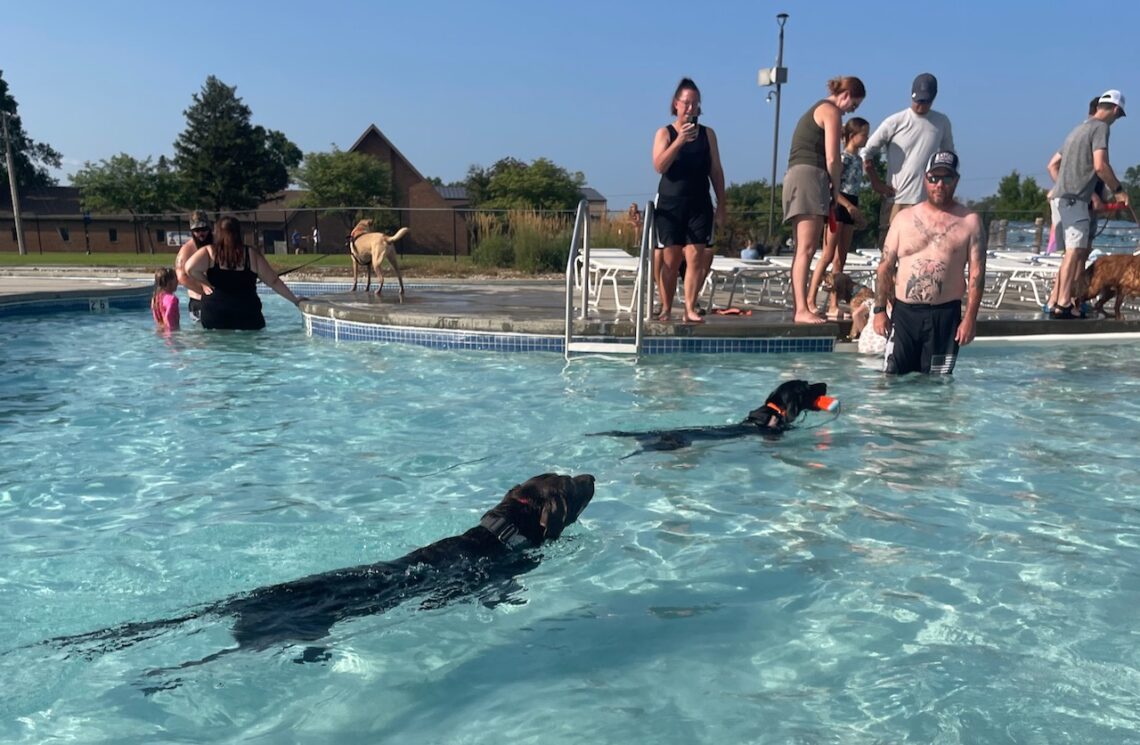
Recreational centers cater to dogs that swim purely for fun, mental stimulation, or competition training like dock diving. These pools are usually larger, unheated or mildly heated (78°F to 84°F / 25°C to 29°C), and designed for high-energy play.
Recreational facilities may offer private rental slots where owners handle their own dogs from pool decks, or public splash sessions where multiple dogs interact. Dock diving venues feature regulation 40-foot pools with specialized traction decks built to standards set by organizations like North America Diving Dogs (NADD).
How to Search for Reputable Canine Aquatic Facilities
Locating a high-quality aquatic center requires looking beyond standard search engine maps, which frequently group commercial dog boarding kennels with standard plastic kiddie pools under the broad label of "dog pool."
1. Consult Professional Directories
The most reliable way to find therapeutic-grade aquatic centers is through professional certification registries:
- Association of Canine Water Therapy (ACWT): Lists independent practitioners who adhere to strict safety, sanitation, and handling codes.
- Canine Rehabilitation Institute (CRI): Maintains an international registry of Certified Canine Rehabilitation Therapists (CCRT) and Assistants (CCRA).
- University of Tennessee CCRP Directory: Lists veterinary professionals certified in canine rehabilitation through the University of Tennessee's post-graduate program.
2. Request Referrals from Veterinary Specialists
Board-certified veterinary surgeons, veterinary sports medicine specialists (DACVSMR), and primary care veterinarians work closely with local rehabilitation centers. They know which facilities provide detailed progress notes, maintain sterile conditions, and employ credentialed hydrotherapists.
3. Check Dedicated Canine Sport Centers
If your goal is recreation, dock diving, or athletic conditioning, browse the facility locators on canine sports league websites, such as North America Diving Dogs or Splash Dogs. These facilities operate full-sized regulation pools and frequently offer open-swim time or introductory swimming lessons for non-competing family pets.
Essential Facility Standards and Safety Vetting
Not all dog pools maintain safe operating conditions. Dogs introduce hair, dander, bacteria, and oils into pool water at rates exponentially higher than human swimmers. When touring or vetting a facility, evaluate the following structural and operational elements.
Water Sanitation and Filtration
Canine pools require commercial-grade turnover rates and filtration systems capable of processing dense pet hair without clogging.
- Filtration Type: Standard residential pool filters are inadequate. Look for facilities using heavy-duty sand, glass-media, or multi-cyclonic filtration paired with commercial skimmers.
- Sanitation System: Traditional high-chlorine pools can dry out canine skin, cause chemical burns to paw pads, and irritate eyes and mucous membranes. The best facilities use secondary sanitation, combining low-dose chlorine or bromine with ultraviolet (UV) sterilization systems or ozone generators. Ozone and UV neutralize pathogens instantly on contact, minimizing the chemical concentration needed in the pool.
- Water Testing Logs: A well-managed facility tests and records chemical balance, pH (ideally 7.2 to 7.6), and sanitizer levels multiple times per day.
Entry and Exit Infrastructure
The method of getting into and out of the water is critical for joint protection and panic prevention.
- Ramps vs. Steps: Facilities must provide wide, gently sloping ramps coated with non-slip rubber, textured marine carpet, or heavy-duty polyurethane mesh. Steep stairs or slippery surfaces can cause traumatic hyperextension injuries in compromised dogs.
- Lifts and Hoists: Clinical hydrotherapy centers treating non-ambulatory dogs (such as post-op spinal patients) should have overhead hoists or hydraulic platforms to safely lower the animal into the water without physical struggle.
Staff Credentials and Emergency Protocols
Ask whether the staff members supervising the pool possess formal training in canine body language, safe handling, and animal CPR. At least one person on-site during every session should hold a current certification in Pet First Aid and Canine CPR from organizations like the American Red Cross or Pet Emergency Education.
For rehabilitation cases, confirm that staff work under the direct or indirect supervision of a licensed veterinarian, complying with the veterinary practice act applicable to your state or jurisdiction.
Canine Aquatic Center Types Compared
| Feature | Clinical Hydrotherapy Center | Assisted Fitness Center | Recreational / Dock Diving Pool |
|---|---|---|---|
| Primary Goal | Medical rehabilitation, pain reduction, neurological recovery | Weight management, muscle conditioning, cross-training | Play, socialization, mental enrichment, sport training |
| Typical Equipment | Underwater treadmill, warm-water pool with swim jets | Resistance pool, balance props, entry ramps | 40-foot regulation pool, dock platform, ramp entry |
| Water Temperature | 88°F – 92°F (Heated) | 84°F – 88°F (Moderately heated) | 78°F – 84°F (Ambient to mildly heated) |
| Staff Supervision | One-on-one with CCRP, CCRT, or licensed physical therapist | One-on-one with trained canine hydrotherapist | Self-supervised by owner or attended by lifeguard/pool tech |
| Veterinary Referral | Almost always mandatory | Occasionally requested | Rarely required |
| Average Cost per Session | $75 – $150 (30–45 mins) | $45 – $80 (30 mins) | $30 – $60 (30–60 mins private rental) |
Health Requirements and Prerequisites Before Booking
Reputable facilities maintain rigorous intake policies to protect all animals in the facility. Expect to complete several prerequisites before your dog enters the water.
1. Veterinary Health Clearance
Clinical and fitness facilities will require a signed referral or health clearance form from your dog's veterinarian. This document confirms that your dog is free of cardiovascular contraindications, respiratory compromise, or unmanaged systemic illnesses that could turn swimming into a medical emergency.
2. Core Vaccinations and Parasite Screening
To enter shared aquatic facilities, dogs must have current vaccination records. Common requirements include:
- Rabies (mandatory by law in most jurisdictions)
- DHPP / DA2PP (Distemper, Hepatitis/Adenovirus, Parvovirus, Parainfluenza)
- Bordetella bronchiseptica (kennel cough)
- Leptospirosis (critical for water environments)
- Negative fecal test (including Giardia antigen screen) completed within the preceding 6 to 12 months
3. Skin and Wound Restrictions
Dogs with open wounds, surgical incisions that have not healed completely, active hot spots, ear infections, or contagious skin conditions (like ringworm or sarcoptic mange) are barred from pool entry. If your dog is recovering from surgery, aquatic therapy cannot begin until sutures or staples have been removed and your surgeon confirms the incision site is fully epithelialized and sealed.
Step-by-Step: Preparing Your Dog for Their First Aquatic Session
Proper preparation ensures your dog's initial session is stress-free, physically productive, and safe.
Step 1: Manage Feeding Schedules
Never feed your dog a full meal within three to four hours prior to a swim session. Swimming on a full stomach drastically increases the risk of gastric dilatation-volvulus (GDV or bloat), particularly in deep-chested breeds like German Shepherds, Great Danes, and Standard Poodles. A light treat reward during the session is acceptable, but heavy meals must wait until well after the dog has rested post-swim.
Step 2: Plan Thorough Elimination Walks
Arrive 15 minutes before your scheduled appointment to walk your dog around the designated relief area. Ensure your dog empties both bladder and bowels before entering the building. Fecal accidents in a commercial canine pool trigger immediate closures, chemical shock treatments, and extensive filtration cycles, which typically incur sanitation fees ranging from $100 to $300 charged to the owner.
Step 3: Pre-Swim Rinsing and Coat Preparation
Brush out your dog's coat at home to remove loose fur, undercoat, and surface dirt. Most facilities provide an on-site wash station where you will give your dog a quick warm-water rinse to remove environmental debris, topical products, and dust before entering the pool water.
Step 4: Equip with Proper Safety Gear
Even if your dog is an experienced swimmer in natural bodies of water, pools present artificial boundaries, walls, and deep water without shorelines. A well-fitted canine life jacket with a sturdy dorsal rescue handle allows handlers to guide body position, support the pelvis, and assist with smooth exits onto ramps. High-end facilities supply commercial life jackets, but bringing your dog's own ensures an exact fit.
- 3–4 Hours Prior: Stop Feeding
- 15 Mins Prior: Arrive & Walk (Eliminate Bladder)
- On-Site Pre-Rinse & Brushing
- Fit PFD & Begin Slow Ramp Walk
- Post-Swim Rinse, Ear Drying, & Thermal Rest
Step 5: Post-Swim Care and Ear Management
Chlorinated or treated water trapped in the canine ear canal creates a moist, dark environment ideal for yeast and bacterial proliferation. Always pack a clean towel and an EPA- or vet-approved drying ear cleaner containing an astringent (such as salicylic acid or isopropyl alcohol formulated for veterinary use). Flush and dry both ears immediately following the post-swim rinse.
Red Flags to Watch for When Choosing a Facility
Avoid facilities that exhibit any of the following warning signs during your initial research or site tour:
- Strong, Choking Chlorine Smell: A pungent "pool smell" is not evidence of cleanliness; it indicates the presence of chloramines—byproducts formed when chlorine binds with organic contaminants like urine, dander, and sweat. High chloramine levels cause severe eye and airway inflammation in dogs.
- Forced Entry or "Flooding": Never allow staff to throw, push, or drag a hesitant dog into the water. Reputable hydrotherapists use desensitization, positive reinforcement, and gentle luring. Forcing a dog into deep water causes acute psychological panic and can lead to water aspiration.
- No Medical Records or Waivers Requested: A center that allows unfamiliar dogs to enter their pool without verifying vaccination records, medical history, or surgical status is not maintaining basic biosecurity protocols.
- Unrestricted Multi-Dog Free-For-Alls: Unless you are attending a strictly managed dock diving league event, private or single-household swim slots are standard. Uncontrolled group swims drastically increase the risk of dog fights, accidental clawing injuries, and panicking dogs climbing on top of each other in deep water.
Frequently Asked Questions
Can swimming replace regular walking and physical therapy for an arthritic dog?
Swimming serves as an exceptional complementary exercise, but it does not completely replace controlled terrestrial movement. While water removes the concussive impact on joint cartilage and builds stabilizing muscle groups, dogs still require controlled weight-bearing exercise on land to preserve bone density, maintain proprioceptive pathways (neurological body awareness), and support normal nail wear. A balanced regimen combines veterinary-supervised hydrotherapy with short, flat, non-slip leash walks.
How warm should the water be for canine physical rehabilitation?
For physical rehabilitation and pain relief, water temperatures must remain between 88°F and 92°F (31°C to 33°C). Water colder than 84°F causes peripheral vasoconstriction, shivering, and muscle tension, which directly counteracts physical therapy goals. Conversely, recreational dock diving pools can safely operate between 78°F and 84°F, as active, sprinting dogs generate internal body heat and are at risk of overheating in therapeutic-grade warm water.
What should I do if my dog is terrified of water?
Never force an anxious dog into the pool. Look for an aquatic center that offers "introductory splash sessions" or positive-reinforcement acclimation visits. A professional hydrotherapist will start on a dry ramp with high-value rewards, progress to shallow standing water where the paws are barely submerged, and gradually build positive associations over multiple brief sessions before introducing floating or swimming movements.
Is water intoxication a real risk during recreational swimming?
Yes. Hyponatremia, commonly known as water intoxication, occurs when a dog inadvertently swallows excessive amounts of pool water while retrieving toys or biting at water splashes. This sudden intake dilutes extracellular sodium levels, leading to cellular swelling, lethargy, vomiting, dilated pupils, seizures, and potentially fatal cerebral edema. To prevent this, use flat floating toys rather than balls that force the jaw wide open, limit fetch sessions to 10-minute intervals, and observe your dog closely for excessive gulping.
How much do sessions at a canine aquatic center typically cost?
Recreational self-service pool rentals generally cost between $30 and $60 per 30-minute block. Assisted conditioning or fitness swims guided by a pool handler typically range from $45 to $80 per session. Medical-grade clinical hydrotherapy using underwater treadmills or physical therapist-led pools ranges from $75 to $150 per session, depending on whether an initial physical therapy assessment and gait analysis are included. Many facilities offer multi-session packages that reduce the per-visit cost.
Practical Next Steps for Dog Owners
Begin by contacting your primary care veterinarian to confirm that aquatic exercise is medically appropriate for your dog's current physical condition, especially if your pet has pre-existing cardiovascular, respiratory, or joint issues. Once cleared, request a copy of your dog's up-to-date vaccination and fecal records.
Search the Canine Rehabilitation Institute or Association of Canine Water Therapy directories to compile a list of 2 to 3 facilities within your driving radius. Call each facility to schedule a preliminary tour without your dog present. Inspect their filtration systems, verify that water temperatures match your dog's specific needs, and confirm that all staff handling pool sessions hold valid canine CPR credentials before scheduling your dog's intake evaluation.
Image Gallery