The Ford Triton 6.8L V10 RV Engine: Performance, Power Specifications, and Ownership Guide
The Ford 6.8-liter Triton V10 engine served as the primary gasoline powertrain for North American recreational vehicles for over two decades. Delivering up to 362 horsepower and 457 lb-ft of torque in its peak configurations, this natu...
The Ford 6.8-liter Triton V10 engine served as the primary gasoline powertrain for North American recreational vehicles for over two decades. Delivering up to 362 horsepower and 457 lb-ft of torque in its peak configurations, this naturally aspirated modular V10 powered the majority of Class A and Class C motorhomes built on Ford F-53 and E-Series chassis between 1997 and 2020.
Contents
Technical Overview of the Ford 6.8L Triton V10 Engine
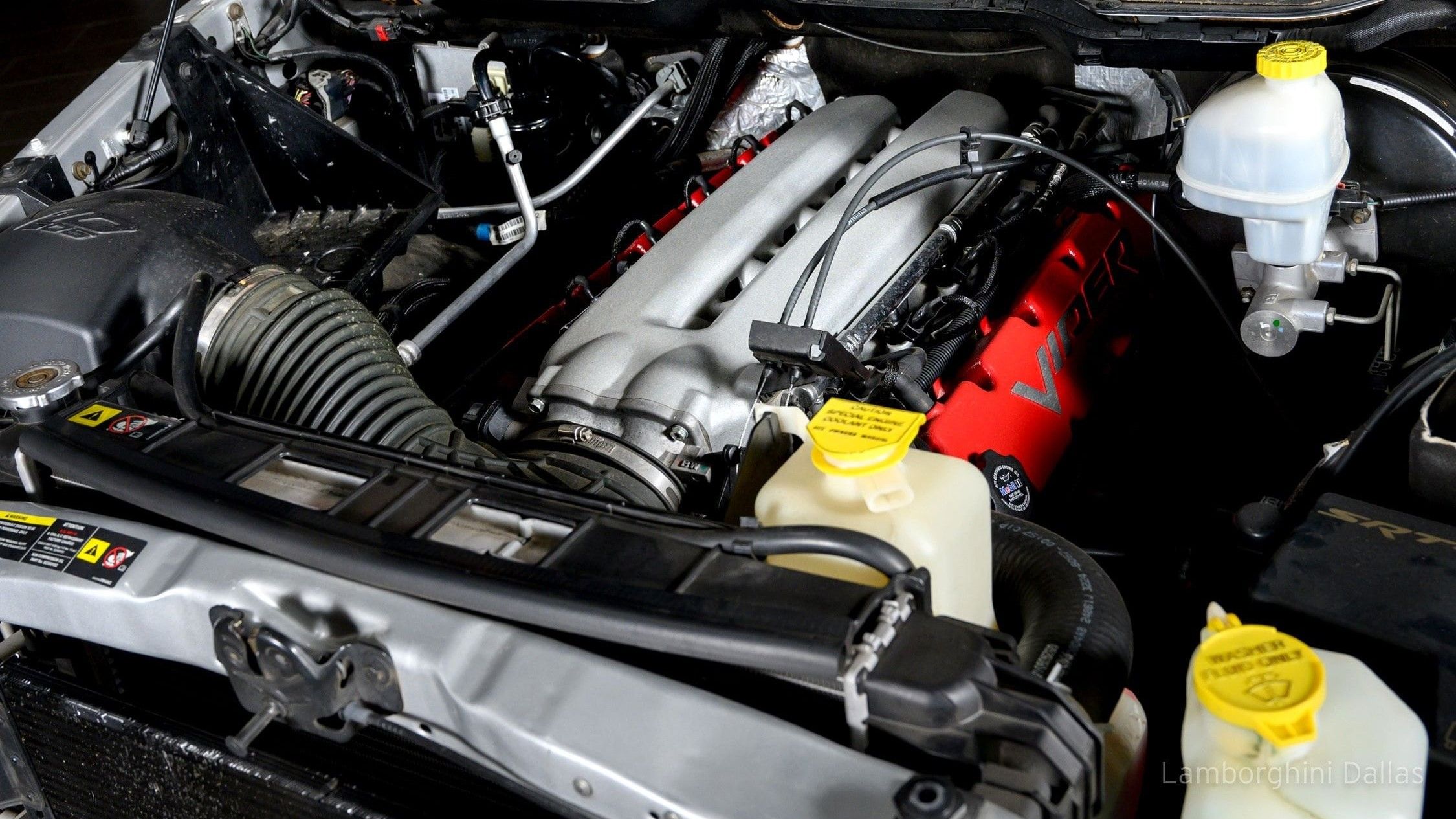
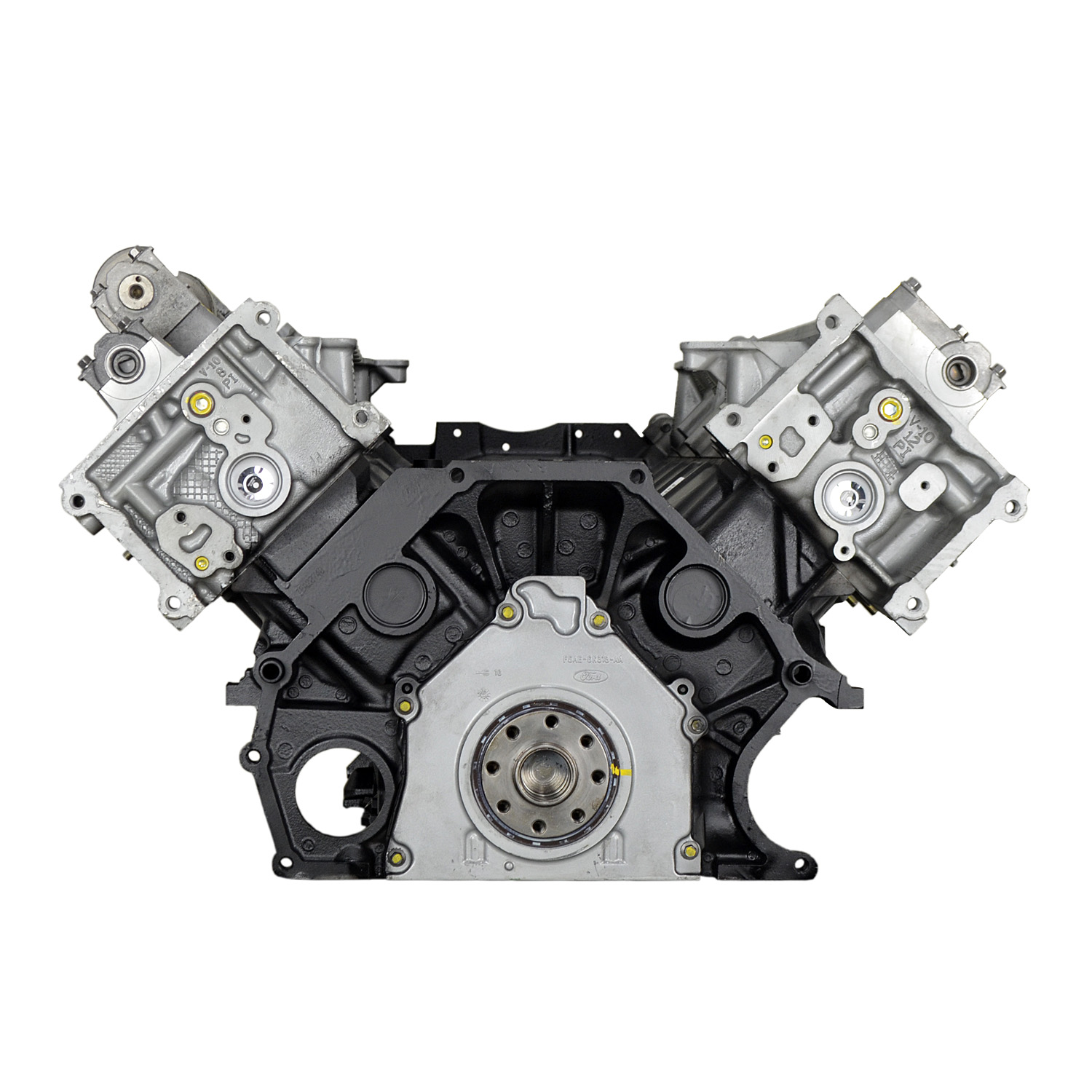
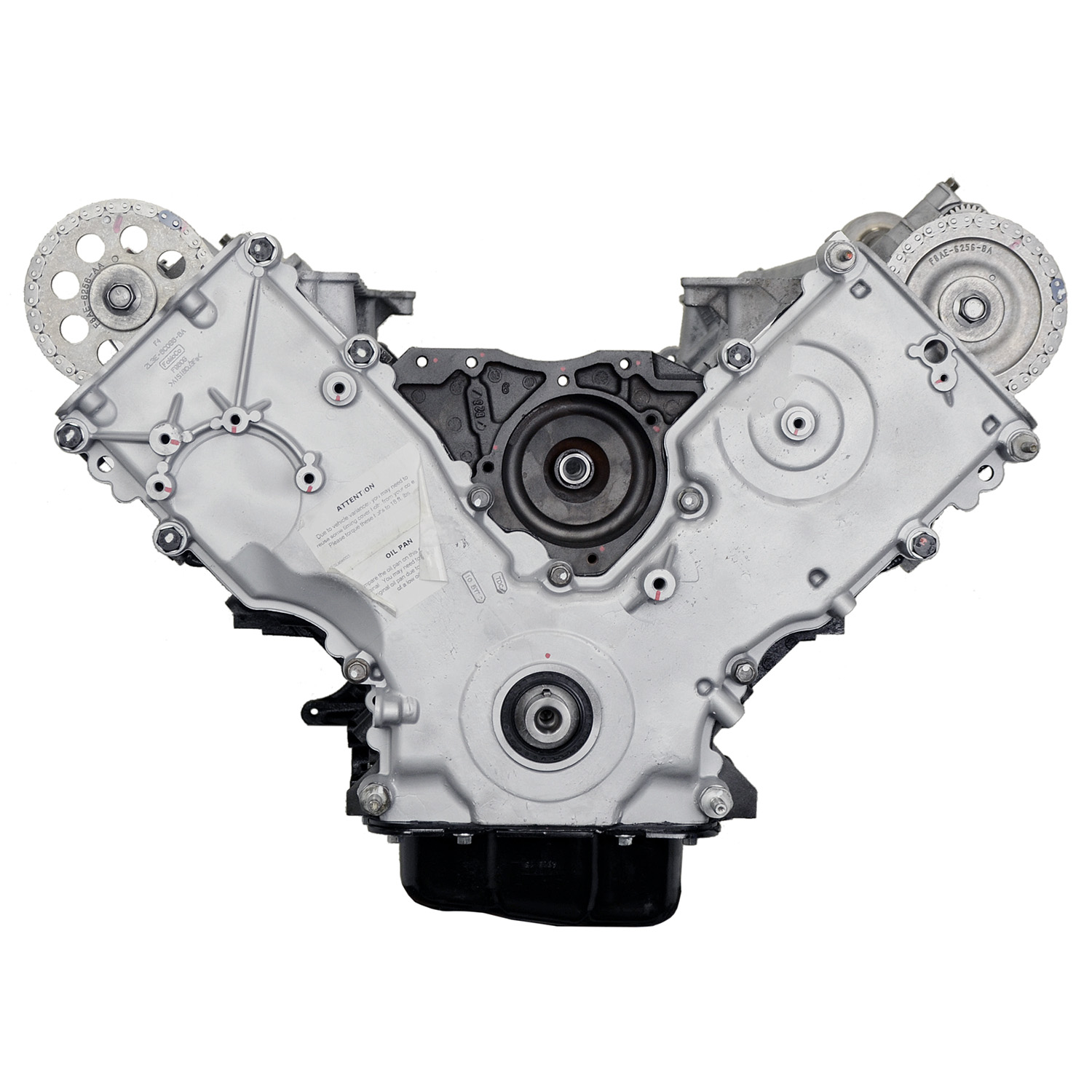
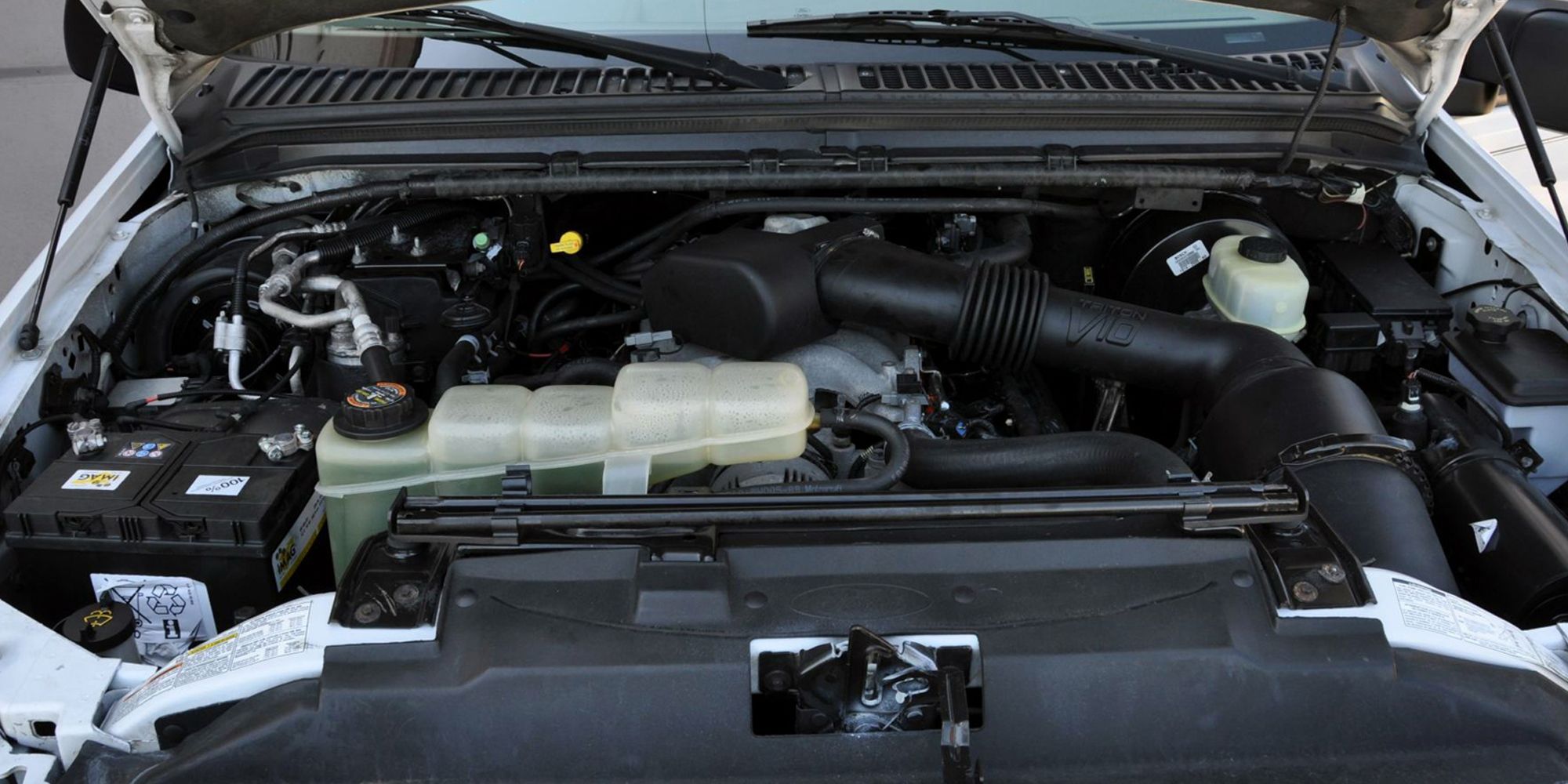
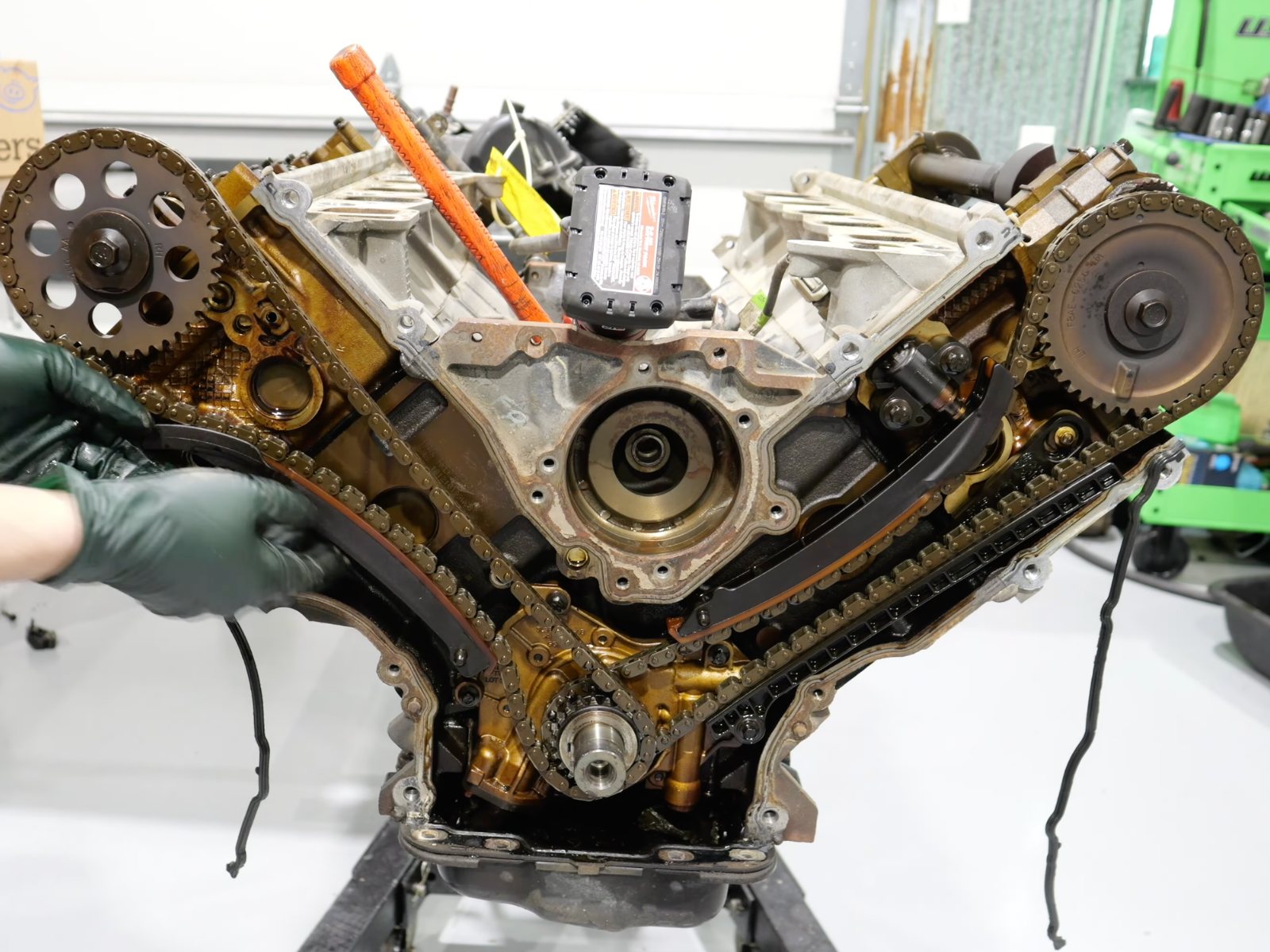
The Ford Triton 6.8L V10 is a 90-degree, single overhead camshaft (SOHC) engine built on Ford’s modular engine family architecture. Introduced in 1997 to replace the aging 7.5L 460-cubic-inch pushrod V8, the 6.8L V10 was specifically engineered to deliver heavy-duty commercial torque across a broad operating band while maintaining standard automotive assembly standards.
To achieve smooth balance within a 90-degree V10 configuration without requiring an excessively large engine block, Ford incorporated a counter-rotating balance shaft located in the right-hand cylinder head. The engine uses a cast-iron cylinder block with deep-skirt main bearing caps alongside aluminum cylinder heads to manage heat dissipation during sustained heavy loading.
Ford 6.8L Triton V10 Architecture:
- 2-Valve (2V) Variant
- SOHC, 20 total valves
- E-350 / E-450 Class C
- Max Power: 305 hp
- 3-Valve (3V) Variant
- SOHC with VCT / 30 valves
- F-53 Class A Chassis
- Max Power: 362 hp
Over its multi-decade production run, Ford developed two primary valve-train architecture configurations for RV applications:
- 2-Valve per Cylinder (2V SOHC): Utilized primarily in E-Series (E-350 and E-450) cutaway chassis commonly found under Class C motorhomes. The tighter engine bay clearance of the E-Series doghouse housing dictated the use of the smaller 2V head profile.
- 3-Valve per Cylinder (3V SOHC): Introduced for the F-53 strip chassis in 2005 (powering Class A motorhomes) and select F-550 applications. Featuring Variable Cam Timing (VCT) on later iterations and dual intake valves per cylinder, the 3V configuration significantly increased airflow, top-end horsepower, and low-end torque.
Engine Power Output and Torque Specifications by Variant
Power output for the 6.8L Triton V10 varied depending on the model year, head architecture, electronic tuning, and target chassis platform. Unlike light-duty passenger vehicle engines designed for short bursts of acceleration, the Triton V10 was calibrated to sustain sustained load demands, such as climbing mountain passes at maximum gross vehicle weight ratings (GVWR).
Horsepower & Torque Evolution by Engine Generation:
- 3V F-53 (Class A): 362 HP @ 4750 RPM | 457 lb-ft
- Late 2V (Class C): 305 HP @ 4250 RPM | 420 lb-ft
- Early 2V (1997-1999): 275 HP @ 4250 RPM | 410 lb-ft
2-Valve (2V) Specifications (Class C Focus)
- Early 2V (1997–1999): Generated 275 horsepower at 4,250 RPM and 410 lb-ft of torque at 3,250 RPM. Paired with the 4R100 4-speed automatic transmission.
- Updated 2V (2000–2019): Output increased to 305 horsepower at 4,250 RPM and 420 lb-ft of torque at 3,250 RPM due to revised intake manifold geometry and cylinder head flow revisions.
3-Valve (3V) Specifications (Class A Focus)
- 3V (2005–2019 F-53 Motorhome Chassis): Output reached 362 horsepower at 4,750 RPM and 457 lb-ft of torque at 3,250 RPM.
- Late 3V Derate (2016–2019 Commercial Calibrations): Later commercial chassis specs tuned the engine to 320 horsepower at 3,900 RPM and 460 lb-ft of torque at 3,000 RPM to meet tighter heavy-duty emissions rules while improving low-RPM pull.
Transmission Pairing and Power Delivery
Power delivery in the Ford V10 evolved considerably based on transmission engineering:
- 4R100 4-Speed Automatic (1997–2004): Features wide gear splits, requiring the V10 to rev higher into its power band during hill climbs.
- 5R110W TorqShift 5-Speed Automatic (2005–2015): Added a lower first gear and progressive gear steps, improving off-the-line launch and towing stability.
- 6R140 TorqShift 6-Speed Automatic (2016–2020): Added an additional overdrive gear, lowering cruise RPM at highway speeds, reducing cab noise, and refining overall fuel delivery efficiency.
Performance Table: Ford 6.8L V10 Engine Specifications
| Feature / Specification | 2-Valve SOHC V10 (E-350 / E-450) | 3-Valve SOHC V10 (F-53 Class A) |
|---|---|---|
| Displacement | 6.8 Liters (415 CID / 6,760 cc) | 6.8 Liters (415 CID / 6,760 cc) |
| Bore x Stroke | 3.55 in x 4.17 in (90.2 mm x 105.8 mm) | 3.55 in x 4.17 in (90.2 mm x 105.8 mm) |
| Compression Ratio | 9.0:1 | 9.2:1 |
| Peak Horsepower | 305 hp @ 4,250 RPM | 362 hp @ 4,750 RPM |
| Peak Torque | 420 lb-ft @ 3,250 RPM | 457 lb-ft @ 3,250 RPM |
| Valvetrain Layout | SOHC, 2 valves per cylinder | SOHC, 3 valves per cylinder (VCT) |
| Chassis Applications | Class C (Ford E-Series Cutaway) | Class A (Ford F-53 Motorhome Chassis) |
| Fuel System | Sequential Multi-Port Electronic Fuel Injection | Sequential Multi-Port Electronic Fuel Injection |
| Oil Capacity | 6.0 Quarts (with filter change) | 7.0 Quarts (with filter change) |
| Recommended Fuel Grade | 87 Octane Unleaded Gasoline | 87 Octane Unleaded Gasoline |
| Typical Transmission | 4R100 / 5R110W / 6R140 | 5R110W / 6R140 TorqShift |
Practical RV Performance: Towing, Fuel Economy, and Mountain Driving
Evaluating the Ford 6.8L V10 requires understanding how its overhead-cam architecture behaves under load compared to traditional pushrod V8s or turbodiesel engines.
RPM Band Comparison Under Load:
- Turbodiesel (Max Torque): 1,600 - 2,400 RPM
- Pushrod V8 (Max Torque): 2,400 - 3,400 RPM
- Triton V10 (Max Torque): 3,250 - 4,750 RPM
High-RPM Operating Profile
Unlike long-stroke diesel engines that deliver peak pulling power between 1,600 and 2,200 RPM, the Triton V10 is engineered to operate comfortably at higher engine speeds. The 6.8L engine produces its peak torque at 3,250 RPM and peak horsepower up around 4,250–4,750 RPM.
When climbing steep mountain grades (such as 6% or 7% inclines), the transmission will downshift, holding engine speeds between 4,000 RPM and 5,000 RPM. While drivers unaccustomed to OHC engines may interpret this high revving as engine stress, the modular Triton architecture is fully balanced and designed to sustain these higher RPM operating zones without mechanical failure.
Towing Capacity and Chassis Load Ratings
The performance of the 6.8L V10 allows for substantial carrying and towing capacities depending on the underlying chassis structure:
- Class C (E-450 Chassis): Typical Gross Vehicle Weight Rating (GVWR) of 14,500 lbs, with a Gross Combined Weight Rating (GCWR) of 22,000 lbs. This leaves up to 7,500 lbs of towing margin for flat-towing a dinghy vehicle or trailer, provided hitches are rated accordingly.
- Class A (F-53 Chassis): GVWR options ranged from 16,000 lbs up to 26,000 lbs, with GCWR ceilings reaching 30,000 lbs on larger 22-to-24-ton chassis configurations.
Fuel Economy Realities
Fuel consumption is one of the most critical operational considerations for Triton V10 owners. Gasoline energy density and the overall aerodynamic drag of motorhomes establish predictable fuel consumption parameters:
- Class C Motorhomes (24 to 32 feet): Expect average fuel economy ranging between 7.5 and 10.0 MPG.
- Class A Motorhomes (26 to 38 feet): Expect average fuel economy ranging between 6.0 and 8.5 MPG.
- Towing Impact: Towing a 4,000-lb vehicle typically decreases fuel economy by 0.5 to 1.5 MPG depending on speed, terrain, and headwind conditions.
Key Reliability Issues and Preventive Maintenance
The 6.8L V10 established a reputation for achieving 200,000 to 300,000 miles when properly maintained. However, specific mechanical vulnerabilities affect distinct production eras.
Common 6.8L V10 Service Points:
- Spark Plug Threads (1997-2003: Blowout Risk)
- Two-Piece Spark Plugs (2004-2008: Seizure Risk)
- Cast Iron Exhaust Manifold Studs (Rust & Snapping)
- Coil-on-Plug (COP) Boots & Ignition Coils
1. Spark Plug Thread Ejection (1997–2003 2V Engines)
Early 2-valve aluminum cylinder heads featured only 4 to 5 threads holding each spark plug in place. Under high cylinder pressure and heat cycles, spark plugs could loosen, stripping the aluminum threads and ejecting from the cylinder head.
- Prevention: Check spark plug torque during every major service interval. Ensure plugs are dry-installed (or installed per plug manufacturer specs) and torqued strictly to 24–28 lb-ft (an update from the original factory spec of 14 lb-ft).
- Repair: If a plug ejects, the head does not necessarily require replacement. Mechanics can install an steel thread insert system (such as Time-Sert or Cal-Van) directly into the head.
2. Spark Plug Seizure and Breakage (2004–2008 3V Engines)
When Ford introduced 3-valve heads, they transitioned to a unique two-piece spark plug design (Motorcraft PJP/HJ series). Carbon deposits accumulated around the extended lower barrel, causing the plug to freeze in the head. Upon removal, the plug shell would frequently shear in half, leaving the lower shield stuck in the cylinder.
- Prevention: Replace factory two-piece plugs with revised one-piece spark plug designs. Apply high-temperature nickel anti-seize strictly to the ground shield (avoiding the ceramic tip) on older two-piece designs.
- Repair: Special extractor tool kits (such as the Lisle 65600 tool) pull broken plug barrels without dropping metal debris into the combustion chamber.
3. Exhaust Manifold Stud Failure
The 6.8L V10 uses heavy cast-iron exhaust manifolds secured to aluminum cylinder heads with steel studs. Thermal expansion differences between iron manifolds and aluminum heads, combined with road moisture and salt, strain the rear manifold studs over time.
- Symptoms: A distinct ticking sound during cold starts that disappears or diminishes once the engine reaches operating temperature and components expand.
- Repair: Broken studs must be extracted, and the warped cast-iron manifold replaced or resurfaced. Upgrading to stainless steel studs or aftermarket headers (like Gale Banks Engineering systems) prevents recurrence.
4. Coil-on-Plug (COP) and Boot Degradation
The V10 uses ten individual ignition coils sitting directly above each spark plug. Water intrusion from windshield cowl leaks (common on older E-Series and Class A bodies) can pool in the deep spark plug wells, causing misfires under load.
- Maintenance: Periodically replace rubber coil boots and apply dielectric grease to the interior boot lips to seal out moisture and prevent voltage arcing.
Ford 6.8L V10 vs. Modern Replacements and Alternatives
In late 2019 and 2020, Ford phased out the 6.8L Triton V10, replacing it on the production line with the 7.3L "Godzilla" V8. Understanding how the legacy V10 compares to modern powertrains helps buyers assess both pre-owned and new motorhome options.
Architectural Comparison: V10 vs. Modern 7.3L V8
| Triton 6.8L V10 | Godzilla 7.3L V8 |
|---|---|
| Single Overhead Cam (SOHC) | Pushrod / Overhead Valve |
| 10 Cylinders | 8 Cylinders |
| 362 HP @ 4,750 RPM | 350 HP @ 3,900 RPM |
| 457 lb-ft @ 3,250 RPM | 468 lb-ft @ 3,900 RPM |
| Narrower Peak Torque Band | Broader Low-End Torque |
Ford 6.8L V10 vs. Ford 7.3L "Godzilla" V8
The 7.3L V8 returned Ford to a pushrod (overhead valve) architecture to create a smaller physical engine package with fewer moving parts:
- Physical Size: The pushrod 7.3L V8 is narrower than the SOHC 6.8L V10, providing improved engine bay access and cooler cab floor temperatures in E-Series and Class A chassis.
- Torque Delivery: The 7.3L V8 produces maximum torque (468 lb-ft) at lower RPMs than the V10, reducing peak engine noise during climbs.
- Fuel Efficiency: The 7.3L V8 paired with the 10-speed 10R140 automatic transmission offers roughly 5% to 10% better fuel economy than older 5-speed or 6-speed V10 platforms under similar loads.
Ford 6.8L V10 vs. Diesel Class A/C Engines
- Upfront Cost: Pre-owned gas RVs featuring the 6.8L V10 carry significantly lower purchase prices than diesel pusher equivalents (powered by Cummins ISB 6.7L or Caterpillar engines).
- Maintenance Expenses: Standard oil changes for the V10 require 6 to 7 quarts of conventional or semi-synthetic oil, compared to 15 to 20+ quarts of heavy-duty diesel oil plus fuel filters, DEF systems, and complex turbocharger maintenance on diesel platforms.
- Operating Limits: Diesel engines provide superior exhaust braking capabilities (retarders) and maintain speed easier up high-elevation grades, whereas the V10 must rev high and rely on gear selection to hold speed safely.
Frequently Asked Questions
How many miles can a Ford 6.8L V10 motorhome engine last?
When maintained with regular oil changes every 3,000 to 5,000 miles and kept from overheating, the Ford 6.8L V10 easily reaches 150,000 to 250,000 miles in heavy motorhome service. In commercial delivery applications carrying lighter relative loads, these engines frequently surpass 300,000 miles without requiring a bottom-end overhaul.
What is the ideal oil type and capacity for the Ford 6.8L V10 engine?
Most 6.8L Triton V10 engines require Motorcraft SAE 5W-20 synthetic blend engine oil. 2-valve engines generally take 6.0 quarts (with filter), while 3-valve engines take 7.0 quarts. Always check the owner's manual or dipstick indicator, as oil pan volumes vary slightly across chassis build dates.
Why does my Ford V10 rev so high when driving uphill?
The 6.8L V10 is an overhead-cam (OHC) engine designed to make its max power between 3,250 and 4,750 RPM. Unlike low-revving diesel engines, high RPM operation is normal when pulling heavy loads uphill. The engine's balance shaft keeps it operating smoothly at these high speeds.
Can I upgrade the performance and towing power of my Ford V10 RV?
Yes. Popular aftermarket modifications include custom engine/transmission tuning (such as 5 Star Tuning calibrations), which alter shift points and throttle response. Cold-air intakes and high-flow exhaust header systems (such as Banks Power systems) also help lower exhaust gas temperatures and improve pulling power on steep grades.
How do I know if my RV has a 2-valve or 3-valve Ford V10 engine?
Check your RV's chassis type and VIN. Generally, Class C motorhomes built on the Ford E-350 or E-450 cutaway chassis use the 2-Valve version due to tight engine bay space. Class A motorhomes built on the F-53 chassis switched to the 3-Valve engine starting in model year 2005. You can also verify by looking at the engine digit in the VIN (8th digit: 'S' usually designates 2V; 'Y' or 5-digit engine codes designate 3V variants depending on year).
Final Owner Recommendations
If you are buying or maintaining a Ford 6.8L V10 powered motorhome:
- Inspect the Exhaust Manifolds: Prior to purchasing a used V10 RV, check for missing bolt heads or cold-start ticking noises around the wheel wells to avoid costly stud extraction jobs.
- Verify Spark Plug Service Records: For 1997–2003 models, confirm plugs are properly torqued to updated specifications (24–28 lb-ft). For 2004–2008 models, ensure the original two-piece factory spark plugs have been replaced with updated single-piece designs.
- Upgrade Transmission Cooling for Heavy Loads: If your V10 is paired with an older 4-speed (4R100) or 5-speed (5R110W) transmission, install an auxiliary transmission fluid cooler and monitor fluid temperatures when towing near your GCWR ceiling.
- Embrace the Engine's Power Band: Allow the engine to rev down gear ratios comfortably into the 3,500–4,500 RPM band when climbing grades. The Triton V10 is designed to operate at high RPMs without damaging its internal valvetrain components.
Image Gallery