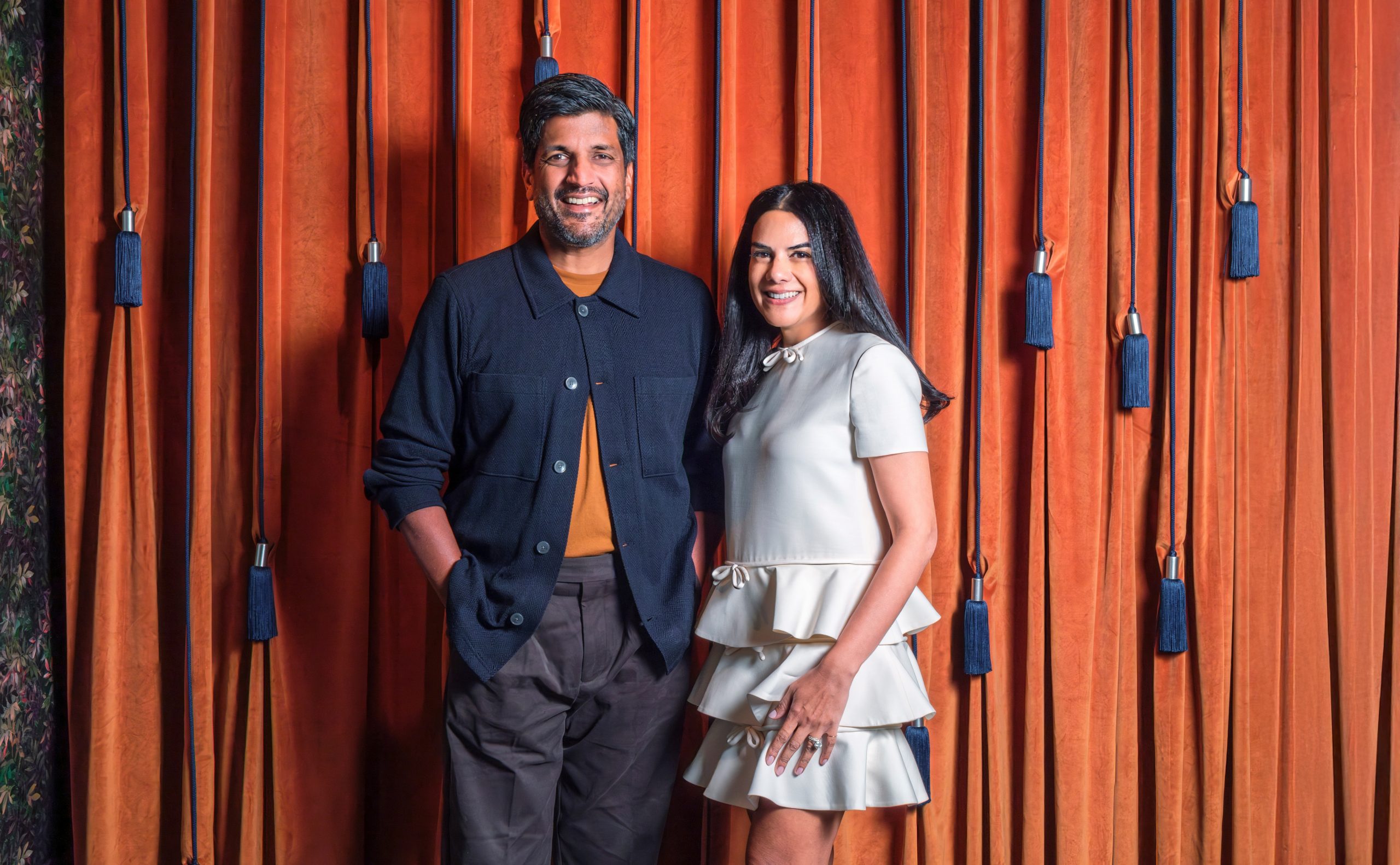
Maneesh K. Goyal Net Worth: The Business Evolution of a Modern Entrepreneur
Maneesh K. Goyal’s net worth as of 2026 is estimated to be between $10 million and $20 million. This valuation is primarily derived from his ownership of the award-winning experiential marketing agency Pineapple Co, his luxury lifestyl...
Maneesh K. Goyal’s net worth as of 2026 is estimated to be between $10 million and $20 million. This valuation is primarily derived from his ownership of the award-winning experiential marketing agency Pineapple Co, his luxury lifestyle brand SONA Home, and strategic investments in the New York City hospitality and media sectors.
Contents
Maneesh K. Goyal is a prominent figure in the intersection of marketing, hospitality, and South Asian cultural advocacy. While he is often recognized by the public for his high-profile collaborations with global icons, his financial foundation is built on decades of disciplined entrepreneurship in the boutique agency space. Unlike tech founders whose wealth is tied to volatile public stocks, Goyal’s net worth is characterized by diversified private equity in services, luxury goods, and real estate.
The Foundation of Wealth: Pineapple Co and Experiential Marketing
The cornerstone of Maneesh K. Goyal’s financial success is Pineapple Co, formerly known as SKAM (Street Kids and Marketing). Founded in 2004, the agency transitioned from a niche startup into a powerhouse of experiential marketing. In the landscape of 2026, experiential marketing remains a high-margin sector, as brands prioritize physical "moments" to cut through digital saturation.
Pineapple Co’s revenue model is based on long-term retainers and high-value project fees from Fortune 500 companies. Over the years, the agency has executed campaigns for prestigious clients including:
- American Express: Managing high-end cardmember experiences.
- Google: Designing immersive product launches.
- HBO: Creating viral "pop-up" environments for flagship series.
- Target: Overseeing large-scale community and retail activations.
The valuation of a boutique agency like Pineapple Co is typically calculated as a multiple of its EBITDA (Earnings Before Interest, Taxes, Depreciation, and Amortization). Given its 20-year track record and blue-chip client list, the agency represents a significant portion of Goyal’s illiquid net worth. Industry standards suggest that successful agencies in this tier can be valued at 5 to 8 times their annual profit, placing the enterprise value in the multi-million dollar range.
Hospitality Ventures and the Legacy of SONA
In 2021, Goyal significantly expanded his public profile and investment portfolio by opening SONA, an upscale Indian restaurant in New York City’s Flatiron District. Launched in partnership with actress Priyanka Chopra Jonas, the restaurant became a cultural touchstone, proving that modern Indian cuisine could command a "power dining" status in Manhattan.
While Priyanka Chopra Jonas departed from the partnership in 2023 and the physical restaurant closed its doors in mid-2024, the venture served as a massive "brand equity" builder for Goyal. The financial impact of SONA on his net worth was twofold:
- Direct Revenue: During its operation, SONA was a high-performing venue with significant table turnover and a premium price point.
- Intellectual Property: The success of the restaurant facilitated the launch of SONA Home, a luxury lifestyle brand that continues to generate revenue through e-commerce and high-end retail partnerships.
Goyal’s ability to pivot from a service-based business (marketing) to a capital-intensive industry (hospitality) demonstrated a level of financial agility that is rare among creative entrepreneurs. Even after the restaurant's closure, the "SONA" brand remains an active asset within his portfolio.
SONA Home: Scaling into Luxury Goods
Wealth preservation often involves moving from services into scalable products. SONA Home, co-founded with Melissa Andre, represents Goyal’s foray into the luxury homeware market. The collection—featuring fine bone china, linens, and decor—targets the affluent "Global Indian" demographic and luxury enthusiasts worldwide.
The margins in luxury retail are significantly higher than in the restaurant industry. By removing the overhead of a large Manhattan kitchen and waitstaff, SONA Home allows Goyal to leverage his marketing expertise to sell high-margin physical goods. As of 2026, the brand has expanded its distribution channels, contributing a steady stream of passive and semi-passive income to his overall financial profile.
Media Presence and Influence as an Asset
In the modern economy, "influence" is a quantifiable financial asset. Goyal has successfully monetized his personal brand through media ventures and public speaking. His podcast and platform, "Live from the South Side," serves as a medium for high-level networking and brand partnerships.
By positioning himself as a bridge between Western corporate interests and South Asian cultural excellence, Goyal has created a unique consulting niche. This "personal brand equity" allows him to command significant fees for:
- Strategic Advisory: Helping global brands enter or authentically engage with the South Asian market.
- Public Speaking: Addressing conferences on the topics of entrepreneurship, diversity, and the "creativity economy."
- Media Production: Partnering with streaming platforms or publishers for culturally relevant content.
Comparative Breakdown of Business Interests
To understand how Goyal’s net worth is structured, it is helpful to look at the different segments of his professional ecosystem as of 2026.
| Business Segment | Primary Revenue Driver | Risk Profile | Contribution to Net Worth |
|---|---|---|---|
| Pineapple Co | Corporate Retainers / Project Fees | Medium | High (Core Asset) |
| SONA Home | Direct-to-Consumer / Retail Sales | Low-Medium | Growing (Scalable Asset) |
| Hospitality/Real Estate | Rental Income / Management Fees | High | Moderate (Diversification) |
| Media & Consulting | Speaking Fees / Sponsorships | Low | Moderate (Liquidity) |
| Private Investments | Equity in early-stage startups | Very High | Variable |
Factors Influencing the 2026 Valuation
The estimation of $10M–$20M for Maneesh K. Goyal takes several 2026 economic factors into account. First is the valuation of private equity. Since Goyal’s primary holdings are private, their value is based on the "fair market value" they would fetch if sold to a larger conglomerate like WPP or Publicis.
Second is real estate holdings. As a long-time resident and business owner in New York City, Goyal has historically been associated with high-value commercial and residential interests. The appreciation of Manhattan real estate over the last decade significantly bolsters the "asset" side of his balance sheet.
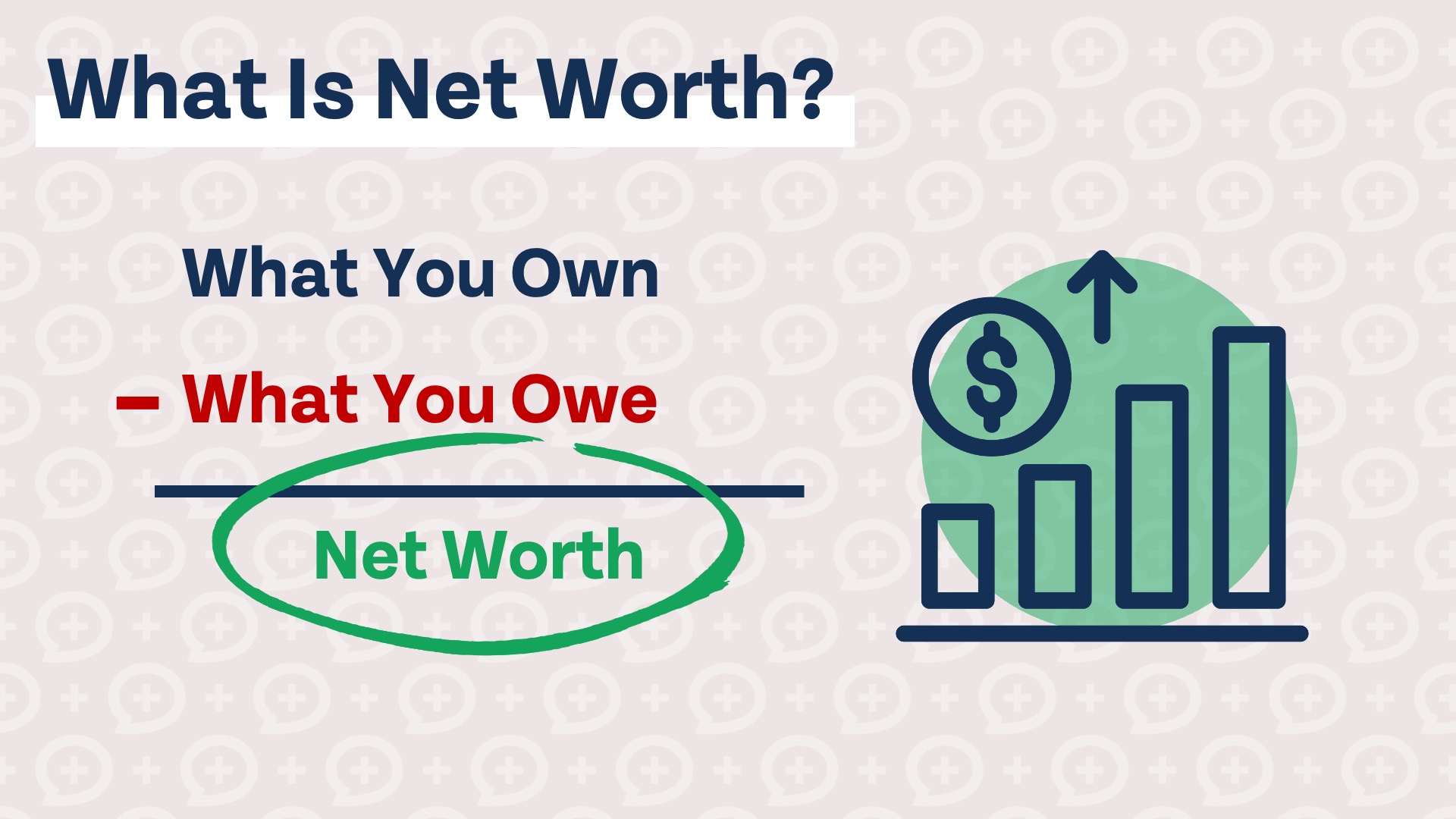
Lastly, debt management plays a role. Expanding a restaurant group and launching a luxury product line requires capital. Goyal’s net worth is the "net" of these assets minus any liabilities taken on to fund the growth of SONA or Pineapple Co. His reputation for fiscal discipline suggests a healthy debt-to-equity ratio, which is essential for a stable eight-figure net worth.
Philanthropy and Social Impact
While philanthropy is a "debit" from net worth in a strictly accounting sense, it adds to the "reputational capital" that sustains a long-term career. Goyal has been deeply involved with organizations such as the Planned Parenthood of Greater New York and various South Asian advocacy groups. These roles often lead to board positions and high-level connections that indirectly support his business ventures by placing him in the inner circles of New York’s philanthropic and financial elite.
Expert Analysis: The "Boutique Multi-Hyphenate" Model
Maneesh K. Goyal represents a specific class of wealthy individuals often described as "Boutique Multi-Hyphenates." Unlike billionaires who focus on one massive industry (like software or oil), Goyal builds wealth by layering multiple mid-sized successes.
This strategy offers more security than a single-venture approach. If the hospitality market dips, the marketing agency provides a safety net. If corporate marketing spends are slashed, the retail sales from SONA Home offer a different revenue stream. This diversification is the hallmark of Goyal’s financial strategy and the reason his net worth has remained resilient through various market cycles, including the post-pandemic shifts of the early 2020s.
Frequently Asked Questions
Did the closure of SONA significantly hurt Maneesh K. Goyal’s net worth?While the closure of any business involves costs, the end of SONA’s physical location in 2024 was largely seen as a strategic pivot rather than a financial collapse. The brand's intellectual property was preserved and successfully transitioned into the SONA Home line, which has a more scalable and less overhead-intensive business model.
What is Maneesh K. Goyal’s primary source of income?As of 2026, his primary income source remains Pineapple Co. The agency’s ability to secure multi-year contracts with global brands provides the consistent cash flow necessary to fund his other ventures and investments.
Is Maneesh K. Goyal a billionaire?No. While Goyal is highly successful and operates in elite circles, his estimated net worth of $10M–$20M places him in the category of "high-net-worth individuals" (HNWI), not the "ultra-high-net-worth" (UHNWI) or billionaire category.
How does his net worth compare to his business partners?Goyal often partners with individuals who have higher public net worths, such as Priyanka Chopra Jonas. In these partnerships, Goyal typically provides the operational expertise, marketing infrastructure, and local New York business acumen, while the partner provides brand power and capital.
Does Maneesh K. Goyal own any tech startups?While he is primarily focused on marketing and lifestyle, Goyal is known to be an active angel investor. He often takes small equity stakes in early-stage companies related to consumer packaged goods (CPG), hospitality tech, and media platforms catering to diverse audiences.
Next Actions for Those Studying His Career
For entrepreneurs looking to replicate Goyal’s financial path, the most important lesson is the prioritization of a service-based "engine" (like an agency) to fund product-based "pivots" (like luxury goods). Tracking the filings of the New York State Liquor Authority or commercial real estate news in the Flatiron district can provide further insights into his ongoing physical business footprints.
Image Gallery