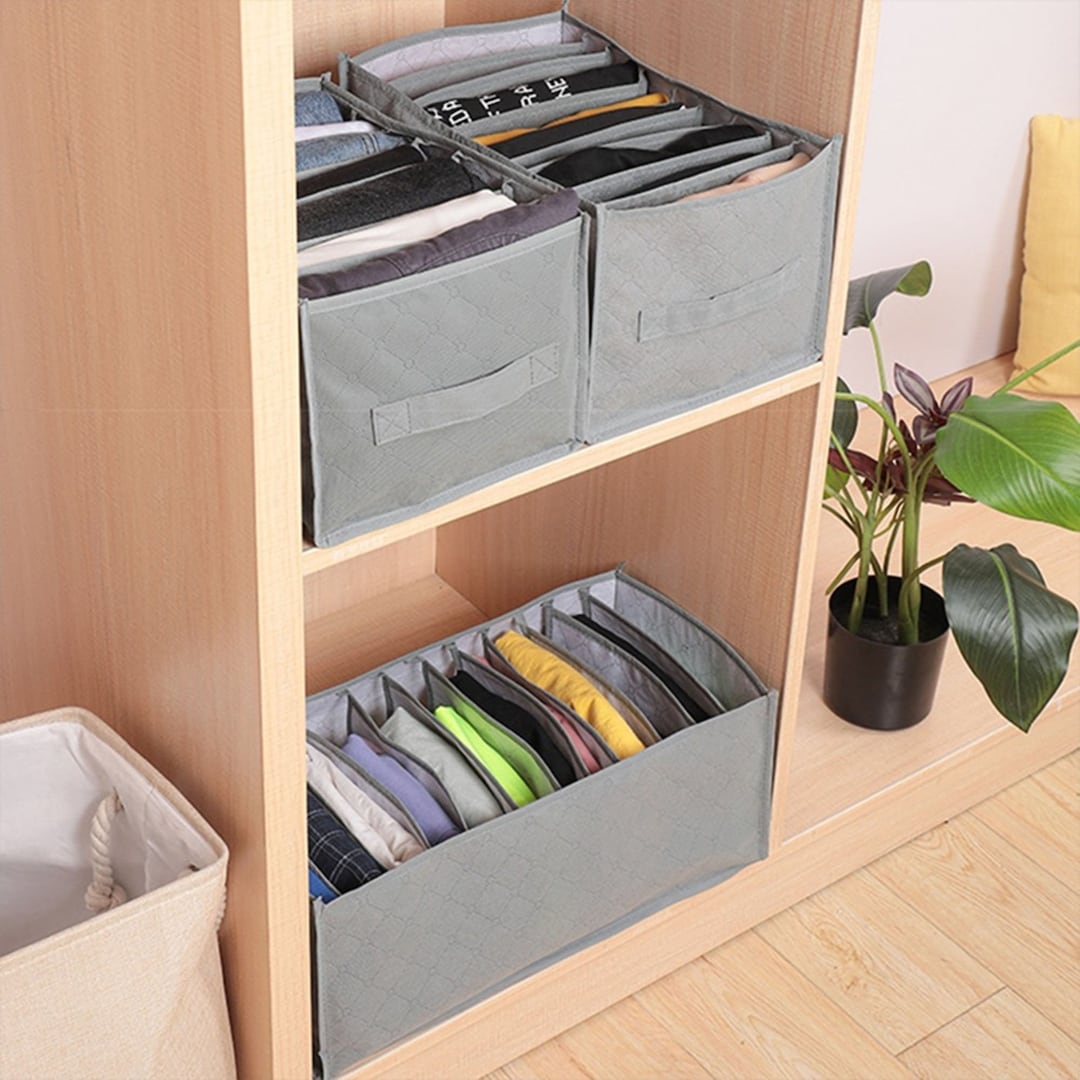
Best Sweater Storage Boxes: Choosing the Right Solution
The best sweater storage solution balances protection from pests and moisture with breathability to prevent fiber degradation. For most users, clear polypropylene bins with secure latches offer the best visibility and protection, while...
The best sweater storage solution balances protection from pests and moisture with breathability to prevent fiber degradation. For most users, clear polypropylene bins with secure latches offer the best visibility and protection, while breathable canvas boxes are superior for high-end natural fibers like cashmere and silk to prevent moisture trapping and yellowing.
Contents
Properly storing knitwear is more than a matter of organization; it is a critical preservation step for garments that are often significant financial and emotional investments. As we move through 2026, the market for home organization has shifted toward materials that are both environmentally conscious and technically advanced. Choosing the right storage box requires an understanding of textile science, pest behavior, and the specific environmental conditions of your home.
The Science of Sweater Degradation: Why Storage Matters
Before selecting a storage container, it is essential to understand what you are protecting your sweaters from. Natural fibers such as wool, cashmere, alpaca, and mohair are biological materials. Unlike synthetic fibers like polyester or acrylic, natural knits are susceptible to several forms of environmental damage.
Pest Infestation
The most common threat to sweaters is the Tineola bisselliella, or the common clothes moth. These insects do not eat the fabric themselves; rather, their larvae feed on the proteins (keratin) found in animal fibers. They are also attracted to human biological remnants, such as skin cells, hair, and perspiration, which is why storing "mostly clean" sweaters is a primary cause of infestation. A storage box must provide a physical barrier that is completely impenetrable to these microscopic larvae.
Oxidation and Yellowing
When light and oxygen interact with certain fibers and finishes, oxidation occurs. This is often seen as yellowing on white or light-colored sweaters. While no consumer-grade storage box is a vacuum, limiting the air exchange and blocking UV light can significantly slow this process.
Moisture and Mildew
If a storage container is completely airtight but contains even a small amount of residual moisture (perhaps from a humid day during packing), it can become a breeding ground for mildew. This is the primary argument against cheap plastic bins for long-term storage of natural fibers. Finding a balance between a seal that keeps bugs out and a material that allows some air regulation is the central challenge of choosing the right solution.
Evaluating Materials: Plastic vs. Fabric
In 2026, the two dominant materials for sweater storage remain plastic (polypropylene or PEVA) and fabric (cotton canvas or non-woven synthetics). Each serves a specific purpose depending on the environment of the storage area.
Plastic Bins: The Defensive Powerhouse
Clear plastic bins, specifically those made from high-quality, BPA-free polypropylene, are the gold standard for protection in damp or pest-prone areas.
- Pros: They are waterproof, which is essential for storage in basements or garages. Most modern bins feature gasket seals (rubberized rings around the lid) that create a near-hermetic seal against moths and dust. Being clear, they allow for immediate inventory checks without opening the box.
- Cons: Plastic does not breathe. If there is any moisture in the sweater, it can lead to a musty smell. Cheap plastics can also "off-gas," releasing chemical odors that can be absorbed by the knitwear.
Fabric Boxes: The Breathable Choice
Canvas or heavy-duty linen boxes are preferred by textile conservators for luxury fibers like cashmere.
- Pros: Fabric allows for air circulation. This prevents the "stale" smell often associated with seasonal storage and helps regulate the humidity within the box. Fabric boxes are also softer, meaning they won't snag delicate knits and can be squeezed into tighter closet shelves.
- Cons: Unless specifically treated or designed with very high-quality zippers, fabric boxes are more vulnerable to pests. Moths can occasionally work their way through zipper gaps or, in the case of very thin non-woven fabrics, larvae can sometimes chew through.
Key Features to Evaluate in 2026
When shopping for the best sweater storage boxes this year, look beyond the price tag and evaluate these technical specifications:
Seal Integrity
Look for containers with "latching" lids rather than "snap-on" lids. A latch provides downward pressure that ensures the lid is flush against the rim. For maximum protection, check for a silicone or foam gasket. This is the only way to ensure the container is truly pest-proof and moisture-resistant.
Modular Design and Stackability
In modern home design, vertical space is often underutilized. High-quality storage boxes are designed to "nest" when empty and "lock" when stacked. Look for reinforced lids that won't bow under the weight of another full box. If the lid bows, the seal is compromised, and the bottom sweaters may be crushed, leading to permanent fiber deformation.
Transparency vs. Labeling
While clear bins are functional, some users prefer the aesthetic of uniform fabric boxes. If choosing fabric, ensure the box has a clear window (usually made of PEVA) or a dedicated label holder. Digging through six different boxes to find one specific cardigan increases the risk of snagging and introduces dust and pests every time a box is opened unnecessarily.
Comparison of Sweater Storage Solutions
| Storage Type | Primary Material | Ideal For | Pest Protection | Breathability | Durability |
|---|---|---|---|---|---|
| Gasket Bins | Polypropylene | Basements, Garages | Excellent | Low | High |
| Canvas Boxes | 100% Cotton | Cashmere, Silk | Moderate | High | Moderate |
| Under-Bed Bags | PEVA / Polyester | High-Volume Storage | High | Moderate | Moderate |
| Cedar Chests | Solid Aromatic Cedar | Heirloom Items | High | Moderate | Very High |
| Vacuum Bags | Plastic Laminate | Synthetics Only | Excellent | Zero | Low |
Best Practices for Preparing Sweaters for Storage
Choosing the best box is only half the battle; how you prepare the garments determines the success of the storage.
The "Clean Only" Rule
Never store a sweater that has been worn, even once, without washing it. Skin oils, perfume, and invisible food particles are the primary attractants for pests. Follow the care label—usually a cold hand wash with a pH-neutral wool detergent—and ensure the garment is 100% dry before placing it in a box. Even a 2% moisture retention can cause mold in a sealed plastic bin.
Folding Techniques to Preserve Shape
Never hang sweaters for long-term storage, as gravity will stretch the shoulder fibers and create permanent "hanger bumps."
- Lay the sweater flat on a clean surface.
- Fold the sleeves across the chest.
- Fold the body into thirds or halves depending on the depth of your box.
- For bulky knits, consider a loose "roll" to prevent hard creases in the middle of the garment.
- Place the heaviest sweaters at the bottom of the box and the lightest (like fine-gauge cashmere) on top.
Incorporating Natural Repellents
While the box provides the physical barrier, natural repellents provide an added layer of security. Aromatic cedar blocks or lavender sachets are effective, but they must be replaced or refreshed (by sanding the cedar) every season to remain potent. Avoid mothballs (naphthalene), as the chemicals are toxic and the smell is nearly impossible to remove from natural fibers.
Troubleshooting Common Storage Issues
Why do my sweaters smell musty after storage?
Mustiness is usually caused by trapped moisture. If using plastic bins, try adding a small silica gel packet to the box to absorb residual humidity. If the smell persists, switch to a breathable fabric box or ensure the storage area (closet or attic) has better climate control.
I found a hole in my sweater; what now?
If you find evidence of moth damage, you must act immediately to save the rest of your collection. Remove all items from the affected box. Freeze the damaged garment in a sealed bag for 72 hours to kill any remaining larvae or eggs. Clean the storage box thoroughly with a vinegar solution before reuse. For more information on identifying textile pests, consult the University of California Integrated Pest Management program.
Can I use vacuum-sealed bags for sweaters?
Vacuum bags are excellent for saving space with synthetic blankets or down jackets, but they are generally discouraged for natural fiber sweaters. Compressing wool or cashmere for months at a time can "deaden" the fibers, causing them to lose their natural loft and elasticity. If you must use them for space reasons, do not remove 100% of the air; leave some "cushion" for the fibers.
Frequently Asked Questions
Is it better to store sweaters in plastic or fabric?
It depends on your environment. If you live in a humid climate or store clothes in a basement, plastic with a gasket seal is better to prevent moisture and pest entry. If you store items in a climate-controlled bedroom closet, fabric is better for the long-term health of natural fibers like cashmere, as it allows them to breathe.
How often should I check my stored sweaters?
You should inspect your storage boxes at least once every six months. Check for any signs of moth activity, such as webbing or small holes, and ensure no moisture has leaked into the containers. This is also a good time to refresh any cedar or lavender inserts.
Does cedar actually kill moths?
Aromatic cedar (Juniperus virginiana) contains volatile oils that can kill small moth larvae, but it is primarily a repellent. It is not a substitute for physical protection. Furthermore, the oils eventually dry out; you must lightly sand the wood or apply cedar oil every few months to maintain its effectiveness.
Should I wrap sweaters in tissue paper?
Using acid-free tissue paper is a professional-grade tip for long-term storage. It helps maintain the shape of the folds and prevents "color transfer" between different garments. Ensure the tissue is specifically labeled "acid-free" to avoid chemical damage to the fibers over time. Detailed guidance on archival storage can be found through the Smithsonian Institution's Museum Conservation Institute.
What is the ideal temperature for sweater storage?
Knitwear thrives in cool, dry, and dark conditions. Aim for a temperature below 70°F (21°C) and a relative humidity of around 50%. Avoid storing sweaters near heating vents, in hot attics, or against cold, uninsulated exterior walls where condensation can form.
Moving Forward with Your Organization Project
To choose the right solution, start by auditing your collection. Group your sweaters by material (synthetics vs. natural fibers) and frequency of use. Invest in high-quality gasket-sealed plastic bins for your standard wool blends and cotton canvas boxes with cedar inserts for your luxury pieces. By matching the container to the fiber and the environment, you ensure that your wardrobe remains in pristine condition for years to come.
Image Gallery