Dr. Martin Cooper's Net Worth Explained
As of 2026, Dr. Martin Cooper’s net worth is estimated to be between $100 million and $200 million. While he did not receive royalties for his 1973 invention of the handheld cellular phone at Motorola, his substantial wealth was built...
As of 2026, Dr. Martin Cooper’s net worth is estimated to be between $100 million and $200 million. While he did not receive royalties for his 1973 invention of the handheld cellular phone at Motorola, his substantial wealth was built through the successful co-founding and sale of several telecommunications companies, most notably GreatCall and ArrayComm.
Contents
The story of Dr. Martin Cooper’s wealth is a fascinating case study in the difference between being a corporate inventor and a tech entrepreneur. In the early 1970s, as a high-level engineer and manager at Motorola, Cooper led the team that developed the DynaTAC 8000X, the world’s first portable mobile phone. However, because he was an employee at the time, the intellectual property rights belonged to Motorola. His eventual transition from the corporate laboratory to the executive boardroom and independent venture capital allowed him to capture the massive financial upside of the wireless revolution he helped start.
The Motorola Years: Innovation Without Equity
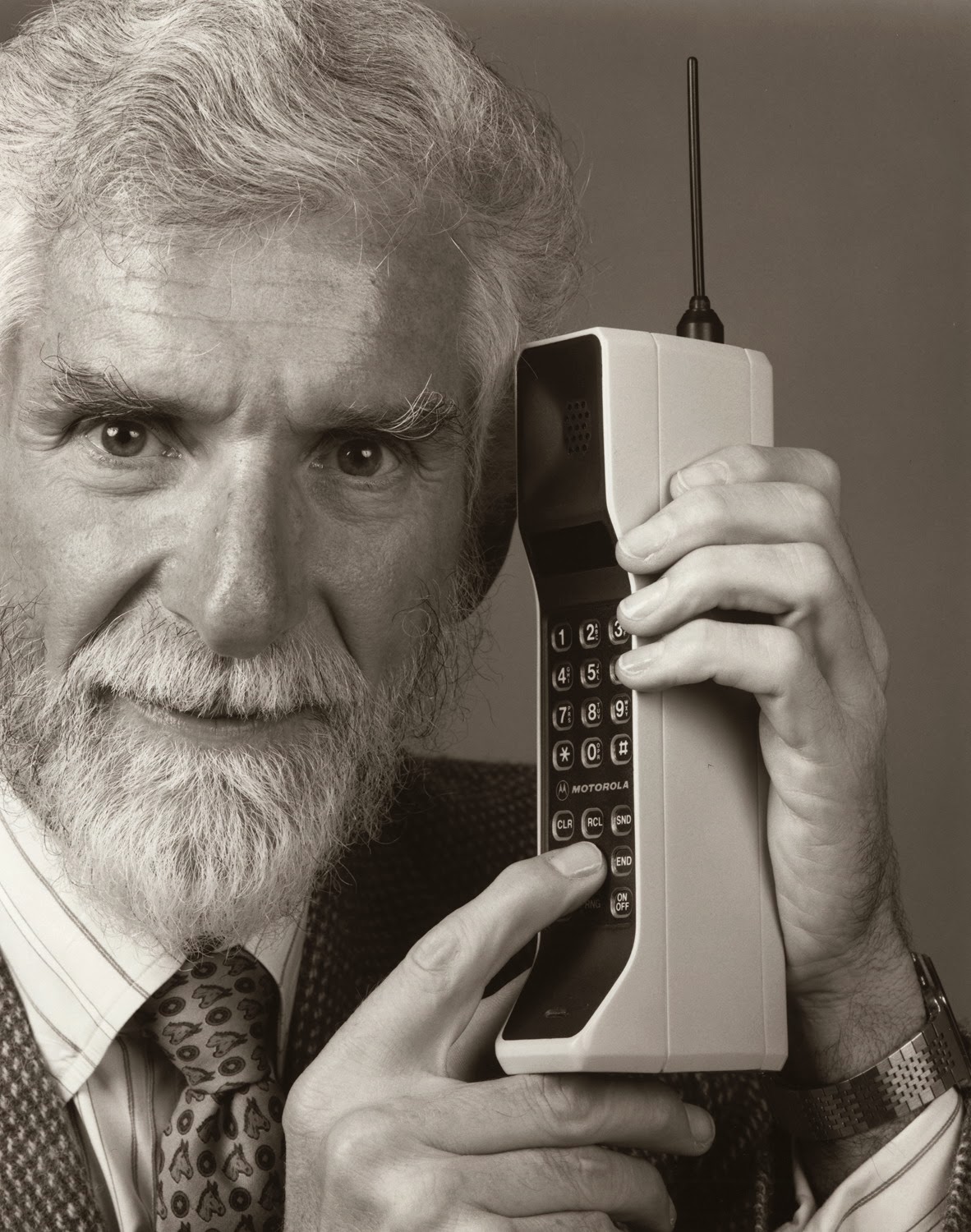
When Martin Cooper placed the first public cell phone call on April 3, 1973, he was the Vice President and Director of R&D at Motorola. At that time, Motorola was a dominant force in two-way radio communication, but the concept of a "personal" portable phone was considered science fiction by many, including their primary competitors at AT&T’s Bell Labs.
During this period, Cooper’s compensation was structured as a corporate executive salary rather than a share of the invention's future earnings. Under standard employment contracts of the era—which remain largely the same today—patents filed by employees for work done on company time are assigned to the employer. Cooper’s name is on the original U.S. Patent 3,906,166 for a "Radio Telephone System," but the financial beneficiary of that patent was Motorola.
The development of the DynaTAC cost Motorola roughly $100 million (in 1970s currency) before it ever reached the consumer market in 1983. While Cooper earned a comfortable living as a senior executive, his "net worth" during his Motorola tenure was modest compared to the multi-billion dollar industry he birthed. His departure from Motorola in the early 1980s marked his shift toward the entrepreneurial path that would eventually generate his nine-figure fortune.
The Foundation of Dyna LLC and Early Ventures
In 1986, Martin Cooper and his wife, Arlene Harris—often referred to as the "First Lady of Wireless"—co-founded Dyna LLC. This organization served as a central hub for their various entrepreneurial and developmental activities. Through Dyna LLC, the couple launched several companies that addressed specific niches in the burgeoning cellular market.
One of their first major successes was Cellular Business Systems (CBSI). At the dawn of the cellular industry, there was no established software to manage billing and customer relations for mobile carriers. CBSI filled this void, eventually capturing a significant portion of the billing market for the first generation of cellular providers. When CBSI was sold to Cincinnati Bell (now known as Convergys) in the mid-1980s for approximately $45 million, it represented Cooper’s first major liquidity event. This sale provided the capital necessary to fund subsequent, more ambitious projects without relying solely on external venture capital.
The GreatCall Success: A Multi-Million Dollar Exit
The most significant contributor to Dr. Martin Cooper’s net worth is undoubtedly GreatCall, Inc., the company behind the Jitterbug phone. Founded in 2006 by Cooper and Arlene Harris, GreatCall was built on a simple but revolutionary insight: while the rest of the industry was making phones smaller and more complex, a massive demographic of seniors was being left behind.
The Jitterbug featured large buttons, a simplified interface, and a dedicated 5-star urgent response button. It wasn't just a hardware play; it was a service-based model that generated recurring monthly revenue. Under the leadership of the Cooper-Harris team, GreatCall expanded into a comprehensive health and safety service provider for the aging population.
In 2018, Best Buy acquired GreatCall for $800 million in cash. While the specific percentage of ownership held by Cooper and Harris at the time of the sale was not publicly disclosed in minute detail, they were the founding principals and major shareholders. This acquisition solidified Cooper’s status as a centi-millionaire, moving his net worth far beyond the limits of his earlier corporate career.
ArrayComm and Smart Antenna Technology
Parallel to his work with GreatCall, Cooper founded ArrayComm in 1992. The company specialized in "smart antenna" technology, which aimed to solve the problem of limited spectrum efficiency. In the 1990s and early 2000s, as mobile data demand began to climb, ArrayComm's software became essential for increasing the capacity of wireless networks.
ArrayComm grew to become a world leader in spatial processing and interference cancellation. The company successfully licensed its technology to major infrastructure providers and carriers globally. While ArrayComm did not have a single "blockbuster" exit on the scale of GreatCall, its long-term licensing revenue and eventual integration into the 4G and 5G standards contributed steadily to Cooper's financial portfolio for over three decades.
Revenue Streams in 2026: Books, Speaking, and Advisory
Even in his late 90s, Dr. Martin Cooper remains a highly sought-after figure in the technology sector. His wealth continues to be supported by several active and passive revenue streams:
- Public Speaking: Cooper is a frequent keynote speaker at global technology conferences such as MWC (Mobile World Congress) and CES. Given his status as a living legend, his speaking fees are estimated to be in the range of $50,000 to $100,000 per appearance.
- Literary Royalties: His memoir, Cutting the Cord: The Cell Phone Has Transformed Humanity, published in 2021, remains a definitive text on the history of telecommunications. Ongoing sales and international translation rights provide a steady, albeit smaller, stream of income.
- Advisory Roles: Cooper serves on various boards and advisory committees for tech startups and telecommunications regulatory bodies. These positions often come with equity grants or high-value retainers.
- Awards and Prizes: Throughout his career, Cooper has received numerous prestigious awards, some of which include significant cash prizes. For instance, the Marconi Prize (2013) and the Prince of Asturias Award come with financial stipends intended to support further research and advocacy.
Financial Milestones and Impact
The following table outlines the key events that have shaped Dr. Martin Cooper's financial trajectory:
| Period | Entity/Event | Financial Nature | Estimated Impact |
|---|---|---|---|
| 1954–1983 | Motorola | Executive Salary/Bonus | High-six-figure annual income |
| 1986 | CBSI Sale | Acquisition by Cincinnati Bell | $45 Million total sale price |
| 1992–Present | ArrayComm | Licensing & Software | Ongoing corporate valuation/dividends |
| 2006–2018 | GreatCall (Jitterbug) | Founder/Ownership | $800 Million acquisition by Best Buy |
| 2021–2026 | Cutting the Cord | Book Royalties/Speaking | Consistent seven-figure annual revenue |
The Philanthropic Element
It is important to note that Dr. Cooper and Arlene Harris are also active philanthropists. Much of their wealth has been channeled back into supporting the "Next Generation of Wireless" through educational grants and supporting the Marconi Society. This philanthropic focus suggests that while his gross net worth is high, a significant portion of his assets is allocated toward legacy-building and charitable foundations rather than just personal liquid assets.
Summary of Wealth Drivers
Dr. Cooper’s wealth is not merely a result of a single invention but a masterclass in diversifying one's role within an industry. He moved from Innovation (Motorola) to Infrastructure (CBSI) to Efficiency (ArrayComm) and finally to Consumer Accessibility (GreatCall). Each phase of his career addressed a different bottleneck in the wireless industry, allowing him to capture value at every stage of the mobile revolution's lifecycle.
As of 2026, he remains one of the most respected figures in Silicon Valley and the broader tech world, with a net worth that reflects his dual legacy as both a brilliant engineer and a savvy businessman.
Frequently Asked Questions
Did Martin Cooper get rich from the first cell phone? Not directly. As an employee of Motorola in 1973, he received a salary and bonuses, but the patents belonged to the company. His significant wealth came later through the companies he founded independently, such as GreatCall and ArrayComm.
How much did Best Buy pay for Martin Cooper's company? Best Buy acquired GreatCall (the company co-founded by Cooper and his wife) for $800 million in 2018. This was a cash deal and is the primary driver of his current net worth.
Does Martin Cooper still work in 2026? While he is retired from daily corporate management, he remains active as a public speaker, author, and strategic advisor to technology companies and government agencies regarding radio spectrum and wireless policy.
What is Martin Cooper's most successful business? In financial terms, GreatCall was his most successful venture due to its $800 million exit. In terms of industry impact, ArrayComm was equally significant for its work on antenna technology that powers modern mobile networks.
Who is Arlene Harris and does she share in his net worth? Arlene Harris is Martin Cooper's wife and a highly successful entrepreneur in her own right. They have co-founded almost all of their major business ventures together through Dyna LLC, meaning their combined net worth is a result of their joint efforts.
Practical Recommendation: For those looking to emulate Dr. Cooper’s financial success, the key takeaway is the importance of Intellectual Property ownership. While his time at Motorola established his reputation, it was his transition to founding his own firms—where he retained equity—that generated his true wealth. If you are an innovator, understanding the difference between being an inventor and a founder is essential for long-term wealth accumulation.
Image Gallery