The Long-Term Impact of Danica Patrick Retiring from Full-Time Racing
The retirement of Danica Patrick from full-time racing in 2018 marked a seismic shift in motorsports, ending an era where a female driver commanded mainstream cultural attention. Her departure left a temporary void in gender representa...
The retirement of Danica Patrick from full-time racing in 2018 marked a seismic shift in motorsports, ending an era where a female driver commanded mainstream cultural attention. Her departure left a temporary void in gender representation while simultaneously providing a commercial and professional blueprint for the next generation of female athletes.
Contents
The Conclusion of a Boundary-Breaking Career
When Danica Patrick announced her departure from full-time competition at the end of the 2017 NASCAR season, followed by her "Danica Double" in 2018—competing in both the Daytona 500 and the Indianapolis 500—the racing world braced for a significant transition. Patrick was not merely a driver; she was a marketing powerhouse and a symbol of what was possible for women in a historically male-dominated arena.
The impact of her retirement was felt immediately across two of the largest racing series in the world: IndyCar and NASCAR. Patrick remains the only woman to win an IndyCar Series race, securing victory at the 2008 Indy Japan 300. Her pole position at the 2013 Daytona 500 remains a landmark achievement in stock car racing. By stepping away from the cockpit, the sport lost its most visible bridge between niche automotive enthusiasts and the general public. Looking back from 2026, her retirement is viewed as the pivot point where the focus shifted from a single "superstar" female driver to a broader institutional effort to integrate women into the sport through developmental academies and specialized series.
The Commercial Blueprint: Redefining Athlete Marketability
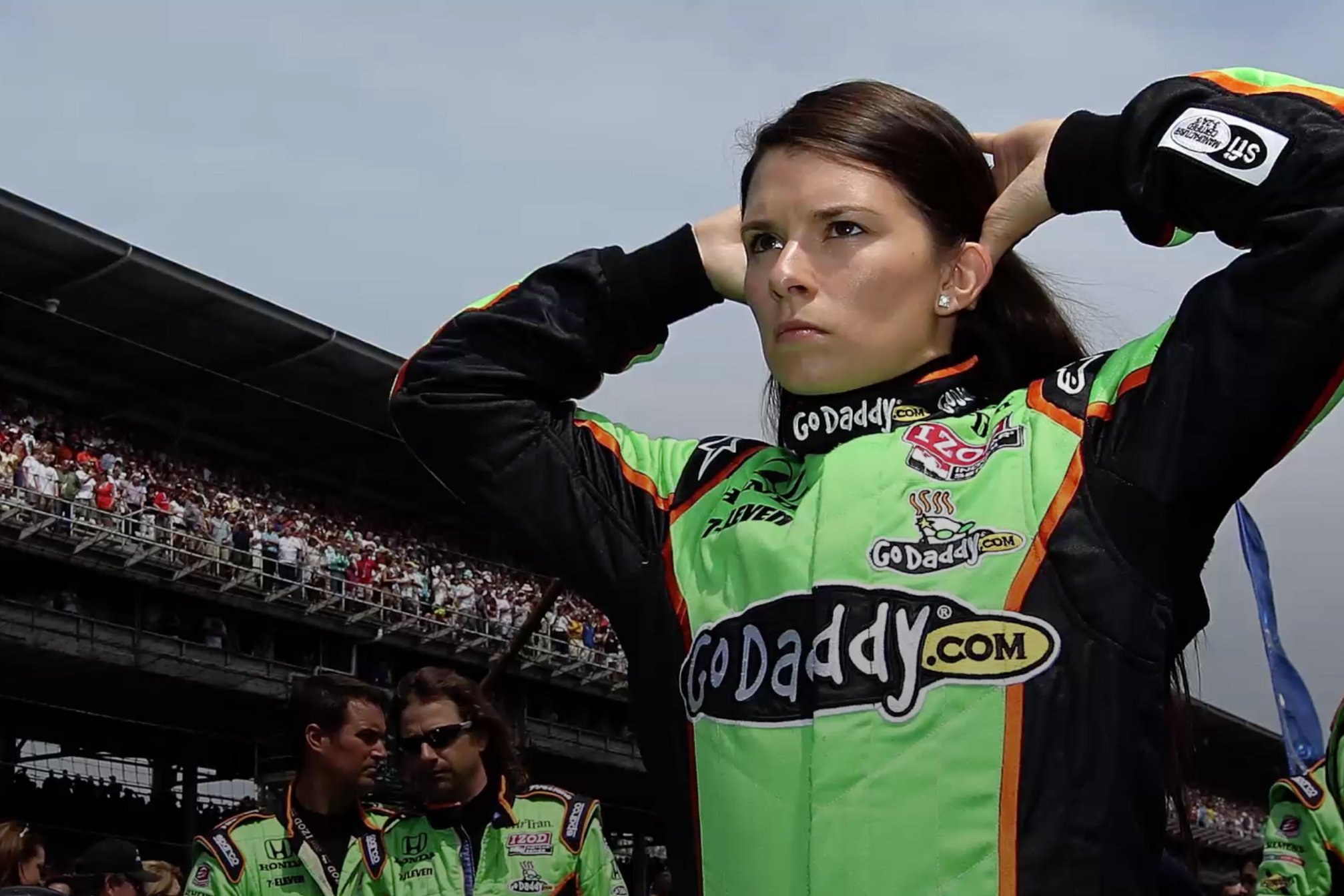
Perhaps the most profound impact of Patrick's retirement was the realization of the "Danica Blueprint" for sponsorship and branding. Throughout her career, Patrick consistently ranked among the highest-paid athletes in the world, largely due to her ability to secure and maintain high-profile endorsements, most notably with GoDaddy.
Her retirement forced brands and team owners to reconsider how they marketed female drivers. Patrick proved that a female driver could generate more "earned media" and sponsor ROI than many of her male counterparts who were winning more frequently. This commercial viability paved the way for modern sponsorship models where personality, digital presence, and demographic reach are valued alongside podium finishes. In the years following 2018, we saw a rise in corporate interest in supporting female-led initiatives in racing, as companies sought to replicate the brand loyalty Patrick had commanded for over a decade.
Representation and the "Danica Effect" in Junior Series
One of the most measurable impacts of her career and subsequent retirement was the spike in female participation in karting and junior open-wheel series. The "Danica Effect" refers to the generation of young girls who saw her leading laps at the Indianapolis 500 and realized that racing was a viable career path.
Data from the mid-2020s suggests that the influx of female talent currently entering Formula 3, Formula 2, and the F1 Academy can be traced back to the visibility Patrick maintained during her peak years. However, her retirement also highlighted the precarious nature of representation. Without a high-profile figure in a top-tier seat, the "out of sight, out of mind" risk became real. This led to the formation of the W Series and later the F1 Academy, which sought to institutionalize the pathway that Patrick had to navigate largely on her own.
Comparative Milestone Achievement in Motorsports
| Achievement | Driver | Year | Significance |
|---|---|---|---|
| First IndyCar Win | Danica Patrick | 2008 | Only woman to win a major open-wheel race in North America. |
| Daytona 500 Pole | Danica Patrick | 2013 | First woman to secure the top starting spot in the "Great American Race." |
| Highest Indy 500 Finish | Danica Patrick | 2009 | Finished 3rd, the best result for a female driver in the race's history. |
| Most Top-10s (NASCAR Cup) | Danica Patrick | 2013-2017 | Held the record for most top-10 finishes by a woman in the Cup Series. |
The Media Transition: A New Voice in the Paddock
Since retiring from the driver's seat, Patrick's impact has shifted to the broadcast booth and digital media. Her transition to a pundit for NBC Sports and Sky Sports F1 brought a unique perspective to race commentary. Having competed at the highest levels of both IndyCar and NASCAR, she provided technical insights that bridged the gap between different racing disciplines.
Her presence in the media has not been without controversy. Patrick has been known for her direct, sometimes polarizing opinions on the physical requirements of racing and the structure of developmental series. In 2026, we recognize that this post-retirement career has been just as influential as her driving. She has remained a constant figure in the public eye, ensuring that the conversation around women in motorsports remains active, even if she is no longer the one behind the wheel.
Entrepreneurship and the Athlete-CEO Model
Patrick’s retirement also signaled the rise of the athlete-entrepreneur. Unlike previous generations of drivers who faded into obscurity or stayed strictly within team management, Patrick pivoted to a diverse business portfolio. From her Somnium vineyard to her "Warrior" clothing line and her "Pretty Intense" health and wellness brand, she demonstrated that a racing career could serve as a launchpad for a multi-industry empire.
This shift has influenced how current drivers—both male and female—approach their careers. The realization that a racing career is finite led to a trend of drivers building personal brands that can survive long after they hang up their helmets. By 2026, it has become standard practice for top-tier drivers to have significant equity in non-racing ventures, a trend that Patrick accelerated by demonstrating the power of a crossover audience.
Addressing the Performance Critique
To understand the full impact of her retirement, one must also acknowledge the criticism she faced. Critics often pointed to her lack of multiple wins or championships as evidence that her celebrity outweighed her talent. However, her retirement allowed for a more nuanced retrospective of her statistics.
In the highly competitive environment of the NASCAR Cup Series, Patrick achieved seven top-10 finishes and a pole position—feats that many seasoned male professionals never accomplish. Her retirement ended the constant, often unfair, comparison between her results and the very best drivers in the world, allowing historians to view her career through the lens of consistency and durability in a brutal sport. She completed 96.4% of the laps in her debut NASCAR season, proving her ability to handle the equipment and the distance, a technical merit that often went overlooked during the height of the "Danica-mania" media frenzy.
The Evolution of Women's Racing Series
Patrick’s retirement was a primary catalyst for the development of gender-segregated racing series. There was a realization among stakeholders that the "meritocracy" of racing had structural barriers that prevented more women from reaching Patrick's level.
- The W Series (2019-2022): Aimed to provide free-to-enter racing for women to build experience.
- F1 Academy: A more integrated approach by Formula 1 to create a direct pipeline to the upper echelons of the sport.
- Iron Dames: An all-female project in endurance racing that has seen significant success at Le Mans and in the WEC.
While Patrick herself expressed mixed feelings about segregated racing—maintaining that she always wanted to race against the best, regardless of gender—the vacuum she left behind made these series a commercial necessity to keep female fans engaged and sponsors interested.
Frequently Asked Questions
Why did Danica Patrick decide to retire in 2018?
Patrick cited a combination of factors, including a lack of competitive sponsorship for a full NASCAR season and a desire to pursue other business interests. She chose to end her career with the "Danica Double," competing in the two races that defined her career: the Daytona 500 and the Indianapolis 500, providing a sense of closure to her professional journey.
Did any other woman win a race in NASCAR or IndyCar after she retired?
As of 2026, while more women have entered developmental series and achieved success in sports car racing (such as the Iron Dames in WEC), Danica Patrick remains the only woman to have won a race in the IndyCar Series. Her 2008 victory in Japan stands as a singular achievement in top-flight American open-wheel racing.
How did her retirement affect NASCAR's viewership?
Patrick brought a significant demographic of female and non-traditional racing fans to NASCAR. Immediately following her retirement, there was a measurable dip in "crossover" interest, though the sport has since worked to recapture that audience through diverse driver development programs and increased digital engagement.
What is Danica Patrick's role in racing today?
In 2026, Patrick is a prominent media personality and business owner. She serves as a guest analyst for major international racing broadcasts, including Formula 1 and the Indianapolis 500. She also hosts a successful podcast where she interviews leaders in sports, science, and wellness.
What is the most significant part of her legacy?
Her most significant legacy is the normalization of women in the highest levels of motorsports. By consistently qualifying for and competing in the world's most dangerous races, she moved the conversation from "Can a woman do this?" to "When will the next woman win?"
Practical Recommendation for Aspiring Drivers
For young drivers looking to follow in the footsteps of Danica Patrick, the key takeaway from her career is the importance of balancing technical proficiency with personal branding. Success in modern motorsports requires more than just speed; it requires the ability to articulate a brand story that resonates with sponsors. Aspiring athletes should focus on building a robust digital presence and seeking out developmental programs like the FIA Girls on Track initiative, which provides the structural support that was largely unavailable during the early years of Patrick's career.
Image Gallery