How to Find and Join Volunteer Trash Pickup Events Near You in 2026
Finding a volunteer trash pickup near you involves checking local municipal websites, joining national non-profit networks like Keep America Beautiful, or using mobile apps to track litter. Most communities host organized events during...
Finding a volunteer trash pickup near you involves checking local municipal websites, joining national non-profit networks like Keep America Beautiful, or using mobile apps to track litter. Most communities host organized events during Earth Month or offer "Adopt-a-Spot" programs for year-round individual or group participation in maintaining public spaces.
Contents
The act of community cleaning has evolved significantly by 2026. What was once a sporadic activity organized by small local groups has become a data-driven, globally coordinated effort. Whether you are looking to fulfill community service hours, improve your local environment, or meet like-minded neighbors, the infrastructure for finding and organizing litter removal is more accessible than ever.
Primary Methods for Finding Local Cleanup Events
Locating a cleanup event requires knowing where the "hubs" of volunteer activity reside. Most organizations now utilize centralized databases to coordinate efforts, ensuring that volunteers are directed to the areas of highest need.
National Non-Profit Networks
National organizations remain the most reliable source for structured cleanup events. Keep America Beautiful (KAB) continues to be a leader in this space, operating through a network of over 600 local affiliates. Their flagship program, the Great American Cleanup, typically runs from March through June, but affiliates host events year-round. By visiting their national portal, you can enter your zip code to find a local chapter that manages specific neighborhood projects.
Similarly, the Ocean Conservancy hosts the International Coastal Cleanup. While the name suggests a focus on beaches, the organization coordinates inland waterway cleanups as well, recognizing that most marine debris originates from inland sources. In 2026, their "Clean Swell" application serves as both a locator and a data-tracking tool for volunteers.
Municipal and Local Government Programs
Your local government is often the direct steward of the parks and streets you wish to clean. Most municipal Parks and Recreation or Public Works departments have established volunteer coordinators. These departments often provide the necessary supplies—such as heavy-duty bags, gloves, and litter grabbers—and, more importantly, they handle the logistical challenge of hauling away the collected waste.
Many cities now offer "Adopt-a-Park" or "Adopt-a-Street" programs. These allow individuals or organizations to take formal responsibility for a specific area. In exchange for a commitment to clean the area a set number of times per year, the city may install a sign recognizing the volunteer's contribution.
Digital Platforms and Social Media
In 2026, social media remains a powerful tool for grassroots organizing. Nextdoor and Facebook Groups (specifically "Buy Nothing" groups or local environmental collectives) are prime locations for finding "pop-up" cleanups that may not be registered with larger organizations. Additionally, platforms like Meetup often host dedicated "Plogging" groups—communities that combine jogging with picking up litter.
Specialized Cleanup Programs: Beyond General Litter
Not all trash pickups are the same. Depending on your location and interests, you might choose a specialized program that focuses on specific environments or types of debris.
Adopt-a-Highway and Roadside Programs
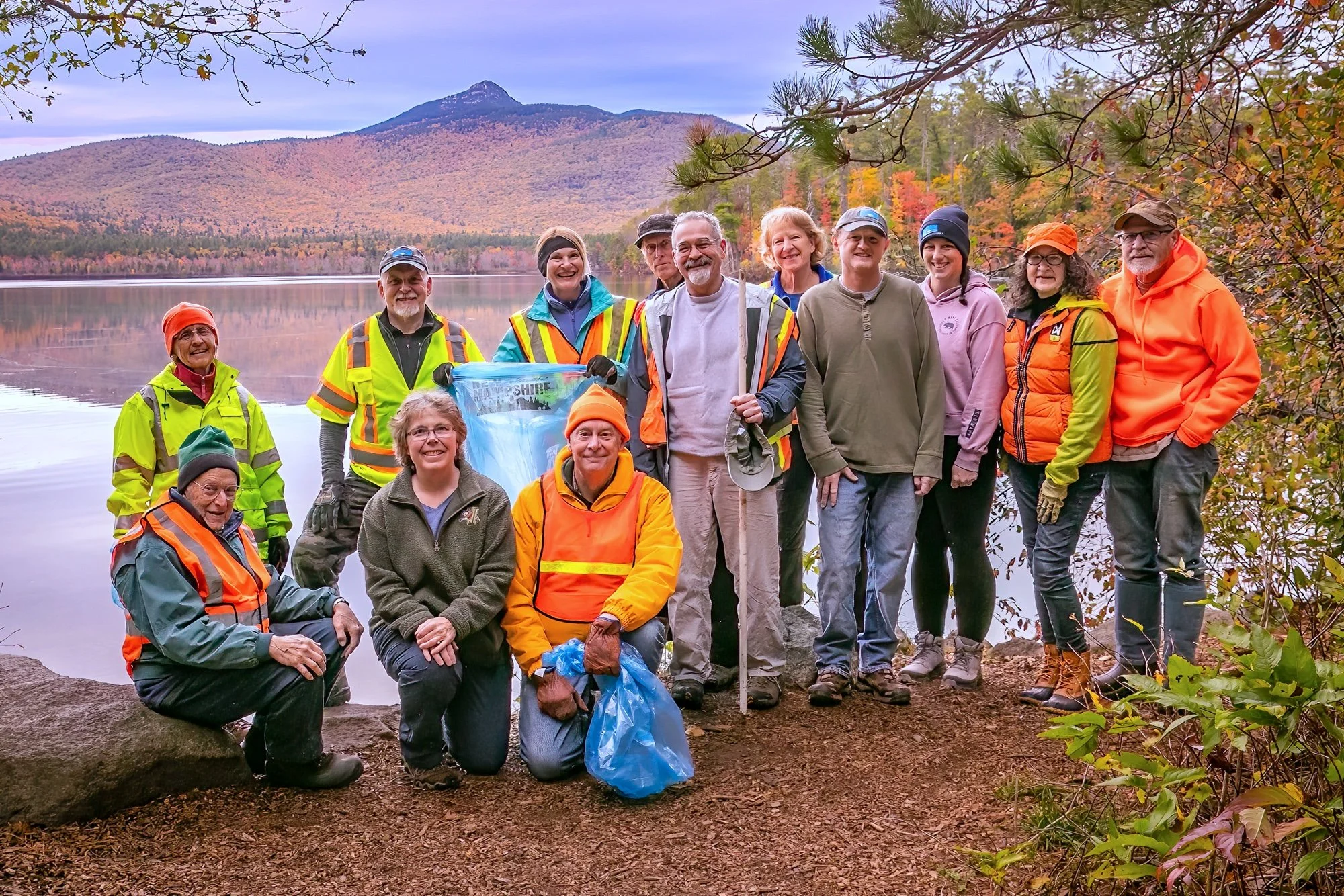
Managed primarily by state Departments of Transportation (DOTs), Adopt-a-Highway programs are designed for groups rather than individuals. These programs focus on the safety-intensive task of cleaning highway medians and shoulders. Volunteers typically receive safety vests and brief training on roadside hazards. Because these areas are high-visibility, they are excellent for corporate team-building or civic club visibility.
Waterway and Shoreline Cleanups
River and lake cleanups often require more specialized logistics, such as the use of canoes or kayaks to reach debris caught in reeds or along inaccessible banks. Organizations like American Rivers organize annual river cleanups that focus on removing larger items, such as tires and abandoned appliances, which require more physical labor and specialized disposal methods than standard neighborhood litter.
Trail and Forest Stewardship
For those who prefer a nature-centric approach, organizations like the American Hiking Society or local "Friends of the Trail" groups focus on maintaining hiking paths. These cleanups often involve "Leave No Trace" education and the removal of micro-trash that can be harmful to local wildlife.
Planning Your Own Volunteer Trash Pickup
If you cannot find an existing event that fits your schedule, organizing your own is a straightforward process. However, it requires careful coordination with local authorities to ensure the waste is disposed of correctly.
- Scout the Location: Identify a public area that suffers from consistent littering. Ensure the land is public; cleaning private property without permission can lead to trespassing issues.
- Secure Permission and Waste Disposal: Contact your local Public Works department. Ask them if they can provide bags and if they will pick up the collected trash at a designated spot. Never leave bags of trash on a street corner without prior arrangement, as this can be considered illegal dumping.
- Gather Supplies: At a minimum, you will need:
- Heavy-duty puncture-resistant gloves.
- Biodegradable or recycled-content trash bags.
- Litter reachers/grabbers (to prevent back strain).
- Hand sanitizer and a first-aid kit.
- High-visibility vests if working near traffic.
- Recruit Volunteers: Use the digital platforms mentioned earlier to invite neighbors. Clearly state the start time, end time, and meeting location.
Safety Protocols and Risk Management
Safety is the most critical component of any volunteer event. Volunteers should be instructed never to touch "sharps" (needles), hazardous chemicals, or unidentified liquids. Instead, these should be marked with a cone or flag and reported to local authorities for professional removal. In 2026, many cities provide a mobile app for reporting these hazards directly to hazardous materials teams.
| Cleanup Type | Best For | Typical Equipment Needed | Commitment Level |
|---|---|---|---|
| Neighborhood Pop-up | Individuals & Families | Bags, Gloves, Grabbers | Low (1-2 hours) |
| Adopt-a-Highway | Organizations/Businesses | Safety Vests, Signs, Heavy Duty Gear | High (Multi-year contract) |
| Waterway Cleanup | Adventurous Volunteers | Waders, Boats, Ropes | Moderate (Half-day) |
| Plogging | Fitness Enthusiasts | Lightweight Bags, Running Gear | Low (During exercise) |
Technology and Data Collection in 2026
The "volunteer trash pickup near me" search now yields results that are more integrated with global data sets. Apps like OpenLitterMap and the evolved Litterati platform allow volunteers to photograph the trash they find. This data is used to identify the most common types of litter and the companies responsible for the packaging.
By participating in data-logged cleanups, your volunteer work does more than just clean a park; it provides the evidence needed for local governments to implement policy changes, such as plastic bag bans or expanded recycling mandates. This "citizen science" aspect has become a primary motivator for younger volunteers who want to see systemic change alongside immediate physical results.
Equipment and Safety Requirements
To ensure a successful experience, volunteers must be prepared for the physical demands and environmental conditions of a cleanup.
- Personal Protective Equipment (PPE): Even in a seemingly clean park, hidden glass and rusty metal are common. Thick-palmed gloves are non-negotiable.
- Weather Considerations: Cleanups are usually outdoor events. Volunteers should prioritize sun protection, hydration, and sturdy, closed-toe footwear.
- Waste Sorting: In 2026, simple "trash" collection is often discouraged in favor of "source separation." Volunteers are encouraged to carry two bags: one for true waste and one for clean recyclables like aluminum cans and PET plastics. This ensures that the effort contributes to a circular economy rather than just moving waste from a park to a landfill.
The Impact of Volunteer Cleanups in 2026
The benefits of these programs extend beyond aesthetics. Removing litter prevents pollutants from leaching into the soil and groundwater. It also protects local fauna from ingestion and entanglement. From a social perspective, "cleaner" neighborhoods have been statistically linked to improved mental health outcomes for residents and a stronger sense of community pride.
Furthermore, volunteer cleanups serve as an entry point for deeper environmental advocacy. Many individuals who start with a simple Saturday morning trash pickup eventually move into roles involving habitat restoration, composting initiatives, or local policy advocacy.
Frequently Asked Questions
Are there age limits for volunteer trash pickups?
Most organized cleanups are family-friendly, but "Adopt-a-Highway" programs usually require participants to be at least 12 or 16 years old due to traffic risks. Always check the specific event listing for age restrictions and required parental waivers.
Can I get school or court-ordered community service credit?
Yes, most municipal and non-profit cleanups provide documentation for service hours. However, you must verify this with the event coordinator before the event starts. Many organizations now use digital check-in systems to verify hours automatically.
What should I do if I find hazardous waste?
Do not touch or move it. This includes needles, car batteries, containers of chemicals, or large quantities of electronic waste. Mark the location and notify the event organizer or use a city-specific reporting app (like 311) to alert professional disposal teams.
Do I need to bring my own supplies?
For large, organized events (like those through Keep America Beautiful), supplies are usually provided. For smaller, self-organized or "pop-up" cleanups, you will likely need to bring your own gloves and bags.
How do I dispose of the trash I collect?
If you are part of an organized event, there will be a designated drop-off point. If you are cleaning on your own, you are generally responsible for the disposal. Do not place large amounts of collected litter in public trash cans, as this can overwhelm the system; instead, coordinate with your local waste management service.
Final Recommendation
To find the most immediate opportunities, start by visiting the website of your local Parks and Recreation department or searching for your city on the Keep America Beautiful affiliate map. If you prefer a tech-enabled approach, download a litter-tracking app to join a global community of "citizen scientists" who are cleaning and mapping the world's waste in real-time. Taking that first step not only improves your immediate surroundings but joins you to a global movement dedicated to a cleaner, more sustainable 2026.
Image Gallery