The Chronological Order of Disney Parks Opening Worldwide
The order of Disney parks opening follows a distinct historical progression, starting with the 1955 debut of Disneyland in Anaheim, California. Since then, The Walt Disney Company has expanded its footprint globally through a series of...
The order of Disney parks opening follows a distinct historical progression, starting with the 1955 debut of Disneyland in Anaheim, California. Since then, The Walt Disney Company has expanded its footprint globally through a series of six distinct resort destinations, each featuring multiple theme parks, totaling 12 individual parks across the United States, Japan, France, China, and Hong Kong.
Contents
Understanding the Global Disney Resort Expansion
To understand the chronological development of Disney’s theme park presence, one must distinguish between the "Resort" (the entire property including hotels and infrastructure) and the individual "Theme Parks" contained within those properties. While Disneyland was the first park, it serves as the foundation for a global portfolio that has evolved significantly over seven decades.
The growth pattern can be categorized into four distinct phases: the domestic experimentation era, the international expansion era, the secondary gate era, and the modern growth era. This evolution reflects changing engineering capabilities, consumer demand, and the company's ambition to create multi-day destination vacations rather than single-day outings.
The Six Global Disney Resorts
The Walt Disney Company currently operates six resort locations worldwide. The following table summarizes the primary gate—the first park to open—at each of these international locations.
| Resort Location | Primary Park Name | Opening Date |
|---|---|---|
| Disneyland Resort (USA) | Disneyland | July 17, 1955 |
| Walt Disney World (USA) | Magic Kingdom | October 1, 1971 |
| Tokyo Disney Resort (Japan) | Tokyo Disneyland | April 15, 1983 |
| Disneyland Paris (France) | Disneyland Park | April 12, 1992 |
| Hong Kong Disneyland Resort (China) | Hong Kong Disneyland | September 12, 2005 |
| Shanghai Disney Resort (China) | Shanghai Disneyland | June 16, 2016 |
Detailed Timeline: The Evolution of Theme Parks
The development of these parks was rarely linear in terms of individual park construction. Often, a resort would open with a single signature park, followed by years of infrastructure growth and the addition of secondary theme parks.
The Domestic Foundations (1955–1971)
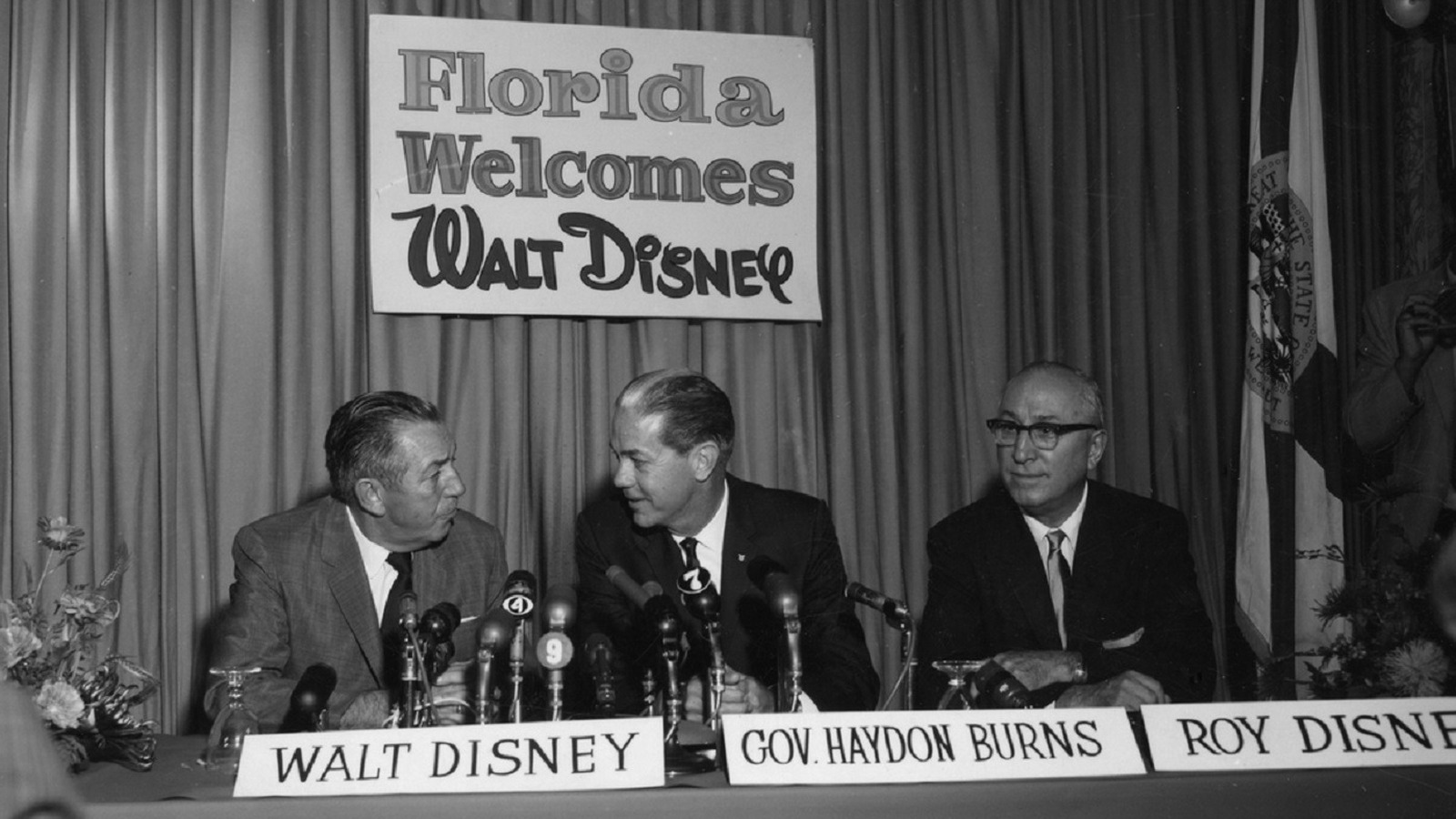
The journey began with Disneyland in Anaheim, California. Conceived by Walt Disney as a family-friendly alternative to the carnivals of the era, it introduced the "hub and spoke" layout, which has become the industry standard for theme park design. In 1971, the company achieved a significantly larger scale with the opening of Walt Disney World in Lake Buena Vista, Florida. The Magic Kingdom served as the initial anchor, modeled after Disneyland but featuring a larger footprint and more sophisticated infrastructure, such as the utility utilidor system beneath the park.
The International Strategy (1983–2005)
Tokyo Disneyland was the first Disney park built outside the United States. It opened in 1983, a result of a licensing agreement with the Oriental Land Company. The success of this model paved the way for Disneyland Paris in 1992, which was a major strategic shift as the company assumed direct management of the European venture. By 2005, the company expanded into the Greater China region with the opening of Hong Kong Disneyland, a localized park designed to fit a smaller geographic footprint while introducing unique cultural elements to the classic Disney experience.
The Modern Era (2016–Present)
Shanghai Disneyland, which opened in 2016, represents the most recent major greenfield theme park project. It was designed with a "Designed for China, Designed for Chinese" philosophy, featuring the tallest central castle in any Disney resort and a distinct lack of the traditional "hub" layout, favoring a more immersive, land-based navigation strategy.
Secondary Theme Parks: Beyond the Flagship
While the flagship parks are the most recognizable, the global resort portfolio grew by adding secondary "gates" to existing resorts. These parks typically focus on different themes, such as nature, film production, or oceanic exploration.
- EPCOT (1982): Located at Walt Disney World, this park departed from the fantasy aesthetic of the Magic Kingdom to focus on international culture and technological innovation.
- Disney’s Hollywood Studios (1989): Originally branded as Disney-MGM Studios, this Florida park focuses on the history and production of movies and television.
- Disney California Adventure (2001): Built on the original parking lot of the Disneyland Resort, this park was designed to celebrate the history and culture of California.
- Tokyo DisneySea (2001): Often cited as the most unique Disney park, it features an oceanic theme and is currently the only Disney park in the world with a nautical-exploration focus.
- Walt Disney Studios Park (2002): Opened adjacent to Disneyland Paris, this park serves as the second gate for the European resort, focusing on cinema and animation production.
- Disney’s Animal Kingdom (1998): This Florida addition remains the largest Disney theme park in the world by area, emphasizing conservation and zoological study alongside traditional attractions.
Factors Influencing Opening Sequences
When analyzing the order of these openings, it is critical to note that the timeline is influenced by economic conditions, geopolitical factors, and site-selection criteria. For instance, the long gap between the opening of the original Disneyland and the subsequent international parks was driven by the need to develop the specialized "Imagineering" workforce capable of translating Western intellectual properties into diverse cultural contexts.
Furthermore, the physical size of these resorts varies significantly. Shanghai Disneyland and Walt Disney World occupy vast tracts of land, allowing for future expansion, while Hong Kong Disneyland and the original Disneyland are restricted by urban density, necessitating "vertical" growth and creative land use within limited square footage.
Common Questions Regarding Park Origins
Which Disney park was the first to open? Disneyland in Anaheim, California, holds the distinction of being the first park, opening its gates on July 17, 1955. It is the only park designed and overseen directly by Walt Disney during his lifetime.
Why did Disney open parks in different countries? The international expansion was motivated by the global popularity of the Disney brand and the desire to create destination experiences for regional markets, effectively reducing travel time for international guests while localizing the guest experience through language, food, and cultural nuances.
What is the difference between a "Resort" and a "Park"? A Disney Resort is the entire property, encompassing the theme parks, hotels, shopping districts (like Disney Springs or Downtown Disney), and transportation hubs. A theme park is an individual, ticketed entity within that resort property.
Why does Tokyo DisneySea have no Disney name in its title? Tokyo DisneySea is managed by the Oriental Land Company through a licensing agreement with Disney. Unlike the U.S. parks, which are owned and operated by the parent corporation, the Tokyo parks operate with significant autonomy regarding naming conventions and regional marketing strategies.
Are new Disney parks currently in development? While the company constantly updates existing parks with new attractions—such as the 2026 expansion of immersive lands—there have been no recent announcements regarding the construction of entirely new "gates" or additional international resorts beyond the current six locations.
Next Steps for Theme Park Planning
For those interested in visiting these parks, the sequence of opening dates often correlates with the depth of the park's offerings. If you are planning a multi-resort trip, prioritize the resorts with multiple secondary gates (such as Walt Disney World or Tokyo Disney Resort) for longer stays, as these provide a higher density of attractions and deeper thematic immersion. Verification of specific park hours, seasonal events, and reservation requirements for the year 2026 should be conducted directly through the official website of the specific resort location to ensure the most accurate planning data.
Image Gallery