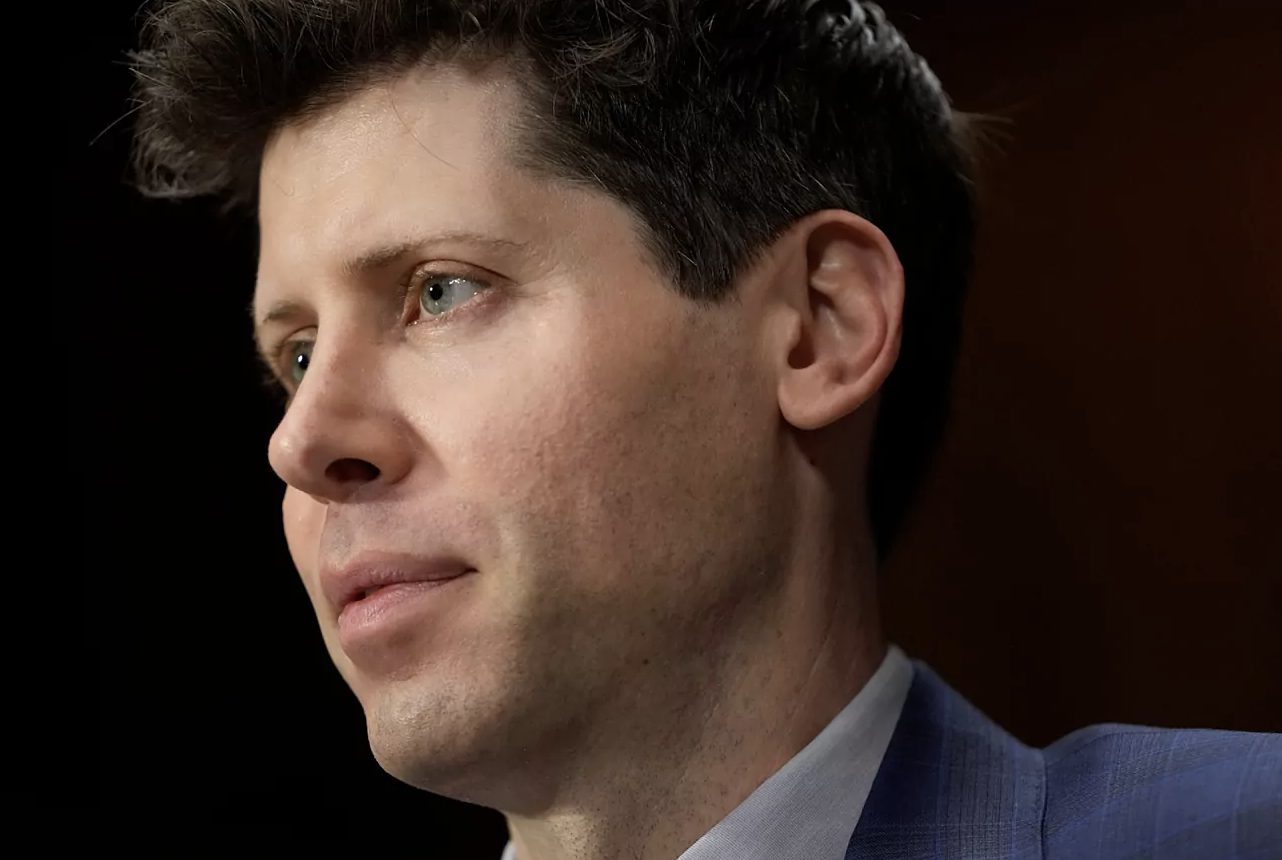
Sam Chacko Net Worth: An Analysis of Corporate Leadership and Career Earnings in 2026
As of 2026, Sam Chacko’s estimated net worth is valued between $15 million and $25 million. This financial standing is primarily attributed to his decades of high-level executive leadership within the global insurance and financial ser...
As of 2026, Sam Chacko’s estimated net worth is valued between $15 million and $25 million. This financial standing is primarily attributed to his decades of high-level executive leadership within the global insurance and financial services sectors, most notably his senior roles at Prudential Financial, complemented by strategic board advisory positions and private investments.
Contents
The Foundations of Sam Chacko’s Professional Wealth
To understand the net worth of a seasoned executive like Sam Chacko, one must look beyond a simple annual salary. His wealth is a product of a disciplined career trajectory in "High-Finance" and corporate expansion. Chacko established himself as a pivotal figure in international business development, particularly within the Asian and emerging markets during his tenure with major multinational corporations.
During the late 2010s and early 2020s, the compensation packages for senior managing directors in the financial services sector underwent significant shifts. For an executive of Chacko's caliber, compensation typically includes a multi-tiered structure consisting of a base salary, annual performance bonuses, and long-term incentive plans (LTIPs). By 2026, the cumulative effect of these various income streams, alongside the appreciation of equity-based awards, forms the bedrock of his multi-million dollar valuation.
Corporate Leadership at Prudential Financial
A significant portion of Sam Chacko’s career was spent at Prudential Financial, a global leader in insurance and investment management. Holding titles such as Managing Director and leading initiatives like "PruAsia," Chacko was responsible for navigating complex regulatory environments and driving growth in high-velocity markets.
In the world of corporate finance, a Managing Director at a Fortune 500 company generally commands a base salary ranging from $400,000 to $700,000. However, the "total compensation" often doubles or triples this figure through performance-related incentives. For Chacko, his expertise in market entry and operational efficiency in the Asia-Pacific region likely triggered substantial performance bonuses during years of regional expansion.
Mechanics of Executive Wealth Accumulation
For high-net-worth individuals (HNWIs) like Sam Chacko, the transition from high-income earner to high-net-worth individual occurs through the strategic management of equity and deferred compensation. By 2026, Chacko’s portfolio has likely benefited from several key financial mechanisms:
- Restricted Stock Units (RSUs) and Stock Options: Most senior executives receive a significant portion of their pay in company stock. As markets fluctuated and recovered through the mid-2020s, the vesting of these units would have contributed significantly to his liquid net worth.
- Deferred Compensation Plans: These plans allow executives to defer a portion of their income to a later date, often growing tax-deferred in various investment vehicles. This is a common strategy for wealth preservation among top-tier management.
- Dividend Income: Holding substantial shares in established financial institutions provides a steady stream of passive income through dividends, which is often reinvested to compound wealth over decades.
Transition to Advisory and Board Roles
As of 2026, Sam Chacko has transitioned into the "Advisory Era" of his career. It is common for veteran executives with deep institutional knowledge to exit daily operations in favor of board seats and strategic consultancy.
Board members for mid-to-large-cap companies are typically compensated with both cash retainers and equity grants. Depending on the size of the organization, a single board seat can provide $150,000 to $350,000 in annual value. If an individual holds multiple seats or serves as a chairman of a specific committee (such as Audit or Risk), this figure increases. Chacko’s deep experience in risk management and international operations makes him a highly sought-after candidate for such roles, further inflating his annual income without the demands of a full-time C-suite position.
Estimated Wealth Distribution in 2026
The following table provides a breakdown of the typical asset distribution for an executive with a net worth in the $15M–$25M range, based on common wealth management practices for financial professionals.
| Asset Category | Estimated Value Range | Description |
|---|---|---|
| Public Equities | $8,000,000 – $12,000,000 | Vested stock from previous employers and a diversified stock portfolio. |
| Real Estate Holdings | $4,000,000 – $7,000,000 | Primary residence and potential secondary investment properties in global hubs. |
| Private Investments | $2,000,000 – $4,000,000 | Participation in private equity funds or angel investments in fintech. |
| Cash & Liquid Reserves | $1,000,000 – $2,000,000 | High-yield savings, money market accounts, and short-term bonds. |
| Other Assets | $500,000 – $1,000,000 | Retirement accounts (401k/IRA) and miscellaneous physical assets. |
The Role of Global Market Trends in 2026
The year 2026 represents a unique period for wealth valuation. Following the economic adjustments of the early 2020s, executive wealth is now more closely tied to sustainable growth and technological integration. For Sam Chacko, his net worth is not just a reflection of past earnings but also of how his current investments have adapted to a landscape dominated by AI-driven financial services and ESG (Environmental, Social, and Governance) standards.
Executives who understood the shift toward digital transformation early on—such as those involved in the modernization of the insurance industry (InsurTech)—have seen their personal portfolios outperform traditional benchmarks. Chacko’s background in a "traditional" giant like Prudential, combined with an eye for modern operational strategy, suggests a portfolio that is well-hedged against inflation and market volatility.
Philanthropy and Wealth Management
Many high-level executives also utilize family offices or private foundations to manage their wealth. While these structures can reduce "taxable" net worth on paper, they represent significant control over capital. In 2026, philanthropy is often a core component of an executive's public profile. Whether through educational endowments or supporting international development (reflecting his career in global markets), Chacko’s financial legacy is likely managed with a focus on long-term impact as much as capital appreciation.
Factors Influencing Future Growth
Looking beyond 2026, Sam Chacko’s net worth will likely be influenced by two primary factors: the performance of the financial sector and the success of his private advisory ventures.
- Market Volatility: As a veteran of the financial markets, his personal investments are likely structured to withstand the cyclical nature of the global economy.
- Intellectual Capital: In 2026, the "expertise economy" is at an all-time high. Executives who can bridge the gap between Western financial standards and Eastern growth markets (like Chacko) command a premium in the consultancy space. This "human capital" continues to generate high-margin income long after their retirement from formal corporate roles.
Common Questions Regarding Sam Chacko’s Wealth
How did Sam Chacko build his initial wealth?
Sam Chacko built his initial wealth through a career in corporate finance and insurance leadership. By climbing the ranks of global organizations like Prudential Financial, he secured high-base salaries and, more importantly, equity-based compensation that benefited from the long-term growth of the financial sector.
Does Sam Chacko still work for Prudential in 2026?
As of 2026, Sam Chacko is largely recognized as a veteran executive who has transitioned into advisory and board-level roles. While his legacy remains tied to his leadership at Prudential, his current professional focus involves strategic consulting and leveraging his network for independent ventures.
What is the primary driver of his current net worth?
The primary driver is the "compounding effect" of his corporate career. This includes the appreciation of vested stock options, a disciplined approach to private investing, and the high-value income derived from board appointments and strategic advisory services.
Is Sam Chacko involved in any startup investments?
While specific private investment details are rarely public, it is standard practice for executives with Chacko's background to participate in "angel" or "Series A" funding for fintech and InsurTech startups. These investments represent the "high-risk, high-reward" portion of his $15M–$25M net worth.
How does his wealth compare to other financial executives?
Chacko’s net worth is consistent with senior Managing Directors and regional heads of Fortune 100 financial firms. While not in the billionaire bracket of company founders, he sits comfortably in the top 1% of global wealth, reflecting a successful career in the upper echelons of corporate management.
Summary and Next Actions
Sam Chacko’s net worth of $15 million to $25 million in 2026 is a testament to the lucrative nature of high-level international business leadership. His path illustrates the classic "corporate-to-consultant" trajectory, where the initial wealth built through salary and equity is preserved and grown through strategic board roles and diversified asset management.
For those looking to understand or emulate this level of financial success, the key takeaways are:
- Specialization in High-Growth Markets: Chacko’s focus on the Asian market was a major catalyst for his career advancement.
- Equity over Salary: Long-term wealth was achieved through stock-based incentives rather than just monthly paychecks.
- Strategic Transition: Moving into advisory roles allows for continued income generation with reduced operational risk.
Image Gallery