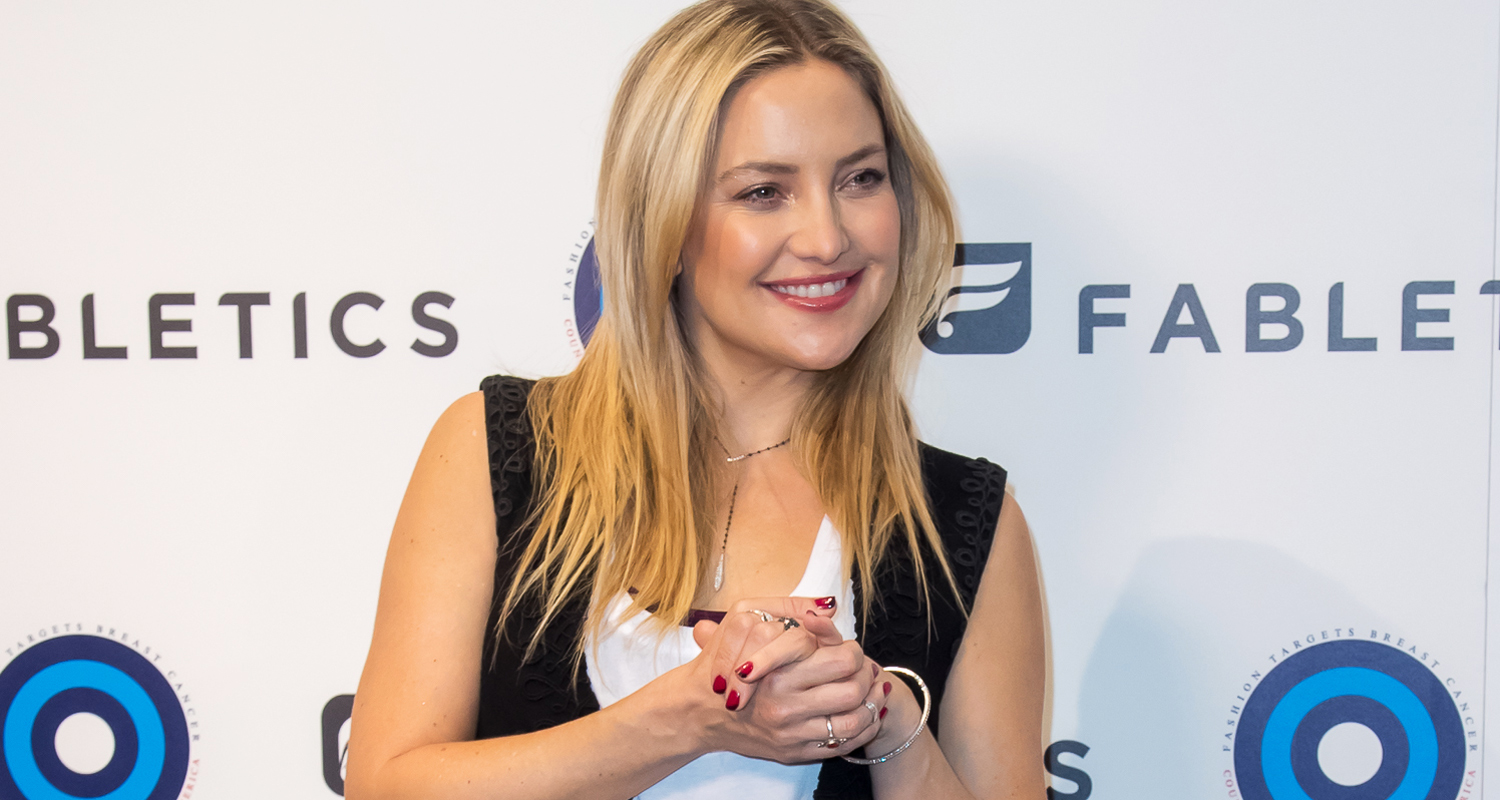
Kate Hudson as Owner of Fabletics: Business Structure and Brand Influence
Kate Hudson is a co-founder and a prominent figure associated with the activewear brand Fabletics. Launched in 2013, the company operates under the umbrella of TechStyle Fashion Group, now known as JustFab Inc. While Hudson is the publ...
Kate Hudson is a co-founder and a prominent figure associated with the activewear brand Fabletics. Launched in 2013, the company operates under the umbrella of TechStyle Fashion Group, now known as JustFab Inc. While Hudson is the public face and a significant equity holder of the brand, Fabletics functions as a subscription-based retail enterprise supported by a broader corporate infrastructure that manages its e-commerce operations, manufacturing, and logistics.
Contents
The Origins of Fabletics and Hudson’s Strategic Role
When Kate Hudson co-founded Fabletics in 2013, the activewear market was dominated by traditional athletic giants. Hudson and her business partners—Don Ressler and Adam Goldenberg—aimed to disrupt this space by introducing an accessible, subscription-based model that emphasized inclusivity, trend-conscious design, and high-performance materials.
Hudson’s involvement was not merely promotional. From the brand’s inception, she was integral to the product development process, focusing on the "athleisure" trend that sought to bridge the gap between gym wear and everyday casual apparel. Her role as a co-founder involves active participation in branding strategy, aesthetic direction, and market expansion. By leveraging her celebrity status, she provided the company with an immediate marketing edge, allowing Fabletics to grow rapidly through direct-to-consumer (DTC) channels.
Corporate Structure: How Fabletics Operates
To understand Kate Hudson’s role as an "owner," it is essential to distinguish between a personal brand and the institutional structure of Fabletics. The company is part of JustFab Inc., a retail group that utilizes a membership-based business model.
In this structure, customers are invited to become "VIP Members." Members pay a recurring monthly fee, which is applied toward the purchase of athletic apparel and accessories. This model provides the company with predictable revenue streams and detailed consumer data, which, in turn, informs supply chain management and inventory production. Hudson’s equity stake in this broader corporate entity links her financial success directly to the brand’s ability to scale this membership model globally.
Marketing Through Celebrity Association
The brand’s success is intrinsically tied to Hudson’s public image, which embodies fitness, wellness, and a balanced lifestyle. Unlike traditional retail brands that rely primarily on third-party influencers, Fabletics centered its identity on its co-founder. This strategy has been a masterclass in modern brand building, where the line between the consumer’s desire for a product and their affinity for the founder is intentionally blurred.
By participating in advertisements, social media campaigns, and product launches, Hudson ensures that Fabletics remains relevant in a crowded market. Her influence extends to the design philosophy, where the brand frequently iterates on fit, color palettes, and seasonal collections, maintaining a sense of urgency and freshness that mirrors the fast-fashion cycles of her partners' other ventures.
The Evolution of the Subscription Model
The Fabletics business model is often the subject of both praise and scrutiny. The membership system requires users to log in each month to "skip" a charge if they do not wish to make a purchase. This "negative option" billing model is a core pillar of the company’s revenue strategy.
| Feature | Description |
|---|---|
| Business Model | Direct-to-Consumer (DTC) with recurring membership |
| Target Demographic | Value-conscious fitness consumers |
| Market Position | Mid-range price point, high-frequency releases |
| Founder Involvement | Brand ambassador, creative contributor, equity partner |
| Sales Channels | Digital e-commerce platform and physical retail storefronts |
From a business perspective, this model has allowed Fabletics to expand into hundreds of physical retail locations across the United States. These stores act as showrooms that enhance the brand’s credibility and provide a bridge for customers who prefer to try on products before committing to a membership.
Challenges and Operational Considerations
Operating a massive retail brand in the 2020s comes with significant challenges, including the need for sustainable supply chain practices and the management of customer expectations regarding subscription transparency. As a co-founder, Hudson’s brand equity is susceptible to the operational realities of the company. When customers express frustration regarding billing practices or return policies, the public often directs this sentiment toward the most visible figurehead.
Consequently, the company has had to invest heavily in customer service infrastructure and clearer digital disclosures to ensure that the membership program is understood by the user base. For the organization, maintaining the balance between a subscription-based, growth-oriented business and a high-trust customer relationship is a constant operational imperative.
Frequently Asked Questions
Does Kate Hudson personally manage the daily operations of Fabletics? No. While Kate Hudson is a co-founder and holds an equity stake in the company, she does not manage daily corporate operations. The day-to-day business, including logistics, software development, and supply chain management, is handled by the executive leadership team at JustFab Inc. Hudson focuses on creative direction, brand partnerships, and strategic marketing.
How does Fabletics differ from traditional fitness brands? Fabletics distinguishes itself through its subscription-based "VIP" program, which provides members with discounted pricing compared to standard retail rates. This model is built for high customer retention and utilizes a DTC approach, which allows for lower price points than premium legacy athletic brands while maintaining a focus on high-performance materials.
Is Fabletics a publicly traded company? As of 2026, Fabletics operates as a subsidiary within the private portfolio of JustFab Inc. It is not currently traded on public stock exchanges, though it remains one of the largest and most recognizable assets within the company's retail division.
What is the "negative option" billing model used by the brand? The negative option model refers to a subscription structure where the customer is charged automatically unless they take proactive action (such as clicking a "skip" button) during a specific monthly window. It is important for consumers to review the terms of service to understand the timeline for skipping to avoid unwanted charges.
Can anyone buy Fabletics gear without being a member? Yes. While the brand emphasizes its VIP membership program to secure the best prices, Fabletics also sells its products to non-members at a higher, non-discounted retail price. The brand offers flexibility for those who wish to purchase items occasionally without entering a recurring monthly commitment.
Strategic Outlook and Future Directions
Looking ahead to the remainder of 2026, Fabletics continues to focus on global market penetration and the diversification of its product lines. This includes expanding into specialized categories beyond standard activewear, such as high-impact sports performance gear and sustainable apparel lines.
For followers of Kate Hudson’s career, her role as the owner and face of Fabletics serves as a primary example of how high-profile figures can move beyond simple endorsement deals to become foundational partners in the modern retail landscape. Her ongoing commitment to the brand suggests that the synergy between her celebrity persona and the company’s subscription-based model will remain a central component of its market strategy for the foreseeable future.
For those looking to engage with the brand, the most efficient path is to utilize the official website or physical retail locations to assess membership benefits against individual fitness needs. Being aware of the specific terms regarding the monthly subscription window will ensure a positive experience as a consumer.
Image Gallery