Brosnan’s Bond: The Legacy of a British Icon
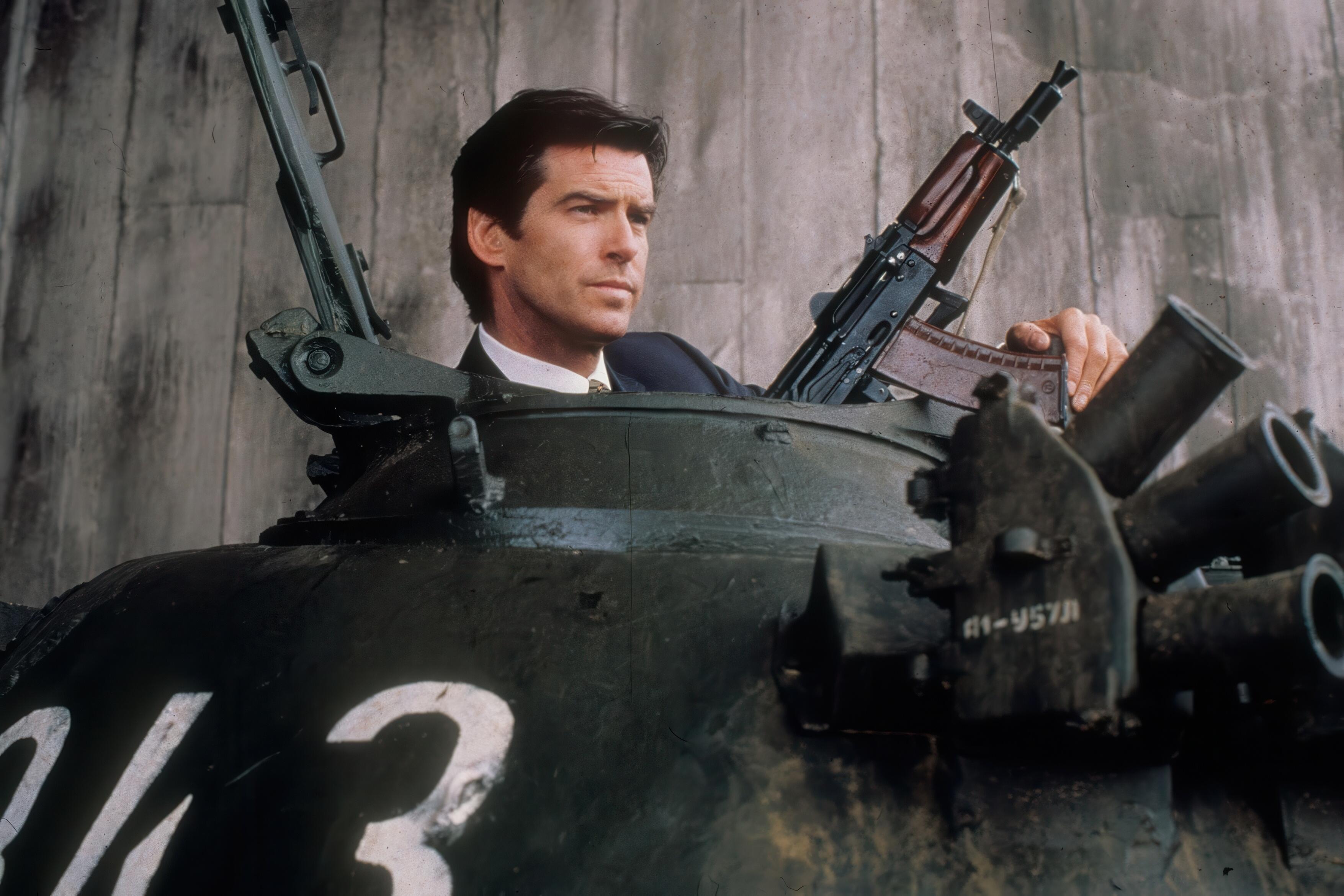
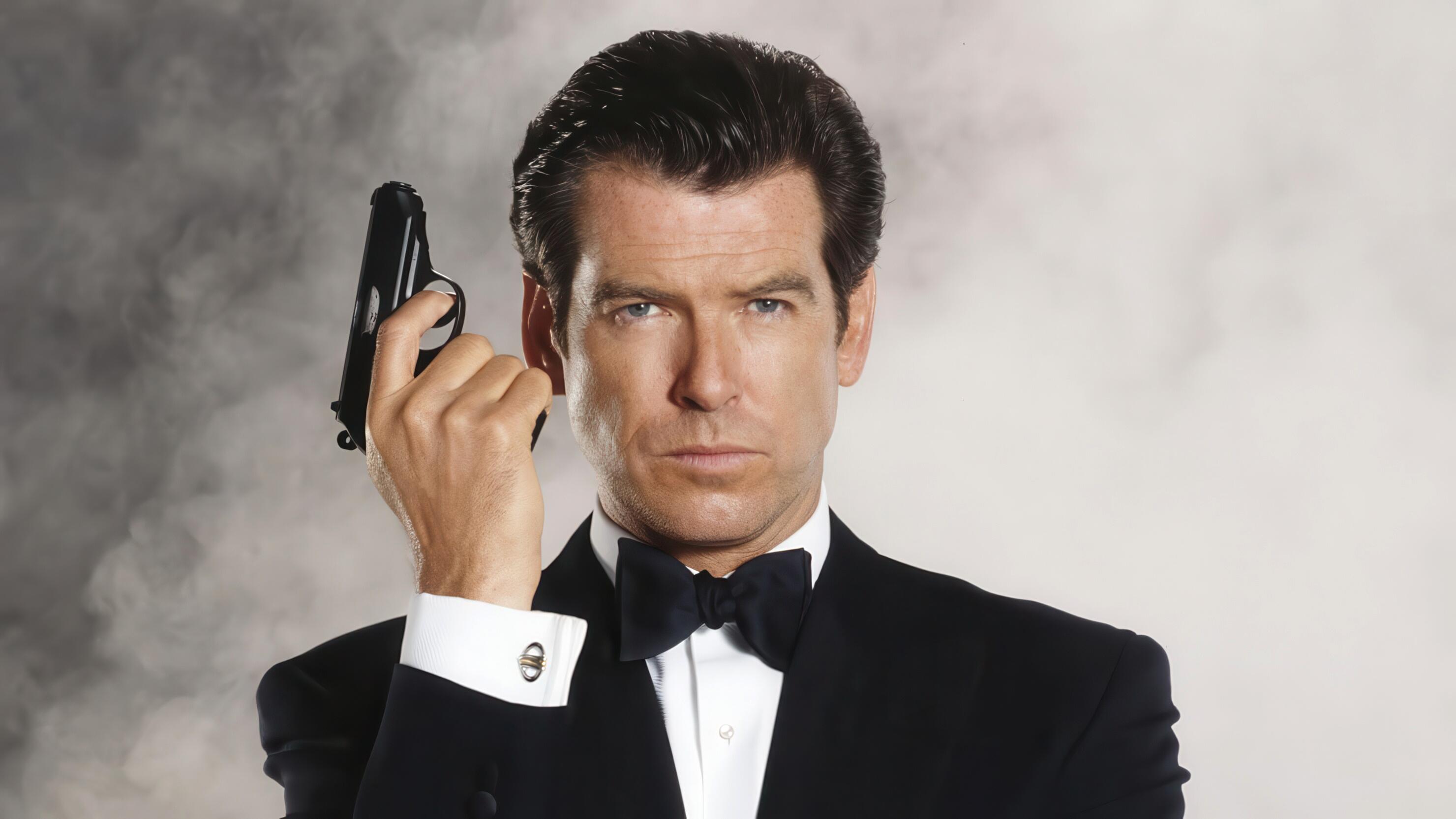
Pierce Brosnan’s tenure as James Bond represents a pivotal era for the franchise, bridging the gap between the Cold War sensibilities of the 1980s and the visceral, grounded realism that defined the mid-2000s. Spanning four films from...
Pierce Brosnan’s tenure as James Bond represents a pivotal era for the franchise, bridging the gap between the Cold War sensibilities of the 1980s and the visceral, grounded realism that defined the mid-2000s. Spanning four films from 1995 to 2002, his portrayal successfully modernized the character for a post-Soviet global landscape while maintaining the essential charm, wit, and lethal sophistication that remain the hallmarks of the British icon.
Contents
The Context of the Nineties Rebirth
When Pierce Brosnan assumed the mantle of 007 in GoldenEye (1995), the James Bond franchise faced a precarious future. Following a six-year hiatus—the longest in the series’ history—caused by legal disputes over the rights to the character, many critics questioned whether the suave, martinis-sipping secret agent remained relevant in a world dominated by the rise of the internet and the shifting geopolitical climate of the 1990s.
Brosnan was not a newcomer to the role; he had been tapped to play Bond in 1986 following Roger Moore’s departure, only to be blocked by contractual obligations to the television series Remington Steele. By the time he finally donned the tuxedo for GoldenEye, the anticipation was palpable. Brosnan’s performance was characterized by a "velvet hammer" approach: he possessed the effortless charisma and gentlemanly refinement of Roger Moore, blended with the physical intensity and emotional undercurrents that audiences had come to expect from more modern action heroes.
Evolution of the Bond Persona
The "Brosnan Bond" served as a stylistic evolution. His films shifted the focus toward a more technologically advanced intelligence agency, reflecting the dawn of the information age. While the gadgetry—a staple of the Eon Productions series—remained central, it was balanced by a more nuanced look at the toll the job took on Bond as an individual.
Key Films of the Era
- GoldenEye (1995): Directed by Martin Campbell, this film introduced a new Bond tasked with navigating the ruins of the Soviet Union. It successfully humanized 007, particularly through his antagonistic relationship with the defector Alec Trevelyan, played by Sean Bean.
- Tomorrow Never Dies (1997): This installment addressed the growing influence of global media conglomerates, positioning Bond against a media mogul whose reach rivaled that of the British government.
- The World Is Not Enough (1999): Notable for its more complex exploration of the relationship between Bond and the primary antagonist, Elektra King, this film introduced elements of moral ambiguity rarely explored in earlier, more straightforward iterations of the character.
- Die Another Day (2002): Celebrating the 40th anniversary of the franchise, this film pushed the limits of the series’ established tropes, culminating in a high-concept action spectacle that marked the conclusion of the Brosnan era.
Comparative Analysis: The Brosnan Era in Context
Understanding the distinct "flavor" of the Brosnan era requires looking at how his performance compared to those who preceded and succeeded him. The following table highlights the stylistic shifts across key metrics of the Bond franchise.
| Feature | The Moore Era (1973–1985) | The Brosnan Era (1995–2002) | The Craig Era (2006–2021) |
|---|---|---|---|
| Tone | Lighthearted, witty | Balanced, polished | Gritty, visceral |
| Action | Stunt-focused, playful | High-tech, kinetic | Brutal, realistic |
| Tech Level | Retro-futuristic | Cutting-edge 90s/00s | Practical, grounded |
| Bond's Demeanor | Charming, detached | Professional, sophisticated | Stoic, vulnerable |
Technical Innovation and Production Values
The production value of the Brosnan films set a new standard for the series. GoldenEye utilized the innovative Pinewood Studios facilities and massive practical sets, which were becoming increasingly rare as the industry began to shift toward early digital effects. The technical team behind these films prioritized a sense of scale—such as the massive satellite dish sequences and high-speed chase scenes across European capitals—that grounded the fantasy in real-world geography.
Furthermore, the music during this period saw a shift. While John Barry’s influence remained, composers like Eric Serra and David Arnold brought a more contemporary, electronic-infused sound to the score. This sonic modernization was essential in ensuring that the films felt like products of their specific decade rather than relics of the 1960s.
The Enduring Legacy of the 007 Icon
The most significant legacy of Pierce Brosnan’s Bond is arguably the preservation of the franchise. By maintaining the "British icon" status of the character during a decade where the spy genre was undergoing massive reinvention, Brosnan ensured that Bond remained a global brand of immense value. He navigated the challenge of being a "transitional" Bond—one who had to pay homage to the legends of the past (Connery, Lazenby, Moore, Dalton) while preparing the character for the more introspective, character-driven narratives that followed.
His tenure proved that James Bond could endure even when the geopolitical enemies of the Cold War were no longer viable. By focusing on private syndicates, rogue agents, and technology-driven threats, the Brosnan films effectively transitioned 007 from a government-specific operative to a global protector, a role the franchise continues to inhabit today.
Frequently Asked Questions
Why did Pierce Brosnan leave the role of James Bond?
Brosnan did not choose to leave; his contract expired following the production of Die Another Day. The studio chose to move in a different creative direction, seeking to ground the character in a more realistic and rebooted narrative style, which eventually led to the casting of Daniel Craig for Casino Royale.
Were the Brosnan Bond films considered box office successes?
Yes, the Brosnan era was highly profitable. GoldenEye was a massive critical and financial success, revitalizing the franchise. Subsequent films, including Tomorrow Never Dies and The World Is Not Enough, consistently performed well, ensuring the long-term viability of the Eon Productions series in the new millennium.
What was the defining characteristic of the Brosnan-era gadgets?
The gadgets in the Brosnan films were characterized by a blend of classic "Q Branch" inventiveness and the burgeoning digital capabilities of the 1990s. This included the iconic BMW Z3 and the laser-equipped Omega wristwatch, which became synonymous with the tech-heavy aesthetic of that specific era.
How did the Brosnan films handle female characters?
Brosnan’s films represented a significant shift in how Bond interacted with his peers. Characters like M, played by Judi Dench, were elevated to positions of superior authority, challenging Bond’s traditional methods. The "Bond Girls" of this era were increasingly portrayed as professionals—physicists, bankers, and secret agents—marking a departure from the "damsel" archetype of the early series.
What is the most iconic visual element of the Brosnan Bond?
The suit and the silhouette remain the primary visual legacy. Brosnan’s portrayal solidified the image of the "modern gentleman" spy, characterized by impeccable tailoring and a physical presence that looked as natural in a tuxedo at a casino as it did in tactical gear during a pursuit.
Recommendation for Enthusiasts
To fully appreciate the legacy of the Brosnan era, viewers should revisit GoldenEye with a focus on the practical effects and the transition of the Bond-M dynamic. Watching the four films chronologically provides a clear timeline of how action cinema evolved between 1995 and 2002. For those interested in the craft of the series, the behind-the-scenes features included in modern 4K re-releases offer significant insight into the logistical challenges of filming stunts in an era before widespread CGI dominance.
Image Gallery